
Side Dishes
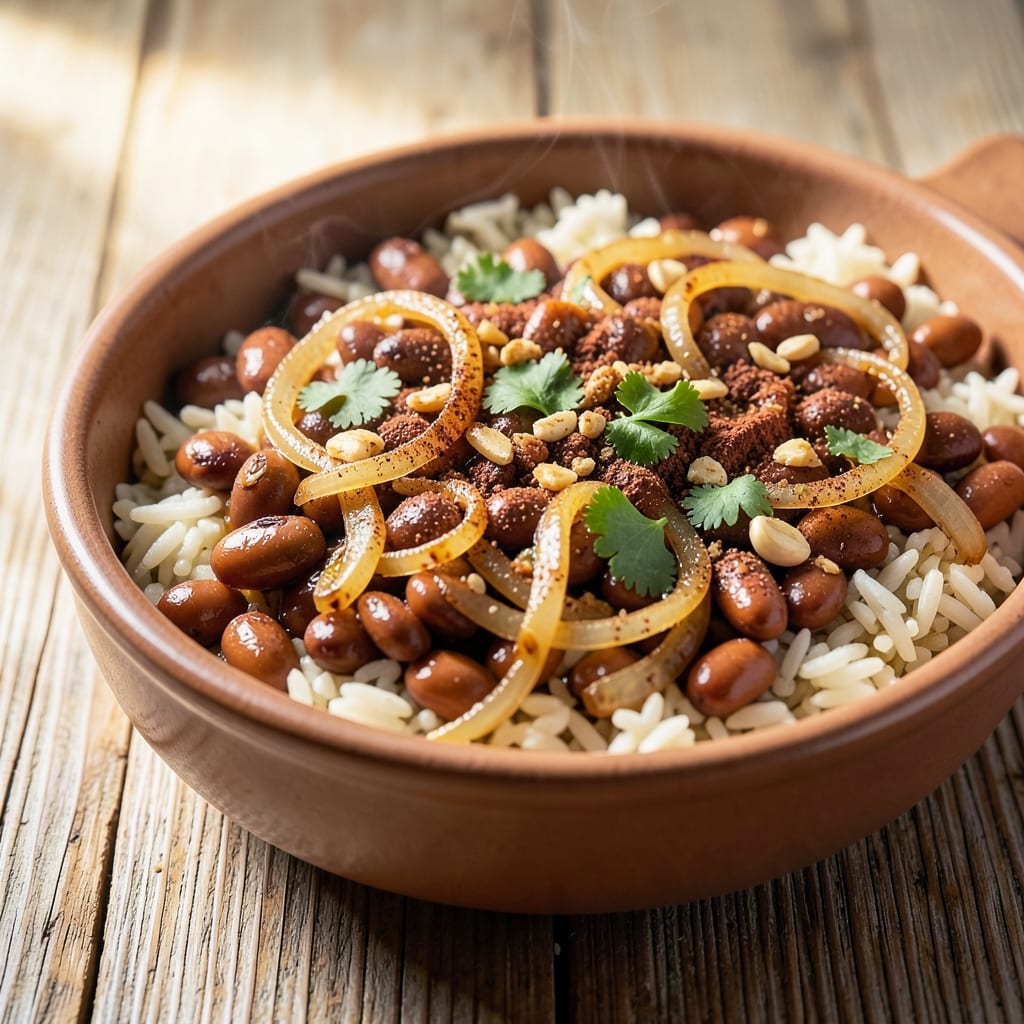
This Anasazi beans and rice recipe brings the heart of Southwestern Native American cuisine to your kitchen table in one flavorful pot. Inspired by traditional Pueblo cooking, this dish combines slow-simmered beans with fragrant rice, creating a complete meal packed with earthy spices and natural sweetness. The secret lies in layering flavors through careful seasoning and patient cooking—no shortcuts, just authentic taste.
What makes this recipe special is its simplicity and depth. Anasazi beans, also known as tepary beans, hold their shape beautifully while absorbing the smoky, cumin-infused broth. The rice cooks directly in the same pot, creating a harmonious blend where each ingredient complements the others. Traditional methods like toasting spices and using dried beans elevate the dish beyond ordinary bean-and-rice recipes.
By the time you serve this dish, you'll have a hearty, protein-rich meal that's perfect for weeknight dinners or special gatherings. The beans become tender yet firm, while the rice develops a subtle nutty flavor from the slow cooking process. Every bite delivers a balance of smoky, earthy, and slightly sweet notes that define Southwestern cuisine.
This recipe serves four and can be easily doubled for larger groups. The leftovers keep well in the refrigerator for up to five days, making it an excellent meal prep option. Serve with warm tortillas, avocado slices, or a sprinkle of fresh cilantro for the complete experience. Let's create this traditional dish together.
Ingredients for anasazi beans and rice
Traditional ingredients with modern convenience—authentic Southwestern flavors in one pot.
| Ingredient | Amount | Notes |
|---|---|---|
| Anasazi Beans (Tepary Beans) 🌱 | 1 ½ cups | Dried, soaked overnight |
| Long-Grain White Rice 🍚 | 1 cup | Uncooked, rinsed thoroughly |
| Yellow Onion 🧅 | 1 whole | Diced, medium size |
| Garlic Cloves 🧄 | 4 cloves | Peeled, minced finely |
| Ground Cumin 🌿 | 1 tbsp | Toasted for deeper flavor |
| Smoked Paprika 🌶️ | 1 tbsp | For authentic smoky taste |
| Dried Oregano 🍃 | 1 tsp | Mexican oregano preferred |
| Salt 🧂 | 1 ½ tsp | Diamond Crystal preferred |
| Black Pepper 🌶️ | ½ tsp | Freshly ground preferred |
| Vegetable Broth 💧 | 3 cups | Low-sodium preferred |
| Tomato Paste 🍅 | 2 tbsp | Squeeze tube preferred |
| Avocado Oil 🫒 | 2 tbsp | High smoke point |
| Fresh Cilantro 🌿 | ¼ cup | Chopped, for garnish |
| Lime 🍋 | 1 whole | Juiced, for finishing |
Anasazi beans are the heart of this dish, and dried beans work best—they hold their shape better than canned. If you can't find tepary beans, pinto beans are a solid substitute. Soak them overnight for perfect texture. For the rice, long-grain white rice is traditional, but jasmine rice works too. Toast your spices in a dry pan for 30 seconds before adding to the pot—this brings out their flavors. Whole Foods or Latin markets often carry authentic tepary beans, but most grocery stores stock pinto beans.
No vegetable broth? Water with bouillon cubes works in a pinch, but the depth of flavor suffers. Fresh cilantro is ideal, but dried cilantro at half the amount gets you close. The tomato paste can be skipped if you're avoiding tomatoes, but it adds that natural sweetness. For extra richness, stir in 1 tbsp of nutritional yeast at the end—it mimics the umami of meat. If you're short on time, pre-toasted spices from the bulk section at Trader Joe's save you the step.
This dish tastes even better the next day as flavors meld. Store in an airtight container for up to 5 days in the fridge. For longer storage, freeze portions for up to 3 months. The rice will firm up when reheated—just add a splash of water. To serve, sprinkle with fresh cilantro and a squeeze of lime. The lime brightens the earthy flavors, so don't skip it—it's the finishing touch that makes this dish sing.
Why You'll Love This Recipe
- No-Fuss Pantry Staples: I swear by this recipe because it uses ingredients I always have—no last-minute grocery runs. Tepary beans (or sub black beans) and rice are my go-to, and the onion/garlic/cumin combo? That’s the kind of flavor that turns up the heat without extra effort.
- Earthy Depth in Minutes: That first bite of toasted cumin and caramelized onion? Chef’s kiss. The beans stay tender but hold their shape, soaking up all the savory goodness while the rice fluffs up perfectly—no mushy or crunchy surprises here.
- Lunchbox Hero: Between us, this is my secret weapon for meal prep. Pack it in containers for work lunches (it reheats beautifully), or serve it cold in wraps for a picnic. My kids actually finish their portions—rare for beans and rice around here.
- Budget-Friendly Powerhouse: A pound of tepary beans and a bag of rice feed my family for days. The spices are cheap, the prep is cheap, and the leftovers? Even better the next day. Honestly, my wallet thanks me every time I make this.
Step-by-step instructions for Anasazi beans and rice
This one-pot method builds layers of Southwestern flavor while keeping preparation simple and efficient.
Sauté Aromatics and Toast Spices
Heat the 2 tablespoons avocado oil in a large, heavy pot over medium heat. Add the diced yellow onion and cook for 5 minutes, stirring occasionally, until softened and translucent. This foundational step develops sweetness that balances the earthy beans.
Reduce heat to medium-low and add the 4 minced garlic cloves, cooking for 30 seconds until fragrant. Immediately add the 1 tablespoon ground cumin, 1 tablespoon smoked paprika, and 1 teaspoon dried oregano. Toast the spices for 1 minute, stirring constantly, until aromatic and slightly darker in color. This step unlocks their full flavor potential—don't rush it.
Add Tomato Paste and Cook Until Deepened
Increase heat to medium and stir in the 2 tablespoons tomato paste. Cook for 2-3 minutes until it darkens and becomes oilier, indicating it's broken down properly. This creates the rich, slightly sweet base that ties all flavors together. If the mixture sticks, add 1 tablespoon vegetable broth to deglaze.
Add the 1.5 cups soaked Anasazi beans (tepary beans) and 1 cup long-grain white rice, stirring to coat everything evenly. The beans should absorb the aromatic oils and spices during this brief cooking time. This step ensures every grain and bean gets infused with the Southwestern spice blend.
Simmer with Broth and Seasonings
Pour in the 3 cups vegetable broth, then add the 1.5 teaspoons salt and 0.5 teaspoon black pepper. Bring to a gentle boil over high heat, then immediately reduce to low heat. Cover the pot and simmer for 30 minutes without lifting the lid. This low-and-slow approach prevents the rice from becoming mushy while allowing the beans to soften evenly.
After 30 minutes, check the liquid level—it should be mostly absorbed. If there's still liquid remaining, continue cooking uncovered for 5-10 minutes until the rice is tender and the liquid has evaporated. The beans should be fork-tender but still hold their shape. This balance creates the perfect texture contrast between the firm beans and fluffy rice.
Rest and Finish with Fresh Flavors
Remove from heat and let the mixture rest, covered, for 10 minutes. This resting period allows the rice to finish steaming and the flavors to meld completely. During this time, prepare the finishing touches by juicing the whole lime and chopping the 0.25 cup fresh cilantro.
Gently fluff the mixture with a fork, then stir in the lime juice and half of the chopped cilantro. The acidity brightens the dish, cutting through the richness of the spices. Taste and adjust seasoning if needed—this is where the dish comes together. Serve immediately with the remaining cilantro sprinkled on top for freshness and visual appeal.
Pro Tips For Making Anasazi Beans And Rice
- Parboil the Beans First: If you’re using dried Anasazi beans, soak them overnight—but don’t skip the 10-minute parboil after draining. I learned this the hard way: skipping it leaves them tough and unevenly cooked, no matter how long you simmer. A quick boil in fresh water softens the skins and speeds up cooking by 20 minutes.
- Toast the Cumin Low: Ground cumin burns faster than you’d think, especially when onions are sizzling. Pull the pan off heat for 30 seconds after adding it, stir, then return to the flame. I’ve ruined batches by walking away—now I treat cumin like a diva who needs a break.
- Cook the Rice Separately: Rice and beans together? Sure, but the rice will turn mushy if you try to braise them in the same pot. Toast the spices in oil, then remove them before adding beans—cook the rice in a separate pot with the reserved spice oil. Your rice will stay fluffy, and the beans won’t get drowned in starch.
- Use Two Onions: One onion for flavor, another for texture. Slice half finely for the base, but keep the other half in ½-inch chunks to add at the end. They’ll stay slightly crisp and add bite—something missing when everything’s pureed into soup. (Yes, even if you’re impatient like me.)
Flavor customization for this anasazi beans and rice
Smoky Heat Boost
For an extra smoky kick, add ½ teaspoon chipotle powder or 1 tablespoon adobo sauce when toasting the spices. This deepens the Southwestern profile without overpowering the dish. I like using Penzeys chipotle powder for its consistent heat level. 🌶️
Creamy Texture Twist
Stir in ¼ cup sour cream or ½ cup Mexican crema during the final resting period for a velvety texture. This balances the earthy flavors beautifully. I recommend La Costeña crema for its tangy depth. Add it just before serving to maintain texture.
Spicy Kick Options
Add 1-2 diced jalapeños with the onions for fresh heat, or sprinkle ½ teaspoon cayenne pepper at the end. For a smoky-spicy finish, top with 1 tablespoon hot honey—it's a game-changer for balancing flavors. 🔥
Herb Variations
Swap out the cilantro for fresh epazote (traditional in Mexican cuisine) or add 1 tablespoon chopped parsley for brightness. Epazote has a distinct anise-like flavor that pairs wonderfully with beans. Find it in Latin markets or use 1 teaspoon dried epazote if fresh isn't available.
Sweet-Savory Balance
Add 1 tablespoon brown sugar or 2 tablespoons diced pineapple when toasting the spices for a subtle sweetness. This mimics the natural caramelization that happens during long cooking times. The pineapple adds a tropical contrast that works surprisingly well with the smoky spices.
Protein Additions
For a heartier dish, stir in ½ cup cooked black beans or ½ pound shredded chicken during the final 10 minutes of cooking. If using chicken, season it with ½ teaspoon cumin and ½ teaspoon smoked paprika before adding. This keeps the dish vegetarian-friendly while adding protein for a complete meal.
Nutrition facts
Frequently asked questions
Can I substitute Anasazi beans with regular beans?
Yes, but pinto beans are your best bet—they hold their shape well like tepary beans. If you can't find either, black beans work too, though they'll be slightly softer. Just soak them overnight for perfect texture. The flavor will be similar but slightly less earthy.
Why does the recipe call for toasting spices?
Toasting spices unlocks their full flavor potential! When you toast cumin, paprika, and oregano in the pot, their aromas deepen dramatically. This traditional technique creates that authentic Southwestern taste you can't get from just adding dry spices. It's worth the extra minute!
How do I prevent the rice from getting mushy?
Keep the heat low after adding broth and never lift the lid during the 30-minute simmer. The gentle heat allows the rice to absorb liquid gradually without turning to mush. If it seems dry before the 30 minutes are up, add 2-3 tablespoons broth at a time.
Can I make this in a slow cooker?
Use the same ingredients but cook on low for 6-7 hours or high for 3-4 hours. The slow cooker's gentle heat makes it even easier to achieve tender beans and perfect rice. Just stir in the lime juice and cilantro at the end before serving.
What's the best way to store leftovers?
Store in an airtight container in the fridge for up to 5 days. For longer storage, freeze portions for 3 months. When reheating, add a splash of water or broth to restore moisture—this dish tastes even better the next day!