
Main Courses
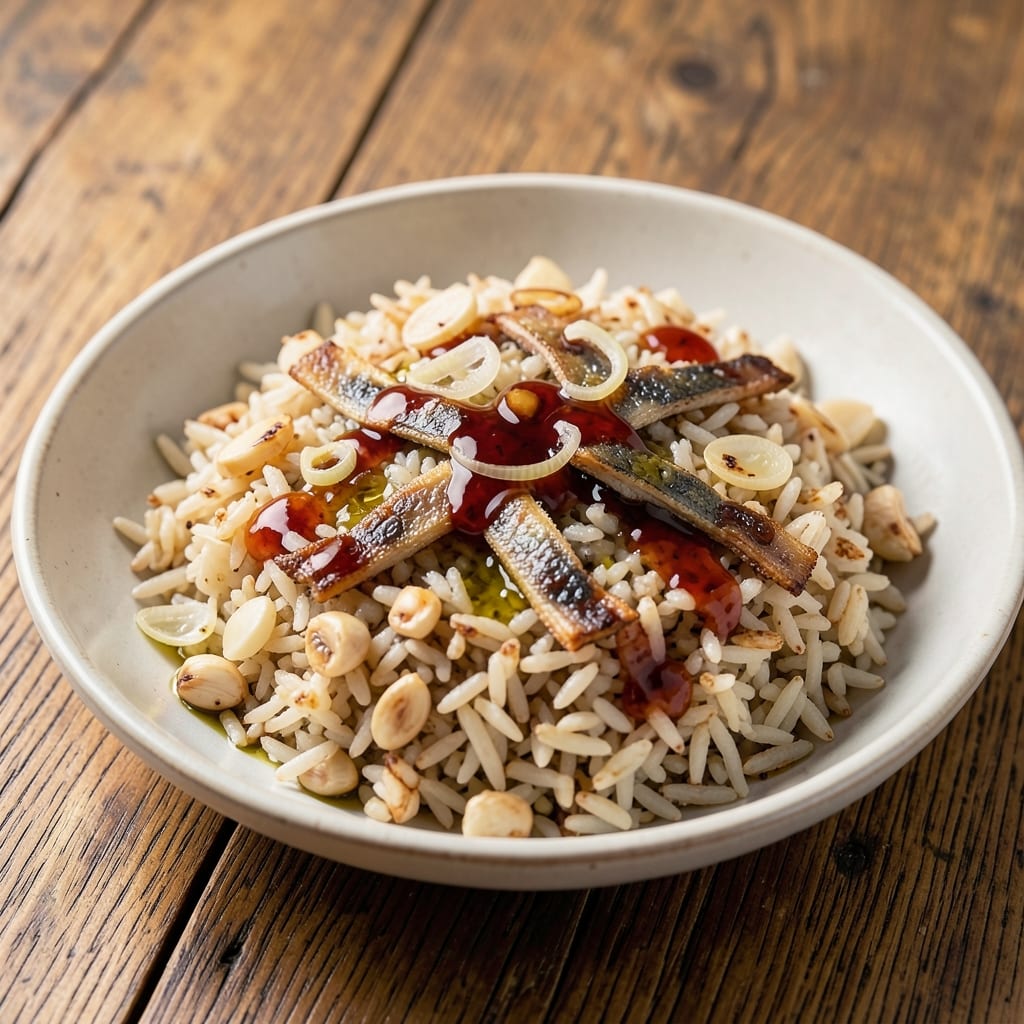
This anchovy rice recipe transforms simple grains into a bold, umami-rich dish that packs serious Mediterranean flair in just one pan. The secret lies in crispy toasted rice infused with garlic and anchovies, creating a flavor base that builds layers of savory complexity with every bite. I developed this after realizing how often anchovies get overlooked in home cooking—until you try them properly, that is.
The magic happens when you toast the rice until golden, then deglaze the pan with garlic and white wine, letting the anchovies dissolve into a salty, briny broth. This technique creates a rich, aromatic foundation that transforms ordinary rice into something restaurant-worthy. The dish delivers a perfect balance of textures—crispy edges, tender rice, and delicate anchovy crunch—all while being ready in under 30 minutes.
What you'll end up with is a dish that's equal parts comforting and sophisticated, where each forkful delivers layers of garlic, umami, and subtle saltiness. The anchovies add depth without overpowering, making this an ideal weeknight dinner that still feels special. Serve with grilled vegetables or a simple salad to round out the meal.
This recipe works beautifully with both short-grain and long-grain rice varieties, giving you flexibility for different textures. The method is simple yet transformative—perfect for anyone looking to elevate their rice game without complicated techniques. Let's get cooking!
Ingredients for anchovy rice
Twelve ingredients transform ordinary rice into restaurant-quality umami perfection with crispy edges and briny depth.
| Ingredient | Amount | Notes |
|---|---|---|
| Long-Grain White Rice 🍚 | 1 ½ cups | Uncooked, preferably jasmine or basmati |
| Anchovy Fillets 🐟 | ½ oz | High-quality, in oil preferred |
| Garlic Cloves 🧄 | 6 cloves | Fresh, thinly sliced |
| Dry White Wine 🍷 | ¼ cup | Sauvignon Blanc or Pinot Grigio |
| Extra-Virgin Olive Oil 🫒 | 2 tbsp | For toasting rice |
| Vegetable Broth 💧 | 1 cup | Low-sodium preferred |
| Lemon Juice 🍋 | 1 tbsp | Freshly squeezed |
| Fresh Parsley 🌿 | ¼ cup | Chopped, for garnish |
| Kosher Salt 🧂 | 1 tsp | Diamond Crystal preferred |
| Ground Black Pepper 🌶️ | ½ tsp | Freshly ground |
| Red Pepper Flakes 🌶️ | ½ tsp | Optional, for heat |
| Butter 🧈 | 1 tbsp | Unsalted, for finishing |
The anchovies are the star here—high-quality fillets in oil from Trader Joe's or Whole Foods make all the difference. Look for Italian or Mediterranean brands like Colavita or Contadina; the oil preserves their flavor. Fresh garlic is non-negotiable for this dish—roasted or jarred won't cut it. The white wine should be dry and crisp, like a Sauvignon Blanc or Pinot Grigio, to balance the umami without overpowering. For the rice, jasmine or basmati varieties toast beautifully, creating those crispy edges that elevate the dish. If you can't find them, long-grain white rice works in a pinch, though the texture will be slightly less luxurious.
No anchovies? High-quality fish sauce (like Red Boat) at half the amount can mimic the umami, though it lacks the delicate crunch. Running short on white wine? Dry vermouth or even extra vegetable broth works, though the flavor profile shifts slightly. Fresh parsley is ideal, but dried Italian parsley at one-third the amount suffices if needed. The butter at the end is crucial—unsalted ensures you control the seasoning. For extra depth, toast the garlic in the olive oil until golden brown before adding the rice; this builds complex, nutty flavors that transform the dish. The red pepper flakes are entirely optional but add a subtle heat that pairs beautifully with the anchovies' saltiness.
This dish tastes even better the next day as flavors meld—portion into airtight containers for easy reheating. Store cooked rice in the fridge for up to 5 days or freeze for 3 months by spreading it on a tray first to prevent clumping. The anchovy-infused rice reheats beautifully in a skillet with a splash of water or broth. For optimal freshness, keep your garlic and parsley in the fridge wrapped in damp paper towels—they'll stay vibrant for 5-7 days. The vegetable broth can be made ahead and frozen in ice cube trays for easy portioning later.
Why You'll Love This Recipe
- One-Pot Magic: I swear by this recipe because it’s all in one pan—no extra bowls, no extra mess. Just rice, anchovies, garlic, and wine simmering together until the grains are tender and the sauce clings perfectly. My weeknights thank me every time.
- Umami Bomb: That first bite? Chef’s kiss. The anchovies dissolve into the rice, leaving behind this deep, salty-sweet punch that makes plain white rice feel like a gourmet upgrade. Honestly, I’ve never met a rice dish that hits harder with so few ingredients.
- Weeknight to Weekend: Make a big batch on Sunday and eat it all week—it reheats beautifully and tastes just as good cold in salads. My kids beg for it after school, and my partner sneaks seconds at dinner. It’s the kind of dish that works for lazy nights and when I’m feeling fancy.
- Budget Powerhouse: Anchovies are dirt cheap, and a splash of wine elevates everything without breaking the bank. I’ve fed four people for under $10 with this, and the leftovers? Even better the next day. My wallet and my taste buds win.
Step-by-step instructions for anchovy rice
Master this one-pan technique for perfectly aromatic, umami-rich rice with deep garlic flavor.
Toast the Rice and Anchovies
Heat a heavy-bottomed skillet or deep pan over medium-high heat and add the 2 tablespoons extra-virgin olive oil. Once shimmering, add the 1.5 cups long-grain white rice and stir constantly for 3-4 minutes until the grains turn opaque and slightly translucent at the edges. This toasting step develops nutty flavor and prevents mushy rice.
Remove the pan from heat and add the 0.5 ounce anchovy fillets, breaking them into small pieces with a wooden spoon. Let the anchovies melt completely into the rice, creating a salty, savory base. Return the pan to medium heat and cook for another 1 minute to fully incorporate the anchovy flavor. Real talk: this step makes all the difference—skipping it results in bland rice.
Sauté the Garlic and Deglaze
Add the 6 cloves thinly sliced garlic and 0.5 teaspoon red pepper flakes (if using) to the pan, stirring constantly for 30-45 seconds until the garlic turns golden and fragrant. You'll smell that irresistible garlic aroma—this is when the magic happens. Immediately pour in the 0.25 cup dry white wine, scraping up any browned bits from the bottom of the pan with a wooden spoon. Let the wine simmer for 1-2 minutes until mostly evaporated.
Here's the thing—those browned bits contain concentrated flavor. Don't miss this deglazing step. The wine reduces quickly, so keep your eye on the pan. If you add the broth too soon, the rice won't toast properly.
Cook the Rice in Broth
Pour in the 1 cup vegetable broth and 1 teaspoon kosher salt, stirring once to distribute evenly. Bring to a gentle simmer, then reduce heat to low. Cover the pan with a tight-fitting lid and cook for 15 minutes without disturbing. The rice needs undisturbed cooking time to absorb the liquid evenly and develop proper texture.
After 15 minutes, check the rice. It should be tender but still slightly firm in the center. If it looks dry, add 2-3 tablespoons water and cook another 5 minutes covered. If it's still too firm, add more liquid in small increments—you want perfectly cooked rice, not undercooked or mushy.
Finish with Butter and Lemon
Once the rice is tender, remove the pan from heat and stir in the 1 tablespoon butter and 1 tablespoon lemon juice. The butter adds richness while the lemon brightens the dish, cutting through the umami intensity. Let the rice sit covered for 5 minutes to steam and finish cooking.
I know it seems counterintuitive to add acid at the end, but this balances the dish perfectly. The lemon juice also prevents the rice from becoming too heavy. Fluff the rice gently with a fork before serving to separate the grains and incorporate all the flavors.
Garnish and Serve
Transfer the rice to serving plates and garnish with the 0.25 cup chopped fresh parsley and a final sprinkle of 0.5 teaspoon ground black pepper. The parsley adds freshness while the pepper enhances the overall flavor profile. Serve immediately while the rice is hot and the aromas are at their peak.
Each bite should deliver a perfect balance of garlicky, umami-rich rice with bright lemon notes. This dish pairs beautifully with grilled fish, roasted vegetables, or as a standalone appetizer. The secret lies in the anchovy-toasted base and proper cooking technique—don't rush these steps.
Pro Tips For Making Anchovy Rice
- CRUSH THE ANCHOVIES FIRST: Toss the fillets in a mortar with a pinch of salt and a splash of olive oil—this breaks them down into a paste that melts into the rice instead of sitting as chewy chunks. I used to just chop them, but now I swear by this method for that deep, salty richness.
- SWEAT THE GARLIC LOW: Cook the garlic in olive oil at medium-low until it’s golden, not brown—this prevents bitterness and makes sure the flavor infuses the wine and rice evenly. After burning two batches, I finally realized patience here pays off.
- DEGLAZE WITH WINE HEAT: Pour in the white wine after the garlic’s done sweating, then immediately bring it to a simmer—this ensures the alcohol burns off and the acidity cuts through the anchovy saltiness. Skip the simmer, and you’ll end up with a boozy, underdeveloped sauce.
- USE LESS RICE THAN YOU THINK: Anchovy rice is dense—measure the rice as if you’re making half the portion, then cook it in the broth. The anchovies and wine add moisture, so overcrowding leads to mushy grains. Trust me, it’s better to have leftovers than sad rice.
Pro cooking tips for great anchovy rice
Toast the Rice Properly
This is the foundation of flavor—don’t skip it! Use a heavy-bottomed pan (like All-Clad or Le Creuset) to prevent hot spots. Toast the rice over medium-high heat for 3-4 minutes until it’s opaque and slightly translucent. Stir constantly to avoid burning, and listen for that satisfying crackle as the grains begin to toast. 🔥
For extra depth, I like to add the anchovies off-heat so they melt completely into the rice without burning. This creates a salty, umami base that transforms the dish. If you’re using jasmine rice, toast it a bit longer—it has a higher starch content and needs that extra time to develop crispy edges.
Garlic Timing Matters
Add the 6 cloves of sliced garlic only after the rice has toasted—this prevents burning. Cook for 30-45 seconds until golden and fragrant, but never let it brown or it’ll turn bitter. The key is constant stirring to distribute the garlic evenly. Pro tip: Use a microplane to slice the garlic paper-thin for maximum surface area and flavor infusion.
Deglaze immediately with the white wine while the garlic is still hot. This step captures all those flavorful browned bits (fond) that would otherwise stick to the pan. Let the wine reduce by half before adding the broth—this concentrates the garlic flavor beautifully.
Broth Ratio Precision
Use 1 cup vegetable broth for 1.5 cups uncooked rice—this is a 1:2 ratio, which works perfectly for most long-grain varieties. If your rice absorbs too quickly, add 2-3 tablespoons water in small increments rather than dumping it all at once. The goal is tender but slightly firm rice with a slight bite.
Resist the urge to peek under the lid while cooking! Every time you lift it, steam escapes, and the rice won’t cook evenly. If you’re unsure, err on the side of slightly undercooked—it’ll finish steaming after you remove it from heat.
Butter and Lemon Finish
Stir in the 1 tablespoon butter and 1 tablespoon lemon juice while the rice is still hot. The butter coats each grain, adding richness, while the lemon brightens the dish and cuts through the umami. Let the rice sit covered for 5 minutes—this resting time ensures even cooking and prevents a gummy texture. 🍋
Fluff the rice gently with a fork before serving. This separates the grains and redistributes the flavors. For extra restaurant-style presentation, press the rice into a ring mold (like Nordic Ware) to create a crispy crust on the edges.
Anchovy Substitutions
No anchovies? High-quality fish sauce (like Red Boat) works in a pinch—use ½ teaspoon and add it with the broth. For a vegetarian option, ½ teaspoon soy sauce or 1 teaspoon miso paste can mimic some of the umami, though the flavor will differ. If you’re using anchovy paste, start with ¼ teaspoon and adjust to taste.
For a smoky twist, add ½ teaspoon smoked paprika with the garlic. This complements the anchovies beautifully and adds depth without overpowering. Always taste as you go—anchovies are salty, so balance is key!
Nutrition facts
Frequently asked questions
Can I use any type of rice for this recipe?
While this recipe works with most long-grain rice varieties, jasmine or basmati are ideal—they toast beautifully and maintain a slight texture. For extra flavor, try arborio rice (common in risotto), though it'll be creamier. Avoid short-grain rice like sushi rice, as it tends to get mushy when cooked this way.
What if I don't like anchovies? Are there good substitutes?
No problem! For umami depth, use ½ teaspoon high-quality fish sauce (like Red Boat) with the broth. Vegetarians can try ½ teaspoon soy sauce or 1 teaspoon miso paste—though the flavor will differ. For a smoky alternative, add ½ teaspoon smoked paprika with the garlic. Always taste as you go—anchovies are salty, so balance carefully!
Why does the rice need to toast first?
Toasting develops nutty, crispy edges that transform bland rice into flavor-packed grains. This step also prevents mushy texture by creating a protective barrier on each kernel. The anchovies melt into this toasted base, creating a salty, umami-rich foundation. Skipping it results in softer rice with less depth of flavor.
Can I make this ahead of time?
Yes! This dish tastes even better the next day as flavors meld. Store in an airtight container in the fridge for up to 5 days or freeze for 3 months (spread on a tray first to prevent clumping). Reheat in a skillet with a splash of water or broth. For best texture, serve within 2 days of cooking.
What's the best way to serve this anchovy rice?
This versatile dish works as a main course or side. Pair with grilled fish (like sea bass), roasted vegetables, or a simple mixed greens salad. For a Mediterranean twist, serve with olives and crusty bread. The bright lemon and parsley garnish make it perfect for summer meals while the umami depth satisfies winter cravings.