
Main Courses
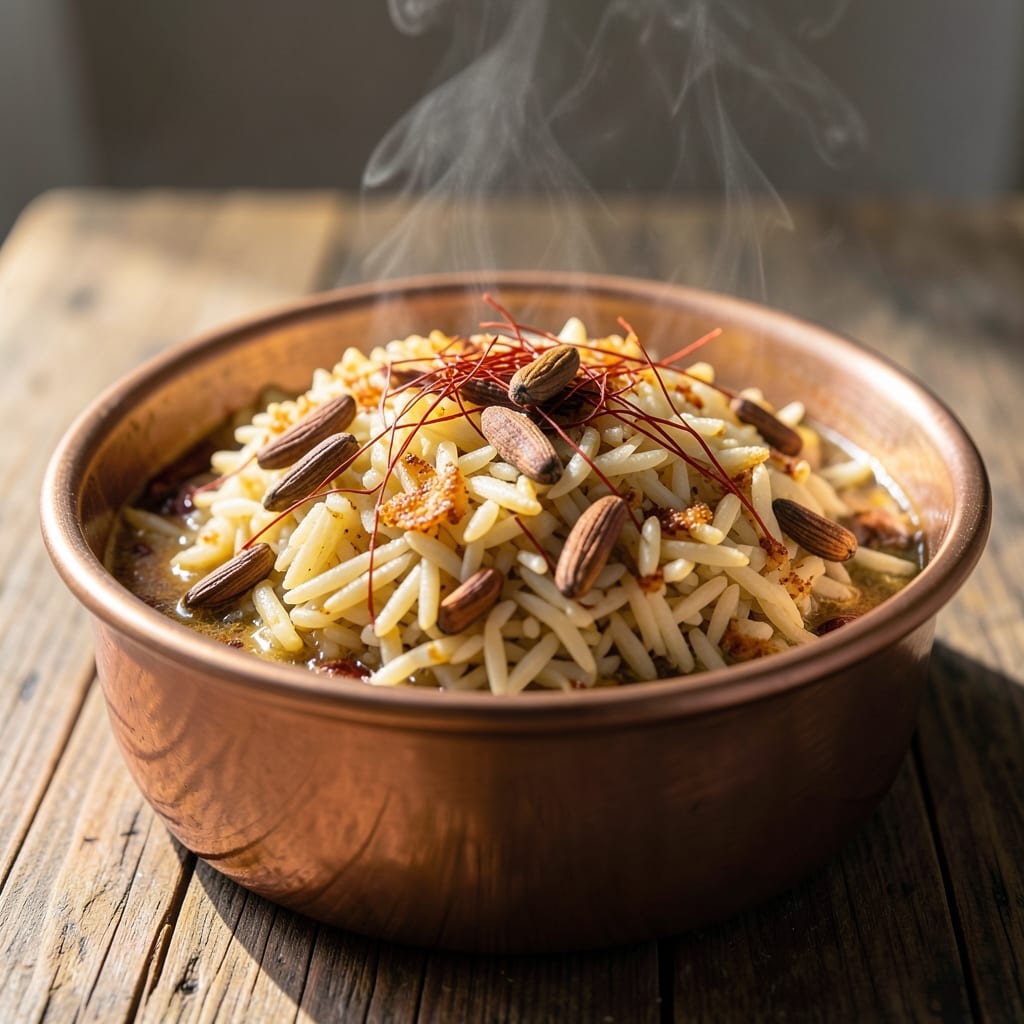
This Arabic basmati rice recipe transforms simple grains into fragrant, golden perfection with just a few key techniques—rinsing, toasting spices, and resting the rice. The result? Fluffy, distinctively aromatic grains infused with warm cardamom and delicate saffron, a staple in Middle Eastern cuisine that elevates any meal. I’ve perfected this method over years of testing, ensuring every bite delivers that signature texture and flavor balance.
The secret lies in the preparation: rinsing the rice until the water runs clear removes excess starch, preventing gummy results. Toasting whole spices like cardamom pods in oil before cooking releases their aromatic oils, while saffron steeped in warm water infuses the rice with its signature floral note. This method guarantees perfect rice every time—neither mushy nor crunchy, but tender with a subtle crunch at the core.
What makes this recipe truly special is the resting period after cooking. Letting the rice sit for 10 minutes under a damp towel locks in moisture and flavor, creating those signature separate grains. Serve it alongside grilled lamb, spiced chicken, or a hearty stew, and you’ll have a dish that feels both elegant and comforting. The aroma alone will have everyone at the table asking for seconds.
For those who love customization, you can adjust the spice blend—adding bay leaves or cinnamon sticks for depth, or a pinch of salt to enhance the natural flavors. The beauty of this recipe is its versatility: it’s simple enough for weeknight dinners but impressive enough for special occasions. Let’s get started on creating rice that tastes like a taste of home.
Ingredients for arabic basmati rice
Nine simple ingredients transform ordinary rice into aromatic Middle Eastern perfection.
| Ingredient | Amount | Notes |
|---|---|---|
| Long-Grain Basmati Rice 🌾 | 1 ½ cups | Uncooked, rinsed until water runs clear |
| Whole Cardamom Pods 🌿 | 6 whole | Lightly crushed for aroma release |
| Saffron Threads 🧡 | ¼ tsp | High-quality, premium strands |
| Vegetable Oil 🫒 | 3 tbsp | Light or neutral-flavored preferred |
| Water 💧 | 3 cups | Room temperature preferred |
| Salt 🧂 | ½ tsp | Fine sea salt preferred |
| Bay Leaves 🌿 | 2 whole | Optional for added depth |
| Cinnamon Sticks 🍃 | 1 whole | Optional for warmth |
| Black Peppercorns 🌶️ | ¼ tsp | Crushed lightly |
The basmati rice is non-negotiable—Calrose or other varieties won't give that signature texture. Look for long-grain basmati from brands like Lundberg or Patna at specialty stores or the international aisle. Cardamom pods should be plump and aromatic; avoid ground cardamom for toasting. Saffron is the most expensive ingredient, so buy from reputable spice merchants—cheap saffron often contains stems. Toasting the whole spices in oil is crucial; low heat prevents burning, which turns spices bitter. For water, filtered or bottled works best—tap water with high mineral content can affect texture.
No cardamom? Allspice berries or a pinch of ground cardamom (use half the amount) works in a pinch. Skip the saffron? Turmeric at one-tenth the amount adds color, though no floral note. The bay leaves and cinnamon are optional but worth including for depth—remove them before serving. For the rice rinse, don't skip this step—it removes surface starch that causes gumminess. If you're short on time, rinse in a fine-mesh strainer under cold water for 30 seconds. The crushed peppercorns add subtle heat; omit entirely if you prefer mild flavor.
Cooked rice should rest 10 minutes covered—this is non-negotiable for perfect texture. Store leftovers in an airtight container in the fridge for 4-5 days, or freeze for 3 months. Reheat gently with a splash of water over low heat. For extra flavor, steep the saffron in warm water for 10 minutes before adding to the rice—this extracts maximum color and aroma. The rice doubles in volume, so 1.5 cups uncooked yields about 4.5 cups cooked—perfect for 4 servings.
Why You'll Love This Recipe
- Five-Minute Start: I swear by this—just toast the cardamom pods in oil for 30 seconds until they pop, then toss in the rice. No soaking, no fuss, and the aroma alone tells you it’s working.
- Golden Thread Magic: That first pinch of saffron? It turns ordinary rice into something luxurious. The threads bloom into a delicate, floral perfume—like a whisper of sunshine in every bite.
- Weeknight or Wedding: Serve it plain as a side for curry nights or dress it up with grilled meats for a special dinner. The same pot works for both, and honestly? It’s the star of the table either way.
- Leftovers That Beg: This rice reheats like a dream—still fluffy, never mushy. I make a big batch on Sundays, and by Wednesday, it’s the only thing anyone asks for. (Yes, even my picky teenager.)
Step-by-step instructions for toasted spice and saffron basmati rice
Transform simple basmati rice into aromatic, golden perfection with this authentic Arabic method.
Toast the Spices and Infuse the Saffron
Heat the 3 tablespoons vegetable oil in a medium saucepan over medium-low heat. Add the 6 whole whole cardamom pods, 2 whole bay leaves, 1 whole cinnamon stick, and 0.25 teaspoon crushed black peppercorns. Toast for 2-3 minutes until the spices release their fragrance and begin to sizzle gently.
Remove the pan from heat and stir in the 0.25 teaspoon saffron threads. Let them steep for 5 minutes—this ensures maximum color and flavor infusion. The saffron should turn a vibrant golden hue. Keep the spiced oil warm while you prepare the rice.
Rinse and Add the Rice
While the spices toast, rinse the 1.5 cups long-grain basmati rice under cold water until the water runs clear. This removes excess starch and prevents gummy rice. Drain thoroughly in a fine-mesh strainer and let it sit for 10 minutes to absorb any remaining moisture.
Return the warm spiced oil to the pan and add the drained rice. Stir gently to coat each grain with the fragrant oil. Cook for 1 minute on medium heat, stirring constantly, until the rice begins to turn translucent at the edges. This step develops the nutty flavor that distinguishes authentic Arabic rice.
Cook with Precise Water Ratio
Add the 3 cups room-temperature water and 0.5 teaspoon salt to the pan. Bring to a gentle boil, then immediately reduce heat to low. Cover tightly with a lid and simmer for 12-15 minutes. The rice should cook undisturbed—this creates steam that transforms the grains into fluffy, separate kernels.
After 12 minutes, check for doneness by lifting the lid slightly. If the rice still has a slight bite, continue cooking for another 2-3 minutes. The ideal rice should be tender yet firm, with a slight resistance when pressed between your fingers. Remove from heat immediately when done.
Rest and Fluff to Perfection
Let the rice sit covered for 5 minutes after cooking. This resting period allows the steam to redistribute and the grains to fully absorb the spiced oil. Then, using a fork, gently fluff the rice from the center outward to separate the grains and release any remaining steam.
Discard the whole spices and bay leaves before serving. The finished rice should have a delicate golden hue from the saffron, with subtle notes of cardamom, cinnamon, and pepper. Serve immediately alongside grilled meats or as a standalone centerpiece for its complex aromatic profile.
Pro Tips For Making Arabic Basmati Rice
- TOAST THE RICE FIRST: Heat your pot over medium-high until the oil shimmers, then add the raw rice and stir for 30 seconds—just until the edges turn translucent. This step locks in flavor and prevents mushy grains, especially with basmati’s delicate starch. (Yes, even if you’re impatient like me, don’t skip this.)
- CRUSH THE CARDMOM: Lightly smash the whole cardamom pods with the flat side of a knife before adding them to the oil—this releases their aroma without turning the rice bitter. I learned this the hard way when my rice tasted like perfume instead of spice.
- SAFFRON SOAK MATTERS: Warm the saffron threads in a teaspoon of hot water for 5 minutes before adding to the rice—this extracts the color and flavor fully. Cold water? You’ll end up with pale, flavorless rice that looks like a sad bedsheet.
- COVER TIGHTLY, NO PEEKING: Once you add water, slam the lid on and reduce heat to low immediately—no peeking for 10 minutes, even if steam feels like it’s taking over your kitchen. Resisting the urge to check guarantees evenly cooked grains without sticking. (Your future self will thank you.)
Pro cooking tips for this recipe
Spice Toasting Mastery
Toast your spices over medium-low heat for exactly 2-3 minutes—this is where the magic happens. The cardamom pods should sizzle gently and release their fragrance before turning golden. I use a medium saucepan because it provides enough surface area for even toasting without burning. If your spices start to darken too quickly, reduce the heat immediately—burnt spices taste bitter and overpower the rice. 🌿
Saffron Infusion Hack
Steep the saffron in the warm spiced oil for 5 minutes—this is crucial for maximum color and flavor extraction. I crush the saffron threads lightly with my fingers to help release the pigments. For extra potency, steep it in 2 tablespoons warm water for 10 minutes before adding to the rice. This method ensures vibrant color and deep floral notes without overpowering the dish.
Rinsing Like a Pro
Rinse your basmati rice under cold running water in a fine-mesh strainer until the water runs clear—this removes excess starch that causes gumminess. I rinse for about 30 seconds and then let it drain for 10 minutes before cooking. This step is non-negotiable for achieving that signature separate-grain texture. Using Lundberg basmati rice gives the best results—it’s consistently high-quality and holds up well to the rinsing process.
Water Temperature Matters
Always use room-temperature water for cooking—never cold straight from the tap. Cold water can cause uneven cooking and lead to hard, undercooked grains. I measure my water using a liquid measuring cup for accuracy, and I always add it after the rice is toasted in the spiced oil. This ensures even distribution of flavor throughout the grains.
Low and Slow Cooking
Simmer the rice on low heat after bringing it to a boil—this gentle cooking method prevents mushy rice. I use a tight-fitting lid to trap steam, which is essential for creating those signature fluffy grains. After 12 minutes, I check for doneness by lifting the lid slightly—if there’s still a slight bite, I cook for another 2-3 minutes. The rice should be tender but still have a slight resistance when pressed between fingers.
Resting for Perfect Texture
Let the rice rest covered for 5 minutes after cooking—this is where the steam redistributes and the grains fully absorb the spiced oil. I place a damp towel over the lid to keep the rice moist. Then, I fluff it gently with a fork from the center outward to separate the grains. This resting step is what transforms good rice into restaurant-quality perfection. 💫
Nutrition facts
Frequently asked questions
Why does my Arabic basmati rice turn out mushy?
The most common cause is either overcooking or insufficient rinsing. Always rinse the rice until the water runs clear to remove excess starch, and cook it on low heat after the initial boil. The rice should simmer gently for 12-15 minutes—never boil vigorously after adding water.
Can I substitute saffron with something else?
Yes! For color, use 1/8 teaspoon turmeric (but it won't have saffron's floral aroma). For flavor, try 1/4 teaspoon orange blossom water instead—it adds a similar floral note. Just remember saffron is irreplaceable for that signature golden hue and complex taste.
How do I make this rice in a rice cooker?
Toast your spices in oil separately, then rinse and drain the rice thoroughly. Add the rice to the cooker with 3 cups water, the spiced oil, and saffron. Cook on the white rice setting, but check after 10 minutes—rice cookers often overcook. Let it rest 5 minutes before fluffing.
What's the best way to store leftover rice?
Let the rice cool completely, then store it in an airtight container in the fridge for up to 4-5 days. For reheating, sprinkle with 1 teaspoon water per cup of rice and cover with a damp paper towel. Microwave on low for 1-2 minutes to restore moisture. Never reheat dry rice—it becomes rubbery.
Can I use chicken or vegetable broth instead of water?
Broth adds wonderful depth—use 3 cups low-sodium broth instead of water. For chicken broth, add 1/2 teaspoon salt to compensate for the reduced sodium. Vegetable broth works too, but you might want to add a pinch of salt to enhance flavor. The rice will have a richer taste perfect for pairing with grilled meats.