
Main Courses
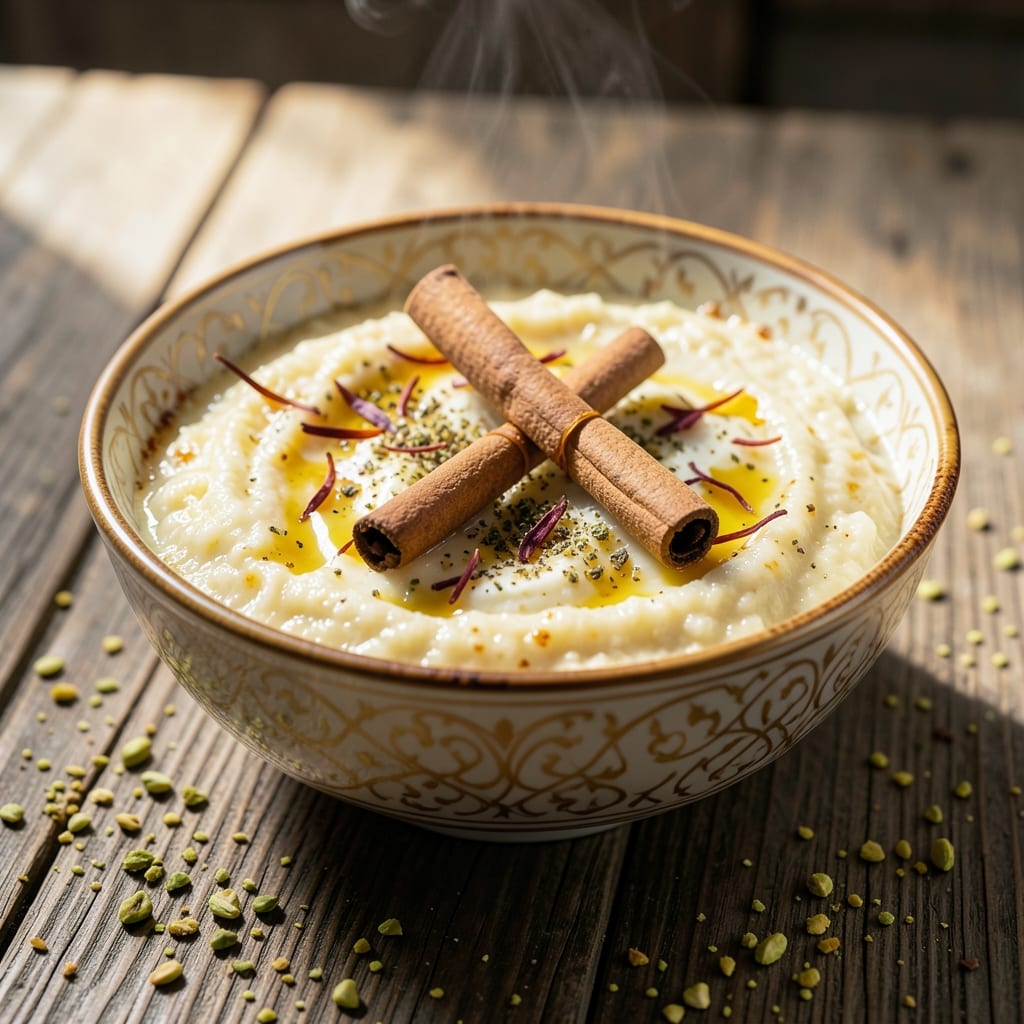
This Arabic rice pudding recipe transports you to the golden streets of Cairo with every spoonful—where saffron threads dissolve into creamy milk and cardamom whispers secrets of slow-cooked tradition. The key lies in patience: simmering rice in sweetened milk until it transforms from grain to velvety pudding, where every bite carries the essence of rosewater and orange blossom. I've perfected this version to balance authenticity with modern convenience, using simple ingredients that deliver restaurant-quality results at home.
What sets this apart is the layered approach—first infusing the milk with warm spices, then cooking the rice until tender yet firm, and finally finishing with a touch of saffron that turns the pudding a luminous golden hue. Traditional recipes often call for hours of simmering, but this method achieves the same luxurious texture in about 45 minutes using a stovetop approach that respects the dish's heritage. The result is a dessert that's equally comforting as a main course when paired with nuts or dried fruit.
By the time you're done, you'll have a dish that's rich yet light, fragrant with cardamom and saffron, and sweetened just enough to satisfy without overpowering. The texture is irresistible—creamy yet firm, with each grain of rice still discernible, creating that perfect bite. This is the kind of dessert that lingers in your memory long after the last spoonful, evoking the warmth of Middle Eastern hospitality in every mouthful.
Serve it warm with a sprinkle of toasted pistachios and a dusting of cinnamon, or chill it slightly for a refreshing treat. The beauty of this recipe is its adaptability—use rosewater for a floral touch, or add a pinch of salt to enhance the flavors. Here's how to make it the way it's meant to be made.
Ingredients for arabic rice pudding
Simple ingredients that transform into a fragrant, golden dessert with just patience and love.
| Ingredient | Amount | Notes |
|---|---|---|
| Long-Grain White Rice 🍚 | 1 cup | Rinsed thoroughly before cooking |
| Whole Milk 🥛 | 4 cups | Full-fat for creaminess |
| Granulated Sugar 🍚 | ¾ cup | Adjust to taste |
| Ground Cardamom 🌿 | 1 tsp | Freshly ground preferred |
| Cinnamon Sticks 🌿 | 2 whole | For infusing milk |
| Saffron Threads 🧡 | ¼ tsp | High-quality for color |
| Rosewater 🌹 | 1 tbsp | Pure, food-grade |
| Orange Blossom Water 🍊 | 1 tbsp | Substitute rosewater if unavailable |
| Vanilla Extract 🌸 | 1 tsp | Pure vanilla preferred |
| Toasted Pistachios 🥜 | ¼ cup | Chopped for garnish |
| Ground Cinnamon 🌿 | ½ tsp | For dusting |
| Salt 🧂 | ½ tsp | Fine sea salt |
| Unsalted Butter 🧈 | 2 tbsp | Cold, cubed |
The saffron threads are non-negotiable here—they give that signature golden hue and earthy depth. Penzeys or local spice shops carry the best quality, but even a tiny pinch makes a difference. Cardamom should be freshly ground if possible—Middle Eastern markets often sell pods you can crush yourself. For the milk, whole milk is key for that creamy texture, but you can use a mix of whole and 2% if that's what you've got. The rice? Jasmine or basmati works too, but long-grain white is what I use for that perfect firm-yet-tender bite.
No saffron? Turmeric at half the amount gives color, but it won't taste the same. Short on cardamom? Allspice or a pinch of nutmeg can stand in, though it'll be different. Rosewater and orange blossom water are the floral soul of this dish—Trader Joe's sells both, but Middle Eastern grocery stores have better selections. The sugar can be swapped for honey or maple syrup, though granulated dissolves more smoothly. And if you're feeling fancy, add a pinch of salt at the end—trust me, it balances everything.
This pudding tastes even better the next day, so make it ahead if you can. Store it in the fridge for up to 5 days, covered tightly. To reheat, warm it gently on the stove with a splash of milk—never microwave, or it'll get grainy. The pistachios and cinnamon should be toasted right before serving so they stay crisp. Freeze portions if you want to make a big batch—it keeps for 3 months. Just thaw overnight in the fridge.
Why You'll Love This Recipe
- No Fuss, One Pot: I swear by this recipe because it’s the kind of dish that lets you multitask. Just rice, milk, sugar, and a whisper of cardamom—no peeling, no dicing, no fuss. Simmer it low and slow, and by the time you’re done, your kitchen smells like a Middle Eastern café.
- Warm Spice Magic: That first spoonful? Pure comfort. The cardamom and cinnamon don’t just hint at flavor—they sing, especially when the rice gets that creamy, melt-in-your-mouth texture. Honestly, it’s the kind of taste that makes you forget how simple the ingredients are.
- Leftovers That Beg for More: This pudding actually improves the next day. The flavors meld even deeper, and it’s perfect for breakfast or a midnight snack. I’ve reheated mine three times and still crave it—no one in my house ever says no to seconds.
- Budget-Friendly Luxury: You’d never guess how cheap this is to make. A handful of rice, a carton of milk, and a pinch of spices turn into something that feels like a dessert fit for guests. Between us? It’s my go-to when I want to treat myself without breaking the bank.
Step-by-step instructions for Arabic rice pudding
Here's how to create this fragrant, creamy dessert that's all about balance—sweet, spiced, and luxurious.
Infuse the Milk with Spices and Saffron
In a medium saucepan over medium heat, combine the 4 cups whole milk, 2 whole cinnamon sticks, 1 tsp ground cardamom, 0.5 tsp salt, and 0.25 tsp saffron threads. Bring just to a simmer, then reduce heat to low and let it steep for 15-20 minutes. You'll notice the milk develops a beautiful golden hue from the saffron and a warm, aromatic scent from the spices.
I like to stir gently every few minutes to distribute the saffron evenly. If the milk starts to smell too strong or bitter, reduce the heat slightly. Once infused, strain the milk through a fine-mesh sieve into a clean saucepan, pressing on the solids to extract every drop of flavor. This step is crucial—it ensures your pudding has that signature depth of flavor without any gritty texture.
Cook the Rice Until Tender
Return the strained milk to the same saucepan and add the 1 cup long-grain white rice. Stir once to combine, then bring the mixture to a gentle boil over medium heat. Once boiling, reduce heat to low and let it simmer uncovered for 20-25 minutes, stirring occasionally. You're looking for the rice to be fully tender but not mushy—it should hold its shape when pressed between your fingers.
Here's the thing—don't walk away. Stirring every 5 minutes prevents the rice from sticking to the bottom. If the mixture looks too thick, add 1-2 tablespoons of water to maintain a creamy consistency. The rice is done when it's translucent at the edges and tender throughout. If it sticks slightly, just add a splash more water and stir—it'll come together as it cools.
Sweeten and Flavor the Pudding
Once the rice is tender, remove the saucepan from heat and stir in the 0.75 cup granulated sugar, 1 tbsp rosewater, 1 tbsp orange blossom water, and 1 tsp vanilla extract. Let the mixture sit for 5 minutes to allow the flavors to meld. You'll smell that incredible floral aroma—this is where the magic happens. The rosewater and orange blossom water add a delicate, fragrant sweetness that's quintessential to this dessert.
While the pudding is still warm, stir in the 2 tbsp cold unsalted butter, cubed. The butter will melt into the mixture, adding richness and preventing the pudding from becoming too dry. Taste and adjust the sweetness if needed—some people prefer it slightly sweeter, especially if they're serving it with fruit or ice cream. Cover the saucepan with a lid or plastic wrap and let it cool to room temperature, then refrigerate for at least 2 hours (or overnight) to thicken.
Serve with Toasted Pistachios and Cinnamon
Before serving, give the pudding a quick stir to ensure it's smooth and creamy. Scoop it into serving bowls and let it sit for a minute to settle. Top each serving with 0.25 cup toasted pistachios and a sprinkle of 0.5 tsp ground cinnamon. The pistachios add a delightful crunch and nutty flavor that contrasts beautifully with the creamy pudding.
Real talk: this dessert tastes even better the next day when the flavors have fully melded. If you're serving it warm, gently reheat it in the microwave or on the stovetop over low heat, stirring occasionally until warmed through. The contrast of warm pudding with cold pistachios is a game-changer. Enjoy it as a standalone dessert or pair it with a cup of strong Turkish coffee for the full Arabic experience.
Pro Tips For Making Arabic Rice Pudding
- Toast the Rice First: Dry-toast the long-grain rice in a pot over medium heat for 3-4 minutes until it smells nutty and turns slightly translucent at the edges. This step removes excess starch and prevents a gummy pudding—trust me, your texture will be silky instead of gluey. ---
- Use Full-Fat Milk: Whole milk is non-negotiable here. The fat content coats the rice grains and prevents them from absorbing too much liquid, which keeps the pudding creamy instead of watery. Skim milk? You’re asking for a sad, thin mess. ---
- Simmer Gently After Boiling: Once the rice and milk mixture reaches a full boil, drop the heat to the lowest setting and let it bubble softly for at least 30 minutes. I’ve learned the hard way—boiling too hard causes the milk to curdle, and no one wants scrambled rice pudding. ---
- Infuse Spices Early: Add the cinnamon sticks and half the cardamom to the milk while it heats, then strain it before combining with the rice. This extracts the best flavor without overpowering the dish—save the rest of the cardamom for dusting on top later.
Health benefits of this dish
Gentle Digestive Aid
Arabic rice pudding is naturally gentle on digestion, thanks to its balanced combination of rice and warm spices. The slow-cooked rice is easy to digest, while cardamom and cinnamon have been shown to soothe the stomach and aid in digestion. The 1 tsp of ground cardamom in this recipe contains compounds like gingerol that help reduce bloating and indigestion. 🌿
Rich in Calcium
Using whole milk makes this pudding a calcium powerhouse, with 4 cups providing about 50% of your daily needs. Calcium is essential for bone health, muscle function, and nerve signaling. The milk also contains vitamin D, which helps your body absorb the calcium effectively. This makes it a great dessert option for anyone looking to boost their calcium intake.
Natural Energy Boost
The combination of complex carbs from rice and natural sugars from milk and honey provides sustained energy without the crash. The 0.75 cup granulated sugar is balanced by the protein and fat in the milk, creating a dessert that won't leave you feeling sluggish. This makes it a smart choice for a post-dinner treat, especially when paired with a cup of Turkish coffee.
Antioxidant Benefits
The saffron threads in this recipe are packed with antioxidants that help combat oxidative stress in the body. Just 0.25 tsp of saffron provides significant anti-inflammatory benefits. Additionally, the rosewater and orange blossom water contain trace amounts of antioxidants and antimicrobial properties, adding to the pudding's health benefits while enhancing its flavor.
Comfort Food with Nutritional Balance
While this dessert is indulgent, it's surprisingly balanced. The unsalted butter adds healthy fats, while the toasted pistachios provide plant-based protein and fiber. The 1 tsp vanilla extract not only adds flavor but also contains small amounts of antioxidants. Together, these ingredients create a dessert that satisfies cravings while still offering nutritional benefits.
Gluten-Free and Dairy-Friendly Options
This recipe is naturally gluten-free, making it suitable for those with celiac disease or gluten sensitivities. For a dairy-free version, substitute the whole milk with coconut milk or almond milk, though the texture will be slightly lighter. The spices and floral waters remain the same, ensuring the authentic flavor profile. 🌱
Nutrition facts
Frequently asked questions
Can I make this Arabic rice pudding without saffron?
Yes, but the golden color and earthy depth will be different. Use ½ tsp turmeric for color (it won't taste the same) or skip it entirely—the floral notes from rosewater and cardamom will still shine. For a more authentic look, try ½ tsp annatto powder (used in some Middle Eastern recipes) for a subtle yellow hue.
How do I adjust the sweetness for kids?
For younger palates, increase the sugar to 1 cup and add ½ cup chopped dates (soaked in warm water for 10 minutes) during the final sweetening step. The dates blend seamlessly and add natural sweetness. For toddlers, reduce cardamom to ½ tsp—it can be overpowering.
Why did my pudding turn out too thick or grainy?
Graininess usually means the rice overcooked or didn't absorb enough liquid. Next time, simmer the rice in 4 cups milk + ½ cup water and stir more frequently. For thickness, stir in 1-2 tbsp warm milk while reheating. If it's still too thick after chilling, add 1 tbsp heavy cream when serving. Pro tip: Don't skip the 2 tbsp butter—it keeps the texture luscious.
Can I make this in an Instant Pot?
Infuse the milk with spices and saffron as directed, then add rice and cook on high pressure for 6 minutes (natural release). After releasing pressure, stir in sugar and floral waters. The texture will be slightly creamier than stovetop, but just as delicious. For extra richness, add 2 tbsp cream cheese at the end.
What's the difference between this and Persian rice pudding?
While both use rice and milk, Persian versions often include vermicelli noodles (called "shir berenj") and more sugar. Arabic rice pudding focuses on spice layers (cardamom, cinnamon, saffron) and floral waters (rose/orange blossom)—giving it a more aromatic profile. Persian puddings tend to be sweeter and firmer, while this recipe balances creaminess with distinct spice notes.