
Main Courses
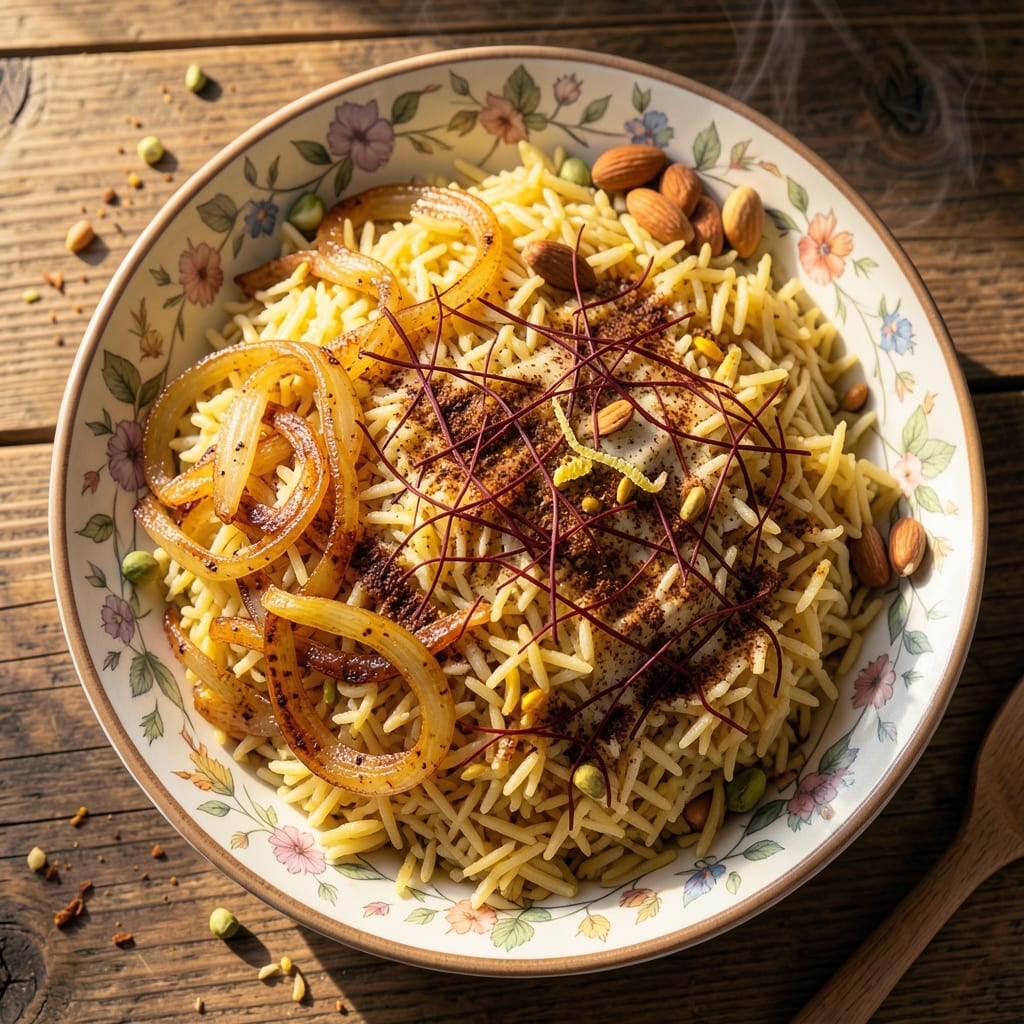
This Arabic saffron rice recipe transforms simple grains into a fragrant, golden masterpiece that steals every meal. The secret lies in slow-toasting whole spices—cinnamon, cardamom, and turmeric—that infuse the rice with warm, earthy depth before the saffron threads dissolve into liquid silk. I first discovered this technique in a Moroccan kitchen where rice wasn't just a side, but the centerpiece of the plate.
The process begins with blooming spices in oil until they perfume the air, then simmering them with garlic and onions to build flavor. Saffron, steeped in warm water, releases its floral magic just before the rice absorbs the aromatic broth. This method ensures each grain stays separate yet infused with that signature golden hue and complex spice harmony that defines Middle Eastern cuisine.
What you'll achieve is restaurant-quality rice with crispy bottom edges, fragrant steam, and a delicate saffron color that's impossible to resist. The spices create layers of warmth—cinnamon's sweetness, cardamom's citrusy bite, and saffron's floral elegance—while the texture remains perfectly tender. This is the kind of rice that makes guests pause mid-bite to appreciate its depth.
Serve it alongside grilled lamb, spiced chicken, or as a standalone dish with yogurt and pickles. The recipe scales beautifully for gatherings, and the leftovers reheat perfectly. Let's create this aromatic centerpiece that belongs at every table.
Ingredients for arabic saffron rice
Transform simple grains into a fragrant, golden masterpiece with these aromatic ingredients.
| Ingredient | Amount | Notes |
|---|---|---|
| Basmati Rice 🍚 | 1 ½ cups | Long-grain, uncooked, rinsed thoroughly |
| Saffron Threads 🌼 | ¼ tsp | High-quality, food-grade preferred |
| Ground Cinnamon 🌿 | ½ tsp | Freshly ground for optimal aroma |
| Ground Cardamom 🌿 | ¼ tsp | True cardamom pods preferred |
| Ground Turmeric 🌶️ | ¼ tsp | Bright yellow, vibrant color |
| Yellow Onion 🧅 | 1 whole | Medium size, finely diced |
| Garlic Cloves 🧄 | 4 cloves | Fresh, peeled, minced finely |
| Vegetable Oil 🫒 | ½ cup | Neutral flavor, high smoke point |
| Chicken Broth 💧 | 2 cups | Low-sodium, homemade preferred |
| Salt 🧂 | 1 tsp | Diamond Crystal kosher salt |
| Black Peppercorns 🌶️ | ¼ tsp | Freshly cracked for texture |
| Fresh Lemon Juice 🍋 | 1 tbsp | Bright, freshly squeezed |
| Plain Yogurt 🥛 | ¼ cup | For serving, optional garnish |
The spices are the soul of this dish. Whole spices from Penzeys or your local Middle Eastern market deliver the most authentic flavor, but the grocery store versions work in a pinch. For saffron, Spanish or Iranian threads are ideal—they dissolve beautifully and impart that signature floral aroma. Toast the whole spices in oil until fragrant (about 30 seconds)—this step is non-negotiable for depth. The basmati rice should be long-grain and uncooked, rinsed until the water runs clear to remove excess starch. Fresh garlic and onions form the aromatic base, so don’t skimp on quality here. The chicken broth can be homemade or a quality low-sodium brand like Pacific Foods—avoid anything with added MSG.
No saffron? Turmeric plus a pinch of paprika mimics the golden color, though it lacks the floral notes. Substitute ground cardamom with equal parts allspice and cinnamon if unavailable. For a vegetarian version, swap chicken broth for vegetable broth. The lemon juice brightens the dish at the end, so use freshly squeezed rather than bottled. If you’re serving this at a gathering, make a double batch—the leftovers reheat beautifully. The yogurt garnish is optional but adds a cooling contrast to the warm spices. For extra richness, stir in a tablespoon of melted ghee at the end, though it’s not traditional.
Store any leftovers in an airtight container in the fridge for up to 4 days, though the flavor peaks within the first day. The rice reheats best with a splash of water or broth to restore moisture. For a restaurant-quality presentation, serve in a shallow dish with crispy edges up, garnished with a drizzle of olive oil and extra saffron threads. The spices lose potency over time, so replenish your stash every 6 months. This dish scales perfectly for larger gatherings—simply double the spices and broth proportionally. The secret to perfect texture lies in the initial toasting of spices and the gentle simmering of the rice.
Why You'll Love This Recipe
- Golden Threads Magic: I swear by the way saffron transforms this rice—just a pinch steeped in warm water, and suddenly, you’ve got that luxurious golden hue and aroma that makes every bite feel like a little celebration. The spices (cinnamon, cardamom, turmeric) layer in warmth without overpowering, so it’s sophisticated but still approachable.
- One-Pot Wonder: Honestly, this recipe is my go-to when I don’t want to deal with multiple pans. Toast the spices in the same pot you’ll cook the rice, add the basmati, pour in broth, and let it simmer—minimal effort, maximum flavor. Even my college apartment kitchen could handle it.
- Leftovers That Shine: Between us, this rice tastes even better the next day. I make a big batch on Sundays, and by Wednesday, it’s still fragrant and tender—perfect for quick lunches or pairing with grilled chicken. No sad, dry rice here; the spices keep it vibrant.
- Budget Luxury: Saffron’s pricey, but you only need a thread or two—no waste. The rest of the ingredients (rice, spices) are pantry staples, and a little goes a long way. It’s the kind of dish that makes you feel fancy without breaking the bank, especially when you stretch it across meals.
Step-by-step instructions for Arabic saffron rice
Transform simple ingredients into fragrant, golden saffron-infused rice with this authentic technique.
Bloom the Saffron and Toast the Spices
In a small bowl, steep the 0.25 teaspoon saffron threads in 2 tablespoons warm water for 10 minutes. This releases their vibrant color and aromatic compounds—don't skip this step, as cold water won't extract the full essence. Meanwhile, heat the 0.5 cup vegetable oil in a heavy-bottomed pot over medium heat. Add the 0.5 teaspoon ground cinnamon, 0.25 teaspoon ground cardamom, and 0.25 teaspoon ground turmeric, stirring constantly for 1-2 minutes until the spices sizzle and release their fragrance. Watch closely—they'll darken quickly, which is normal and enhances the flavor.
Here's the thing—properly toasting the spices develops their full potential. You'll know it's done when the oil takes on a subtle golden hue and the aroma fills your kitchen. Remove the pot from heat immediately after toasting to prevent burning. This aromatic base will infuse every grain of rice with complex warmth.
Sauté the Aromatics
Return the pot to medium heat and add the finely diced 1 whole yellow onion and minced 4 cloves garlic. Cook for 5-6 minutes, stirring frequently, until the onions soften to a translucent state and the garlic becomes fragrant but doesn't brown. The onions should release their moisture and caramelize slightly at the edges—this creates depth of flavor. If the onions begin to stick, add 1 tablespoon water to deglaze and scrape up any browned bits from the bottom of the pot.
I always press down gently on the onions during the first minute to help them break down more quickly and evenly. This prevents them from cooking in uneven layers and ensures the garlic distributes throughout the rice. The onions should be tender enough to pierce with a fork but still retain some texture.
Toast the Rice and Add Broth
Add the 1.5 cups basmati rice to the pot and stir to coat the grains evenly in the spiced oil. Toast for 2-3 minutes, stirring constantly, until the rice becomes translucent at the edges and slightly crispy. This step is crucial for developing the rice's texture—don't rush it. You'll see the grains turn from opaque to slightly glassy, which indicates they're ready to absorb the liquid.
Pour in the 2 cups chicken broth and bring to a gentle boil. Once boiling, reduce heat to low, cover the pot tightly with a lid, and simmer for 15 minutes. This initial cooking allows the rice to absorb most of the liquid while maintaining its shape. After 15 minutes, stir the rice gently with a wooden spoon to redistribute any settled grains at the bottom. This prevents uneven cooking and ensures each grain finishes perfectly.
Steam and Infuse with Saffron
Return the pot to low heat and continue cooking for another 10 minutes. About 5 minutes before the rice is done, stir in the reserved saffron mixture and 1 teaspoon salt. The rice should be tender but still slightly firm to the bite—it will finish cooking during the final resting period. You'll notice the saffron has transformed the rice from pale to a stunning golden yellow, indicating it's properly infused.
I like to check for doneness by pressing a grain between my fingers—it should be tender but still hold its shape. If it feels slightly underdone, cover and cook for another 2-3 minutes. The rice should be moist but not mushy, with a delicate texture that melts in your mouth.
Finish and Serve
Remove the pot from heat and let the rice steam, covered, for 5 minutes. This resting period allows the grains to fully absorb any remaining liquid and develop their final texture. Fluff the rice gently with a fork, then stir in the 1 tablespoon fresh lemon juice and 0.25 teaspoon freshly cracked black peppercorns. The lemon brightens the dish, cutting through the richness of the spices, while the pepper adds a subtle heat.
For serving, transfer the rice to a large platter and drizzle with any remaining saffron-infused water from the pot. Garnish with the 0.25 cup plain yogurt dolloped on top or served on the side for a creamy contrast. The yogurt adds a cool, tangy element that balances the warm spices. Serve immediately while the rice is still steaming hot, as it continues to absorb flavors even after cooking.
Pro Tips For Making Arabic Saffron Rice
- Bloom the Saffron First: I learned this the hard way—dry-roasting saffron threads straight in the pot ruins the flavor. Instead, steep 10-12 threads in ¼ cup warm water for 15 minutes before adding to the rice. The liquid releases the saffron’s aroma and color, and you’ll use it later in the cooking water.
- Toast the Spices Separately: Ground cinnamon and cardamom burn faster than rice, so toast them in a dry pan for 30 seconds until fragrant. Then mix them into the rice—this deepens their flavor without turning the dish bitter. (Yes, even if you’re impatient like me.)
- Use a Heavy Pot: Light pans cause uneven cooking and burnt bits. A stainless steel or cast-iron pot distributes heat better, so the rice cooks evenly and doesn’t stick. I skip this and end up with crispy bottoms—don’t make my mistake.
- Rinse the Rice Twice: Basmati rice has a thin outer layer that can make the rice gummy. Rinse it twice under cold water, swirling until the water runs clear, then drain well. This removes excess starch and guarantees fluffy grains—no mushy texture here.
Common mistakes when making great arabic saffron rice
Skipping Saffron Bloom
Cold water won't extract saffron's vibrant color and aroma—always steep threads in warm water for 10 minutes before adding. I once forgot this and ended up with pale rice that lacked floral notes. The warm water opens the saffron's delicate filaments, releasing their full essence. If you're using Spanish saffron, it dissolves more easily than Iranian varieties, but both need proper blooming. 🌼
Over-Toasting Spices
Burnt spices turn bitter and overpower the dish. Toast your cinnamon, cardamom, and turmeric just until fragrant—about 1-2 minutes over medium heat. Remove the pot immediately when you smell their aroma filling your kitchen. I've learned this the hard way—once I left them too long, and the rice tasted harsh. Keep a close eye and use a timer if needed.
Uneven Rice Texture
Stirring too frequently during cooking breaks the grains, while not stirring enough causes clumping. After the initial 15-minute simmer, give the rice one gentle stir with a wooden spoon to redistribute settled grains. This prevents a gummy bottom layer. I've had to rescue multiple batches by carefully fluffing with a fork after cooking—it's worth the extra attention for perfect texture. 🍚
Adding Saffron Too Early
Saffron loses its potency when exposed to prolonged heat. Stir it in only during the final 5 minutes of cooking. I made the mistake of adding it with the broth once, and the rice turned muddy rather than golden. The saffron needs to infuse gently at the end to maintain its vibrant color and delicate flavor. Save any leftover saffron water to drizzle on top before serving.
Using Low-Quality Broth
Broth with added salt or MSG will make your rice bland or overly salty. Use low-sodium chicken broth or homemade for best results. I recommend Pacific Foods brand for its clean flavor profile. If using store-bought, check the label—some brands sneak in hidden sodium. The broth carries the spice flavors, so quality matters more than you might think.
Skipping the Resting Period
Rushing to serve immediately means missing out on the rice's final flavor development. Let it steam covered for 5 minutes after cooking to redistribute juices. I once served it right away, and the grains were uneven—some were dry, others still al dente. This resting step ensures perfect texture and allows flavors to meld completely. The rice will continue cooking slightly during this time, so check for doneness before resting.
Nutrition facts
Frequently asked questions about Arabic saffron rice
Can I substitute saffron with something else for color?
For the golden hue, mix ½ teaspoon turmeric with ¼ teaspoon paprika—this mimics the color but lacks saffron's floral aroma. For authentic flavor, use ¼ teaspoon saffron** (essential for that signature taste). The spices alone won't replicate saffron's complexity, but this combo works in a pinch.
How do I make this rice vegetarian?
Swap the chicken broth for vegetable broth and add 1 teaspoon lemon juice to brighten the dish. For extra richness, stir in 1 tablespoon olive oil at the end. The spices and saffron remain the same, ensuring that vibrant flavor profile. This version pairs perfectly with grilled vegetables or falafel.
Why does my rice turn out mushy?
Overcooking or insufficient broth causes mushiness. Use 2 cups broth for 1.5 cups rice and cook on low heat—never boiling. Stir once after 15 minutes to redistribute grains, then let it steam uncovered for 5 minutes at the end. The resting period is key for perfect texture.
What's the best way to store leftovers?
Transfer to an airtight container and refrigerate for up to 4 days. Reheat with 1 tablespoon water or broth per cup of rice in a pot over low heat, covered. Microwaving can make it dry—avoid this method. The flavors actually improve slightly after the first day!
How do I serve this rice for a special occasion?
For a restaurant-style presentation, arrange the rice in a shallow dish with crispy edges up. Drizzle with saffron-infused water, garnish with toasted almonds or dried cranberries, and serve with grilled lamb or chicken. Add a side of tzatziki sauce or pickled vegetables for balance. The golden color makes it perfect for centerpiece dishes!