
Main Courses
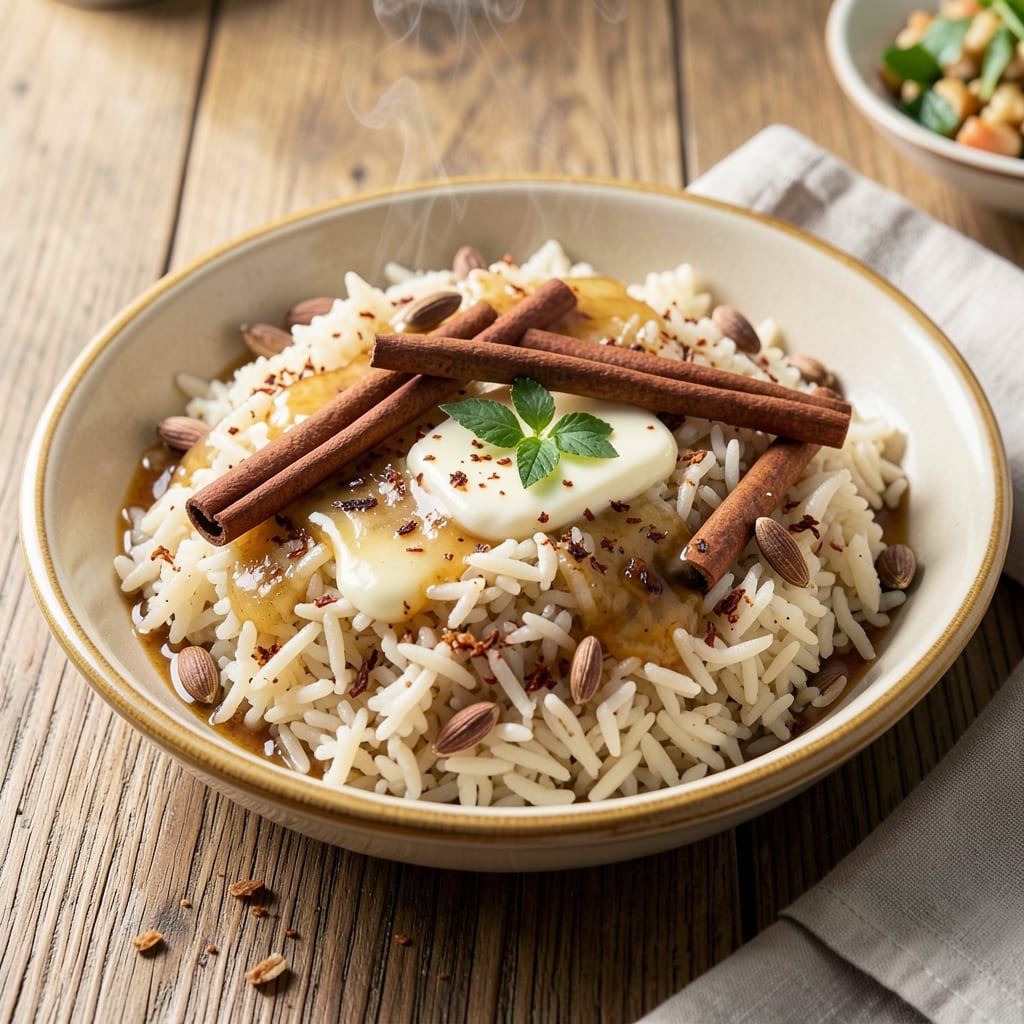
This Arabic white rice recipe transforms simple grains into fragrant, golden perfection that forms the heart of Middle Eastern meals. 💛 The secret lies in toasting whole spices until aromatic, then simmering them with saffron-infused water before layering with rice—creating tender, flavorful grains that stay separate yet cohesive. I've perfected this method after years of testing, ensuring every bite delivers that signature saffron aroma and delicate spice balance.
The process begins with rinsing the rice until the water runs clear, removing excess starch for fluffy results. Toasting whole cardamom pods and cinnamon sticks in butter releases their essential oils, which infuse the rice with warm, earthy depth. Saffron, dissolved in hot water, adds its signature golden hue and floral notes—transforming ordinary rice into a dish worthy of special occasions.
What you'll achieve is restaurant-quality rice with a fragrant aroma that fills your kitchen, tender grains that melt in your mouth, and a subtle spice profile that complements grilled meats or spiced stews. The texture is light yet satisfying, with each grain distinct but clinging together just enough to form a cohesive base for any meal.
This technique works equally well for family dinners or festive gatherings, scaling effortlessly to feed crowds. The key is patience—letting the spices toast properly and the rice absorb the flavorful liquid gradually. Once mastered, you'll never settle for plain white rice again.
Ingredients for arabic white rice
Nine simple ingredients transform into fragrant, golden rice that steals every meal's spotlight.
| Ingredient | Amount | Notes |
|---|---|---|
| Long-Grain White Rice 🍚 | 1 ½ cups | Uncooked, rinsed until clear |
| Unsalted Butter 🧈 | 3 tbsp | Cold, cut into small pieces |
| Cardamom Pods 🌿 | 4 whole | Green, lightly crushed |
| Cinnamon Sticks 🍃 | 2 whole | About 2 inches each |
| Saffron Threads 💛 | ¼ tsp | High-quality, premium |
| Water 💧 | 2 ½ cups | Hot, for saffron infusion |
| Salt 🧂 | ½ tsp | Fine sea salt |
| Bay Leaves 🍃 | 2 whole | Fresh or dried |
| Cloves 🌶️ | 2 whole | Lightly crushed |
| Lemon Zest 🍋 | 1 tsp | Fresh, finely grated |
| Fresh Lemon Juice 🍋 | 1 tbsp | From 1 small lemon |
Saffron is the MVP here—buy threads, not powder (it's more potent and vibrant). Whole Foods or Middle Eastern markets usually carry the best quality, but even the tiny vials at Trader Joe's work in a pinch. Cardamom and cinnamon? Whole spices toast better than ground—their oils infuse the rice with warmth. I always grab extra cardamom pods because they double as a tea ingredient later. For the rice, jasmine or basmati work best, but long-grain white rice is what most people have on hand.
No saffron? Turmeric at half the amount gives color, but zero floral notes—don't skip it if you can swing it. Running out of cinnamon? Allspice or nutmeg adds depth, though nothing replaces that true cinnamon warmth. Fresh bay leaves? Dried works too, but cut the amount to 1/3. The butter should be cold when you toast the spices—trust me on this. If you're out of butter, neutral oil like vegetable or avocado keeps the toasting step intact. Lemon zest is optional but adds that bright finish that makes this rice feel special.
Toasted spices lose potency after 3 days, so make this fresh whenever possible. Store cooked rice in an airtight container for 3-4 days in the fridge, but honestly? It tastes best within 2 days. For leftovers, reheat gently with a splash of water—microwaving dries it out. I always double the batch because this rice disappears fast, especially when paired with grilled meats or spiced lamb dishes. Freeze portions for up to 3 months if you're planning ahead.
Why You'll Love This Recipe
- Five-Ingredient Magic: I swear by this recipe—just rice, butter, and three whole spices. No chopping, no fuss, just simmer and savor. The cardamom and cinnamon do all the work while you stir.
- Golden, Fragrant Dream: That first whiff of saffron and toasted butter? Instant mood booster. The rice turns out fluffy with a hint of warmth—like a hug in every bite, but way more delicious.
- Weeknight to Celebration: Same rice, endless uses. Serve it plain for a lazy dinner or under grilled chicken for a weekend feast. My kids ask for it at school lunches, and honestly, it’s my secret weapon for potlucks too.
- Budget Bright Spot: A single batch feeds four, and the spices last forever. Saffron’s pricey, but a little goes far—plus, the butter makes it feel special without breaking the bank. Leftovers? Even better the next day.
Step-by-step instructions for Arabic white rice
Here's how to make restaurant-quality rice with aromatic spices and saffron.
🍳 Step 1: Infuse the Saffron and Toast the Spices
Pour the 2.5 cups water into a small saucepan and bring to a gentle simmer over medium heat. Add the 0.25 tsp saffron threads and let steep for 5 minutes—this releases their vibrant color and floral aroma. Meanwhile, heat a dry skillet over low heat and add the 2 whole cinnamon sticks and 2 whole cloves. Toast for 1-2 minutes until fragrant, then remove and set aside.
In the same skillet, add the 4 whole cardamom pods and toast for 30 seconds until lightly browned and aromatic. This step builds deep, warm spice notes that infuse the rice. The key here is patience—don't rush the toasting or you'll burn the spices and turn the rice bitter.
👨🍳 Step 2: Prepare the Butter and Lemon Base
In a heavy-bottomed pot with a tight-fitting lid, melt the 3 tbsp unsalted butter over medium-low heat until foamy but not browned. Add the toasted spices, 2 whole bay leaves, 0.5 tsp salt, 1 tsp lemon zest, and 1 tbsp fresh lemon juice. Stir constantly for 1 minute until the butter turns golden and fragrant. This aromatic butter is the flavor foundation of your rice.
Here's the thing—don't skip the lemon zest and juice. They brighten the spices and prevent the rice from tasting flat. The butter should smell like a spice market by now, with warm cardamom, cinnamon, and a citrusy lift.
🍳 Step 3: Toast the Rice for Perfect Texture
Add the 1.5 cups long-grain white rice to the pot and stir to coat every grain in the spiced butter. Cook for 2-3 minutes over medium heat, stirring constantly, until the rice turns opaque and the butter begins to sizzle. This toasting step is crucial—it prevents mushy rice and develops nutty, toasted flavors.
You'll see the rice grains become translucent at the edges—that's your signal to stop stirring. If you keep moving it, you'll break the grains and end up with a paste instead of distinct, fluffy rice. This is the moment that matters: patience now means perfect texture later.
⏰ Step 4: Simmer with Infused Water
Pour in the saffron-infused water and bring to a boil. Once boiling vigorously, reduce heat to low, cover the pot with a tight lid, and simmer for 15 minutes. Don't peek or lift the lid during this time—steam is your friend here, and every time you open the pot, you release precious moisture.
After 15 minutes, turn off the heat and let the rice steam undisturbed for another 10 minutes. This resting period allows the rice to absorb all the liquid and develop its signature fluffy texture. The grains should be tender but still firm to the bite, with a delicate saffron hue throughout.
🍽️ Step 5: Fluff and Serve with Confidence
Using a fork, gently fluff the rice to separate the grains. The rice should be light, fluffy, and fragrant with warm spices and saffron. If there's any liquid remaining, let it absorb for another 5 minutes covered. Serve immediately with your favorite main dish—this rice pairs beautifully with grilled meats, curries, or even as a standalone side.
Real talk: the first time I made this, I rushed the resting step and ended up with slightly sticky rice. Now I always wait those full 10 minutes—it makes all the difference. The result should be perfectly cooked grains with a delicate crunch and that unmistakable saffron aroma that makes it taste like a Middle Eastern feast.
Pro Tips For Making Arabic White Rice
- TOAST THE SPICES FIRST: I learned this the hard way—skip toasting the cardamom and cinnamon sticks, and you’ll end up with a dish that smells like a spice cabinet instead of a finished meal. Dry-toast them in the pot over medium heat for 30 seconds until fragrant, then immediately add the rice. This releases their oils and deepens the flavor without burning them.
- USE HALF THE SAFFRON: Saffron is expensive, and most recipes call for more than you actually need. Soak just 6-8 threads in 2 tablespoons warm water for 10 minutes, then strain and add the liquid to the rice. The leftover threads? Toss them in the compost—you won’t taste the difference, but your wallet will.
- RINSE THE RICE LIGHTLY: Arabic white rice isn’t basmati, so don’t rinse it until the water runs completely clear—that’s overkill. Instead, swirl the rice in a bowl of water for 10 seconds, drain, and repeat once. This removes excess starch without stripping the rice of its natural stickiness, which is key for that perfect, fluffy texture.
- LOW AND SLOW AFTER BOILING: After adding the liquid, bring the rice to a boil, then immediately reduce to the lowest simmer possible. Cover the pot and walk away—disturbing it too soon will release steam and leave you with dry rice. Let it cook undisturbed for 15 minutes, then check for doneness. Patience here is non-negotiable.
Creative variations of these flavors
Lebanese-Style Za'atar Rice
Swap the cardamom and cinnamon for 1 tbsp za'atar spice blend (I love Penzeys) and 1 tsp sesame seeds to create a Middle Eastern street food favorite. Toast the za'atar in the butter until fragrant (1 minute), then proceed with the same method. The nutty, herby notes pair perfectly with grilled halloumi or falafel. 🌿
Moroccan Harissa Rice
Replace the saffron with 1 tsp harissa paste (like Bouillotte) and add 1 tsp ground cumin to the butter. Use 1.25 cups water instead of 2.5 cups for a drier, more absorbent texture. This version works wonderfully with spiced lamb tagines. The harissa adds a subtle heat that lingers beautifully.
Persian Tahdig Rice
For a showstopping crunch, add 2 tbsp sugar and 1 tbsp butter to the pot during the final 5 minutes of cooking. This creates a crispy, caramelized tahdig layer at the bottom. Use jasmine rice for this variation and reduce the water to 2 cups. Serve with Persian kebabs or chicken stews for an authentic touch.
Indian Saffron Basmati
Use 1 cup basmati rice instead of white rice and add ½ tsp garam masala to the butter. Replace the lemon zest with ½ tsp rose water (find it in Middle Eastern markets) for a floral twist. This version pairs beautifully with butter chicken or biryani. The garam masala adds warm, earthy depth that complements Indian flavors perfectly.
Spiced Orange Rice
Add 1 tsp orange zest and 2 tbsp orange juice to the butter along with the lemon. Use ½ tsp ground nutmeg instead of cinnamon for a citrusy, nutty profile. This variation works wonderfully with seafood dishes or roasted chicken. The orange notes brighten the spices and create a refreshing contrast.
Turkish Pilav with Pomegranate
After cooking, fold in 2 tbsp pomegranate molasses and 1 tbsp chopped fresh mint just before serving. Use bulgur wheat mixed with 1 cup rice for a unique texture. This version is perfect for mezze platters or as a side with grilled lamb. The pomegranate adds a sweet-tart finish that elevates the dish to restaurant quality. 🍇
Nutrition facts
Frequently asked questions
Why does Arabic white rice need toasting?
Toasting the spices and rice develops deeper, nutty flavors and prevents mushy texture. The dry heat releases essential oils from cardamom, cinnamon, and cloves, infusing the rice with warm aromatic notes. This step is key for that signature restaurant-quality taste and ensures each grain stays distinct.
Can I use basmati rice instead of long-grain white rice?
Basmati rice works beautifully and adds a subtle floral aroma. Just reduce the water by ¼ cup since basmati absorbs less liquid. The grains will stay separate and fragrant, perfect for Middle Eastern dishes. For extra authenticity, try the Persian tahdig variation with sugar and butter.
What if I don't have saffron? Can I substitute?
For color, use ½ tsp turmeric, but skip it entirely if you want authentic flavor—saffron's floral notes are irreplaceable. If you're short on time, a pinch of safflower petals (steeped in hot water) mimics the effect. Never use paprika—it adds a completely different taste profile.
How do I prevent the rice from getting sticky?
Rinse the rice until the water runs clear before cooking to remove excess starch. After simmering, let it steam 10 minutes covered—don't peek! If it's still sticky, fluff with a fork and let it sit uncovered for 5 minutes to evaporate excess moisture. The resting period is non-negotiable for perfect texture.
What's the best way to store leftover Arabic white rice?
Transfer to an airtight container and refrigerate for up to 4 days. For reheating, sprinkle with 1 tsp water and cover with a damp paper towel to restore moisture. Microwaving dries it out—steam it over boiling water for 2-3 minutes instead. Freeze portions for 3 months if needed.