
Main Courses
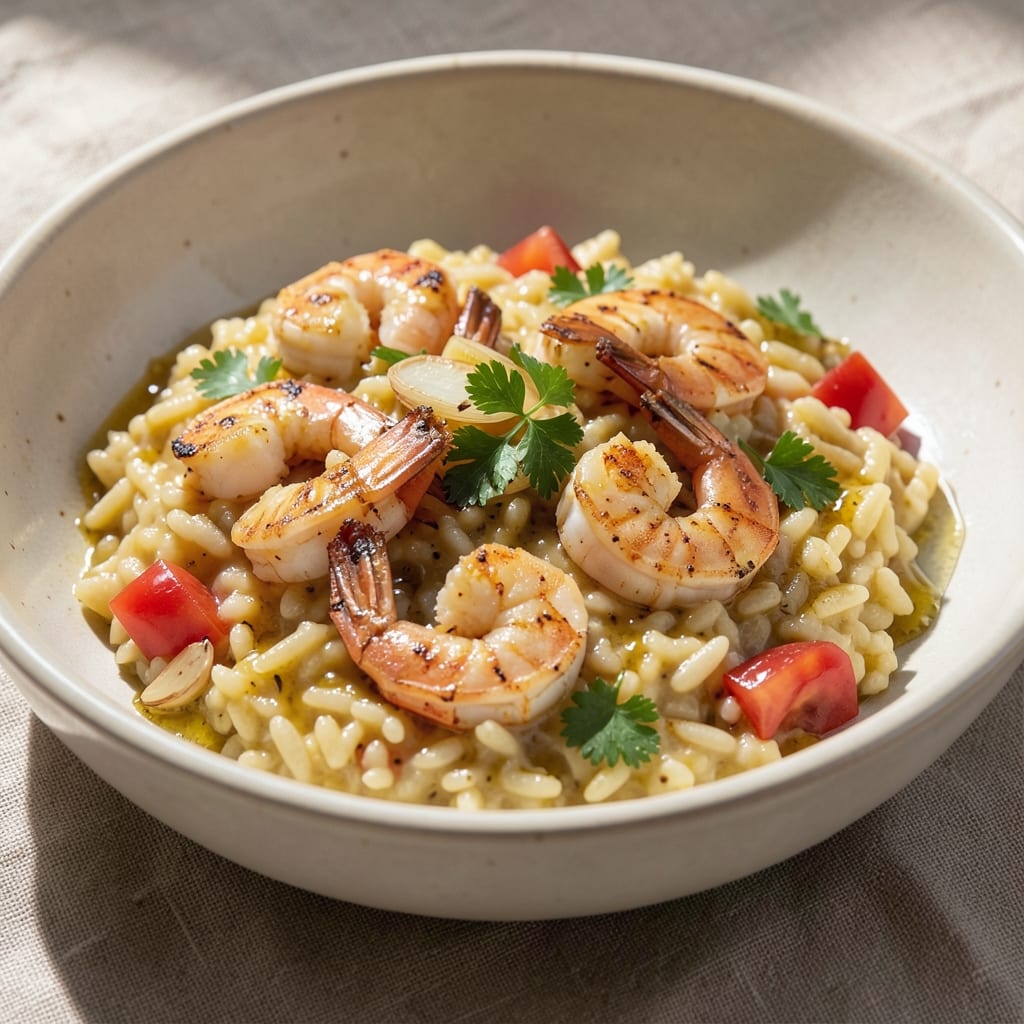
This saffron-kissed arborio rice and shrimp recipe transforms a simple weeknight dinner into an elegant, restaurant-worthy meal with minimal effort. The secret lies in slow-cooking the rice in rich shrimp stock while sautéing plump shrimp separately, then combining them at the perfect moment for a dish that’s creamy, aromatic, and bursting with buttery flavor. I’ve perfected this technique over years of testing—no lumps, no overcooked rice, just velvety grains and tender shrimp in every bite.
The process is simpler than it sounds: toast the rice briefly to release its starches, then gradually incorporate warm broth while stirring constantly. Meanwhile, the shrimp sear in garlic and white wine before being set aside to keep them tender. Saffron infuses the dish with a delicate, golden hue and floral aroma that elevates the humble ingredients into something extraordinary. The result is a risotto so rich and flavorful, it’ll have everyone asking for seconds.
What makes this recipe stand out is the balance of textures—creamy rice, succulent shrimp, and a touch of crispy shallots for contrast. The saffron not only adds color but also a subtle earthiness that pairs beautifully with the briny shrimp and buttery sauce. This dish is perfect for impressing guests or treating yourself to a special meal without the fuss of a complicated recipe.
Ready in about 45 minutes, this arborio rice and shrimp recipe delivers restaurant-quality results at home. The key is patience and consistent stirring, but the reward is a dish that’s as satisfying as it is elegant. Serve it with a sprinkle of fresh parsley and a wedge of lemon for brightness. Let’s get cooking!
Ingredients for arborio rice and shrimp
Elegant risotto ingredients that deliver restaurant-quality flavor with minimal effort.
| Ingredient | Amount | Notes |
|---|---|---|
| Arborio Rice 🍚 | 1 ½ cups | Unrinsed, toasted briefly for starch release |
| Large Shrimp (Peeled & Deveined) 🦐 | 1 ½ lb | 16-20 count, tails on preferred |
| Saffron Threads 🌼 | ¼ tsp | High-quality, culinary grade |
| Shallots 🧅 | 2 whole | Thinly sliced, crisped at the end |
| Garlic Cloves 🧄 | 4 cloves | Minced, for shrimp sear |
| Dry White Wine 🍷 | ½ cup | Sauvignon Blanc preferred |
| Shrimp Stock (or Seafood Stock) 💧 | 4 cups | Homemade or high-quality store-bought |
| Unsalted Butter 🧈 | ½ cup | Cold, cubed for toasting rice |
| Extra-Virgin Olive Oil 🫒 | ¼ cup | For rice toasting |
| Fresh Parsley 🌿 | ¼ cup | Chopped, for garnish |
| Lemon 🍋 | 1 whole | Zested and juiced |
| Diamond Crystal Kosher Salt 🧂 | 1 ½ tsp | For seasoning and stock |
| Freshly Ground Black Pepper 🌶️ | ½ tsp | For shrimp seasoning |
| Heavy Cream (Optional) 🥛 | ¼ cup | For extra creaminess |
The arborio rice is non-negotiable—its high starch content creates that signature creamy texture. Lundberg Family Farms or Barilla are my go-tos for consistent quality. For shrimp, size matters: 16-20 count ensures tender bites. Buy them live if possible, or frozen thawed in the fridge overnight—never under cold running water. Saffron is the star here, so splurge on culinary-grade threads (not powder) from Penzeys or a specialty spice shop. Shallots should be firm and pale—avoid any with green sprouts. The stock? Homemade is ideal, but Knorr or Pacific brand seafood stock cubes work in a pinch.
No white wine? Substitute with extra shrimp stock or dry vermouth—just ensure it's dry. Fresh parsley wilted? Dried parsley at half the amount works, but fresh is ideal for garnish. Heavy cream optional but recommended for that luxurious finish—full-fat only. For the shrimp, if you can't find peeled/deveined, do it yourself: hold the tail, pull firmly from the head end. The butter should be cold and cubed for proper toasting. And that saffron? Bloom it in 2 tbsp warm stock first for maximum flavor extraction—don't just toss it in dry.
Store any unused shrimp stock in glass jars in the freezer for up to 3 months. The saffron threads keep for 6-12 months in a cool, dark place—just reseal the package tightly. Leftover risotto reheats beautifully: add a splash of stock and warm gently on low. For meal prep, portion into containers with a thin layer of olive oil on top to prevent drying. This dish tastes even better the next day as flavors meld—make extra if you can. Fresh parsley and lemon zest should be added just before serving to preserve their brightness.
Why You'll Love This Recipe
- One-Pan Magic: I swear by this—just shrimp, shallots, and garlic sizzling in the same pot where the rice cooks. No chopping boards, no extra dishes, just one pan that does it all while you sip your wine and pretend you’re not actually cooking.
- Saffron Magic: That tiny pinch of saffron? It turns ordinary rice into something luxurious—golden, fragrant, and impossible to resist. Honestly, it’s the secret weapon that makes this feel like a restaurant dish without the fuss.
- Weeknight to Dinner Party: Same recipe, totally different vibes. Toss it together for a lazy Tuesday, or dress it up with a sprinkle of parsley for guests. The rice soaks up all the shrimp flavor, so it’s always a crowd-pleaser—no matter the occasion.
- Budget-Friendly Luxury: Arborio rice and shrimp sound fancy, but they’re actually my go-to for stretching a meal. A pound of shrimp and a bag of rice feed four for under $20, and the leftovers? Even better the next day—crispy edges, creamy centers, and that saffron aroma waking up your kitchen.
Step-by-step instructions for saffron-kissed risotto with buttery shrimp
Here's the method for perfect risotto texture and perfectly cooked shrimp every time.
Toast the Arborio Rice for Rich Flavor
Heat a large, heavy-bottomed pot over medium heat and add the 0.25 cup extra-virgin olive oil. Once shimmering, add the 1.5 cups arborio rice and stir constantly for 2-3 minutes until the grains become translucent at the edges and develop a nutty aroma.
This toasting step is crucial—it releases the rice's natural starches, which will later create that signature creamy texture. Don't walk away; you want the rice to turn a pale golden color without browning. Immediately add the 0.5 cup unsalted butter and stir for another 30 seconds to coat the grains evenly.
Sear the Shrimp and Build the Base
In a separate skillet, heat 1 tablespoon olive oil over medium-high heat until smoking. Season the 1.5 lb large shrimp with 1.5 tsp diamond crystal kosher salt and 0.5 tsp freshly ground black pepper, then add them to the skillet in a single layer. Cook for 1-2 minutes per side until they turn opaque and pink, then remove and set aside.
In the same skillet, reduce heat to medium and add the 2 whole shallots and 4 cloves garlic cloves. Sauté for 3-4 minutes until the shallots are golden and fragrant. Pour in the 0.5 cup dry white wine and scrape up any browned bits from the bottom of the pan. Let it simmer until completely evaporated.
Cook the Risotto with Saffron Infusion
Return the shallot-garlic mixture to the pot with rice. Add the 0.25 tsp saffron threads mixed with 1 tablespoon hot water from the stock (this ensures full color infusion). Immediately begin adding the 4 cups shrimp stock ½ cup at a time, stirring vigorously after each addition. The rice should absorb each ladleful before adding more.
This gradual addition creates the creamy texture by releasing starches incrementally. Keep the risotto at a gentle simmer—you should see small bubbles at the edges but no vigorous boiling. It should take about 18-20 minutes total until the rice is al dente with a creamy consistency but still slightly firm in the center.
Finish with Lemon and Cream (Optional)
When the rice is nearly done, stir in the zest and juice of 1 whole lemon and the 0.25 cup chopped fresh parsley. If using, add the 0.25 cup heavy cream now and stir until fully incorporated. The lemon brightens the dish while the cream adds luxurious richness—though the risotto is delicious without it.
Taste and adjust seasoning with additional salt if needed. The risotto should be creamy but still have a slight bite in the center. Remove from heat and let rest for 2 minutes before serving to allow the starches to fully set.
Plate with Crispy Shrimp and Garnish
Return the shrimp to the skillet and warm through for 30 seconds. Arrange the risotto on plates and top each portion with 3-4 shrimp. Garnish with the crispy shallots from the base mixture and additional parsley. Serve immediately with the remaining shallots sprinkled on top for texture contrast.
The shrimp should be perfectly cooked with just a hint of pink, while the risotto maintains its creamy yet al dente texture. Each bite should deliver the saffron's floral aroma, the shrimp's buttery richness, and the lemon's bright finish.
Pro Tips For Making Arborio Rice And Shrimp
- STIR CONSTANTLY FOR CRUST: I learned this the hard way—skipping the stir for even 30 seconds means uneven cooking. Keep that rice moving in the pan like you’re stirring a pot of soup; the starch release is what makes risotto creamy and the shrimp tender, not the broth alone.
- TOAST SHRIMP FAST: Pat them bone-dry first, then hit them with a splash of olive oil and a pinch of salt in a screaming-hot pan. They’ll cook in under 2 minutes—any longer, and they turn rubbery. Flip once, resist the urge to poke them, and let them rest before adding to the rice.
- SAFFRON SOAKS BETTER: Crush those threads with the back of a knife first, then steep in 2 tablespoons warm broth for 5 minutes. This releases the color and flavor fully—no more wondering why your rice looks pale. Strain before adding, or you’ll get gummy bits.
- SWEAT SHALLOTS LOW: Too much heat and they’ll burn before softening. Cook them on medium-low with a pinch of salt until they’re translucent and just starting to caramelize—about 8-10 minutes. This builds flavor without sacrificing texture, and it’s the base everything else clings to.
Regional styles of this arborio rice and shrimp
Italian Coastal Tradition
This dish traces its roots to Italy's coastal regions, where fresh seafood and aromatic rice have been paired for centuries. In Veneto, risotto with shrimp was traditionally made using local Vialone Nano rice (similar to arborio) and seafood from the Adriatic Sea. The saffron was often a luxury import from Spain, reserved for special occasions. I've adapted this version to highlight the buttery shrimp and creamy risotto combination that defines Venetian seafood cuisine. 🌊
Spanish Paella Influence
While not exactly paella, this recipe shares Spanish influences through the use of saffron—a key spice in both cuisines. The gradual broth addition technique comes from paella's sofrito method, where rice is cooked slowly with liquid. In Valencia, shrimp paella often includes chorizo, but this seafood-only version keeps it light and elegant. I've maintained that slow-cooking approach while adapting it to risotto's creamy texture. 🌼
French Bouillabaisse Adaptation
The French Bouillabaisse from Provence features fish stewed with saffron and garlic, which inspired this dish's aromatic base. While bouillabaisse uses multiple fish types, this recipe simplifies with shrimp while keeping the saffron-infused broth and garlic-shallot foundation. The French technique of finishing with lemon zest also appears here, adding brightness to balance the richness. I've kept the dish lighter than traditional bouillabaisse by omitting heavy roux-based sauces. 🍋
Modern Fusion Twist
Today's version blends these traditions with contemporary techniques. The separate shrimp cooking prevents overcooking while maintaining tenderness—a modern adaptation from restaurant kitchens. Many chefs now use shrimp stock instead of seafood stock for deeper flavor, and I've included that upgrade. The optional heavy cream finish is a nod to modern risotto trends, though traditionalists can skip it entirely. This fusion keeps the dish elegant yet approachable for home cooks. 💡
Southern Italian Variations
In Southern Italy, particularly Sicily, you'll find similar shrimp risotto dishes using local Calasanzano rice and fresh seafood. The key difference is often the addition of tomato sauce or anchovies for umami depth. This version keeps it pure with just saffron and lemon, but if you want a Southern twist, add 1 tbsp tomato paste with the garlic for a brighter, slightly tangy profile. The technique remains identical—just the ingredients shift. 🍅
Coastal American Adaptations
On America's East Coast, particularly in New England, this dish often incorporates local lobster or clams instead of shrimp. The technique stays the same, but the seafood changes based on availability. In Charleston, South Carolina, shrimp risotto might include Andouille sausage for heat, but this version keeps it seafood-forward. For a coastal American twist, try adding 1 tsp smoked paprika to the shrimp sear for a subtle smoky depth. 🦞
Nutrition facts
Frequently asked questions
Can I substitute shrimp stock with regular seafood stock?
Yes, but shrimp stock adds a deeper, more complex flavor. If you don't have shrimp stock, use high-quality seafood stock or even chicken stock in a pinch—just add 1/2 teaspoon Old Bay seasoning or 1/4 teaspoon smoked paprika to mimic the briny notes. The dish will still be delicious, though the shrimp flavor will be slightly less pronounced.
How do I prevent the risotto from getting mushy?
Stirring constantly and adding broth gradually are key! Use a wooden spoon to scrape the bottom of the pot frequently, and add liquid only when the previous batch is fully absorbed. Also, remove the pot from heat 1-2 minutes before the rice is fully cooked—it continues cooking from residual heat. Overcooking is the #1 cause of mushy risotto.
What's the best way to reheat leftover shrimp risotto?
Add 1-2 tablespoons shrimp stock per 1 cup risotto and warm gently on low heat while stirring constantly. For extra creaminess, stir in 1 teaspoon butter or 1 tablespoon heavy cream at the end. Avoid microwaving—it creates a gummy texture. Reheated risotto tastes even better the next day as flavors meld!
Can I make this dish vegetarian?
Replace shrimp with mushrooms (cremini or shiitake) or white beans for protein. For a seafood-free version, use vegetable stock instead of shrimp stock and add 1/2 teaspoon nori flakes or 1 tablespoon nutritional yeast for umami. The saffron and lemon will still shine through beautifully.
How do I store leftovers for best quality?
Store in an airtight container in the fridge for up to 3 days or freeze for 2 months. For freezing, portion into single servings first. When reheating frozen risotto, thaw overnight in the fridge before warming with stock. The shrimp may become slightly softer after freezing—just warm them separately in a pan with butter and garlic.