
Desserts
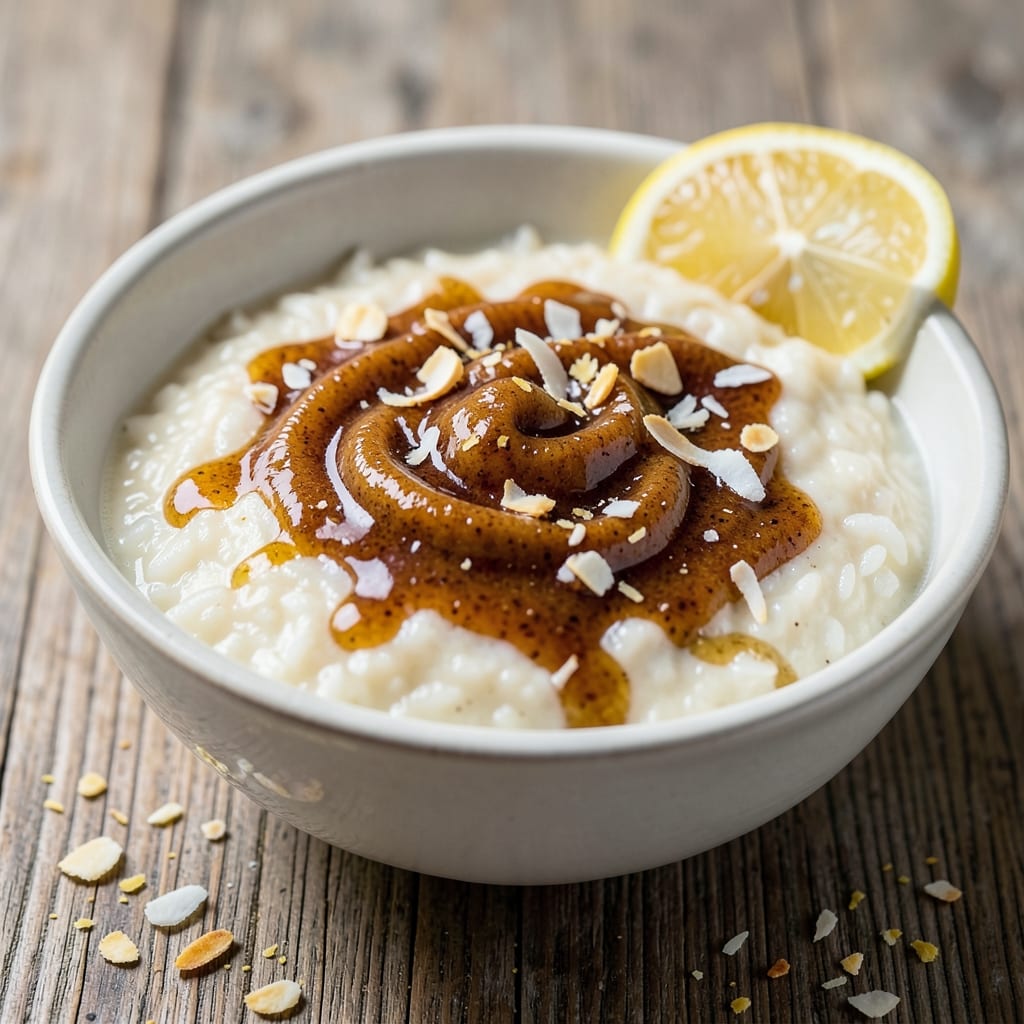
This arroz doce Portuguese sweet rice recipe transforms humble ingredients into a creamy, cinnamon-spiced dessert that tastes like nostalgia. The traditional arroz doce combines tender rice, rich coconut milk, and aromatic cinnamon for a texture that's both comforting and elegant. What makes this recipe special is the balance of sweetness and warmth—perfect for holiday gatherings or quiet evenings by the fire.
The secret lies in slow simmering, which allows the rice to absorb the coconut milk and sugar until it reaches that signature velvety consistency. A splash of citrus—either lemon or orange—brightens the dish without overpowering the natural sweetness of the rice. The result is a dessert that's rich yet light, with a subtle spice that lingers on the palate.
By the time you're done, you'll have a dish that's as visually appealing as it is delicious—golden caramelized edges framing a creamy, spiced center. This recipe delivers restaurant-quality results with just a few simple ingredients and minimal effort. The aroma alone will have everyone asking for seconds.
Serve it warm or chilled, and watch as it becomes the star of any dessert table. Whether you're celebrating a special occasion or simply craving a taste of Portugal, this arroz doce is sure to impress.
Ingredients for arroz doce portuguese sweet rice
Eleven ingredients transform into Portugal's beloved creamy cinnamon-spiced rice dessert.
| Ingredient | Amount | Notes |
|---|---|---|
| Short-Grain White Rice 🍚 | 1 ½ cups | Uncooked, like Arborio or sushi rice |
| Full-Fat Coconut Milk 🥥 | 2 cans | 13.5 oz each, no additives |
| Granulated White Sugar 🍚 | 1 ½ cups | Or substitute brown sugar |
| Ground Cinnamon 🌿 | 1 ½ tbsp | Ceylon cinnamon preferred |
| Fresh Lemon Zest 🍋 | 1 tbsp | From organic lemons |
| Fresh Lemon Juice 🍋 | 2 tbsp | Balances sweetness |
| Vanilla Extract 🌸 | 1 tsp | Pure Madagascar vanilla |
| Unsalted Butter 🧈 | 2 tbsp | Cold, cut into small cubes |
| Pinch of Salt 🧂 | ⅛ tsp | Diamond Crystal preferred |
| Orange Blossom Water 🍊 | 1 tsp | Optional, for floral note |
| Heavy Cream 🥛 | ½ cup | For final creaminess |
The rice is the foundation—short-grain varieties like Arborio absorb liquid beautifully, creating that signature velvety texture. For coconut milk, full-fat cans from Trader Joe's or Thai markets deliver the richest flavor. I always opt for organic lemons when possible, as their zest carries more aromatic oils. The cinnamon deserves special attention: Ceylon cinnamon has a sweeter, more delicate profile than cassia, though either works. If you can't find Ceylon, reduce the amount slightly to avoid bitterness. The butter should be cold and cubed—this prevents the mixture from curdling during simmering.
No Ceylon cinnamon? Substitute with equal parts cassia, but reduce to 1 tbsp to prevent overpowering. Lemon zest can be swapped for orange zest (use half the amount) if you prefer a brighter citrus note. For a dairy-free version, replace the butter with coconut oil and heavy cream with full-fat coconut milk. The orange blossom water is optional but adds an authentic floral dimension—find it in Middle Eastern or specialty grocery stores. If unavailable, a splash of rose water works beautifully. The vanilla extract can be replaced with 1 tsp vanilla bean paste for a more intense flavor.
This dessert improves with time—simmer for at least 45 minutes to develop full flavor. Store in an airtight container in the refrigerator for up to 5 days, though it's best enjoyed within 3 days. For serving, a light dusting of cinnamon or a drizzle of caramelized sugar elevates presentation. The texture becomes even more luxurious when chilled, making it perfect for holiday desserts or special occasions. Portion into ramekins before serving for elegant individual portions.
Why You'll Love This Recipe
- Five-Ingredient Magic: I swear by this—just rice, coconut milk, sugar, cinnamon, and lemon zest. That’s it. No fancy techniques, no last-minute grocery runs. The coconut milk does all the heavy lifting, turning simple rice into something velvety and irresistible.
- Cinnamon-Lemon Dream: Honestly, the balance here is chef’s kiss. The warm cinnamon wraps around your tongue, but the bright lemon zest cuts through the sweetness like a refreshing breeze. It’s the kind of flavor combo that makes you pause mid-bite—even if you’re eating straight from the pot.
- Weeknight & Holiday Star: Between us, this is my go-to for lazy Sundays and Christmas breakfasts. Serve it warm with a sprinkle of cinnamon, or chill it overnight for a make-ahead dessert that feels special. (Yes, even on a Tuesday night.)
- Leftovers? Better Than New: I make a big batch because the flavor only deepens as it sits. The rice soaks up the coconut milk perfectly, and the texture stays creamy for days. Plus, it’s budget-friendly—one can of coconut milk stretches into multiple servings without breaking the bank.
Step-by-step instructions for arroz doce Portuguese sweet rice
This traditional Portuguese dessert transforms simple rice into a velvety cinnamon-spiced delight.
Rinse and Toast the Short-Grain White Rice
Place the 1.5 cups short-grain white rice in a fine-mesh strainer and rinse under cold water until the water runs clear. This removes excess starch that would make the rice gummy. Transfer the drained rice to a medium saucepan and dry-toast over medium-low heat for 3-4 minutes, stirring constantly with a wooden spoon.
The rice should turn slightly translucent and release a nutty aroma. This toasting step is crucial—it develops the rice's natural flavors and prevents a pasty texture. Watch carefully as rice burns quickly once it begins to brown. Remove from heat immediately after toasting and set aside.
Simmer the Rice in Coconut Milk Mixture
In the same saucepan, combine the toasted rice with 2 cans full-fat coconut milk, 1.5 cups granulated white sugar, 1.5 tablespoons ground cinnamon, 1 tablespoon fresh lemon zest, 2 tablespoons fresh lemon juice, and the 0.125 teaspoon pinch of salt. Stir well to dissolve the sugar completely.
Bring the mixture to a gentle boil over medium heat, then immediately reduce heat to low. Cover with a tight-fitting lid and simmer for 30 minutes, stirring gently every 5 minutes to prevent sticking. The rice should absorb the coconut milk gradually, forming a thick, creamy pudding.
Incorporate Butter and Vanilla
After 30 minutes, remove the lid and stir in the 2 tablespoons cold unsalted butter and 1 teaspoon vanilla extract. The butter should melt completely, creating a glossy sheen on the surface. Add the 1 teaspoon orange blossom water (if using) and mix thoroughly. Return to low heat for an additional 5 minutes to allow the flavors to meld.
Here's where the texture transforms—you're looking for a consistency between pudding and porridge, where the rice is tender but still holds its shape when spooned. If the mixture appears too thick, add 1-2 tablespoons water to loosen it slightly. The final texture should be velvety yet slightly resistant when stirred.
Finish with Heavy Cream and Rest
Remove the saucepan from heat and gently fold in the 0.5 cup heavy cream using a spatula. The cream should blend seamlessly, adding luxurious richness without curdling. Transfer the arroz doce to a serving dish and let it cool to room temperature, uncovered, for 1 hour. This resting period allows the flavors to fully develop and the texture to set properly.
For best results, chill the arroz doce in the refrigerator for at least 2 hours before serving. The contrast between the warm spiced rice and cold cream creates the perfect balance. Serve in small ramekins or directly from the dish, garnished with an extra sprinkle of cinnamon or a lemon twist for freshness.
Pro Tips For Making Arroz Doce Portuguese Sweet Rice
- STIR THE FIRST 5 MINUTES: The rice needs to absorb all that coconut milk and sugar, but if you don’t give it a good stir in the first five minutes, you’ll end up with a lumpy, uneven mess. Use a wooden spoon and scrape the bottom—this is where the magic (and the sticking) happens.
- USE THE CAN OF COCONUT MILK: I learned this the hard way—boxed coconut milk separates, and you don’t want to deal with that while cooking. Grab a full-fat can (like Thai Kitchen) for creamier, richer results. No need to strain or shake it; just open and pour.
- DON’T SKIP THE LEMON ZEST: Sounds weird, but that bright citrus cut through the sweetness and balances the cinnamon. Use a microplane for a fine, even zest—about a teaspoon—and fold it in at the very end. It’s the thing that makes this dessert taste fresh, not just cloyingly sweet.
- COOK IT UNTIL IT’S DRY: This isn’t a custard—it’s a rice pudding, and it needs to be firm enough to slice. Simmer uncovered for the last 10 minutes, stirring occasionally, until the liquid’s mostly gone and the rice holds its shape. If it’s sticky, keep going—your future self will thank you.
Regional styles of arroz doce portuguese sweet rice
Northern Portugal
In the northern regions like Porto and Braga, arroz doce often features orange blossom water for a floral twist, reflecting the area's Moorish influences. Locals here prefer a slightly thicker consistency, almost like a rice pudding with a bite. I've found that using brown sugar instead of white gives a deeper caramel note that pairs beautifully with the citrus zest. Serve it warm with a sprinkle of toasted almonds for texture contrast. 🍊
Algarve Tradition
The southern Algarve version leans into sea-inspired flavors, sometimes incorporating coconut milk from local markets for extra richness. Here, you'll often see lemon peel instead of zest, creating a more intense citrus aroma. The Algarve version is traditionally served chilled, making it perfect for summer gatherings. I like adding a dash of rum extract (about ½ tsp) for a subtle boozy note that locals adore. ✨
Azores Island Style
The volcanic islands of the Azores have their own take, using sweet potatoes mixed with rice for a vibrant orange hue. The recipe replaces some coconut milk with local goat's milk for a lighter texture. Azorean arroz doce often includes cinnamon sticks instead of ground cinnamon, which infuse the dish with deeper spice notes. I've seen versions with pineapple chunks baked into the center for a tropical surprise. 🌋
Madeira Influence
Madeira's version stands out with the addition of Malmsey wine (about 2 tbsp) during the simmering process, adding a rich, nutty depth. The island's version also incorporates dried figs or raisins for chewy texture. Madeira's climate allows for using fresh tropical fruits like mango or passionfruit in modern adaptations. I've made this version with 1 tbsp Madeira wine and ¼ cup chopped dried figs—it's like a dessert party in every bite. 🍷
Modern Portuguese Adaptations
Today's Portuguese chefs are putting creative spins on arroz doce. You'll find versions with matcha powder for a Japanese-Portuguese fusion, or black sesame paste for nutty depth. Some restaurants serve it with caramelized banana slices on top. I recently tried a rosewater-infused version with edible gold leaf—it looked stunning and tasted like a gourmet dream. The key is balancing tradition with innovation while keeping that signature creamy texture. 💫
Nutrition facts
Frequently asked questions
Why does arroz doce need toasting?
Toasting the rice removes excess starch that would make it gummy, while developing nutty flavors. This step creates the signature velvety texture by preventing a pasty consistency. Skip it, and you'll end up with a gluey mess instead of creamy perfection.
Can I use regular long-grain rice?
No—short-grain varieties like Arborio or sushi rice absorb liquid beautifully, creating that creamy texture. Long-grain rice stays separate and won't achieve the pudding-like consistency. For a substitute, try jasmine rice if short-grain isn't available.
How do I fix arroz doce that's too thick?
If your mixture is too thick after simmering, stir in 1-2 tablespoons of water or coconut milk while off heat. For extra richness, you can also fold in 1-2 tablespoons of heavy cream at the end. The texture should be between pudding and porridge.
What's the best way to store arroz doce?
Transfer to an airtight container and refrigerate for up to 5 days. The flavor actually improves with time! For longer storage, freeze for 3 months—thaw overnight in the fridge before serving. Reheat gently in a saucepan for 2-3 minutes if preferred warm.
Can I make this recipe dairy-free?
Yes! Replace the butter with coconut oil and heavy cream with full-fat coconut milk. The flavor will still be rich and creamy, though slightly lighter. For extra depth, add 1 tsp vanilla bean paste instead of extract.