
Main Courses
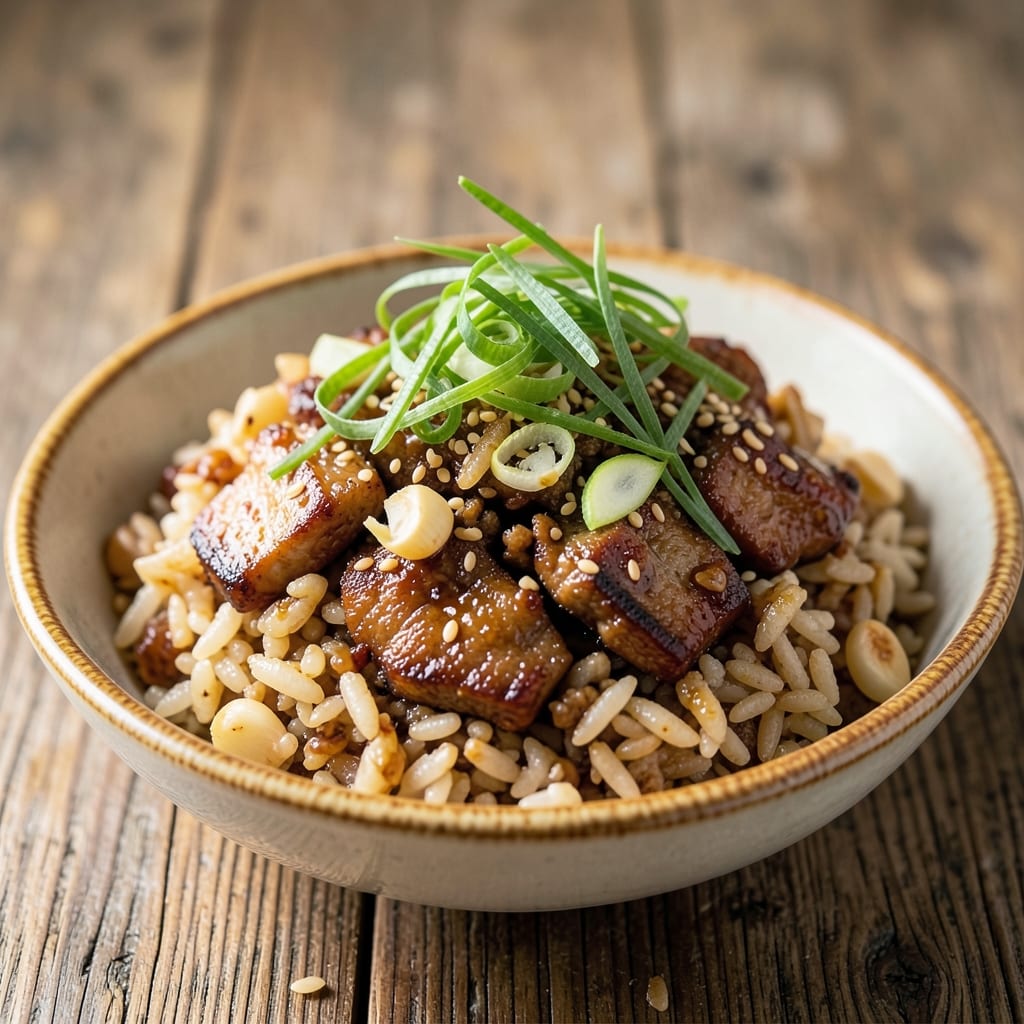
This Asian dirty rice recipe delivers restaurant-quality wok crunch and umami depth in just 20 minutes, transforming simple ingredients into a vibrant, flavor-packed dish that's perfect for weeknight dinners or takeout-style cravings. The secret lies in high-heat stir-frying and layered aromatics that create that signature "dirty" texture and bold flavor profile.
What sets this recipe apart is the balance of textures—crispy rice edges, tender protein, and fresh herbs—all achieved through proper wok technique and a quick-fry at the end. I've simplified the process without sacrificing authenticity, so you get that smoky, caramelized flavor without needing a professional wok or years of experience.
By the time you're done, you'll have a fragrant, golden-brown rice dish packed with protein, vegetables, and a sauce that's both tangy and savory. The aroma alone will have everyone at the table asking what's for dinner, and the first bite delivers that perfect combination of crunch, heat, and umami that makes dirty rice irresistible.
Serve it with a side of pickled vegetables for brightness or fresh herbs for garnish—this dish stands up to any main course but feels light enough for lunch. The best part? Leftovers reheat beautifully, making it perfect for meal prep or feeding a crowd. Let's get cooking!
Ingredients for asian dirty rice
These vibrant ingredients transform into restaurant-style dirty rice with wok-fried crunch and layered umami.
| Ingredient | Amount | Notes |
|---|---|---|
| Jasmine Rice 🍚 | 1 ½ cups | Uncooked, long-grain preferred |
| Ground Pork 🐷 | 1 lb | Lean ground pork, 80/20 ratio |
| Eggs 🥚 | 2 whole | Large, beaten for binding |
| Green Onions 🧅 | ½ cup | White and green parts, chopped |
| Garlic Cloves 🧄 | 6 cloves | Minced, fresh preferred |
| Fresh Ginger 🌿 | 1 tbsp | Grated, peeled |
| Soy Sauce 🍶 | ½ cup | Light or all-purpose |
| Oyster Sauce 🍜 | 2 tbsp | High-quality for umami |
| Sesame Oil 🫒 | 1 tbsp | Toasted, for aroma |
| Vegetable Oil 🫒 | 2 tbsp | High smoke point |
| Thai Chili Sauce 🌶️ | 1 tbsp | Adjust for heat preference |
| Fish Sauce 🐟 | 1 tbsp | Red Boat preferred |
| Lime Juice 🍋 | 1 tbsp | Freshly squeezed |
| Salt 🧂 | 1 tsp | Diamond Crystal preferred |
| Black Pepper 🌶️ | ½ tsp | Freshly ground |
| Cilantro 🌿 | ¼ cup | Chopped, for garnish |
The rice is non-negotiable—jasmine rice gives that fragrant, slightly sticky texture that holds up to stir-frying. Day Old News or Lundberg are solid choices. For the pork, 80/20 lean-to-fat ratio ensures juiciness without grease. If you can't find ground pork, chicken thighs work in a pinch, but the flavor shifts. The aromatics—garlic, ginger, and green onions—need to be freshly minced; pre-chopped loses flavor fast. Asian markets often have better quality than grocery stores, especially for the fish sauce and oyster sauce—Red Boat fish sauce and Lee Kum Kee oyster sauce are the gold standards.
No oyster sauce? Substitute with 1 tbsp soy sauce plus 1 tsp sugar—it won’t be identical, but it’ll work. Running out of sesame oil? Toasted peanut oil adds a different but delicious nuttiness. The Thai chili sauce can be swapped for sriracha or sambal oelek, but taste first—some brands are spicier than others. For extra umami without fish sauce, mushroom sauce or vegan fish sauce works. The eggs are key for binding the rice—don’t skip them! If you’re vegetarian, silken tofu blended with cornstarch mimics the texture. The cilantro garnish is optional, but it adds that fresh finish—skip if you hate it.
This dish tastes even better the next day—reheat gently in a skillet with a splash of water to restore crispiness. Stores for 4-5 days in the fridge or 3 months frozen. For meal prep, portion into containers with a thin layer of oil on top to prevent sticking. The wok hei (breath of the wok) flavor develops over time, so reheat on high heat for 2-3 minutes to revive that smoky aroma. Double the batch—it disappears fast!
Why You'll Love This Recipe
- One-Pan Magic: I swear by this recipe when I’m too tired to scrub pots—just brown the pork, scramble the eggs right in the same pan, and fold in the rice. No extra bowls, no stress.
- Garlic-Green Onion Bomb: That first bite? The crisp green onions and minced garlic cloves hit you like a flavor wave. Honestly, the pork stays juicy while the rice soaks up all the savory goodness—no dry bites here.
- Lunchbox Hero: Pack this for work or school—it reheats like a dream and keeps everyone full. My kids actually finish their lunch when I send this in their containers. (Yes, even my picky eater.)
- Budget Meal Stretch: Ground pork and jasmine rice stretch forever, and eggs add protein without breaking the bank. I make a double batch on Sundays so we have leftovers for days—no sad, expensive takeout nights.
Step-by-step instructions for umami-packed Asian dirty rice
Here's how to create restaurant-style dirty rice with bold flavors and perfect texture—no shortcuts, just pure wok technique.
Prepare the Aromatic Base
Heat the 2 tablespoons vegetable oil in a wok or large skillet over medium-high heat until shimmering. Add the 6 cloves minced garlic cloves and 1 tablespoon grated fresh ginger, stirring constantly for 30 seconds until fragrant but not browned. This quick cooking preserves their bright flavors instead of letting them burn.
Immediately add the 1 pound ground pork, breaking it up with a wooden spoon as it cooks. Let it brown evenly for 3-4 minutes until no longer pink in the center. Real talk: don't rush this—proper browning builds flavor depth that separates good dirty rice from extraordinary. If the pork starts sticking, add a splash of water to deglaze, but keep the heat high to maintain momentum.
Build the Umami Sauce
Push the pork mixture to one side of the wok and add 1 tablespoon vegetable oil to the empty space. Pour in the 1.5 cups jasmine rice, stirring vigorously for 1 minute to coat each grain with oil. This ensures even cooking and prevents clumping later.
Return the pork to the center and pour in 0.5 cup soy sauce, 2 tablespoons oyster sauce, 1 tablespoon fish sauce, and 1 tablespoon Thai chili sauce. Stir well to combine, then add 1 tablespoon lime juice and 1 tablespoon sesame oil. The wok should sizzle—this is where the magic happens. Let the mixture cook undisturbed for 2 minutes, allowing the rice to absorb the initial flavors before adding liquid.
Cook the Rice to Perfect Texture
Add 1½ cups water (the exact amount from your ingredients) and stir gently to distribute evenly. Bring to a boil, then reduce heat to medium-low and cover with a tight-fitting lid. The key here is patience—cook for 12-14 minutes without peeking. You're aiming for rice that's tender but still slightly firm in the center, with all liquid absorbed.
I press down gently on the rice with a spoon during the last 2 minutes of cooking to ensure even distribution of heat. This technique prevents the outer layer from overcooking while the center stays al dente. When the rice is done, you should see a thin crust on top—this indicates proper doneness and helps create that signature wok crunch.
Finish with Fresh Herbs and Crunch
Remove from heat and let the rice sit covered for 2 minutes. Then stir in the 0.5 cup chopped green onions and 0.25 cup chopped cilantro, reserving a few sprigs for garnish. The herbs add freshness that cuts through the richness of the pork and sauces. Taste and adjust seasoning with 1 teaspoon salt and ½ teaspoon black pepper—this is your final flavor checkpoint.
For that authentic wok crunch, transfer the rice to a serving plate and press down firmly with a spatula. The texture should be slightly sticky but still hold its shape when pressed. Garnish with the reserved green onions and cilantro, then serve immediately while the rice is hot. The contrast between the warm, umami-packed rice and the fresh herbs makes every bite irresistible.
Pro Tips For Making Asian Dirty Rice
- CRISP THE GARLIC: Use minced garlic instead of chopped—it cooks faster and burns less, so you don’t end up with bitter bits ruining the dish. I learned this the hard way when my first batch tasted like a campfire.
- TOAST THE RICE: Spread cooked jasmine rice on a tray and broil for 2-3 minutes until edges crisp slightly. This mimics takeout texture and keeps the rice from turning mushy when mixed with the pork later.
- SALT THE PORK TWICE: Season ground pork with 1 tsp salt before cooking, then add another pinch after it’s browned. The first round seasons deep, the second balances flavors after the pork’s natural juices render.
- FOLD IN EGGS LAST: Push the pork mixture to one side of the pan, scramble the eggs in the empty space, then gently mix—this keeps them creamy instead of breaking into streaks. (Yes, it looks messy, but it works.)
Wine and beer pairings for this dish
Light Asian Beers
A crisp, light Asian lager like Asahi Super Dry or Sapporo Premium Beer complements the dish's umami flavors without overpowering them. The subtle sweetness and clean finish cut through the richness of the pork and soy sauce. I keep a six-pack in my fridge specifically for pairing with stir-fries—it's my go-to for balancing bold Asian flavors. 🍺
Rice Wine Options
For a more traditional pairing, try Mirin or Shaoxing wine in a small glass alongside your dish. Their nutty, slightly sweet profiles enhance the caramelized notes in the rice. I drizzle a teaspoon over the finished dish for both flavor and presentation—it adds an elegant touch without dominating. The alcohol content is low enough that it won't interfere with the meal's bold flavors.
Craft IPA Balance
If you prefer hoppy beers, opt for a Japanese IPA like Kirin Ichiban or Sapporo Black Label. The citrusy hops provide a refreshing contrast to the dish's savory depth. I recommend serving it slightly chilled—around 45°F—to enhance its crispness. The bitterness helps cleanse your palate between rich bites of dirty rice. 🌟
Non-Alcoholic Pairings
For a non-alcoholic option, Yakult or Calpis—popular Japanese drinks—work beautifully. Their tangy, slightly sweet profiles mirror the lime juice in the recipe. I also love serving jasmine tea with a hint of honey, as the floral notes complement the dish's aromatic complexity. The tea's warmth helps balance the dish's spicy elements.
Wine for Adventurous Palates
If you're feeling experimental, try a dry Riesling from Germany or a Pinot Noir with earthy notes. The acidity in Riesling cuts through the dish's richness, while Pinot Noir's light body won't overpower the flavors. I've found that a 2018 Dr. Loosen Blue Slate Riesling pairs exceptionally well—its mineral finish elevates the dish's umami profile. 🍷
Nutrition facts
Frequently asked questions
Can I use chicken instead of pork in this Asian dirty rice?
Ground chicken works perfectly, though the flavor will be slightly lighter. For best results, use 80/20 chicken thighs (not breast) to maintain juiciness. Increase the Thai chili sauce by ½ tablespoon to compensate for the milder taste. The texture remains the same, but the dish will have a more delicate profile.
Why does my Asian dirty rice turn out mushy?
Mushy rice usually means one of two things: either the rice was undercooked (add 2-3 more minutes of simmering time) or overcooked (too much liquid). Always use 1½ cups water for 1.5 cups uncooked rice, and avoid peeking while cooking. The rice needs to absorb all moisture—if it's still wet, spread it on a tray and dry it in a 200°F oven for 10 minutes before serving.
What’s the secret to getting that crispy texture?
The crispy crust comes from pressing the cooked rice firmly into a serving plate before serving. After cooking, let the rice sit covered for 2 minutes, then transfer to a plate and press down with a spatula. The heat from the wok creates a thin, golden crust on the bottom—this is what gives that signature "dirty" texture. A quick sear in a hot pan for 1-2 minutes after cooking also helps!
Can I make this vegetarian?
Yes! Replace the pork with crumbled tofu or mushrooms (shiitake or oyster) for umami. Use 1 block extra-firm tofu, pressed and pan-fried until crispy, or 8 oz sliced mushrooms sautéed until golden. Boost the sauce with 1 tbsp mushroom powder or vegan fish sauce to maintain depth. The texture will be slightly different but still delicious.
How do I store leftovers for best results?
Store in an airtight container for up to 4 days in the fridge. To reheat, spread the rice on a skillet over medium-high heat for 3-4 minutes, stirring occasionally, until crispy again. For freezing, portion into single servings and freeze for up to 3 months. Thaw overnight in the fridge—never microwave directly from frozen.