
Sauces & Condiments
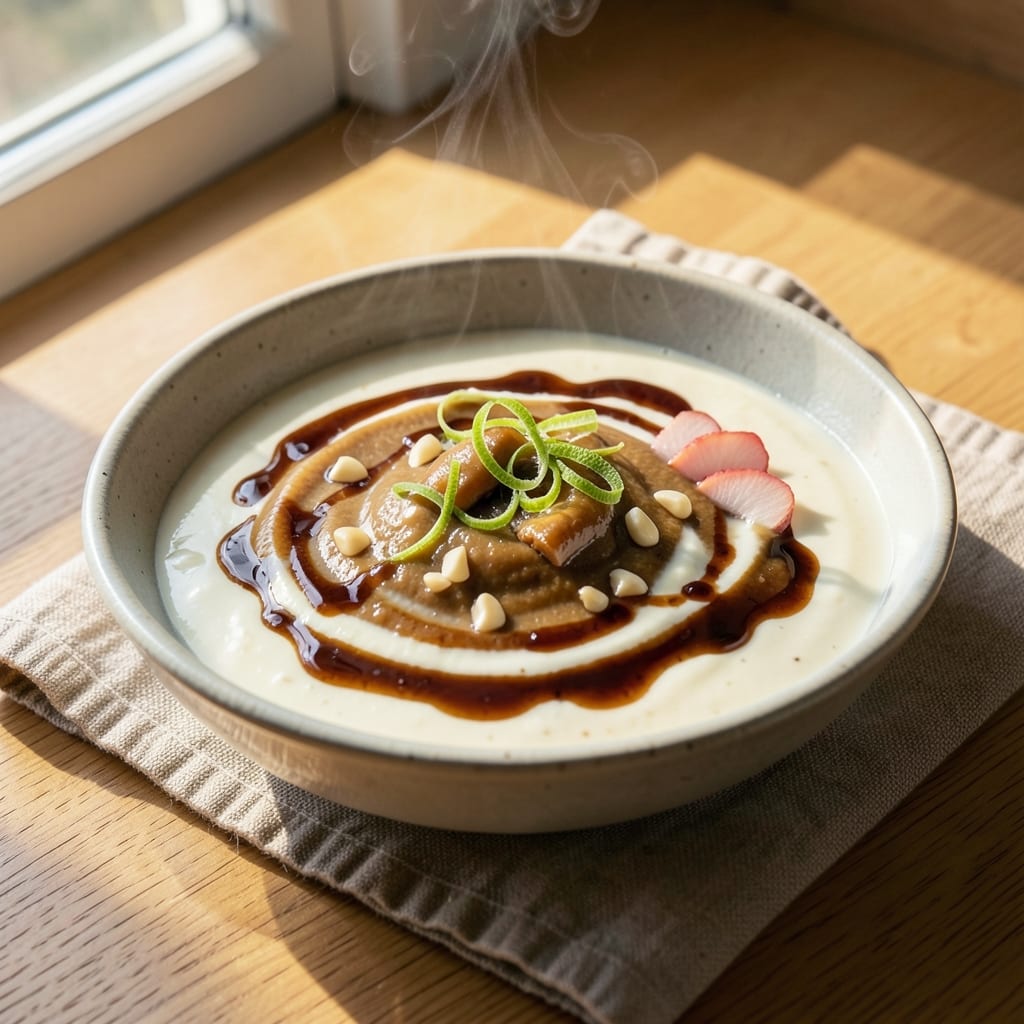
This Asian rice sauce recipe transforms simple pantry staples into a fragrant, versatile condiment that elevates everything from stir-fries to grilled meats. The secret lies in balancing coconut milk, rice vinegar, and soy sauce for a creamy yet tangy profile, while lime zest and ginger add bright, aromatic depth that cuts through richness.
With just 10 minutes of prep and 15 minutes of simmering, you’ll create a sauce that’s sweeter than traditional fish sauce but with none of the fishy aftertaste—perfect for dipping spring rolls, glazing proteins, or drizzling over noodles. The umami-rich base adapts effortlessly to spicy, sweet, or savory dishes, making it a pantry essential.
Ingredients for asian rice sauce
Balancing umami, tang, and aromatic depth with just ten essential ingredients.
| Ingredient | Amount | Notes |
|---|---|---|
| Full-Fat Coconut Milk 🥥 | 1 cup | Canned, unsweetened preferred |
| Rice Vinegar 🍶 | ½ cup | Seasoned or unseasoned works |
| Light Soy Sauce 🍶 | ¼ cup | Kikkoman preferred for balance |
| Fresh Lime Zest 🍋 | 1 tbsp | Bright yellow limes ideal |
| Fresh Ginger 🌿 | 1 tbsp | Finely grated, aromatic |
| Garlic Cloves 🧄 | 3 cloves | Minced for even distribution |
| Brown Sugar 🍚 | 2 tbsp | Light or dark variety |
| Sesame Oil 🫒 | 1 tbsp | Toasted sesame flavor |
| Red Chili Flakes 🌶️ | ½ tsp | Adjust for heat preference |
| Diamond Crystal Kosher Salt 🧂 | ½ tsp | Fine grain preferred |
The coconut milk forms the creamy base—opt for full-fat canned brands like Thai Kitchen for maximum richness. Rice vinegar should be seasoned for built-in saltiness, though unseasoned works if you adjust salt later. Light soy sauce like Kikkoman provides the umami foundation without overpowering; darker soy adds color but less flavor here. Fresh lime zest is non-negotiable—bright yellow limes have the most aromatic oils. For ginger, peel and grate just the pale yellow flesh, avoiding the fibrous core. Garlic cloves should be freshly minced for maximum punch; pre-minced garlic loses potency quickly. Brown sugar adds depth without cloying sweetness, while sesame oil contributes nutty aroma—toasted sesame oil has more character than regular.
No rice vinegar? Apple cider vinegar works in a pinch, though the flavor profile shifts slightly. Substitute lime juice for zest if needed (use 1 tbsp juice + 1 tsp zest equivalent), but the zest’s aromatic oils are irreplaceable. Ginger powder can replace fresh at half the amount, though it lacks the same complexity. Soy sauce alternatives like coconut aminos work but taste more vegetal. For heat, sriracha can replace chili flakes (use 1 tsp), though it adds moisture. Salt measurements are precise—Diamond Crystal kosher salt is lighter than table salt, so don’t double. The sauce’s balance relies on these ratios; adjust sweetness or acidity only after tasting.
This sauce keeps 5-7 days refrigerated in an airtight jar, with the coconut milk layer solidifying—simply stir before use. For longer storage, freeze in ice cube trays for single-use portions; thaw overnight in the fridge. The sesame oil separates naturally—stir vigorously before each use. Double the batch if you’ll use it frequently; the extra yields 4-6 servings when drizzled. For best flavor, use within 10 days of making, as the lime zest loses potency over time. Store away from light to preserve the vibrant color and aromatic oils.
Why You'll Love This Recipe
- Five-Ingredient Magic: I swear, this sauce is the kind of thing I’ll make just to have on hand—no fancy steps, just a quick simmer of coconut milk, ginger, and lime. The rice vinegar cuts through the richness perfectly, so it’s never heavy.
- Bright & Creamy Balance: That first spoonful of lime zest and ginger? It’s like sunshine in a jar. The coconut milk adds this luscious depth, while the soy sauce grounds it—sweet, tangy, and just a little salty. Honestly, it’s the kind of flavor that makes me want to eat it straight from the bowl.
- Dresses Up Everything: I use this on stir-fries, drizzled over grilled fish, or even mixed into cold noodles. It’s my secret weapon for weeknight dinners, potlucks, or when I’m craving takeout but don’t want to order. (Yes, even on a Tuesday night.)
- Leftovers That Last: Make a big batch—it keeps for weeks in the fridge, and the ginger actually gets more aromatic over time. Between us, I’ve had this sauce sit forgotten in the back of the fridge for too long, and it still tasted fresh. That’s budget-friendly and low-stress, right there.
Step-by-step instructions for Asian rice sauce
This fragrant coconut-lime sauce builds layer upon layer of umami and brightness—here's exactly how to balance the flavors.
Bloom Aromatics in Coconut Milk
In a medium saucepan over medium-low heat, combine the 1 cup full-fat coconut milk with the 1 tablespoon finely grated fresh ginger and 3 minced garlic cloves. Let the mixture warm gently for 3-4 minutes until you can detect aromatic steam rising—this releases the essential oils that form the sauce's foundation.
Watch closely as the coconut milk begins to shimmer at the edges. Stir occasionally to prevent scorching, which would impart bitterness. The ginger and garlic should soften slightly but remain intact—this ensures their bright, fresh flavors carry through the finished sauce rather than turning bitter.
Add Vinegar and Soy Sauce
Pour in the 0.5 cup rice vinegar and 0.25 cup light soy sauce simultaneously, stirring constantly with a wooden spoon. The mixture will bubble vigorously as the vinegar's acidity reacts with the coconut fat. Reduce heat to low and let it simmer gently for 5-6 minutes until the volume reduces by about 25%.
This reduction stage is critical—it concentrates the flavors and creates the sauce's signature velvety texture. You'll notice the sauce transform from a thin liquid to a glossy, syrupy consistency. Taste at this point; the balance should be tangy from the vinegar and salty from the soy, with the coconut fat adding richness.
Sweeten and Season
Add the 2 tablespoons brown sugar, 0.5 teaspoon diamond crystal kosher salt, and 0.5 teaspoon red chili flakes, stirring continuously until the sugar dissolves completely. The mixture should smell complex—citrusy from the zest you'll add next, sweet from the caramelizing sugar, and with a subtle heat from the chili.
This is where the sauce's depth develops. The brown sugar not only sweetens but also enhances the umami from the soy sauce. The salt balances the acidity, while the chili flakes add a subtle heat that will brighten any dish. Keep the heat at low—you're not trying to cook the sugar, just integrate it evenly.
Finish with Lime and Sesame
Remove the saucepan from heat and whisk in the 1 tablespoon fresh lime zest and 1 tablespoon sesame oil. The lime zest will immediately infuse the sauce with bright citrus notes, cutting through the richness of the coconut. The sesame oil adds a nutty depth that rounds out the flavors.
Let the sauce rest for 5 minutes off the heat—this allows all the components to meld completely. The texture should be silky with a slight sheen, and the aroma should be complex: tropical from the coconut, tangy from the vinegar, with underlying heat and sweetness. Taste again and adjust seasoning if needed—perhaps a touch more salt or a pinch of chili for your preference.
Strain and Store
For a completely smooth sauce, strain it through a fine-mesh sieve into a clean bowl or jar. This removes any ginger or garlic fibers that might make the sauce gritty. The finished sauce should coat the back of a spoon with a glossy, velvety consistency.
Use immediately for maximum brightness, or store in an airtight container in the refrigerator for up to 5 days. Before using, gently reheat over low heat—never boil, as this can separate the coconut fat. This sauce transforms simple dishes into restaurant-quality meals with minimal effort.
Pro Tips For Making Asian Rice Sauce
- STRAIN THE COCONUT MILK: Don’t use the canned version straight from the carton—it’s too thick and will make your sauce cloying. After opening, whisk it vigorously and let it sit for 5 minutes so the cream separates. Pour off the top ¾ cup of liquid only, discarding the thick cream (save it for curries). This keeps the sauce light and balanced—trust me, the difference is noticeable.
- ZEST LIME, DON’T JUICE: Fresh lime zest adds bright aroma without overpowering, while juice can make the sauce watery. Use a microplane and rub the zest directly into the warm coconut milk while stirring—it melts right in. Skip the juice unless you’re adjusting for tartness, and resist the urge to add extra lime later (you’ll regret it).
- GINGER: GRATE, DON’T CHOP: Finely grated ginger (about 1 teaspoon) dissolves smoothly and infuses flavor evenly, while chopped pieces turn to mush and leave texture. Pulse it in a food processor for 2 seconds or use a microplane—just don’t skip the fresh stuff. Powdered ginger? Save it for baking.
- TEMPER THE VINEGAR: Cold rice vinegar dumped into hot coconut milk can curdle it like a science experiment gone wrong. Warm the vinegar slightly (just until it steams) before whisking it into the sauce. This keeps the sauce silky—no one wants a lumpy dressing, especially not on their takeout-style fried rice.
Best sauces and condiments for this recipe
Sweet-Savory Balance
This sauce thrives on its dual nature—creamy coconut milk meets bright lime zest, while soy sauce and ginger provide deep umami. The brown sugar isn’t just for sweetness; it caramelizes slightly during simmering, adding a molasses-like depth that rounds out the acidity. For extra richness, I sometimes stir in 1 teaspoon of honey at the end, but only if you want to amplify the tropical notes. 🌿
Spicy Variations
Want more heat? Swap the red chili flakes for 1 teaspoon of sambal oelek or ½ teaspoon of gochujang for a fermented kick. Both add complexity—sambal brings fresh, garlicky heat, while gochujang introduces a slightly sweet, funky depth. For a smoky twist, add ½ teaspoon of smoked paprika with the brown sugar. Adjust to taste, but remember: the lime zest will brighten any heat you add.
Umami Boosters
For an extra umami punch, stir in 1 teaspoon of fish sauce (like Red Boat) or 1 tablespoon of miso paste after removing from heat. Fish sauce adds briny depth, while miso brings a savory, almost meaty richness. If you’re vegetarian, 1 teaspoon of mushroom powder works wonders. These tweaks turn the sauce into a glazing masterpiece for tofu or grilled proteins. ✨
Creamy Alternatives
No coconut milk? Use ½ cup heavy cream for a lighter, dairy-based sauce—just reduce the vinegar to ¼ cup to balance the richness. For a nutty twist, replace coconut milk with ½ cup cashew cream (blend ½ cup soaked cashews with ¼ cup water). Both alternatives work beautifully, though the texture will be slightly thinner. The lime zest and ginger remain the secret weapons for brightness.
Storage Hacks
This sauce separates when refrigerated—the coconut fat rises to the top. Before using, simply whisk vigorously or gently reheat over low heat until smooth. For longer shelf life, freeze in 1-tablespoon portions in an ice cube tray. Thaw overnight in the fridge—perfect for single-use drizzles on noodles or dumplings. The flavors actually improve over time, as the lime zest mellows and the spices meld. ❄️
Dish Pairings
Drizzle over steamed jasmine rice for an instant flavor upgrade, or use as a dipping sauce for spring rolls or pho. Toss with cold soba noodles for a refreshing salad, or brush onto grilled chicken or shrimp before serving. For a dessert twist, mix with vanilla yogurt and fresh berries—trust me, the tropical-sweet combo is unexpected but delicious. 🍤
Nutrition facts
Frequently asked questions
Can I make this sauce without coconut milk?
For a lighter version, use ½ cup heavy cream and reduce the rice vinegar to ¼ cup to balance the richness. For a nutty twist, blend ½ cup soaked cashews with ¼ cup water as a substitute. The lime zest and ginger will still provide that essential brightness, so don't skip those!
How do I adjust the sweetness or spice level?
For more sweetness, add ½ teaspoon of honey at the end. For extra heat, swap the chili flakes for 1 teaspoon of sambal oelek or ½ teaspoon of gochujang. Remember, the lime zest will brighten any adjustments, so taste as you go!
Why does my sauce separate when refrigerated?
This is normal—the coconut fat rises to the top. Before using, simply whisk vigorously or gently reheat over low heat until smooth. For longer storage, freeze in 1-tablespoon portions in an ice cube tray. The flavors actually improve over time!
What are the best dishes to use this sauce with?
This versatile sauce works beautifully as a dipping sauce for spring rolls or pho, a glaze for grilled proteins, or a flavor enhancer for steamed jasmine rice. For a dessert twist, mix with vanilla yogurt and fresh berries—unexpected but delicious!
Can I make this sauce spicier or smokier?
For extra heat, add ½ teaspoon of smoked paprika with the brown sugar or increase the chili flakes. For a smoky depth, stir in 1 teaspoon of liquid smoke (just a drop!) after removing from heat. The lime zest will balance any bold flavors. Adjust gradually to taste!