
Main Courses
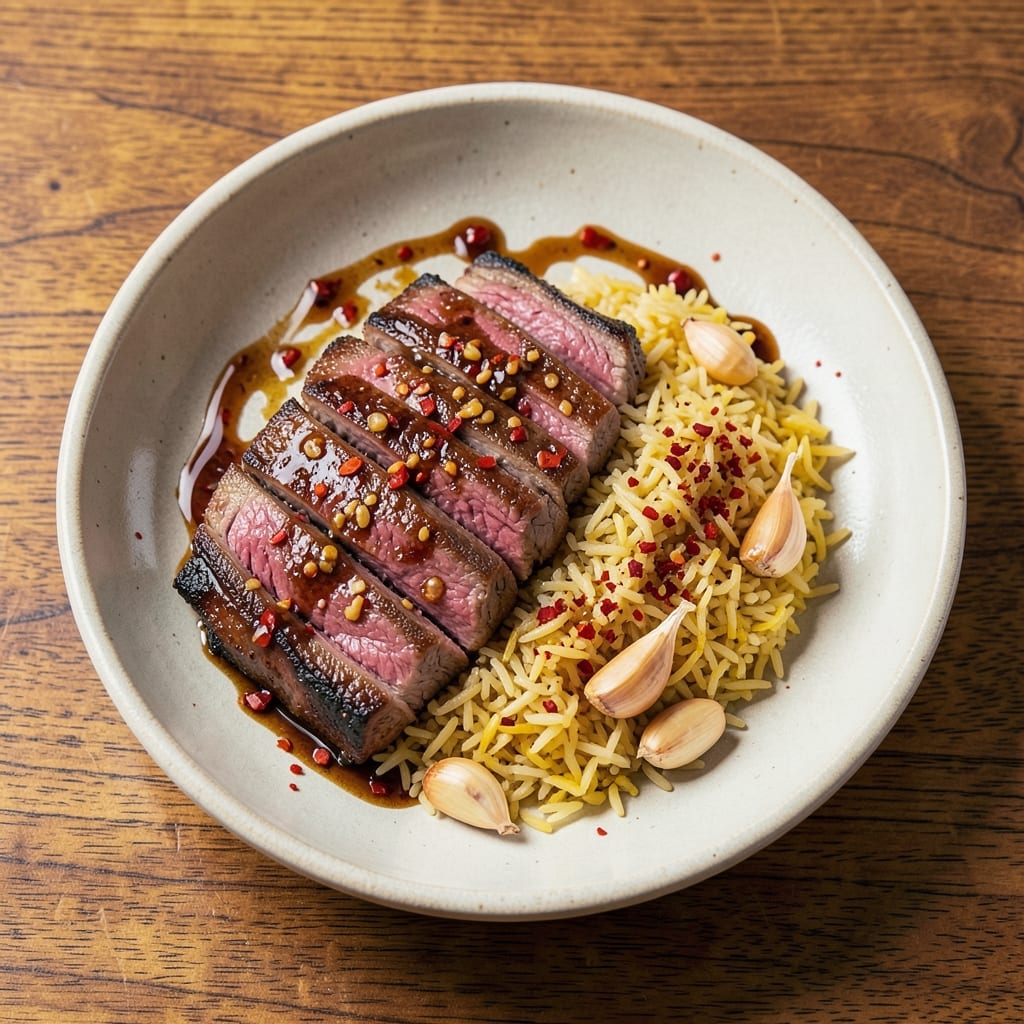
This Asian steak and rice recipe delivers a perfect balance of bold flavors and silky textures that will transform your weeknight dinner into a restaurant-worthy meal. The secret lies in a garlic-chili crust that caramelizes beautifully on the steak, while fragrant jasmine rice absorbs the aromatic essence of ginger and sesame. I developed this dish after years of experimenting with Asian-inspired recipes, and it consistently earns rave reviews from even the most skeptical eaters.
The foundation of this recipe is a simple yet powerful marinade that tenderizes the steak while infusing it with layers of flavor—garlic, chili, soy sauce, and sesame oil work together to create a crust that's both crispy and aromatic. Meanwhile, the jasmine rice cooks up light and fluffy, with optional fried shallots or furikake adding a touch of umami depth. The result is a dish that's equally satisfying as a main course or a comforting meal for two.
What sets this recipe apart is how the components come together: the steak's savory crust contrasts beautifully with the delicate rice, while sautéed vegetables or a quick-pickled cucumber relish add freshness and crunch. The entire dish takes about 45 minutes from start to finish, making it ideal for busy weeknights without sacrificing flavor or quality. The plating is simple yet elegant—steak sliced over rice with a drizzle of sesame oil and a sprinkle of green onions.
This recipe works equally well with flank steak or sirloin, and the marinade can be adjusted to suit your spice preferences. Whether you're serving it for a casual family dinner or a dinner party, the combination of textures and flavors will leave everyone asking for seconds. Let's get started on creating this restaurant-quality Asian steak and rice dish at home.
Ingredients for asian steak and rice
Bold flavors and silky textures start with these 14 essential ingredients for restaurant-quality Asian steak and rice.
| Ingredient | Amount | Notes |
|---|---|---|
| Flank Steak 🥩 | 1 ½ lb | Center-cut, 1-inch thick |
| Jasmine Rice 🍚 | 1 ½ cups | Uncooked, long-grain |
| Garlic Cloves 🧄 | 8 cloves | Minced, fresh preferred |
| Red Chili Flakes 🌶️ | 2 tbsp | Adjust for heat preference |
| Soy Sauce 🍶 | ½ cup | Low-sodium preferred |
| Sesame Oil 🫒 | 2 tbsp | Toasted, for aroma |
| Ginger Root 🌿 | 2 tbsp | Fresh, grated |
| Green Onions 🧅 | ¼ cup | Sliced, for garnish |
| Vegetable Oil 🫒 | 2 tbsp | High smoke point |
| Olive Oil 🫒 | 1 tbsp | For finishing |
| Salt 🧂 | 1 ½ tsp | Kosher or sea salt |
| Black Pepper 🌶️ | 1 tsp | Freshly ground |
| Shallots 🧅 | 2 whole | Thinly sliced, optional |
| Furikake Seasoning 🌶️ | 2 tbsp | Optional, for umami |
The steak is the star here, so flank steak is ideal—it's lean but tender when sliced thin. Look for center-cut at your local butcher or grocery store's meat department. If you can't find flank, sirloin or ribeye work too, but trim any excess fat. The garlic and ginger should be freshly minced—pre-minced jarred versions lack the same punch. For the rice, jasmine rice is a must; it absorbs the marinade's flavors beautifully. If you're feeling adventurous, grab some furikake seasoning from an Asian market—it adds a nutty, savory depth that's hard to replicate.
No flank steak? Sirloin or ribeye are solid swaps, but slice against the grain for tenderness. Short on sesame oil? Toasted sesame seeds at half the amount work in a pinch, though they won't have the same aromatic hit. The soy sauce can be swapped for tamari if you're gluten-free, but keep the low-sodium version—you don't want to over-salt the dish. For the chili flakes, gochugaru (Korean red pepper flakes) adds a fruity depth if you can find it. The shallots are optional but add a delicate sweetness—skip them if you're short on time. Fresh ginger is non-negotiable here; powdered lacks the zesty kick.
The steak marinade keeps for up to 24 hours in the fridge, but the longer it sits, the more tender the meat becomes. The rice can be cooked ahead and reheated with a splash of water—just 10 minutes in the microwave. Store leftover steak in an airtight container for 3-4 days, while rice keeps for 5 days. For meal prep, slice the steak and portion it over rice in containers—add a drizzle of sesame oil when reheating to keep everything vibrant. The furikake, if using, should be sprinkled fresh before serving to preserve its crunch.
Why You'll Love This Recipe
- Foolproof Steak Slice: The flank steak practically sears itself—just 10 minutes of hands-off cooking while you chop garlic and toast chili flakes. No fancy knife skills needed; even my roommate (who burns toast) handled it.
- Umami Bomb: That soy-chili-garlic combo? It’s the kind of flavor that makes you pause mid-bite. The rice soaks up the caramelized bits, turning every mouthful into a little burst of restaurant-quality satisfaction.
- Lunchbox Hero: Pack leftovers for days—steak stays tender, rice holds its shape, and the sauce clings like glue. Honestly, I’ve eaten this cold from a container and still craved more. (Yes, even on a Tuesday.)
- Budget Powerhouse: Flank steak stretches farther than you’d think, and jasmine rice fills plates without breaking the bank. I’ve fed four people for under $15—plus, the leftovers taste better the next day. My wallet and my taste buds win.
Step-by-step instructions for Asian steak and rice
Master this balance of bold flavors and textures with precise technique and timing.
Prepare the Garlic-Chili Crust for the Steak
In a small bowl, combine the 8 cloves minced garlic cloves, 2 tablespoons red chili flakes, 1.5 teaspoons salt, and 1 teaspoon black pepper. Mix well to create a fine, even paste. This aromatic blend will form the signature crust on your flank steak.
Lay the 1.5 lb flank steak on a clean cutting board and pat it dry with paper towels. Spread the garlic-chili paste evenly over both sides of the steak, pressing it into the meat so it adheres completely. Let the steak sit at room temperature for 15-20 minutes while you prepare the rice. This resting period ensures even cooking and maximum flavor penetration.
Cook the Jasmine Rice to Perfect Texture
Rinse the 1.5 cups jasmine rice under cold water until the water runs clear, then drain well. In a medium saucepan, combine the rice with 2 cups water and bring to a boil over high heat. Once boiling, immediately reduce heat to low, cover tightly with a lid, and simmer for 15 minutes without disturbing it.
After 15 minutes, remove the pan from heat and let it sit covered for another 10 minutes. This resting period allows the rice to steam evenly and develop its signature silky texture. Fluff the rice gently with a fork before serving—don't stir it while it's hot, or you'll create a mushy texture.
Sear the Steak with Crispy Perfection
Heat 2 tablespoons vegetable oil in a large skillet over medium-high heat until shimmering. Add the steak and cook for 3-4 minutes per side, pressing down gently with a spatula during the first minute to ensure even contact with the pan. You're aiming for a deep golden-brown crust on both sides—the garlic-chili paste should be caramelized and slightly crispy.
Remove the steak from the pan and let it rest on a cutting board for 5 minutes. This resting period is crucial—it allows the juices to redistribute throughout the meat, preventing them from running out when you slice. While the steak rests, add 1 tablespoon olive oil to the same skillet and set it aside for later use.
Create the Umami-Packed Steak Sauce
In a small bowl, whisk together the 0.5 cup soy sauce, 2 tablespoons sesame oil, and 2 tablespoons grated ginger root. Heat the skillet you used for the steak over medium heat, then pour in the soy sauce mixture. Simmer for 2-3 minutes until the sauce reduces slightly and becomes glossy. Add the 2 whole sliced shallots and cook for another 30 seconds until softened.
Return the steak to the skillet, spooning the sauce evenly over the top. Let it sit for 1-2 minutes to absorb the flavors. Slice the steak against the grain into ¼-inch thick strips for maximum tenderness. Serve immediately over the jasmine rice, drizzled with the remaining sauce.
Finish and Garnish for Restaurant-Quality Presentation
Sprinkle the sliced steak and rice with 0.25 cup sliced green onions and 2 tablespoons furikake seasoning for an extra layer of umami and visual appeal. The furikake adds a subtle seaweed and sesame flavor that complements the garlic-chili crust beautifully.
For each serving, arrange ¼ of the rice on a plate, top with ⅓ of the sliced steak, and drizzle with any remaining sauce from the skillet. The contrast between the crispy, aromatic steak and the silky jasmine rice creates a perfect balance of textures and flavors in every bite.
Pro Tips For Making Asian Steak And Rice
- Sear the Steak First: Hit that flank steak with a screaming-hot pan—no oil yet—until it’s got a deep brown crust. I learned this the hard way: skipping the sear means your sauce will taste flat and the meat will stay chewy. Once it’s browned, pull it out and let it rest while you build the sauce.
- Slice Against the Grain: Flank steak’s tough fibers run diagonally, so slice thinly against them—no more than ¼-inch thick. I used to cut with the grain and wondered why my rice bowl felt like I’d eaten leather. A sharp knife and patience make all the difference.
- Toast the Garlic: Bloom those garlic cloves in the same pan you seared the steak—just until fragrant and golden. Crushed raw garlic burns easily and can turn bitter. This step adds depth without overpowering the soy-chili balance.
- Use Less Soy Sauce: Start with half the soy sauce the recipe calls for, then taste as you go. Flank steak absorbs marinades aggressively, and too much soy can make the rice taste salty. Add a splash of water if needed to loosen the sauce.
Creative variations of this recipe
Japanese Teriyaki Twist
Swap the garlic-chili crust for a teriyaki-inspired marinade by mixing ½ cup soy sauce, 2 tbsp mirin, 1 tbsp honey, and 1 tbsp grated ginger. Let the steak marinate for 4-6 hours instead of the garlic-chili paste. Cook the steak as directed, then finish with a quick glaze by simmering 2 tbsp teriyaki sauce in the skillet until sticky. Garnish with sesame seeds and sliced scallions for a restaurant-style presentation. 🍶
Korean Gochujang Glaze
For a spicy Korean-inspired version, replace the garlic-chili paste with a marinade of 2 tbsp gochujang, 1 tbsp soy sauce, 1 tbsp sesame oil, and 1 minced garlic clove. After searing the steak, brush it with a glaze made by simmering 1 tbsp gochujang, 1 tbsp honey, and 1 tsp rice vinegar for 2 minutes. Serve over rice with quick-pickled cucumbers for a refreshing contrast. 🌶️
Thai Basil Stir-Fry
Transform this into a Thai-inspired dish by adding 1 cup sliced bell peppers and 1 cup sliced mushrooms to the skillet after removing the steak. Deglaze the pan with 2 tbsp fish sauce, 1 tbsp oyster sauce, and 1 tsp palm sugar, then toss the veggies in the sauce for 2-3 minutes. Return the sliced steak to the pan, add ¼ cup chopped Thai basil, and stir-fry for 1 minute. Serve over rice with lime wedges. 🌿
Spicy Peanut Crust
Create a bold peanut crust by mixing 2 tbsp crushed peanuts, 1 tbsp peanut butter, 1 tsp sriracha, and 1 tsp soy sauce into a paste. Coat the steak with this mixture before searing, then finish with a drizzle of 1 tbsp peanut sauce (mix 1 tbsp peanut butter, 1 tsp soy sauce, and 1 tsp honey). Garnish with chopped cilantro and crushed peanuts for a crunchy, nutty finish. 🥜
Vegetarian Mushroom Rice Bowl
For a meat-free version, replace the steak with 1.5 lbs sliced shiitake mushrooms and 1 lb extra-firm tofu pressed and cubed. Marinate the tofu in the garlic-chili paste, then pan-fry until crispy. Sauté the mushrooms separately with 1 tbsp soy sauce and 1 tsp sesame oil. Serve over rice with the same sauce and garnishes for a satisfying vegetarian bowl. 🍄
Sweet Chili Glazed
Add a sweet and tangy twist by brushing the steak with a glaze made from 2 tbsp sweet chili sauce, 1 tbsp honey, and 1 tsp rice vinegar after searing. Simmer the glaze in the skillet for 2 minutes until thickened, then coat the steak thoroughly. Garnish with sliced green onions and a sprinkle of toasted coconut flakes for a tropical-inspired finish. 🌺
Nutrition facts
Frequently asked questions
What's the best cut of steak for this recipe?
Flank steak is ideal because it's lean, flavorful, and develops a perfect crust when sliced thin. For a more tender option, use sirloin or ribeye—just slice against the grain. Avoid thick cuts like ribeye; they won't cook evenly in the pan.
Can I make this recipe ahead of time?
Marinate the steak for up to 24 hours in the fridge for deeper flavor. Cook the rice fresh or reheat with a splash of water. Slice the steak and store it separately in an airtight container for 3-4 days. Reheat gently in a skillet with a drizzle of sesame oil to restore crispiness.
How do I adjust the spice level?
Reduce chili flakes by ½ tablespoon for mild heat or add 1 extra tablespoon for extra spice. For a smoky kick, swap ½ tablespoon of chili flakes with smoked paprika. Always taste the garlic-chili paste before applying it to the steak.
What if I don't have jasmine rice?
Basmati rice works perfectly—it has a similar long-grain texture. For a stickier option, use short-grain Japanese rice, but reduce water by ¼ cup and simmer for 12 minutes instead. Brown rice takes 45 minutes to cook and will have a nuttier flavor.
Why is my steak tough after cooking?
This usually happens if you didn't slice against the grain or overcooked the steak. Always slice at a 45-degree angle to the grain for tenderness. For extra juiciness, let the steak rest for 5 minutes after cooking before slicing. Use a meat thermometer—135°F is perfect for flank steak.