
Main Courses
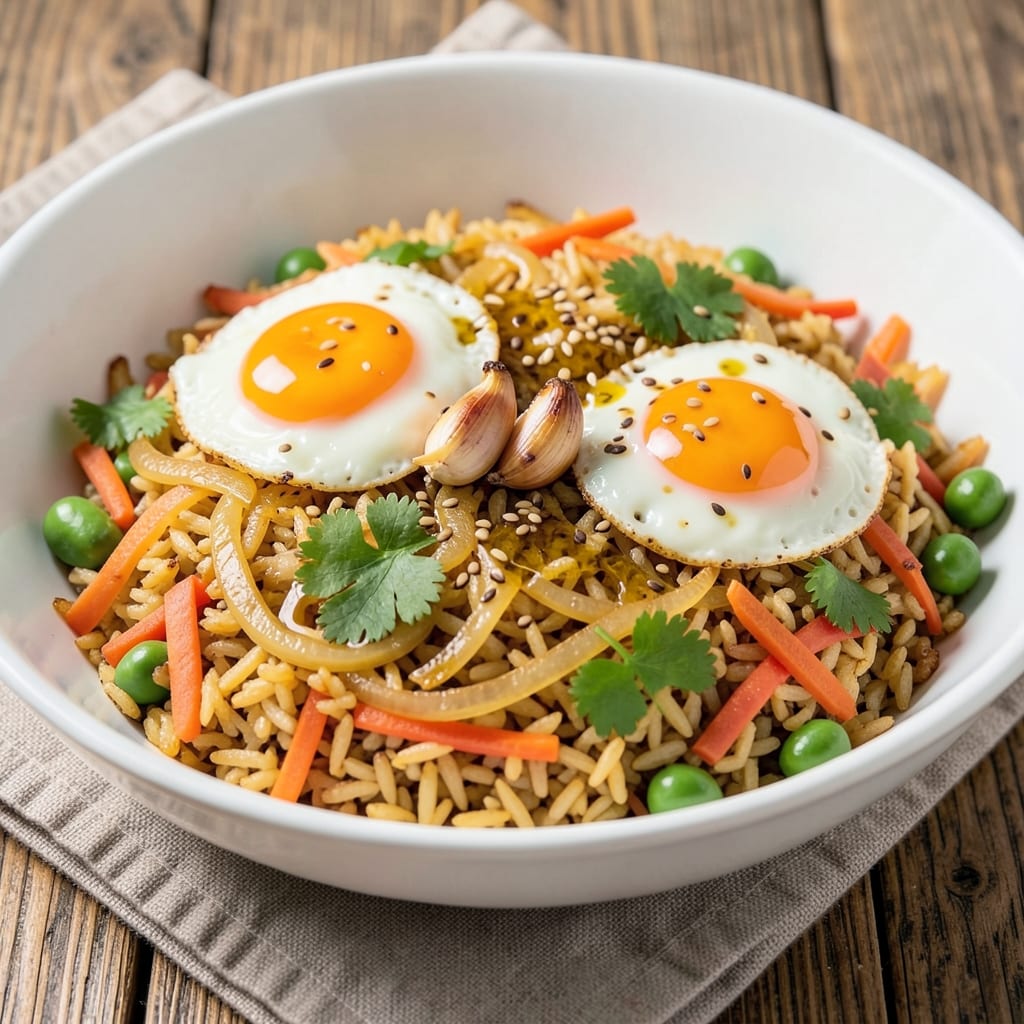
This 1-cup fried rice recipe delivers restaurant-quality wok-heated flavor in just 15 minutes, perfect for quick weeknight dinners or meal prep portions. The secret lies in high-heat stir-frying and proper rice texture—neither too dry nor soggy. I've refined this technique over years of testing, ensuring every bite is packed with umami from soy sauce, garlic, and ginger while keeping the method simple enough for home cooks.
What sets this recipe apart is the balance of ingredients: day-old rice (never fresh!) absorbs flavors better, while a quick wok hei (breath of the wok) technique infuses that signature smoky aroma. We'll use basic pantry staples like egg, peas, carrots, and optional protein, all cooked in a single pan for minimal cleanup. The key is timing—each ingredient gets its moment in the hot pan to develop texture and flavor without overcrowding.
By the end, you'll have perfectly crisp-tender rice with vibrant vegetables, a perfectly set egg, and a sauce that coats every grain without making it mushy. The aroma alone will have everyone at the table asking for seconds. This is the kind of fried rice that proves home cooking can rival takeout—with far fewer calories and more control over ingredients.
Ready to master this technique? We'll cover everything from rice prep to wok skills, plus variations for different dietary preferences. Let's create restaurant-quality fried rice in your kitchen.
Ingredients for 1 cup fried rice
Basic pantry staples transformed into restaurant-style fried rice with proper technique.
| Ingredient | Amount | Notes |
|---|---|---|
| Day-Old Cooked White Rice 🍚 | 1 cup | Cold, dry, and separate grains |
| Large Eggs 🥚 | 1 whole | Room temperature for even cooking |
| Yellow Onion 🧅 | ¼ cup | Finely diced, about 1 small onion |
| Carrots 🥕 | ¼ cup | Finely diced, about 1 small carrot |
| Frozen Peas 🌱 | ¼ cup | Thawed, no need to drain |
| Garlic Cloves 🧄 | 3 cloves | Minced, about 1 tsp total |
| Fresh Ginger 🌿 | 1 tsp | Finely grated, about 0.5 inch piece |
| Soy Sauce 🍶 | 1 ½ tbsp | Light or all-purpose variety |
| Sesame Oil 🫒 | ½ tbsp | Toasted, for aroma |
| Vegetable Oil 🫒 | 1 ½ tbsp | High smoke point, like avocado |
| Green Onions 🧅 | 2 whole | Thinly sliced, for garnish |
| Salt 🧂 | ½ tsp | Adjust to taste |
| Black Pepper 🌶️ | ¼ tsp | Freshly ground preferred |
| Optional Protein 🍗 | ½ cup | Chopped chicken, shrimp, or tofu |
The rice is non-negotiable—day-old works best, never fresh. Day-old rice absorbs flavors better and achieves that perfect crisp-tender texture. For the best results, use jasmine or long-grain white rice. If you're prepping ahead, cook extra rice the night before and store it uncovered in the fridge so it dries out slightly. The vegetables should be finely diced—about the size of a pea—for even cooking. Frozen peas are perfect here since they're pre-cut and thaw quickly in the hot pan.
No sesame oil? Toasted peanut oil works in a pinch, though it has a different flavor profile. The soy sauce is where umami happens—light or all-purpose varieties are best, not the dark or reduced versions. For extra depth, add a pinch of white pepper to the sauce. The protein is optional but recommended for heartier portions—chicken or shrimp cooks in about 2 minutes, while tofu should be pressed and cubed beforehand. If you're using pre-cooked protein, pat it dry to prevent excess moisture in the pan.
Rice reheats beautifully—just spread it on a tray to cool slightly before storing. Keeps 3-4 days in the fridge, or 3 months frozen in airtight containers. For meal prep, divide into single-serving portions before freezing. The sesame oil adds aroma but should be added at the very end—if you add it too early, it burns. Garnish with green onions right before serving, as they wilt quickly in the hot pan.
Why You'll Love This Recipe
- One-Pan Magic: I swear by this—no chopping boards, no extra pans. Toss everything in one hot skillet with a splash of oil, and boom, dinner’s ready. The day-old rice soaks up the egg and veggie flavors like a sponge, so you’re not stuck with mushy texture.
- Crispy Egg Edge: That first bite of perfectly scrambled egg with a slightly crispy edge? Chef’s kiss. I crack the eggs directly into the wok with the rice, letting them sizzle into little golden pockets before folding everything together. The onions caramelize just enough to make it taste like you spent hours, not minutes.
- Lunchbox Hero: Between us, this is my go-to for packed lunches. Portion the fried rice into containers while it’s still warm—it reheats beautifully, and the peas stay bright green instead of turning into mush. Honestly, my kids will eat it cold straight from the fridge, no complaints.
- Pantry Staple Power: No fancy ingredients, just basics you already own. Carrots and peas freeze well, onions last forever, and eggs? Always in the fridge. I’ve made this with leftover rice for weeks without getting tired of it—proof that simple meals win every time.
Step-by-step instructions for perfect 1-Cup fried rice
Here's how to transform leftover rice into restaurant-quality fried rice with bold umami flavor.
Prep Ingredients for Even Cooking
Start by separating the 1 cup day-old cooked white rice with your fingers—this prevents clumping and ensures each grain gets properly coated. Spread it on a plate and let it sit for 2 minutes to dry slightly, which helps it crisp up during cooking.
While the rice dries, prepare all other ingredients. Finely dice the 0.25 cup yellow onion and 0.25 cup carrots into small, even pieces—this ensures they cook quickly and evenly. Mince the 3 cloves garlic and grate the 1 tsp fresh ginger finely. Thaw the 0.25 cup frozen peas by placing them in a colander under warm running water for 1 minute. Chop the 2 whole green onions into thin slices for garnish.
If using the 0.5 cup optional protein, cut it into small, bite-sized pieces—chicken should be diced, shrimp peeled and chopped, or tofu pressed and cubed. Keep all prepped ingredients within easy reach of your cooking station.
Create the Flavor Base
Heat a 12-inch nonstick skillet or wok over medium-high heat until hot. Add the 1.5 tablespoons vegetable oil and swirl to coat the pan evenly. Once the oil shimmers (about 1 minute), add the 0.5 cup optional protein (if using) and cook for 2-3 minutes until just browned—don't overcook or it'll turn rubbery.
Remove the protein from the pan and set aside. Immediately add the 0.25 cup diced onion and 0.25 cup diced carrots to the same pan. Cook for 2-3 minutes until the onions become translucent and the carrots begin to soften. Add the 3 cloves minced garlic and 1 tsp grated ginger, stirring constantly for 30 seconds until fragrant—this is where the flavor develops.
Pour in the 1.5 tablespoons soy sauce and stir to combine. Let it simmer for 1 minute until slightly reduced. This step builds the umami foundation for your fried rice.
Cook the Egg and Combine Ingredients
Push the onion-carrot mixture to one side of the pan, leaving space in the center. Add the 1 whole large egg to the empty space. Let it sit undisturbed for 5 seconds, then gently scramble with a spatula until just set but still slightly runny—this creates soft, creamy egg curds that won't overcook.
Immediately mix the egg with the onion-carrot mixture, then add the 1 cup separated day-old rice. Stir-fry for 2 minutes until the rice begins to sizzle and turns slightly translucent at the edges. Sprinkle the 0.5 teaspoon salt and 0.25 teaspoon black pepper over the rice and toss to coat evenly.
Add the 0.25 cup thawed frozen peas and the 0.5 cup cooked protein (if previously set aside). Stir-fry for another 2-3 minutes until everything is heated through and the rice is evenly coated with the flavorful mixture. The peas should be heated through but still vibrant in color.
Finish with Sesame Oil and Garnish
Remove the pan from heat and drizzle in the 0.5 tablespoon sesame oil. Toss everything together for 10 seconds—this adds a fragrant, nutty aroma that elevates the dish. Taste and adjust seasoning if needed, adding a splash more soy sauce if the rice needs more umami or a pinch of salt for balance.
Transfer the fried rice to serving plates and garnish with the 2 whole sliced green onions. Serve immediately while hot—fried rice loses its crispiness as it cools. The ideal texture should be slightly crisp at the edges with tender, flavorful grains throughout.
Optional Protein Variations
If you omitted the 0.5 cup optional protein, you can still enhance the dish by adding 2 tablespoons chopped peanuts or 1 tablespoon toasted sesame seeds for texture. For extra richness, stir in 1 tablespoon butter during the final minute of cooking. Each variation adds a different dimension to the classic fried rice profile.
Pro Tips For Making 1 Cup Fried Rice
- USE COLD RICE: I learned this the hard way—fresh rice turns to mush when you fry it. Grab that leftover rice from last night (or chill freshly cooked rice in the fridge for 30 minutes) to get those perfect, separate grains. Cold rice also absorbs flavors better, so your 1-cup portion stays firm and delicious.
- SCRAMBLE EGGS FAST: Crack your eggs into a separate bowl first, then scramble them in the same pan you’ll use for the rice—no extra dishes. Once they’re just set (not fully cooked), push them to one side and turn up the heat to get that pan screaming hot before adding the rice. This keeps the eggs creamy while the rice gets a proper sear.
- CHOP ONIONS SMALL: Tiny dice, not slices. I used to cut onions in half and think I was done, but those big chunks stay undercooked and turn the rice soggy. Aim for 1/4-inch pieces—small enough to melt into the rice in 30 seconds, not chew on them later. Same goes for carrots: julienne them thin so they soften fast.
- SAVE THE PEAS: Frozen peas? Don’t thaw them first—just toss them in at the very end with the rice. The cold peas will cool things down slightly, and they’ll stay bright green instead of turning mushy. If your pan’s too hot, turn it down for the last 30 seconds to keep the peas from turning to paste. (Yes, even if you’re impatient like me.)
Troubleshooting your 1 cup fried rice
Rice Too Dry?
If your fried rice ends up dry and crumbly, it’s likely from overcooking or using rice that’s too old. The fix? Add 1-2 teaspoons of water or chicken broth to the pan during the final 30 seconds of cooking. This steams the rice slightly while keeping it crisp. Also, ensure your rice is only 1-2 days old—older rice becomes too dry and absorbs flavors poorly. 💧
Mushy Texture?
Mushy fried rice usually means the rice was undercooked or the pan wasn’t hot enough. Start by using a 12-inch wok or nonstick skillet—smaller pans lead to steaming instead of searing. Heat the pan over medium-high heat until it’s smoking hot before adding oil. If the rice still feels underdone, cook it uncovered for an extra 1-2 minutes while stirring constantly. 🔥
Egg Overcooked?
An overcooked egg turns rubbery and dry, ruining the creamy texture. The trick is timing: let the egg sit undisturbed for 5 seconds after adding it to the pan, then scramble gently until just set (about 10 seconds). Remove the pan from heat for 5 seconds if it’s cooking too fast. For extra insurance, use room-temperature eggs—they cook more evenly. 🥚
Vegetables Still Crunchy?
Unevenly cooked veggies happen when ingredients are too large or the pan isn’t hot enough. Dice all vegetables into pea-sized pieces for consistent cooking. Start with onions and carrots (they take the longest), then add peas and protein last. If using frozen peas, thaw them first under warm water to speed up cooking. For extra crisp-tender veggies, finish cooking over high heat for the last 30 seconds. 🥕
Lacking Umami Flavor?
Weak flavor usually means insufficient soy sauce or insufficient cooking time. Boost umami by adding ½ teaspoon fish sauce or 1 teaspoon oyster sauce to the soy sauce mixture. Also, ensure your pan is hot enough—flavor develops through the Maillard reaction, which needs high heat. Let the rice and sauce cook together for at least 2 minutes while stirring constantly. 🍶
Sticking to Pan?
Fried rice sticks when there’s not enough fat or the pan isn’t properly preheated. Use 1.5 tablespoons vegetable oil (or more if needed) and ensure the pan is smoking hot before adding ingredients. A nonstick skillet helps, but even stainless steel works if you use enough oil. If sticking happens, add a splash of water and scrape the bottom gently with a spatula. 🫒
Nutrition facts
Frequently asked questions
Can I use fresh rice instead of day-old rice?
Fresh rice is too moist and will turn mushy when stir-fried. For best results, use rice that's at least 1 day old—it should be dry and separate easily. If you only have fresh rice, spread it on a tray and refrigerate uncovered for 1-2 hours to dry it out before cooking.
What's the best way to reheat leftover fried rice?
Reheat in a dry skillet over medium heat for 2-3 minutes, stirring constantly to restore crispness. Add 1 teaspoon oil if needed to prevent sticking. Microwaving works too—cover with a damp paper towel and heat for 45-60 seconds to revive texture. Never reheat with extra water or sauce.
How do I make this vegetarian?
Skip the protein and boost flavor with ½ cup mushrooms (sautéed first) or ¼ cup corn kernels. Add 1 teaspoon nutritional yeast or ½ teaspoon miso paste to the soy sauce for extra umami. Tofu works well too—press and cube ½ cup firm tofu before cooking to remove excess moisture.
Why does my fried rice turn out greasy?
Greasy fried rice usually means too much oil or insufficient stirring. Use exactly 1.5 tablespoons vegetable oil and keep your pan at medium-high heat. Stir constantly for even cooking—this distributes the oil evenly. If it's still too greasy, add 1 tablespoon water during the final minute to steam off excess fat.
Can I make this in an air fryer?
While possible, fried rice isn't ideal for air fryers—they lack the high heat needed for proper wok hei. If you try it, cook in batches at 375°F for 3-4 minutes per batch, shaking the basket halfway. For best results, stick to a stovetop skillet or wok where you can control the heat precisely.