
Side Dishes
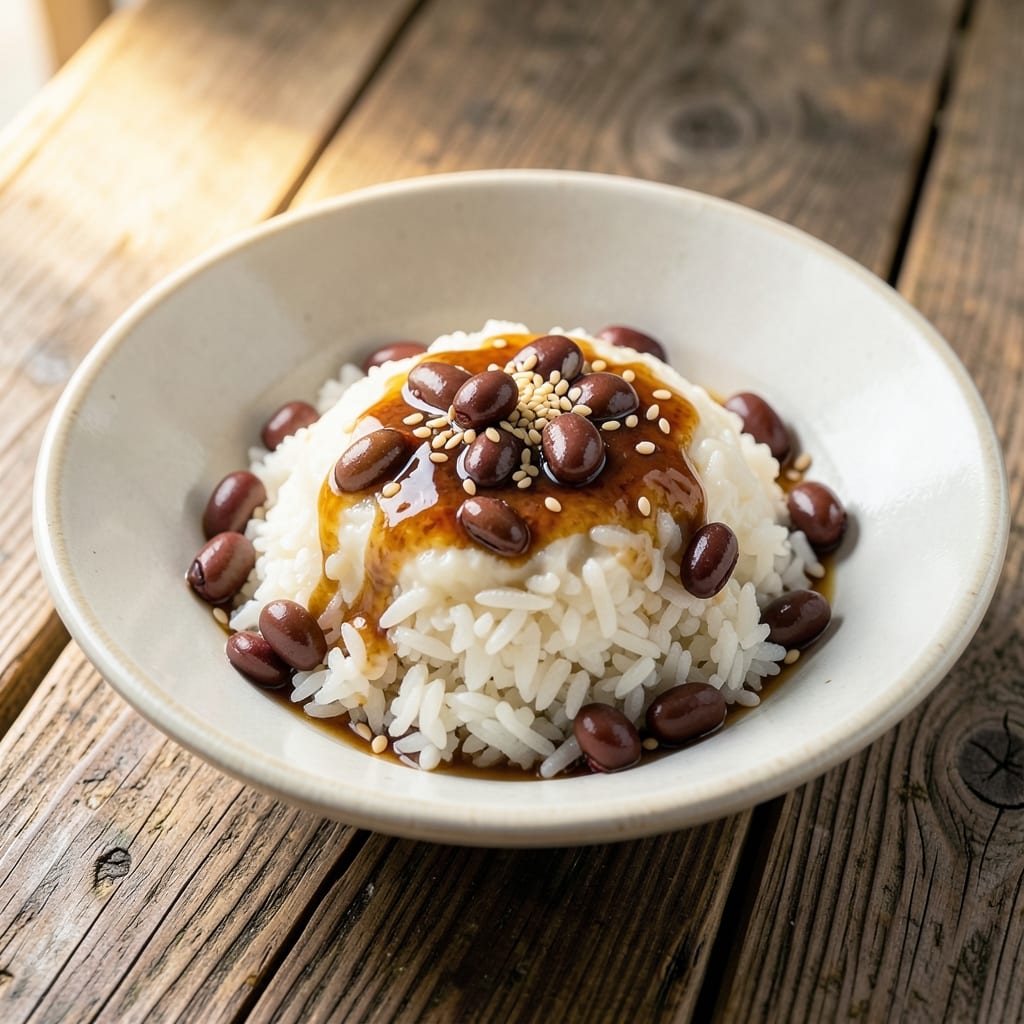
This adzuki beans and rice recipe brings the comforting essence of Japanese home cooking to your table with minimal effort. The sweet-tangy flavor of adzuki beans—traditionally used in desserts like mochi—transforms into a savory, hearty side dish when paired with fluffy rice. I developed this version after realizing how versatile these beans could be beyond their usual sweet applications, creating a one-pot meal that's both satisfying and simple to prepare.
The secret lies in balancing the natural sweetness of the beans with subtle savory notes, achieved through a simple soy-mirin glaze that caramelizes during cooking. Unlike traditional anko (sweet red bean paste), this recipe highlights the beans' earthy depth while keeping the dish light enough to serve alongside grilled fish or miso soup. The beans soften perfectly when simmered with rice, creating a dish that's naturally gluten-free and packed with plant-based protein.
What you'll end up with is a fragrant, golden-brown bowl where each bite delivers tender rice and creamy beans coated in a glossy glaze. The texture is irresistibly comforting—soft yet slightly chewy beans contrast beautifully with the fluffy grains. This recipe serves as a perfect introduction to Japanese home-style cooking, offering a taste of tradition without requiring specialized ingredients.
Perfect for weeknight dinners or meal prep, this dish reheats beautifully while maintaining its texture. Garnish with a sprinkle of sesame seeds or a drizzle of toasted soy sauce for extra depth. Let's create this harmonious one-bowl meal that's as nourishing as it is delicious.
Ingredients for adzuki beans and rice
Japanese pantry staples transform into a harmonious one-bowl meal with tender adzuki beans and fragrant rice.
| Ingredient | Amount | Notes |
|---|---|---|
| Adzuki Beans (Dried) 🌾 | 1 cup | Rinsed thoroughly before cooking |
| Japanese Short-Grain Rice 🍚 | 1 ½ cups | Uncooked, sushi rice preferred |
| Water 💧 | 3 cups | Filtered preferred for clarity |
| Mirin 🍶 | ¼ cup | High-quality, non-alcoholic preferred |
| Soy Sauce 🥢 | ¼ cup | Japanese tamari preferred |
| Sesame Oil 🫒 | 1 tbsp | Toasted for aroma |
| Sugar 🍬 | 1 tbsp | Granulated, light brown preferred |
| Garlic Cloves 🧄 | 2 cloves | Minced finely |
| Ginger Root 🌿 | 1 tbsp | Freshly grated |
| Vegetable Oil 🫒 | 1 tbsp | Light neutral oil |
| Dried Shiitake Mushrooms 🍄 | 2 whole | Rehydrated, sliced thin |
| White Miso Paste 🧈 | 1 tbsp | High-quality, unsweetened |
| Toasted Sesame Seeds 🌰 | 1 tbsp | For garnish |
| Green Onions 🧅 | 2 whole | Thinly sliced, for garnish |
The adzuki beans are the heart of this dish, and dried beans yield the best texture—soaked overnight for even tenderness. Japanese markets carry pre-rinsed beans, but if using dried, triple-rinse to remove impurities. For rice, sushi rice with short grains absorbs flavors better than long-grain varieties. The mirin and soy sauce should be Japanese brands for authentic umami depth—Kikkoman or Hondashi are reliable choices. Fresh ginger and garlic should be vibrant and aromatic; peeled ginger keeps for 2 weeks in the fridge, while garlic lasts 1 month unpeeled.
No mirin? Substitute 1 tbsp sugar plus 1 tbsp water for sweetness, but the depth will differ. Tamari soy sauce is gluten-free and preferred, but regular soy works in a pinch. Dried shiitake mushrooms can be omitted if unavailable, but their umami adds richness. For extra protein, add 1 cup cooked edamame or 1/2 cup tofu cubes at the end. The miso paste should be white (shiro) miso—red miso would overpower the delicate flavors. Toasted sesame oil adds aroma, but neutral oil works if unavailable—just omit the final drizzle.
Rice and beans reheat beautifully—5 minutes in a steamer restores texture perfectly. Store components separately: rice in an airtight container for 3 days, beans in their cooking liquid for 4 days. For meal prep, assemble just before serving to maintain freshness. The garnishes (sesame seeds and green onions) can be stored in the freezer for 3 months—just toast seeds before use. This dish freezes well for 2 months if packaged airtight, though texture may slightly alter.
Why You'll Love This Recipe
- Foolproof Simplicity: I swear, this is the kind of meal where you can set it and forget it. Soak the beans overnight (or use canned in a pinch), toss them with rice and broth, and let the rice cooker do the rest—no stirring, no stress, just good food waiting.
- Sweet-Salty Magic: That combo of mirin and soy sauce? Chef’s kiss. The beans stay tender while the rice gets that perfect sticky cling, and the sauce caramelizes just enough to make every bite taste like a little hug. Honestly, I’ve tried fancier versions, but this is the one my family begs for.
- Meal Prep MVP: Between us, this is my go-to for lunches all week. Cook a big batch—it reheats beautifully—and suddenly you’ve got a protein-packed, fiber-rich side that works for bento boxes, quick breakfasts, or even a cold salad when you’re in a rush. (Yes, even on a Tuesday night.)
- Budget-Friendly Staple: Adzuki beans and rice cost next to nothing, but they feel like a treat. I buy them in bulk, and a single batch stretches across three meals—no wasted leftovers, no takeout splurges. Plus, the rice stretches so well that even picky eaters (looking at you, my kid who only eats chicken) will devour it.
Step-by-step instructions for adzuki beans and rice harmony
This Japanese-inspired one-bowl dish delivers perfect texture and flavor balance every time.
Prepare the Adzuki Beans and Rice Base
Rinse the 1 cup adzuki beans thoroughly under cold water, then soak them in fresh water for at least 2 hours or overnight. This ensures even cooking and prevents splitting. Drain and set aside.
In a medium saucepan, combine the 1.5 cups Japanese short-grain rice, the drained adzuki beans, and the 3 cups water. Bring to a boil over high heat, then immediately reduce to a simmer. Cover and cook for 30 minutes, or until the liquid is completely absorbed and the rice is tender. The beans should be soft but still hold their shape—this is your foundation for the sweet-savory harmony.
Build the Sweet-Savory Sauce
In a small saucepan, combine the 0.25 cup mirin, 0.25 cup soy sauce, 1 tbsp sugar, 2 minced garlic cloves, and 1 tbsp freshly grated ginger root. Bring to a gentle simmer over medium heat and reduce by half—about 5 minutes—until thickened slightly. This reduction concentrates the flavors and creates a glossy, cohesive sauce.
While the sauce simmers, rehydrate the 2 whole dried shiitake mushrooms by soaking them in hot water for 20 minutes. Drain, reserving the soaking liquid, then slice them thinly. In a separate small pan, heat 1 tbsp vegetable oil over medium heat and sauté the mushrooms until golden—about 3 minutes. Set aside.
Incorporate Aromatics and Miso
Return the cooked rice and beans to their saucepan and stir in the reduced mirin-soy sauce mixture. Add the sautéed shiitake mushrooms, 1 tbsp white miso paste, and 1 tbsp toasted sesame oil. Gently fold everything together until the miso is fully incorporated and the mixture is evenly coated. The dish should have a rich, umami depth with a subtle sweetness.
Taste and adjust seasoning if needed—you may want to add a splash of the reserved shiitake soaking liquid to loosen the texture slightly. The goal is a cohesive, flavorful mass that's neither dry nor overly saucy. This is where the sweet and savory elements truly harmonize.
Finish and Garnish
Transfer the mixture to a serving bowl and let it rest for 5 minutes. This allows the flavors to meld and the texture to set slightly. Garnish with thinly sliced green onions and an additional sprinkle of toasted sesame seeds for visual contrast and extra aroma.
Serve immediately while warm. The dish should have a delicate balance of textures—tender rice and beans, chewy shiitake mushrooms, and a glossy, aromatic sauce. Each bite should deliver a perfect harmony of sweet, savory, and umami notes, with the sesame seeds adding a subtle crunch.
Pro Tips For Making Adzuki Beans And Rice
- SOAK BEANS 8 HOURS: Dried adzuki beans need a good long soak—at least 8 hours, overnight if possible. I learned this the hard way: skipping it means they’ll split open unevenly and turn mushy, no matter how long you simmer. Cold water’s fine, but swap it once if you’re short on time.
- USE LESS WATER FOR RICE: Japanese short-grain rice needs just 1:1 rice-to-water ratio, not the 1:1.5 you might see elsewhere. Too much water = gummy rice, and nobody wants that. Measure carefully—your rice will be fluffy and separate, not glued together.
- DON’T BOIL BEANS HARD: Once the beans hit a simmer, keep the heat low. After 30 minutes, they’ll soften, but if you let them boil aggressively, they’ll fall apart into a paste. Stir occasionally and adjust the heat so it’s a gentle bubble, not a rolling boil.
- ADD MIRIN LAST: Mirin’s sweetness and acidity are best when added at the very end, right before serving. If you toss it in too early, it’ll cook off and lose its bright flavor. A splash over the finished rice and beans—plus a drizzle of soy sauce—elevates the whole dish without extra effort.
Storing and reheating this adzuki beans and rice
Fridge Storage Tips
Store the cooked rice and beans separately in airtight containers to maintain freshness. The rice keeps well for 3 days at 40°F or below, while the beans (stored in their cooking liquid) last 4 days. I like using glass Pyrex containers because they prevent odors from seeping in and allow me to reheat directly in the microwave. The glaze will thicken slightly in the fridge, so add 1-2 tablespoons of water when reheating. 💧
Freezer-Friendly Packaging
For longer storage, freeze the dish in single-serving portions using quart-sized freezer bags. Leave 1-inch headspace to prevent expansion cracks, and squeeze out excess air to avoid freezer burn. Label with the date—this dish stays flavorful for 2 months. When ready to eat, thaw overnight in the fridge, then reheat gently. The texture remains tender, though slightly firmer than fresh. ❄️
Steamer Reheating Method
My favorite way to restore texture is using a steamer basket over boiling water for 5 minutes. This gentle heat reactivates the rice's moisture without drying out the beans. For extra flavor, add ½ teaspoon toasted sesame oil and 1 teaspoon mirin before steaming. The dish emerges with a restaurant-quality sheen and aroma. 🌟
Microwave Revival Tricks
For quick meals, microwave individual portions on medium power (50%) for 2 minutes, then stir and continue in 30-second bursts until heated through. Cover with a damp paper towel to prevent drying. If the glaze looks too thick, add 1 tablespoon of hot water and stir. The sesame seeds and green onions should be added fresh after reheating for the best presentation. 🔥
Garnish Refreshment
Toasted sesame seeds and green onions lose freshness when stored with the dish. Keep them in a small airtight container in the fridge for up to 1 week or freeze for 3 months. Just before serving, toast the seeds in a dry pan for 30 seconds to restore their nutty aroma. The vibrant green onions add a pop of color and brightness to each bite. ✨
Meal Prep Timeline
Prepare the rice and beans 1 day ahead and store separately. On serving day, simply reheat and assemble with fresh garnishes. For a 3-day meal prep plan, cook a double batch, divide into portions, and refrigerate. The flavors deepen overnight, making it even more delicious when reheated. This strategy saves time while keeping the dish restaurant-quality. 📅
Nutrition facts
Frequently asked questions
Can I substitute dried adzuki beans for canned?
While canned adzuki beans work in a pinch, dried beans create the ideal texture for this recipe. Canned beans are pre-cooked and often softer, which can make the dish too mushy. If you must use canned, drain and rinse them thoroughly, then simmer in the pot for an extra 10 minutes to firm up their texture. For best results, stick with dried beans soaked overnight.
What's the best rice for this recipe?
Japanese short-grain white rice is ideal because it's naturally sticky and absorbs flavors beautifully. If you don't have access to it, sushi rice or even Arborio rice work well as substitutes. Avoid long-grain varieties like basmati or jasmine—they won't achieve the same creamy texture. The rice should be tender but still hold its shape after cooking.
How do I adjust this recipe for a sweeter taste?
To enhance the sweetness, increase the sugar to 2 tablespoons and add 1 tablespoon of honey to the mirin-soy sauce mixture. For a more traditional Japanese sweet bean flavor, try adding 1/4 cup of azuki bean paste (anko)strong> at the end and gently folding it in. This creates a dessert-like version that's perfect for serving with matcha or ice cream.
Can I make this dish vegan?
This recipe is already vegan-friendly, but you may want to check your mirin and soy sauce for animal-derived additives. Use a dedicated vegan mirin (like Kikkoman's vegan version) and tamari instead of regular soy sauce. The white miso paste is typically vegan, but verify the brand. For extra richness, stir in 1 tablespoon of vegan butter when reheating.
Why did my beans turn mushy?
Mushy beans usually result from overcooking or insufficient soaking.