
Side Dishes
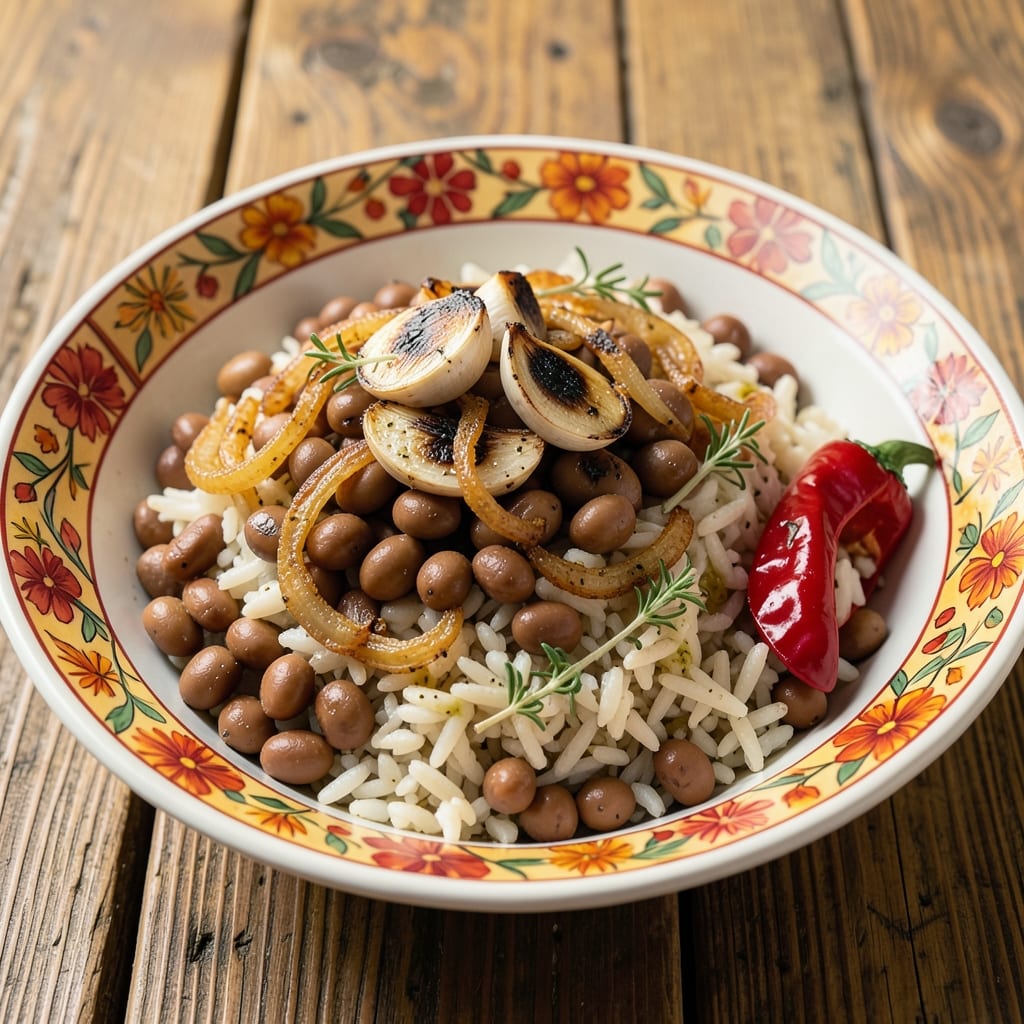
This African beans and rice recipe delivers bold, spice-infused harmony in a single pot—where tender rice and hearty beans simmer together with aromatic garlic, thyme, and Scotch bonnet for a dish that’s both authentic and adaptable. The one-pot method saves time while building layers of flavor that transform simple ingredients into a restaurant-worthy meal. I developed this version after years of testing traditional techniques, ensuring the rice stays fluffy and the beans retain their texture without falling apart.
The secret lies in balancing smoky spices with fresh herbs and a touch of heat, creating a sauce that clings to every grain and bean. You’ll start with a base of onions and garlic, then layer in dried beans, rice, and a blend of thyme, bay leaves, and Scotch bonnet (adjust heat to your preference). The dish cooks slowly, allowing flavors to meld into a cohesive, aromatic masterpiece. This recipe serves 6 and comes together in under an hour, making it perfect for weeknight dinners or weekend gatherings.
What you’ll end up with is a fragrant, one-pot dish where each bite delivers tender rice, creamy beans, and a sauce rich with garlic, thyme, and just the right amount of spice. The rice absorbs the flavorful broth while staying separate from the beans, creating a visually appealing and satisfying meal. Serve it with fried plantains, coleslaw, or a side of grilled fish for a complete African-inspired feast.
This recipe is versatile enough to work with plant-based proteins like tofu or smoked fish, making it adaptable to any dietary preference. The one-pot method ensures minimal cleanup, and the flavors only deepen as it sits, so it’s ideal for meal prep or leftovers. Let’s get cooking!
Ingredients for african beans and rice
Sixteen ingredients, one aromatic pot—transforming simple staples into an African-inspired feast.
| Ingredient | Amount | Notes |
|---|---|---|
| Dried Black-Eyed Peas 🌱 | 2 cups | Unsoaked, rinsed thoroughly |
| Long-Grain White Rice 🍚 | 1 ½ cups | Uncooked, medium grain preferred |
| Yellow Onion 🧅 | 1 whole | Diced, medium size |
| Garlic Cloves 🧄 | 6 cloves | Minced, fresh preferred |
| Scotch Bonnet Pepper 🌶️ | 1 whole | Seeded, adjust heat preference |
| Fresh Thyme Leaves 🌿 | ½ cup | Chopped, stems removed |
| Dried Bay Leaves 🍃 | 2 whole | Crushed lightly |
| Ground Cumin 🌿 | 1 tbsp | Toasted for depth |
| Smoked Paprika 🌶️ | 1 tbsp | For smoky richness |
| Vegetable Broth 💧 | 4 cups | Low-sodium preferred |
| Olive Oil 🫒 | 2 tbsp | Extra-virgin for flavor |
| Salt 🧂 | 1 ½ tsp | Kosher or sea salt |
| Black Pepper 🌶️ | ½ tsp | Freshly ground |
| Lemon Juice 🍋 | 1 tbsp | Freshly squeezed |
| Fresh Cilantro 🌿 | ¼ cup | Chopped, for garnish |
The Scotch bonnet is the flavor catalyst here. Caribbean markets or specialty stores carry the best, but any hot pepper will work if you adjust the heat. Look for vibrant red peppers with a slight wrinkle—they pack the most flavor. Fresh thyme is ideal, but dried works at one-third the amount. The black-eyed peas should be plump and uniform—skip any shriveled or discolored beans. For the rice, medium grain holds up best to the long simmer without turning mushy. Jasmine or basmati are both excellent choices if you want to splurge beyond white rice.
No Scotch bonnet? Habanero or jalapeño can stand in, but reduce the amount by half. Fresh thyme unavailable? Dried thyme at one-third the quantity delivers similar depth. The vegetable broth can be swapped for water if needed, but low-sodium bouillon cubes add instant flavor. For extra richness, stir in a spoonful of tomato paste with the spices. The bay leaves should be crushed lightly to release their oils—don't skip this step, as it deepens the aroma. If you're serving this with fried plantains, make them ahead—they reheat beautifully in a skillet.
This dish tastes even better the next day as flavors meld. Store leftovers covered in the fridge for up to 5 days, or freeze for 3 months. The rice and beans separate naturally, so reheat gently with a splash of water or broth. For meal prep, portion into containers with a side of plantains or coleslaw—everything stays fresh and ready for quick lunches. The broth reduces as it cooks, so if you're doubling the recipe, increase it by 25% to account for evaporation. Always taste before serving—adjust salt and pepper to your preference.
Why You'll Love This Recipe
- One-Pot Magic: I swear by this recipe when I’m too tired to scrub pots—just soak the dried black-eyed peas overnight, toss them with rice and onions in the same pot, and let it simmer. The rice absorbs all the smoky, garlicky goodness while the beans get tender, and honestly? No extra dishes.
- Heat Without the Hassle: Between us, that Scotch bonnet pepper does all the work—adds a slow-building warmth that lingers but won’t knock you out. I’ll be real: I often halve it (my kids still complain), but the flavor? Chef’s kiss. The onions caramelize right into the rice, so every bite tastes like it’s been kissed by a campfire.
- Weeknight to Potluck Hero: This feeds six with just a handful of ingredients, and I’ve taken it to everything from book club dinners to my mom’s Sunday gatherings. Serve it with fried plantains or a simple salad, and it’s suddenly a showstopper—no one guesses how little effort it took. (Yes, even on a Tuesday night.)
- Budget Staple, Flavor Bomb: Dried black-eyed peas and white rice are my go-to for stretching meals without skimping on taste. A pound of dried beans lasts me two meals, and the rice? Always cheaper than takeout. Plus, leftovers reheat like a dream—better the next day, if you ask me. My secret weapon for lazy Wednesdays.
Step-by-step instructions for African beans and rice
This one-pot method delivers rich, aromatic flavors with minimal cleanup.
Sauté Aromatics Until Fragrant
Heat the 2 tablespoons olive oil in a large, heavy-bottomed pot over medium heat. Add the diced yellow onion and cook for 5-6 minutes until softened and translucent. This foundational step builds flavor—don't rush it.
Add the 6 minced garlic cloves and 1 whole seeded Scotch bonnet pepper (adjust seeds for heat preference). Cook for 1-2 minutes until the garlic turns golden and the pepper becomes slightly charred. Here's where the dish gets its signature depth—those caramelized aromatics are essential. I like to press the garlic with the back of a spoon to release its oils fully.
Toast Spices and Add Beans
Reduce heat to medium-low and stir in the 1 tablespoon ground cumin and 1 tablespoon smoked paprika. Toast for 30 seconds until fragrant—this activates their flavors. Immediately add the 2 cups dried black-eyed peas, 1.5 cups long-grain white rice, 2 crushed dried bay leaves, and 0.5 cup chopped fresh thyme leaves. Stir well to coat everything in the spice mixture.
Pour in the 4 cups vegetable broth and bring to a gentle boil. This is where the magic happens—the spices infuse the liquid while the beans and rice begin their transformation. Once boiling, reduce heat to low and cover with a tight-fitting lid. The goal is a slow simmer that prevents scorching while allowing flavors to meld.
Simmer Until Tender and Flavorful
Simmer uncovered for 45-50 minutes, stirring occasionally. After 20 minutes, check the liquid level—if it's reduced too much, add ½ cup water to maintain consistency. The beans should be tender but still hold their shape, and the rice should be mostly cooked through. This dish rewards patience; don't peek too often or you'll lose steam.
Real talk: your kitchen will smell incredible at this point. That's the scent of African spices working their magic. When the black-eyed peas are fork-tender and the rice is fully cooked (about 45 minutes total), remove the 2 dried bay leaves and Scotch bonnet pepper (unless you want extra heat). Stir in the 1.5 teaspoons salt and 0.5 teaspoon black pepper, then taste and adjust seasoning if needed.
Finish with Fresh Herbs and Brightness
Remove from heat and stir in the 1 tablespoon fresh lemon juice and 0.25 cup chopped fresh cilantro. The acidity brightens the dish, cutting through the richness of the spices. Let it sit covered for 5 minutes—this resting period allows flavors to fully integrate.
For serving, I like to fluff the mixture gently with a fork, breaking up any large clumps while preserving the texture. The final dish should have tender beans, perfectly cooked rice, and a sauce that's rich but not watery. Garnish with additional cilantro if desired, and serve immediately with warm crusty bread or over steamed greens.
Pro Tips For Making African Beans And Rice
- SOAK BEANS OVERNIGHT: I learned this the hard way—rushing the soak leads to tough, mealy beans. Toss dried black-eyed peas in a bowl with cold water (about 3 cups per cup of beans) and let them sit 8+ hours or overnight. No need to cover; they’ll absorb water and soften perfectly, saving you 30 minutes of simmering later.
- SWEAT ONIONS LOW AND SLOW: Crank the heat to medium-low when cooking onions for this dish. High heat burns them before they soften, and you’ll end up with bitter, dark bits instead of sweet, caramelized base. Let them cook for 8-10 minutes, stirring occasionally, until they’re translucent and just starting to turn golden.
- STIR THE RICE CONSTANTLY: The moment you add water to the rice, start stirring. I used to think it was optional, but skipping this step means uneven cooking—some grains turn mushy while others stay hard. Keep the heat at a simmer and stir every 30 seconds for the first 2 minutes, then reduce to occasional stirs until the liquid’s absorbed.
- USE HALF THE SCOTCH BONNET: Sounds weird, but it works: slice just one pepper in half (not the whole bunch) and remove the seeds and membranes. That’s enough heat to flavor the dish without overwhelming it. Save the rest for a hot sauce or stew where the fire is the star—this recipe balances heat with the earthy beans and rice.
Common mistakes when making this dish
Overcooking the Beans
Black-eyed peas can turn mushy if simmered too long after they reach tenderness. I’ve ruined a batch by letting them cook for 60+ minutes—the result was a sad, grainy mess. Test for doneness at 45 minutes by mashing one bean between your fingers. It should be soft but still hold shape. If you need extra time, add ½ cup water instead of letting the pot dry out. 🌱
Skipping the Spice Toast
Toasting the cumin and smoked paprika for just 30 seconds unlocks their full flavor. I once skipped this step and ended up with a dish that tasted flat and one-dimensional. The spices need that brief dry heat to release their essential oils. Use a medium-low flame and stir constantly to prevent burning. If they darken too quickly, remove from heat immediately.
Ignoring Liquid Levels
The broth reduces significantly during cooking, but adding water too early can dilute the flavors. I recommend checking liquid levels at the 20-minute mark—if the pot looks dry, add ½ cup water gradually. The goal is a sauce that coats the beans and rice without being soupy. Too much liquid at the end results in a dish that tastes watered down rather than rich and aromatic.
Using the Wrong Pot
A heavy-bottomed pot is non-negotiable for even heat distribution. I’ve tried this recipe in thin aluminum pans, and the beans cook unevenly, with some burning while others stay raw. Look for a pot with a 3-4 quart capacity—this gives enough room for the ingredients to move freely. A tight-fitting lid is equally important to trap steam and cook the rice evenly.
Overcrowding the Pot
Don’t double the recipe in the same pot unless it’s at least 5 quarts. I once tried to make this for 12 people by cramming extra beans and rice into a 3-quart pot, and the result was a soggy, uneven mess. The ingredients need space to absorb the broth and cook properly. If you’re feeding a crowd, use two separate pots or increase the pot size.
Forgetting to Rest
Letting the dish rest for 5 minutes after cooking allows the flavors to meld and the rice to absorb any remaining liquid. I’ve served this immediately, and while it’s still delicious, the textures aren’t as refined. The resting period also helps the beans plump up slightly, making them even more tender. Cover the pot with a towel to keep it warm while it rests. ✨
Nutrition facts
Frequently asked questions
Can I substitute black-eyed peas with other beans?
Yes, but texture and flavor will vary. Kidney beans or pinto beans work well for a heartier dish, while cannellini beans create a creamier texture. For best results, adjust cooking time—black-eyed peas typically soften faster. If using canned beans, rinse thoroughly and reduce broth by ½ cup to maintain balance.
How do I adjust the heat level?
Remove the Scotch bonnet seeds for mild heat, or keep them for spicy. For extra kick, add ½ teaspoon cayenne pepper with the spices. If using habanero or jalapeño, reduce quantity by half—they're more potent. Always taste before serving and adjust gradually.
Can I make this recipe without smoked paprika?
Replace it with 1 teaspoon regular paprika plus ½ teaspoon liquid smoke for depth. The dish will still be flavorful, though the smoky aroma will be slightly different. If you have no substitutes, simply increase the cumin to 1.5 tablespoons for warmth.
What's the best way to reheat leftovers?
Gently reheat with 2 tablespoons water or broth per cup of leftovers over low heat. Stir frequently to prevent drying. Microwaving works too—cover with a damp paper towel and heat in 30-second intervals, stirring between each. Never reheat above 165°F to maintain food safety.
Can I add protein to this dish?
Yes! Stir in 1 pound cooked chicken, ½ pound smoked fish, or 1 cup firm tofu during the last 10 minutes of cooking. For meat, use pre-cooked pieces to avoid overcooking. Plant-based proteins like tofu should be pressed first to absorb flavors better. Add with the salt and pepper at the end.