
Main Courses
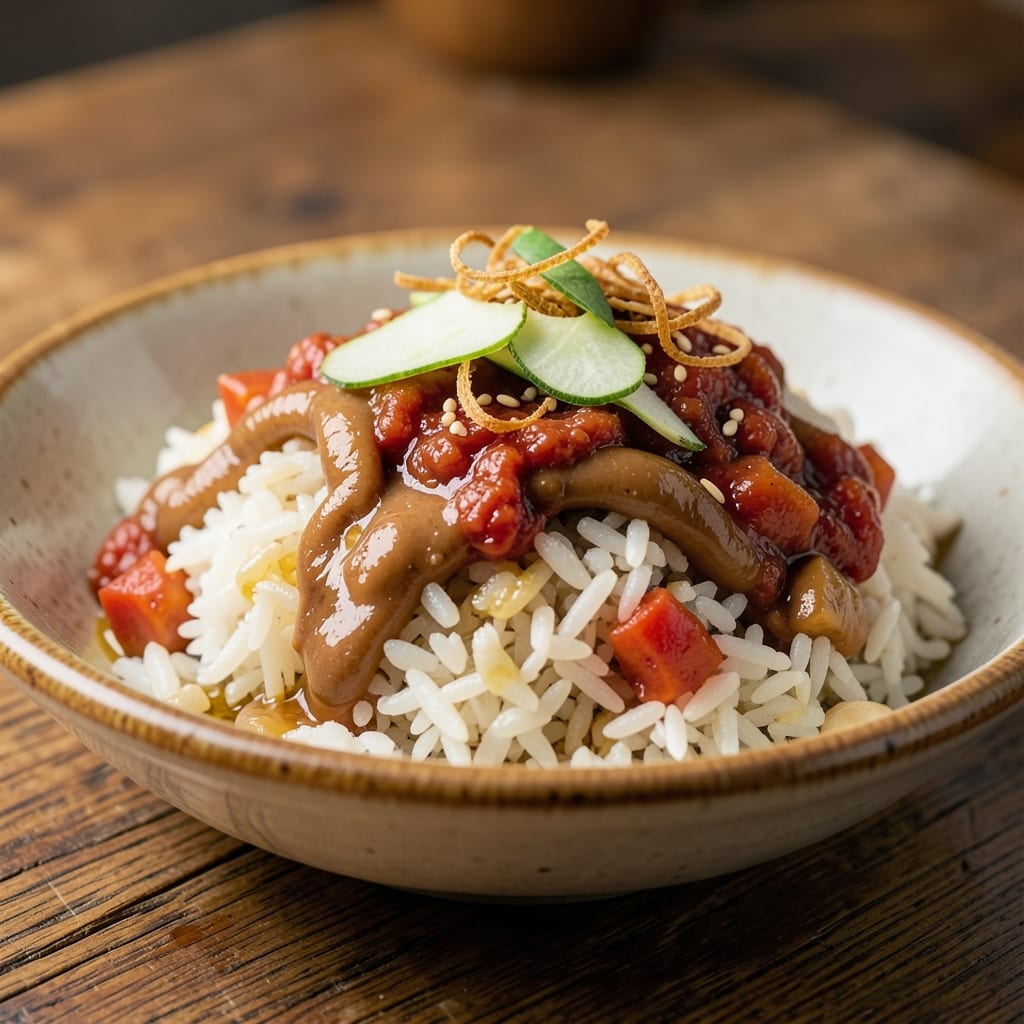
This African spicy rice recipe transforms simple grains into a fragrant, bold dish that carries the heart of West African cuisine in every bite. 🌶️ The secret lies in balancing smoky peanut butter, tangy tomatoes, and aromatic spices like thyme and ginger, creating layers of flavor that build as you cook. I developed this version after years of experimenting with regional styles—from jollof rice's vibrant tomato base to ras el hanout's warm spice complexity—simplified for home kitchens without sacrificing depth.
The magic happens in the one-pot method, where rice soaks up rich tomato-peanut broth while absorbing spices that develop into complex, savory notes. Unlike traditional recipes that require multiple steps, this version delivers restaurant-quality results in under an hour, with minimal prep. The peanut butter isn't just flavor—it creates a velvety texture that makes each grain irresistibly tender, while the blend of spices ensures every bite carries that signature African warmth.
What you'll end up with is golden, fragrant rice with a caramelized crust at the bottom—what West Africans call "the magic crust"—that's packed with concentrated flavor. Serve it alongside grilled meats, fried plantains, or as a standalone dish with a dollop of yogurt for cooling contrast. This recipe proves you don't need a pressure cooker or specialty ingredients to bring authentic African flavors to your table.
The beauty of this dish lies in its adaptability—swap in coconut milk for a modern twist, add smoked paprika for depth, or keep it traditional with chicken or shrimp. Whether you're making it for a weeknight dinner or a special occasion, the aroma alone will transport you to bustling African markets. Let's get cooking—your taste buds are about to embark on a flavor journey.
Ingredients for african spicy rice
Simple grains meet bold African flavors—just 13 ingredients for a dish that tastes like a market day feast.
| Ingredient | Amount | Notes |
|---|---|---|
| Long-Grain White Rice 🍚 | 1 ½ cups | Uncooked, rinsed well |
| Natural Peanut Butter 🥜 | ½ cup | Creamy, unsweetened |
| Crushed Tomatoes 🍅 | 1 can | 15 oz can, no salt added |
| Onion 🧅 | 1 whole | Medium, finely chopped |
| Garlic Cloves 🧄 | 4 cloves | Fresh, minced |
| Fresh Ginger 🌿 | 1 tbsp | Grated, or 1 tsp powdered |
| Dried Thyme 🍃 | 1 tsp | Or 1 tbsp fresh |
| Ground Cumin 🌶️ | 1 tsp | Toasted for depth |
| Smoked Paprika 🌶️ | 1 tsp | For smoky richness |
| Salt 🧂 | 1 tsp | Adjust to taste |
| Black Pepper 🌶️ | ½ tsp | Freshly ground |
| Vegetable Oil 🫒 | 2 tbsp | For sautéing |
| Chicken or Vegetable Broth 💧 | 1 ½ cups | Low-sodium preferred |
The peanut butter is the star here—natural, unsweetened is key for that authentic smoky depth. Trader Joe's or Whole Foods carry great options, but any natural brand works. The crushed tomatoes should be no-salt-added—you control the seasoning. Ginger is non-negotiable for that signature warmth, but if you're short on time, powdered ginger works at half the amount. For the rice, long-grain white is traditional, but basmati holds up well too. Just make sure it's rinsed thoroughly to remove excess starch.
No peanut butter? Smooth almond butter or tahini works in a pinch, though the flavor shifts slightly. Fresh thyme is ideal, but dried at one-third the amount gets you close. The broth matters—low-sodium chicken or vegetable broth keeps the dish balanced. For extra heat, add a pinch of cayenne, but start light. The onions and garlic should be finely chopped—no need to sweat over perfect mincing here. And if you're feeling fancy, toast the cumin and smoked paprika in the oil for 30 seconds to wake up their flavors.
This dish tastes even better the next day—the magic crust develops as it sits. Keeps 4-5 days in the fridge, or freeze portions for 3 months. Double the batch and freeze half—perfect for lazy weeknights. Store the rice in an airtight container with a tight lid to trap those aromatic steam. The peanut butter will separate if refrigerated, so give it a quick stir before using. Serve with a dollop of yogurt or fried plantains for the full experience.
Why You'll Love This Recipe
- One-Pot Magic: I swear by this—just rice, onions, garlic, tomatoes, and peanut butter simmering together. No separate pans, no mess, and honestly? That’s my kind of cooking.
- Peanut Butter Power: Between us, the peanut butter isn’t just flavor—it’s the secret weapon. It thickens the sauce, adds richness, and balances the heat so every bite is ridiculously good without being overwhelming.
- Leftover Legend: This rice tastes even better the next day—yes, really. Reheat it with a splash of water, and it’s like a cozy hug in bowl form. My lunchbox’s new best friend.
- Budget-Friendly Feast: Crushed tomatoes and peanut butter stretch this dish far. Feed four for dinner, pack two for lunch, and still have leftovers—all while spending less than most takeout meals.
Step-by-step instructions for African spicy rice
This one-pot wonder delivers rich, nutty depth and fiery heat—perfect for feeding a crowd.
🍳 Step 1: Sauté Aromatics Until Fragrant
Heat the 2 tablespoons vegetable oil in a large, heavy-bottomed pot over medium heat. Add the finely chopped onion and cook for 5 minutes until soft and translucent, stirring occasionally. Here's the thing—don't rush this step. You want the onions to really break down and sweeten, which builds the flavor foundation.
Add the minced garlic cloves, grated fresh ginger, ground cumin, and smoked paprika. Stir for 1 minute until the spices are fragrant and the garlic stops sizzling. You'll smell that earthy, smoky aroma—this is where the magic starts. If the spices start to darken too quickly, reduce the heat to medium-low to prevent burning.
🍳 Step 2: Build the Tomato-Peanut Base
Pour in the 1 can crushed tomatoes and stir to combine with the aromatics. Let the mixture simmer for 5 minutes until the tomatoes begin to thicken slightly. This step reduces the acidity and concentrates the flavor. Add the dried thyme, salt, and black pepper, stirring well to distribute the spices evenly.
Now comes the peanut butter—add the ½ cup natural peanut butter and stir vigorously for 2 minutes until completely smooth. The peanut butter will thicken the sauce and add that signature nutty richness. If the mixture looks too thick, add 2 tablespoons of the chicken or vegetable broth to loosen it. You want a thick, glossy consistency that coats the back of a spoon.
🥘 Step 3: Cook the Rice to Perfect Texture
Rinse the 1½ cups long-grain white rice under cold water until the water runs clear, then add it to the pot. Stir gently to coat the rice with the tomato-peanut mixture. Pour in the remaining 1½ cups broth and bring the entire mixture to a gentle boil. Once boiling, reduce the heat to low and cover the pot with a tight-fitting lid.
Let the rice simmer undisturbed for 20 minutes. Here's the key—don't peek! Every time you lift the lid, you release steam and risk drying out the rice. After 20 minutes, check the rice. It should be tender but still slightly firm in the center. If it's not quite done, cover and cook for another 5 minutes. The rice should absorb all the liquid, leaving you with a thick, flavorful base.
⏰ Step 4: Rest and Fluff for Maximum Flavor
Remove the pot from heat and let it rest, covered, for 10 minutes. This resting period allows the rice to finish steaming and the flavors to meld together. I know it's tempting to dig in immediately, but trust me—this step makes all the difference in texture and taste.
After resting, fluff the rice gently with a fork, breaking up any clumps. The rice should be tender with a slight bite, and the peanut-tomato sauce should be evenly distributed throughout. Taste and adjust the seasoning if needed—add a pinch more salt or a dash of pepper for balance. Serve immediately while the rice is hot, and enjoy the perfect harmony of spicy, nutty, and savory flavors.
Pro Tips For Making African Spicy Rice
- Bloom the Onion First: Slice your onion thin and let it sit in a splash of water for 10 minutes before cooking—this softens it faster and prevents that bitter aftertaste. I used to skip this, and my rice always tasted like I’d overcooked the onions.
- Toast the Peanut Butter: Stir in the peanut butter after the rice is fully cooked, then simmer for 3-4 minutes until it melts and coats the grains. Dumping it raw makes the rice greasy and uneven.
- Use Two Garlic Cloves: Mince two fresh cloves—one for the initial sauté, one at the end. The first adds depth, the second brightens the flavor. Pre-minced garlic? Skip it—it burns too fast.
- Cook the Rice Slightly Al Dente: Pull the rice off heat when it’s just tender—about 5 minutes before the package says “done.” It’ll finish steaming in the peanut butter sauce, and the texture stays separate instead of mushy.
Regional styles of this dish
West African Jollof Rice
This vibrant version replaces peanut butter with a tomato-heavy base and adds bell peppers for sweetness. Start with 2 cups tomato paste cooked down with onions, garlic, and a scotch bonnet pepper for heat. Use basmati rice instead of long-grain, and finish with a splash of palm oil for that signature red hue. Serve with grilled chicken or fried fish for the full Nigerian experience. 🌶️
Key difference: Jollof rice is lighter and brighter, with a focus on tomato-forward flavors. I like to add 1 tsp curry powder and ½ tsp nutmeg for depth. The rice should finish with a caramelized crust—this is the "jollof magic" that sets it apart. For extra richness, stir in 2 tbsp butter at the end. Trust me, the aroma alone will have everyone at the table asking what's for dinner.
North African Ras El Hanout Rice
Swap the peanut butter for 1 tbsp ras el hanout spice blend (available at Middle Eastern markets or online) and use chicken broth instead of vegetable. Add 1 tsp ground coriander and ½ tsp cinnamon for warmth. This version is lighter on heat but packed with complex spices like cardamom and cloves. I like to finish with toasted almonds for crunch and a dollop of Greek yogurt for cooling contrast.
The ras el hanout blend is what makes this dish special—it contains up to 20 spices! If you can't find it, mix ½ tsp each of cumin, coriander, paprika, turmeric, and cinnamon as a substitute. For extra richness, stir in 2 tbsp tahini at the end. This rice pairs beautifully with lamb tagine or grilled halloumi cheese. The spices mellow beautifully overnight, making it even more flavorful the next day.
East African Peanut Rice
This version keeps the peanut butter but adds 1 tbsp curry powder and 1 tsp fenugreek seeds (toasted) for an East African twist. Use brown rice instead of white for a nuttier texture, and finish with chopped cilantro and lime wedges. The fenugreek adds a maple-like sweetness that balances the heat. Serve with spicy samosas or grilled goat meat for a full East African feast.
For extra depth, toast the fenugreek seeds in a dry pan for 30 seconds until fragrant, then grind them lightly before adding to the pot. The brown rice takes longer to cook—simmer for 30-35 minutes instead of 20. This version is heartier and more aromatic, with a perfect balance of spicy, nutty, and slightly sweet flavors. It's a crowd-pleaser that always gets rave reviews at dinner parties.
Modern Coconut-Peanut Fusion
Add ½ cup coconut milk to the peanut butter base for a creamy, tropical twist. Use jasmine rice instead of long-grain, and finish with toasted coconut flakes and lime zest. This fusion brings together West African and Southeast Asian flavors in one dish. The coconut milk adds a luxurious texture while keeping the peanut butter's signature richness. Perfect for a modern dinner party or as a side for grilled shrimp.
For extra heat, add 1 tsp sriracha or ½ tsp chili flakes at the end. The coconut milk should be full-fat for the best texture. This version is lighter and brighter than traditional peanut rice, with a perfect balance of creamy, spicy, and nutty flavors. It's a great option if you want to introduce your family to African flavors in a familiar way—everyone loves the coconut twist!
Nutrition facts
Frequently asked questions
Can I make this African spicy rice without peanut butter?
Swap the peanut butter for ½ cup smooth almond butter or 2 tablespoons tahini for a nut-free version. For a tomato-forward flavor (like jollof rice), use 2 tablespoons tomato paste cooked with the onions instead. The key is maintaining the rich, savory base—just adjust the liquid slightly if needed.
How do I prevent the rice from getting mushy?
Rinse the rice thoroughly before cooking to remove excess starch, and use a 1:1.5 rice-to-liquid ratio (1.5 cups rice to 1.5 cups broth). After adding the rice, bring to a boil, then immediately reduce to low heat and cover tightly. Never peek during the 20-minute cooking time—lifting the lid releases steam and can make the rice gummy.
What's the best way to store leftovers?
Let the rice cool completely, then transfer to an airtight container. It keeps for 4-5 days in the fridge or 3 months in the freezer. For reheating, add 1-2 tablespoons water per cup of rice and cover while warming on low heat. The flavors actually improve overnight as the spices meld!
Can I make this in an Instant Pot?
Yes! Sauté the aromatics as directed, then add all ingredients except the rice. Stir in the rice, seal the lid, and cook on high pressure for 5 minutes. Quick-release the pressure, fluff with a fork, and let rest 5 minutes covered. The Instant Pot version finishes faster but may need an extra 2 tablespoons broth to prevent sticking.
What's the magic crust at the bottom?
That's the caramelized layer of spices and peanut butter that forms at the bottom of the pot—it's packed with concentrated flavor! To preserve it, use a heavy-bottomed pot** and cook on low heat. When serving, spoon the crust onto individual portions for extra richness. In West Africa, this layer is called the \"soul of the dish\"—don't waste it!