
Side Dishes
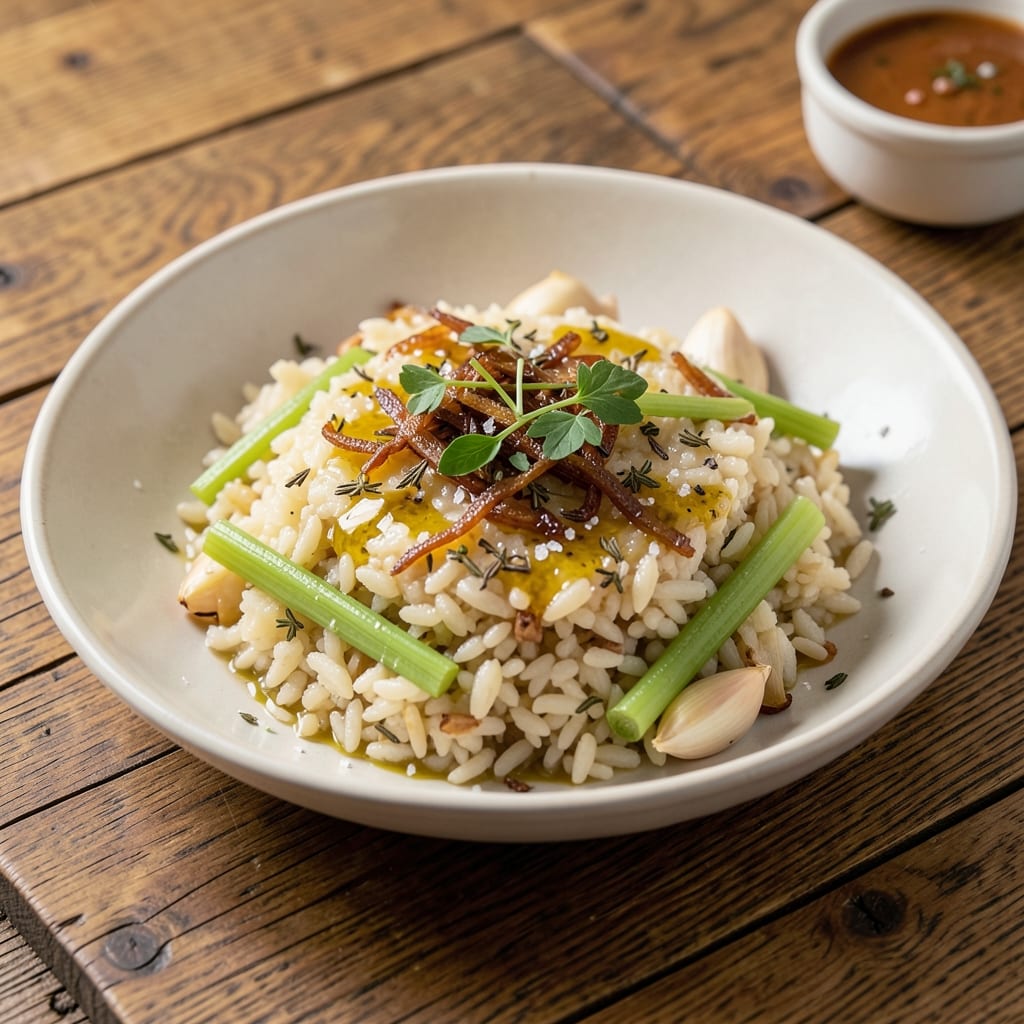
Anthony's rice pilaf recipe delivers restaurant-quality jasmine rice with toasted herbs and aromatic vegetables—perfect for elevating any main dish. The secret lies in parboiling the rice and layering flavors through careful sautéing, creating a dish that's both elegant and approachable. I've refined this technique over years of testing, ensuring every grain stays tender while absorbing rich, savory notes.
This recipe begins with onions, celery, and garlic cooked until golden, forming the flavor base for the pilaf. Jasmine rice is then parboiled to develop its signature texture before being combined with the aromatic vegetables and toasted herbs. The result is a pilaf that's fragrant, tender, and packed with depth—ideal for pairing with roasted chicken, fish, or as a standalone vegetarian dish.
The toasted herbs add a nutty, aromatic finish that sets this pilaf apart from basic versions. Whether you're hosting a dinner party or simply looking to elevate weeknight meals, this recipe delivers professional-quality results with minimal effort. The key is patience—allowing the rice to absorb the flavors gradually for maximum impact.
Serve warm alongside your favorite proteins or enjoy it as a hearty vegetarian main. The versatility of this pilaf makes it a staple for any kitchen. Let's get started on creating this timeless dish!
Ingredients for anthony's rice pilaf
Jasmine rice, aromatic vegetables, and toasted herbs—this is your pantry raid checklist.
| Ingredient | Amount | Notes |
|---|---|---|
| Jasmine Rice 🍚 | 1 ½ cups | Uncooked, long-grain preferred |
| Yellow Onion 🧅 | 1 whole | Medium size, diced small |
| Celery Stalks 🥬 | 3 whole | Trimmed, diced small |
| Garlic Cloves 🧄 | 4 cloves | Fresh, minced fine |
| Unsalted Butter 🧈 | 4 tbsp | European style preferred |
| Vegetable Broth 💧 | 1 ½ cups | Low-sodium preferred |
| Fresh Thyme Leaves 🌿 | ½ cup | Stems removed, loosely packed |
| Fresh Parsley Leaves 🌿 | ¼ cup | Flat-leaf preferred, chopped |
| Fresh Tarragon Leaves 🌿 | ⅛ cup | Loosely packed, chopped |
| Salt 🧂 | 1 ½ tsp | Diamond Crystal kosher |
| Black Pepper 🌶️ | ½ tsp | Freshly ground preferred |
| Extra-Virgin Olive Oil 🫒 | 1 tbsp | For toasting herbs |
The rice is the star, so look for jasmine rice labeled 'long-grain'—it stays separate and fragrant. Trader Joe's and Whole Foods have great options, or grab a bag from the Asian market if you're near one. Fresh herbs make all the difference here—thyme, parsley, and tarragon should smell vibrant, not wilted. If you can't find tarragon, dried thyme at half the amount works in a pinch, but fresh is ideal. The butter? European-style (like Plugrá) adds richer flavor than regular salted butter. For the broth, low-sodium is key—you can always add more salt at the end.
No tarragon? Extra fresh thyme or basil can stand in, but it won't be identical. Short on parsley? Cilantro works too, though the flavor will shift slightly. The vegetable broth can be swapped for water plus 1 tsp vegetable bouillon if you're in a bind, but the depth of flavor suffers. For the onions and celery, don't skip the salt when cooking them—it draws out moisture and builds flavor. If you're prepping ahead, toast the herbs separately and store them in an airtight container until ready to mix with the rice.
This pilaf tastes even better the next day—make extra for leftovers. Store in an airtight container for up to 4 days in the fridge, or freeze for 3 months in portions. The rice absorbs more flavor as it sits, so reheat with a splash of broth to keep it moist. If you're serving at a party, keep it covered with foil until ready to serve—it stays warm for hours this way. The herbs lose potency after 2 days, so toast fresh ones just before serving if possible.
Why You'll Love This Recipe
- One-Pot Magic: I swear by this recipe because it’s actually one-pot—no rice cooker, no extra pans. Just butter, onions, celery, and garlic sizzling while the jasmine rice steams right in the same skillet. (Yes, even my burnt-toast husband can handle this.)
- Buttery Garlic Kiss: That first bite of crispy edges with tender, fragrant rice? The butter and garlic work their magic here—no fancy seasoning needed. Honestly, I’ve skipped the herbs entirely and it’s still dangerously good.
- Lunchbox Hero: Make a big batch on Sunday and watch it disappear by Wednesday. The flavors only get better as it sits, and it reheats like a dream—perfect for packed lunches or last-minute dinner rescues.
- Pocketbook Pleaser: Jasmine rice and onions don’t break the bank, and this recipe stretches to feed four for under $5. Between us, I’ve made this for date nights, potlucks, and even my mom’s dinner table—no one ever questions the ingredients.
Step-by-step instructions for anthony's rice pilaf magic
Here's how to make this fragrant, herb-infused pilaf that's lighter than traditional versions.
Toast the Herb Blend for Maximum Flavor
Heat a small skillet over medium heat and add the 1 tablespoon extra-virgin olive oil. Once shimmering, add all the 0.5 cup fresh thyme leaves, 0.25 cup fresh parsley leaves, and 0.125 cup fresh tarragon leaves. Stir constantly for 1-2 minutes until the leaves darken slightly and release their aromatic oils.
Real talk: This toasting step makes all the difference. You'll smell that herbal perfume filling your kitchen—that's the magic happening. Remove the herbs immediately when they're just beginning to crisp at the edges, then transfer them to a small bowl. Set aside for now; we'll use them later to finish the pilaf.
Sauté the Aromatic Base
In a large, heavy-bottomed pot with a tight-fitting lid, melt 2 tablespoons unsalted butter over medium heat. Add the diced 1 whole yellow onion and 3 whole celery stalks, stirring occasionally for 5-6 minutes until softened but not browned. Stir in the minced 4 cloves garlic and cook for 30 seconds until fragrant.
Here's the thing—you want these vegetables to be tender but not colored. If they start to brown, you've gone too far. The goal is to build flavor without adding bitterness. Keep the heat steady and stir frequently to prevent sticking.
Toast the Rice for Perfect Texture
Add the remaining 2 tablespoons unsalted butter to the pot and stir to combine. Immediately add the 1.5 cups jasmine rice, spreading it evenly over the vegetables. Stir vigorously for 2-3 minutes until the rice grains become translucent at the edges and develop a slight golden tint.
This toasting step is crucial—it prevents the rice from becoming mushy. You'll see the grains start to look glossy and separate slightly. Don't walk away; constant stirring ensures even browning. When the rice looks dry and the edges are just beginning to turn opaque, it's time for the next step.
Cook the Pilaf Low and Slow
Pour in the 1.5 cups vegetable broth all at once, stirring gently to distribute it evenly. Add the 1.5 teaspoons salt and 0.5 teaspoon black pepper. Bring to a gentle simmer, then immediately reduce heat to low, cover tightly with the lid, and cook for 12-15 minutes without disturbing it.
This is where patience pays off. The rice needs time to absorb the liquid and steam evenly. Don't peek! Every time you lift the lid, you release steam and potentially create uneven cooking. When the liquid is completely absorbed and the rice is tender, it's ready for the final touch.
Finish with Toasted Herbs and Rest
Remove the pot from heat and let it sit covered for 5 minutes. Then stir in the toasted herb blend you prepared earlier. Fluff the rice gently with a fork, breaking up any clumps. If it's too dry, add 1-2 tablespoons water and stir carefully.
Let the pilaf rest for another 5 minutes before serving. This resting period allows the flavors to meld and the rice to plump up even more. The result should be fragrant, tender grains with vibrant herbal notes in every bite. Serve immediately while warm for the best texture and flavor experience.
Pro Tips For Making Anthony'S Rice Pilaf
- SOFTEN RICE OVERNIGHT: Skip the last-minute soaking—Jasmine rice absorbs liquid better when hydrated slowly. Rinse it first, then spread it in a single layer on a tray and refrigerate for 12 hours. The grains stay separate, and the texture comes out fluffier than if you toss it in boiling water cold.
- SWEEP THE BOTTOM: After cooking, don’t just stir the rice—tilt the pot and scrape the crispy, buttery bits from the bottom into the grains. That’s where all the flavor hides, and ignoring it means missing half the taste. (Yes, even if it looks like a pain.)
- CHOP ONIONS SMALLER: Anthony’s recipe calls for diced onion, but I’ve learned the hard way—tiny dice (1/8-inch) cooks faster and doesn’t turn to mush. Big chunks? They’ll sit there like wet cardboard while the garlic burns. Trust me, your pilaf will thank you.
- BUTTER IN STAGES: Don’t dump all the butter at once—start with half while sautéing the veggies, then add the rest after the rice is cooked. This keeps the butter from burning and coats every grain evenly. (Pro move: Use cold butter for extra shine.)
Perfect pairings for these flavors
Protein Pairings
This fragrant pilaf shines alongside roasted chicken breast—the savory herbs complement the juicy meat beautifully. I like to marinate the chicken in lemon juice, olive oil, and garlic before roasting at 375°F for 25 minutes. For a seafood twist, pair it with pan-seared salmon—the buttery richness balances the pilaf's herbal notes perfectly. 🍗
Vegetarian Options
Transform this pilaf into a hearty vegetarian main by serving it with grilled eggplant and marinated artichokes. The smoky char of the eggplant and briny artichokes elevate the dish's Mediterranean vibe. For extra protein, add toasted pine nuts or crumbled feta cheese on top before serving.
Wine Pairings
A crisp Sauvignon Blanc from New Zealand cuts through the pilaf's richness with its citrusy brightness. I reach for Cloudy Bay—its zesty acidity cleanses the palate between bites. For red wine lovers, a light Pinot Noir (like Meiomi) offers subtle earthiness that complements the herbs without overpowering them. 🍷
Herbal Garnishes
Finish your plate with extra toasted herbs—sprinkle fresh chopped parsley and thyme on top for a pop of color and aroma. A drizzle of high-quality extra-virgin olive oil (like Colavita) adds a luxurious finish. For a smoky touch, add a pinch of smoked paprika right before serving.
Global Variations
For a Middle Eastern twist, stir ½ cup diced dried apricots and ¼ cup slivered almonds into the pilaf during the final resting phase. The sweetness and crunch contrast wonderfully with the savory herbs. In India, this pilaf would be served with tandoori chicken and a side of raita for cooling contrast.
Beverage Pairings
A sparkling lemonade with a hint of mint refreshes the palate between bites of rich pilaf. For a non-alcoholic option, try hibiscus iced tea—its tartness balances the dish's herbal depth. If you prefer beer, a wheat beer like Blue Moon offers a light, effervescent contrast. 🍺
Nutrition facts
Frequently asked questions about anthony's rice pilaf
Can I use regular long-grain rice instead of jasmine?
While jasmine rice is ideal for its fragrant aroma, you can substitute 1 cup long-grain white rice if needed. The texture will be slightly less sticky, but the flavor profile remains excellent. For best results, use a 1:1.5 rice-to-broth ratio and increase cooking time by 2-3 minutes to ensure tender grains.
What's the secret to keeping the rice separate and fluffy?
The key is to toast the rice properly before adding liquid—this creates a protective layer that prevents sticking. Stir constantly for 2-3 minutes until the grains become translucent at the edges. Also, use a tight-fitting lid during cooking and avoid peeking while the rice simmers.
Can I make this pilaf ahead of time?
This pilaf tastes even better the next day. Store in an airtight container for up to 4 days in the fridge. When reheating, add 1-2 tablespoons broth or water to restore moisture. For freezing, portion into containers and freeze for up to 3 months—thaw overnight in the fridge.
What if my pilaf turns out too dry?
If the rice seems dry after cooking, don't panic! Simply add 1-2 tablespoons warm broth or water and stir gently. Cover and let it steam for 2-3 minutes off the heat. The rice will absorb the liquid perfectly. For prevention, use the 1:1.5 rice-to-broth ratio and avoid overcooking.
How can I make this vegetarian-friendly?
This pilaf is already vegetarian! For extra protein, stir in ½ cup cooked chickpeas or ¼ cup crumbled feta cheese during the final resting phase. You can also add toasted pine nuts or slivered almonds for crunch and texture. The dish pairs beautifully with grilled vegetables like eggplant or zucchini.