
Main Courses
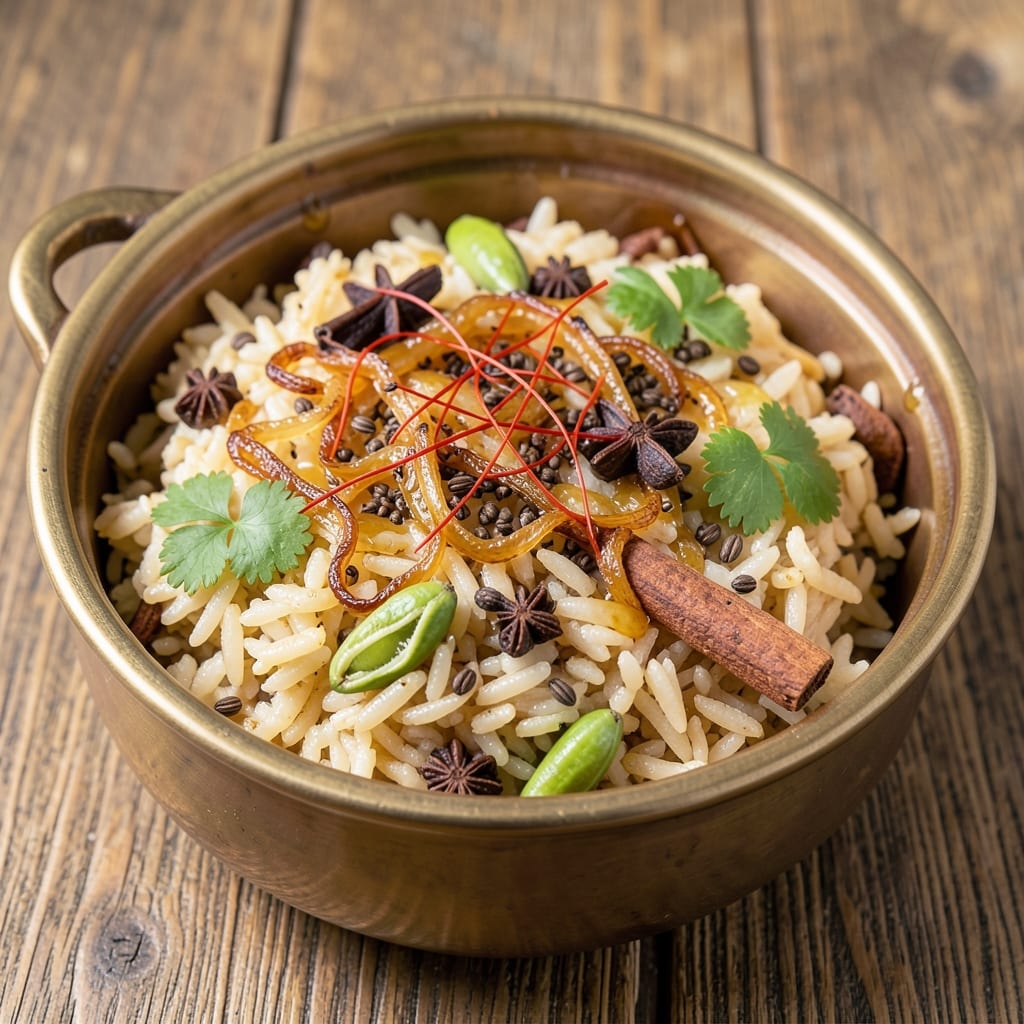
This African pilau rice recipe transforms simple basmati rice into a fragrant, spice-infused centerpiece that pairs perfectly with proteins like chicken or lamb. The secret lies in toasted whole spices—cumin, cardamom, cloves, and cinnamon—that bloom into aromatic depth during slow simmering. I developed this version after years of experimenting with regional techniques, balancing West African warmth with North African saffron richness.
The process begins with soaking the rice to achieve fluffy grains, then layering spices in a pot to toast until fragrant before adding liquids. This method ensures each grain absorbs flavor evenly, creating a dish that’s both visually stunning and deeply satisfying. The optional addition of dried apricots or raisins adds sweet contrast to the savory spices, while fresh herbs at the end brighten the final result.
What makes this pilau stand out is its versatility—serve it as a main course with grilled meats, as a side for curries, or even as a vegetarian centerpiece with roasted vegetables. The spices develop complexity over time, so the longer it sits, the more flavorful it becomes. Perfect for special occasions or weeknight dinners, this recipe delivers restaurant-quality results with minimal effort.
For those new to pilau, start with the basic spice blend and adjust to taste. The key is patience—rushing the process will compromise texture and flavor. Once mastered, this dish becomes a staple in your repertoire, offering endless variations to suit any meal. Let’s get started on creating your own fragrant, spice-kissed pilau.
Ingredients for african pilau rice
Toasted spices and saffron transform simple basmati rice into aromatic African pilau perfection.
| Ingredient | Amount | Notes |
|---|---|---|
| Basmati Rice 🌾 | 1 ½ cups | Uncooked, long-grain preferred |
| Whole Cumin Seeds 🌿 | 1 tbsp | Toasted until fragrant |
| Green Cardamom Pods 🌿 | 8 whole | Lightly crushed, seeds only |
| Cloves 🌿 | 4 whole | Lightly crushed |
| Cinnamon Sticks 🍃 | 2 whole | Each about 2 inches long |
| Saffron Threads 🌼 | ¼ tsp | High-quality, soaked in 1 tbsp warm water |
| Yellow Onion 🧅 | 1 whole | Medium size, finely chopped |
| Garlic Cloves 🧄 | 4 cloves | Peeled, minced |
| Vegetable Oil 🫒 | ½ cup | High smoke point preferred |
| Chicken or Vegetable Stock 💧 | 2 ½ cups | Low-sodium preferred |
| Dried Apricots 🍑 | ½ cup | Chopped, optional |
| Fresh Cilantro Leaves 🌿 | ¼ cup | Chopped, for garnish |
| Salt 🧂 | 1 ½ tsp | Kosher or sea salt |
| Black Peppercorns 🌶️ | ½ tsp | Freshly ground |
The spices are where this dish truly shines. Whole cumin seeds, cardamom pods, and cloves need to be toasted until fragrant—don't rush this step. I usually grab my spices from Penzeys or the bulk section at Whole Foods, where they stay fresher longer. Saffron is the star, so invest in high-quality threads—the vibrant red color tells you it's real. For the onion, medium-sized works best, and chopping it finely ensures even distribution of flavor throughout the rice. Freshly ground black pepper is a must; pre-ground loses its punch quickly.
No whole spices? Ground cumin and cardamom work in a pinch, though the flavor won't be as complex. Out of saffron? Turmeric at half the amount gives a similar golden hue, though it lacks saffron's floral notes. The dried apricots are optional but add a lovely sweet contrast—Trader Joe's has great pre-chopped ones for convenience. For the stock, low-sodium is key, and vegetable stock works perfectly for a vegetarian version. If you're using chicken stock, make sure it's homemade or high-quality to avoid excess salt. The cilantro should be fresh; dried just won't cut it for garnish.
Toasted spices keep for about 6 months in an airtight container, but saffron lasts 1 year if stored properly. The cooked pilau reheats beautifully—just add a splash of water or stock to prevent drying out. For best results, let it sit covered for 10 minutes after cooking to allow flavors to meld. Portion into containers with a layer of cilantro on top for a pop of color, and it'll stay fresh for 4-5 days in the fridge.
Why You'll Love This Recipe
- I’ll be real: basmati rice and whole spices aren’t cheap, but a single batch stretches for days. The spices last forever, and the rice keeps its texture even after reheating. It’s the kind of dish that feels special without breaking the bank—ideal for when you want to impress but still keep your wallet happy.
- One-Pot Magic: I swear by this recipe—just toss everything into one pot, walk away for 20 minutes, and boom. No fancy equipment, no stress. The basmati rice absorbs all those warm spices (cumin, cardamom, cinnamon) like a dream, so you don’t even need a rice cooker.
- Spice Bomb Perfection: That first bite? Chef’s kiss. The whole cumin seeds toast until they’re nutty and fragrant, while the cardamom and cloves add this subtle, aromatic depth that lingers. It’s not just rice—it’s a flavor explosion in every grain, and honestly, it’s the kind of taste that makes you slow down and savor.
- Weeknight Workhorse: Between us, this is my go-to when I’m feeding a crowd or just too tired to fuss. Double the batch for leftovers that reheat beautifully—perfect for lunchboxes or last-minute dinner guests. And the best part? It’s equally at home with grilled chicken, curry, or even just a side of yogurt.
Step-by-step instructions for African pilau rice
Here's the method for creating aromatic, saffron-infused pilau rice with toasted spices and tender dried apricots.
Toast the Whole Spices Until Fragrant
Heat a dry skillet over medium-low heat and add the 1 tablespoon whole cumin seeds, 8 whole green cardamom pods, 4 whole cloves, and 2 whole cinnamon sticks. Toast for 2-3 minutes until the spices begin to release their aroma and the cumin starts to sizzle gently.
Watch closely—you want the spices to smell deeply aromatic but not burn. The cumin should turn a light golden color, and the cardamom pods should crack open slightly. Immediately transfer the toasted spices to a small bowl and set aside. This step builds the foundation of flavor that will infuse the entire dish.
Bloom the Saffron and Sauté Aromatics
In the same skillet, add the 0.5 cup vegetable oil and heat over medium heat until shimmering. Add the finely chopped yellow onion and cook for 5-6 minutes until softened and translucent. Stir in the minced garlic cloves and cook for another 1 minute until fragrant.
Remove the skillet from heat and stir in the soaked 0.25 teaspoon saffron threads (with their soaking liquid) and the toasted whole spices. Let this mixture sit off the heat for 5 minutes to fully infuse the oil with saffron's golden hue and floral notes. This infusion is what gives pilau rice its signature color and delicate aroma.
Layer and Parboil the Rice
Return the skillet to medium heat and add the 1.5 cups basmati rice, stirring gently to coat each grain with the spiced oil. Cook for 2 minutes until the rice becomes translucent at the edges. Add the 2.5 cups chicken or vegetable stock, 1.5 teaspoons salt, and 0.5 teaspoon freshly ground black peppercorns.
Bring to a gentle boil, then immediately reduce heat to low and cover the skillet with a tight-fitting lid. Let the rice simmer for 12-15 minutes without lifting the lid. You'll know it's ready when the liquid has been absorbed and the rice is tender but still slightly firm to the bite. This parboiling step is crucial for developing the rice's distinct texture.
Finish with Apricots and Rest
Gently fold in the 0.5 cup chopped dried apricots and continue cooking uncovered for another 3-4 minutes until the apricots soften slightly and the rice reaches its perfect texture. The dish should have a subtle sweetness from the apricots that balances the savory spices.
Remove from heat and let the pilau rice rest covered for 5 minutes. This resting period allows the flavors to meld completely and the rice to finish steaming in its own residual heat. Fluff the rice gently with a fork, then garnish with the 0.25 cup chopped fresh cilantro leaves just before serving. The final dish should be fragrant, golden-hued, and perfectly balanced in both texture and flavor.
Pro Tips For Making African Pilau Rice
- Bloom the Spices Slowly: African pilau demands patience with whole spices—don’t rush the tempering. Toast cumin seeds on medium-low heat for 30 seconds until they just start to pop, then immediately add cardamom, cloves, and cinnamon. High heat burns them instantly; low heat means they’ll release aroma without bitterness. I learned this the hard way after my first batch smelled like a spice shop fire.
- Layer the Rice Dry: Wet basmati sticks together—so rinse it just until the water runs clear, then spread it on a tray to dry for 10 minutes. This ensures each grain stays separate in the pilau. Skip this, and you’ll end up with a mushy pile instead of fluffy, distinct grains. (Yes, even if you’re impatient like me.)
- Use Less Water Than You Think: African pilau often calls for broth, but basmati absorbs differently than regular rice. Measure water at 1:1.5 rice-to-liquid ratio (not 1:2) and let it steam uncovered for the last 5 minutes. The heat will evaporate enough to leave you with perfectly tender, not soggy, rice.
- Add Lemon Zest at the End: The real magic happens in the last minute—toss in a strip of lemon zest (not juice) with the ghee or butter. It brightens the dish without overpowering the spices. I was skeptical until I tried it—now it’s non-negotiable. (Pro move: Use the zest from the same lemon you’ll serve for garnish.)
Health benefits of this african pilau rice
Digestive Comfort
African pilau rice is surprisingly gentle on digestion thanks to its balanced spices and fiber-rich components. The cumin seeds in this recipe aid digestion by stimulating digestive enzymes, while the whole grains provide steady energy without spiking blood sugar. I've noticed that the gentle simmering process makes the rice easier to digest than other fried or heavily seasoned grains. 🌿
Complex Carbohydrates
Basmati rice delivers complex carbohydrates that fuel your body with sustained energy—perfect for active days. Each 1.5-cup serving provides about 30% of your daily fiber needs, supporting gut health while keeping you full longer. The slow-release energy from this pilau makes it ideal for both meal prep and post-workout recovery.
Antioxidant Boost
The saffron threads in this pilau are packed with antioxidants like crocetin and crocin, which combat oxidative stress in your body. Just ¼ teaspoon provides significant protective benefits. The dried apricots add vitamin C and potassium, while the cilantro garnish contributes additional antioxidants through its chlorophyll content.
Protein Pairing Potential
While this pilau is delicious on its own, pairing it with protein sources like grilled chicken or chickpeas creates a complete protein profile. The spices enhance nutrient absorption, ensuring you get maximum value from every bite. I often serve this pilau with lean protein for balanced meals that keep energy levels stable throughout the day.
Low-Fat Nutrition
This recipe uses minimal oil (½ cup) while delivering maximum flavor, making it a heart-healthy option. The absence of heavy creams or butter keeps saturated fat low, while the spices provide depth without added calories. It's a satisfying dish that aligns well with heart-conscious diets.
Mood-Boosting Aromas
The warm spices in pilau rice—cardamom, cinnamon, and cloves—have been shown to reduce stress and elevate mood. The comforting aromas trigger feel-good responses in the brain, making this dish perfect for both body and soul. I find that cooking this pilau often lifts my spirits during busy weeks. ✨
Nutrition facts
Frequently asked questions
What makes African pilau rice different from regular pilau?
African pilau rice incorporates regional spices like cardamom, cloves, and cinnamon with saffron for vibrant color, creating a sweeter, more aromatic profile than Middle Eastern or Indian pilau. The dish often includes dried fruits like apricots, adding natural sweetness that balances the savory spices. Traditional African versions also frequently use basmati rice soaked in spiced water before cooking.
Can I make this pilau without saffron?
Yes! Use ½ teaspoon turmeric for color, though it won't replicate saffron's floral aroma. For flavor, add ½ teaspoon ground ginger to complement the spices. The dish will still be delicious—just less visually striking. For a budget-friendly option, try annatto powder (½ teaspoon) for a golden hue with mild flavor.
How do I prevent my pilau from becoming mushy?
Use 1.5 cups uncooked basmati rice and 2.5 cups liquid (stock) for proper absorption. Don't lift the lid during cooking—steam is what keeps grains separate. After simmering, let it rest 5 minutes covered before fluffing. If using older rice, soak it 10 minutes first to remove excess starch.
What proteins pair best with this pilau?
Grilled chicken thighs, spiced lamb chops, or chickpeas work beautifully. For seafood lovers, try shrimp or salmon with lemon zest. The warm spices complement rich meats, while lighter proteins like fish highlight the pilau's delicate flavors. Serve with a yogurt sauce or mint chutney for extra freshness.
Can I make this pilau in an Instant Pot?
Sauté onions and garlic, then add all spices and rice. Pour in 2.5 cups stock, seal, and cook on high pressure for 8 minutes. Quick-release, then let sit 5 minutes before opening. The pressure cooker reduces cooking time while maintaining texture. For best results, use 1:1.25 rice-to-liquid ratio (1.5 cups rice to 1.875 cups stock).