
Main Courses
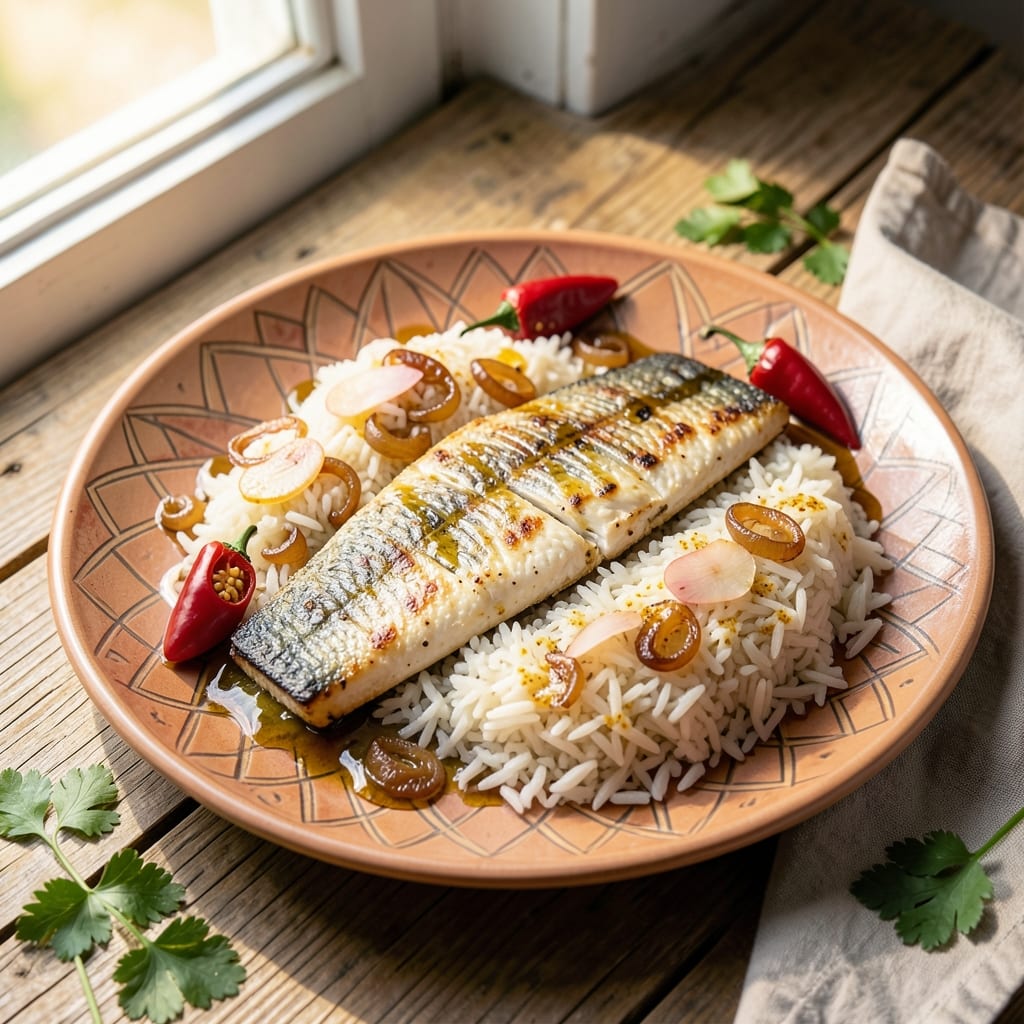
This West African tomato-pepper one-pot fish and rice delivers bold flavors in a single dish, blending traditional techniques with modern convenience. The secret lies in a rich, aromatic base of tomatoes, peppers, and spices that infuse both the fish and rice simultaneously, creating a harmonious, deeply flavorful meal. I've perfected this method to ensure tender fish and perfectly seasoned rice—no separate pots required.
The recipe begins with a fragrant blend of onions, garlic, ginger, and Scotch bonnet peppers, which form the foundation for the sauce. Palm oil or vegetable oil adds depth, while canned tomatoes and a touch of locust bean paste (or tomato paste in a pinch) create that signature West African tang. The fish—whether tilapia, snapper, or cod—cooks gently in this flavorful broth, absorbing every nuance while the rice simmers alongside.
What you'll end up with is a vibrant, one-pot wonder where flaky, seasoned fish rests atop fragrant, slightly spiced rice, all bathed in a rich, slightly sweet tomato-pepper sauce. The dish is hearty enough for a family dinner but simple enough for a weeknight, requiring just 45 minutes of active time. Every bite carries the essence of West African cuisine—warm, comforting, and full of layers.
Serve with a side of fresh coleslaw or grilled plantains to balance the richness, or enjoy as-is for a complete, satisfying meal. This recipe is designed to be adaptable—swap the fish for shrimp or chicken if preferred, or adjust the heat level to taste. Let's bring the flavors of West Africa to your table.
Ingredients for african fish and rice
West African flavors in one pot—just 15 ingredients for a dish packed with depth.
| Ingredient | Amount | Notes |
|---|---|---|
| Tilapia Fillets 🐟 | 1 ½ lb | Skinless, boneless preferred |
| Long-Grain White Rice 🍚 | 1 ½ cups | Uncooked, jasmine or basmati ideal |
| Yellow Onions 🧅 | 1 whole | Medium size, finely chopped |
| Garlic Cloves 🧄 | 6 cloves | Freshly minced |
| Fresh Ginger 🌿 | 2 tbsp | Grated, peeled |
| Scotch Bonnet Peppers 🌶️ | 2 whole | Seeds removed for mild heat |
| Canned Diced Tomatoes 🍅 | 14 ½ oz | San Marzano preferred |
| Locust Bean Paste 🥫 | 1 tbsp | Or tomato paste substitute |
| Palm Oil 🫒 | ½ cup | Or vegetable oil |
| Fish Stock 💧 | 2 cups | Homemade or quality store-bought |
| Dried Thyme 🌿 | 1 tsp | Or 1 tbsp fresh |
| Ground Black Pepper 🌶️ | ½ tsp | Freshly ground preferred |
| Salt 🧂 | 1 ½ tsp | Adjust to taste |
| Lemon Juice 🍋 | 2 tbsp | Freshly squeezed |
| Fresh Cilantro 🌿 | ¼ cup | Chopped, for garnish |
The Scotch bonnet peppers are the flavor anchors here. Look for fresh ones at Latin markets—they're far more potent than jarred versions. If you can't find them, habanero or serrano peppers work in a pinch, but reduce the amount by half. The locust bean paste, also called iru, gives that signature West African tang. Trader Joe's carries it, or use tomato paste if you're in a hurry. For the fish, tilapia or snapper hold up best to the long simmer, but cod works too. The rice should be long-grain—jasmine or basmati absorb the flavors beautifully.
No palm oil? Vegetable or coconut oil keeps the same richness. Fresh ginger loses potency fast, so buy small amounts weekly or freeze grated ginger in ice cube trays. The fish stock can be swapped for vegetable broth plus 1 tsp fish sauce if you're strict about pescatarian. For extra depth, add 1 tbsp tomato paste to the rice before cooking. The canned tomatoes? San Marzano is ideal, but any good-quality diced tomatoes will do—just drain most of the liquid first to avoid a watery sauce.
This dish tastes even better the next day as flavors meld. Store in an airtight container in the fridge for up to 3 days. For leftovers, reheat gently on the stove with a splash of water or broth. The rice will dry out if overcooked, so keep portions small if reheating. Freezes well for 2 months—just thaw overnight in the fridge before reheating. Garnish with fresh cilantro right before serving to keep it vibrant.
Why You'll Love This Recipe
- One-Pan Magic: I swear by this recipe when I’m too tired to scrub pots—just toss the rice, fish, and aromatics in one deep skillet, cover it, and let the steam do the work. The onions caramelize right into the rice, so you end up with flavor in every bite without extra effort.
- Ginger-Garlic Bomb: That fresh ginger and garlic paste? It’s the secret weapon—sharp, bright, and lingering just enough to make your taste buds sit up. The tilapia soaks up the punch while staying flaky, so you get that perfect balance of heat and tenderness.
- Lunchbox Hero: Between us, this is my go-to for meal prep. The rice stays separate enough to reheat nicely, and the fish holds up for days if you store it right. Pack it cold for work or reheat it for a lazy dinner—it’s always a hit, even with picky eaters.
- Budget Stretch: Honestly, tilapia and long-grain rice are about as affordable as it gets without sacrificing flavor. A few onions and a thumb of ginger stretch this into four solid servings, and leftovers reheat like a dream. My wallet and my family thank me every time.
Step-by-step instructions for West African tomato-pepper fish and rice
This vibrant one-pot dish combines tender tilapia with aromatic rice in a rich tomato-pepper sauce.
Prepare the Fish and Base Ingredients
Pat the 1.5 lb tilapia fillets dry with paper towels and season generously with 1 tsp salt and 0.5 tsp ground black pepper. Set aside. In a large, heavy-bottomed pot, heat the 0.5 cup palm oil over medium heat until shimmering but not smoking. Add the 1 whole yellow onions, finely chopped, and cook for 5 minutes until softened and translucent.
Stir in the 6 cloves garlic cloves and 2 tbsp fresh ginger (grated) and cook for 1 minute until fragrant. Immediately add the 2 whole Scotch bonnet peppers (seeds removed) and cook for 30 seconds to soften slightly. This quick cooking preserves their flavor without burning.
Build the Tomato-Pepper Sauce
Pour in the 14.5 oz canned diced tomatoes and stir well. Add the 1 tbsp locust bean paste and 1 tsp dried thyme, then cook for 5 minutes until the mixture thickens slightly and the raw tomato smell dissipates. This step develops the sauce's rich, tangy depth.
Gradually pour in the 2 cups fish stock, stirring constantly to combine. Bring the mixture to a gentle simmer, then reduce heat to low. Let it cook uncovered for 10 minutes to allow the flavors to meld. The sauce should reduce slightly but remain loose enough to coat the rice properly.
Add Rice and Simmer
Rinse the 1.5 cups long-grain white rice under cold water until the water runs clear, then add it to the pot. Stir gently to distribute the rice evenly throughout the sauce. The rice should be fully submerged—if not, add ½ cup water to maintain proper liquid levels.
Cover the pot with a tight-fitting lid and cook over low heat for 20 minutes. Avoid peeking or stirring, as this disrupts the rice's even cooking. After 20 minutes, check the rice—it should be tender but still slightly firm to the bite. If needed, add ¼ cup water and cook an additional 5 minutes.
Incorporate the Fish and Finish
Carefully place the seasoned tilapia fillets on top of the rice, arranging them in a single layer. Cover the pot again and cook for 8-10 minutes until the fish flakes easily with a fork. The fish should reach an internal temperature of 145°F and appear opaque throughout.
Remove the pot from heat and let it sit covered for 5 minutes. This resting period allows the fish to absorb the remaining sauce and ensures the rice finishes cooking evenly. Stir gently once to distribute any remaining sauce, then squeeze in the 2 tbsp lemon juice and sprinkle with the 0.25 cup fresh cilantro. Taste and adjust seasoning with additional salt if needed.
Serve Immediately
Transfer the fish and rice to a serving platter, ensuring each portion includes both fish and rice. The dish should have a vibrant red-orange hue from the tomatoes and peppers, with tender fish and perfectly cooked rice. Serve with extra cilantro on top and a side of warm, crusty bread to soak up the flavorful sauce.
Pro Tips For Making African Fish And Rice
- Sear the Fish First: Before adding any sauce, hit the tilapia with a quick 2-minute sear in a hot pan—no oil needed, just the natural moisture. I learned this the hard way when my fish turned rubbery; a crust locks in flavor and keeps it from falling apart later. Use medium-high heat and don’t overcrowd the pan, or you’ll steam instead of sear.
- Slice Ginger Like a Pro: Forget mincing—slice the ginger into paper-thin shards with a sharp knife. It releases flavor without bitterness, and you’ll actually taste it in the rice. My grandmother swore by this, and she was right: too much minced ginger turns your dish into a spicy experiment.
- Don’t Rush the Rice Water: Let the rice soak in the fish stock for at least 15 minutes before cooking—yes, even if you’re impatient. This guarantees each grain absorbs flavor instead of turning bland. I skip this when I’m lazy, but the dish is noticeably better when I don’t.
- Save the Fish Stock: Instead of discarding the water from poaching the tilapia, strain it and use it to cook the rice. It’s the secret to that rich, aromatic base—no extra broth needed. Just make sure to skim off any floating oils first, or your rice will taste greasy.
Health benefits of african fish and rice
Protein-Packed Perfection
This dish delivers a lean protein powerhouse with 1.5 lbs of tilapia, providing about 40 grams of protein per serving—perfect for muscle repair and satiety. Tilapia is low in calories but high in essential amino acids, making it ideal for balanced meals. The fish also contributes vitamin B12 and niacin, which support energy metabolism and nervous system health. 🐟
Whole-Grain Benefits
The 1.5 cups of long-grain white rice serves as a complex carbohydrate base, offering sustained energy release. While white rice is lower in fiber than brown, it still provides essential B vitamins like thiamine and riboflavin. For extra fiber, consider swapping in ½ cup of quinoa—it adds 4 grams of protein per serving and a nutty flavor that complements the dish beautifully.
Heart-Healthy Fats
The palm oil (or vegetable oil substitute) adds monounsaturated fats, which support heart health by improving cholesterol levels. The Scotch bonnet peppers contribute vitamin C and capsaicin, a compound that may boost metabolism and reduce inflammation. Together, these elements create a dish that’s both flavorful and functional for your cardiovascular system. 💪
Antioxidant-Rich Sauce
The tomato-pepper sauce is packed with lycopene (from tomatoes) and vitamin A (from peppers), both potent antioxidants that protect cells from oxidative stress. The locust bean paste adds iron and calcium, while the fresh cilantro garnish provides vitamin K and folate. This colorful combination turns every bite into a nutrient-dense experience.
Digestive Support
The ginger and garlic in the base aren’t just for flavor—they support digestion by stimulating stomach acid production and reducing bloating. The lemon juice finishing touch adds vitamin C and aids in iron absorption from the fish. For extra digestive benefits, serve with a side of steamed greens like collard greens or spinach to round out the meal’s fiber content. 🌿
Meal Prep Advantage
This one-pot dish is a nutritional powerhouse for meal prep—it reheats well without losing texture or flavor. The balanced macronutrients (protein, carbs, and healthy fats) keep energy levels steady, making it perfect for lunches or dinners. Store leftovers in an airtight container for up to 3 days, and freeze for 2 months to maintain freshness and nutrients. 💡
Nutrition facts
Frequently asked questions
Can I substitute tilapia with another type of fish?
This recipe works beautifully with firm white fish like cod, snapper, or sea bass. For delicate fish like sole or flounder, reduce cooking time by 2-3 minutes to avoid overcooking. Avoid flaky fish like haddock—they'll fall apart too easily in the sauce.
What makes this different from regular tomato rice?
This West African version uses locust bean paste (iru) and Scotch bonnet peppers for a deeper, tangier flavor profile. The fish cooks directly in the sauce, absorbing all those rich flavors, while traditional tomato rice often separates the components. The palm oil adds a distinctive richness that sets it apart from Latin American or Italian tomato-based dishes.
How do I adjust the spice level?
Remove the seeds from Scotch bonnet peppers for mild heat, or use habanero or serrano peppers (reduce to 1 pepper for same heat level). For no heat, substitute with bell peppers—just add ½ tsp smoked paprika for depth. Always taste the sauce after adding peppers before adding rice.
Can I make this in an Instant Pot?
Yes! Sauté the onions, garlic, ginger, and peppers first. Add all remaining ingredients except fish, then cook on high pressure for 5 minutes. Quick-release, add fish, and cook on keep warm for 3 minutes. The rice may need ¼ cup extra liquid since Instant Pots use less water.
What's the best way to reheat leftovers?
Reheat gently on the stove with 2 tbsp water or broth over low heat for 5-7 minutes. Microwaving can make the rice dry—cover with a damp paper towel and heat in 30-second intervals. For best texture, reheat only what you'll eat immediately. Leftovers keep for 3 days in an airtight container.