
Main Courses
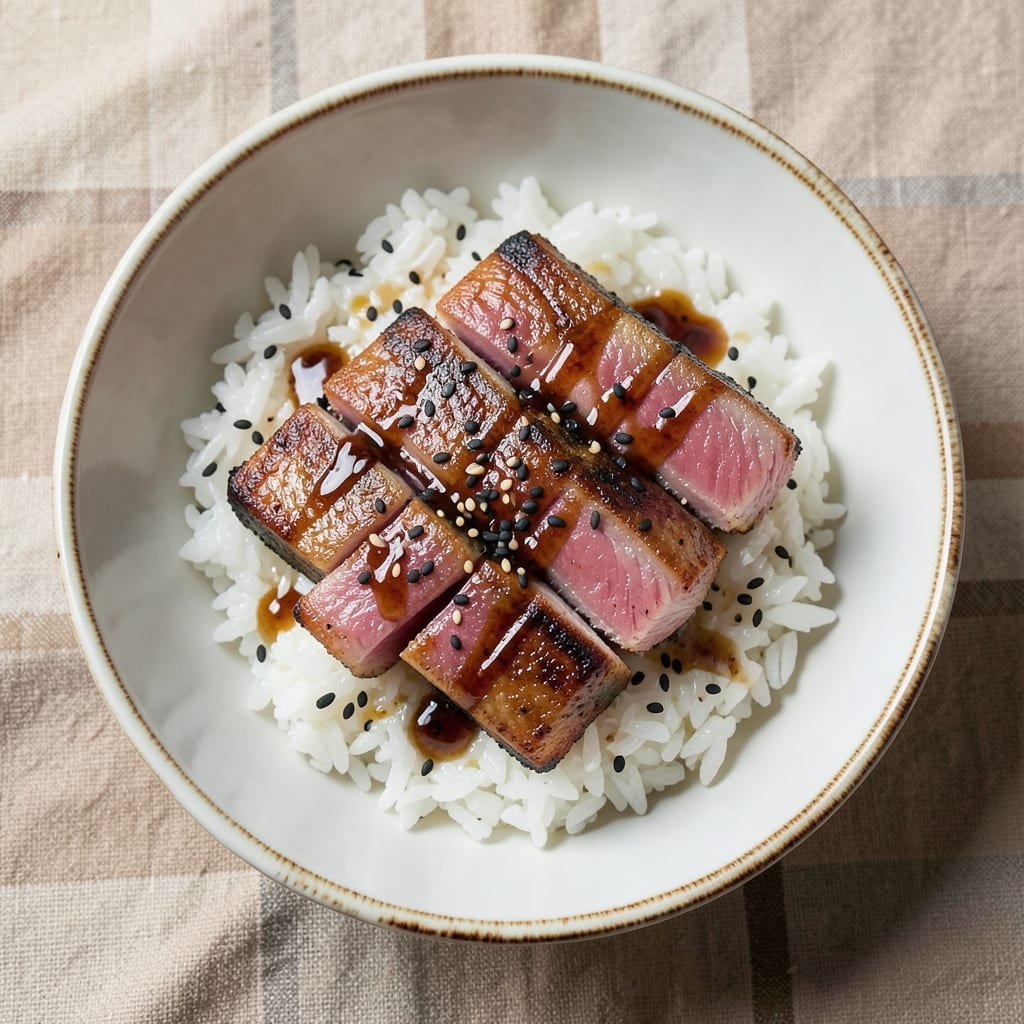
This ahi tuna crispy rice recipe delivers the perfect balance of smoky sesame crunch and silky, perfectly seared tuna—every bite is a harmonious marriage of textures and flavors. The secret lies in two key techniques: achieving a crispy, aromatic rice base through proper toasting and cooking the tuna just until it reaches that ideal medium-rare doneness with a caramelized crust. I've refined this dish over countless attempts, and the difference between good and extraordinary lies in those small, precise details.
The foundation starts with Japanese-style crispy rice, where each grain develops a delicate crunch from toasting in sesame oil and soy sauce. Meanwhile, the ahi tuna gets marinated in a blend of mirin, soy, and sesame that infuses it with subtle sweetness and depth. What makes this recipe truly special is how the two components come together—crispy rice soaks up just enough of the tuna's juices while maintaining its texture, creating a dish that's both elegant and satisfying.
By the time you serve this dish, you'll have perfectly seared ahi tuna with a caramelized crust and tender pink centers, resting atop a bed of crispy rice that's aromatic from toasted sesame seeds and perfectly balanced in seasoning. The contrast between the silky fish and crunchy rice is what makes this dish so memorable, transforming a simple meal into something restaurant-worthy. Each forkful delivers that perfect combination of textures and flavors.
This recipe works beautifully as a main course for dinner parties or a special weeknight meal. The preparation might seem involved, but breaking it down into manageable steps makes it completely achievable at home. Once you try this version, you'll understand why it's become a staple in many Japanese-inspired kitchens. Let's get started on creating this dish that's sure to impress.
Ingredients for ahi tuna crispy rice
Japanese short-grain rice, silky ahi tuna, and toasted sesame—where crispy meets silky perfection.
| Ingredient | Amount | Notes |
|---|---|---|
| Sushi Rice 🍚 | 2 cups | Uncooked, short-grain preferred |
| Ahi Tuna Steaks 🐟 | 1 lb | Center-cut, 1-inch thick slices |
| Sesame Oil 🫒 | ½ cup | Toasted, for rice and marinade |
| Mirin 🍶 | ¼ cup | Sweet cooking rice wine |
| Soy Sauce 🥢 | ¼ cup | Japanese-style preferred |
| Sesame Seeds 🌾 | ¼ cup | Toasted, for garnish and rice |
| Garlic Cloves 🧄 | 4 cloves | Minced for marinade |
| Ginger 🌿 | 1 tbsp | Fresh, grated for marinade |
| Vegetable Oil 🫒 | ½ cup | High smoke point for searing |
| Rice Vinegar 🍶 | 1 tbsp | For rice seasoning |
| Sugar 🍬 | 1 tbsp | White granulated |
| Salt 🧂 | 1 tsp | Kosher preferred |
| Black Pepper 🌶️ | ½ tsp | Freshly ground |
| Green Onions 🧅 | 4 whole | Thinly sliced for garnish |
| Sesame Seeds 🌾 | 1 tbsp | Extra for final garnish |
The rice is non-negotiable here. Koshihikari or Calrose are your best bets for that sticky, crispy texture—jasmine rice won't cut it. Grab a bag from Asian markets or the international section at Whole Foods. For the tuna, center-cut steaks (about 1-inch thick) are key—they stay tender while developing that perfect crust. If you can't find ahi, yellowfin or bigeye tuna work too, but avoid albacore. The sesame oil? Toasted, not flavored—look for it in the Asian aisle, not the regular cooking oils section. And get white sesame seeds for the rice, black for garnish if you're feeling fancy.
No mirin? Dry sherry plus 1 tsp sugar gets you close, but the real stuff adds that unmistakable depth. Short on sesame seeds? Toasted poppy seeds add a different but nice crunch. The rice vinegar can be swapped for apple cider vinegar at half the amount, but it won't be quite as bright. For the marinade, grate the ginger super fine—you want it almost like a paste. And if your garlic burns when cooking, blanch it first in hot oil for 30 seconds to mellow the flavor. The tuna marinates best uncovered in the fridge for 30-60 minutes—no longer or it'll get mushy.
Rice keeps for 3 days in the fridge, but it loses crispiness after day 2. Store it in an airtight container with a damp paper towel on top to retain moisture. The marinated tuna? Use within 2 days or freeze for up to 2 months. For the final dish, assemble just before serving—the rice gets soggy if made ahead. I like to portion the rice into individual serving dishes and keep the tuna separate until the last minute. Garnish with extra sesame seeds and green onions right before eating—that's when it looks restaurant-worthy.
Why You'll Love This Recipe
- One-Pan Magic: I swear by this recipe when I’m too tired to scrub pots—just sear the tuna, toss in the rice, and let the sesame oil work its crispy wonders. No chopping, no fuss, just golden edges and that smoky aroma filling the kitchen.
- Umami Bomb: That combo of mirin and soy sauce? It’s like a flavor explosion in your mouth—sweet, salty, and just a hint of funk. The tuna stays tender while the rice gets this addictive crunch, and honestly, I’ll take that over dry sushi rice any day.
- Lunchbox Hero: Between us, this is my go-to for meal prep—packs like a dream, stays fresh for days, and still tastes fresh at work. Cold or reheated, it’s a crowd-pleaser (even my picky teen devours it). Just portion the rice and tuna separately to keep things crisp.
- Budget Luxe: Ahi tuna can feel fancy, but here’s the trick: use just one steak and stretch it with the rice. The sesame oil and mirin make it taste like a high-end bite without breaking the bank. Leftovers? Even better—reheat and it’s like you’re eating at a restaurant again.
Step-by-step instructions for smoky sesame crispy rice with ahi tuna
Here's how to balance perfectly crispy rice with silky seared tuna—no shortcuts, just technique.
Prepare the Crispy Sesame Rice
Rinse the 2 cups sushi rice under cold water until the water runs clear, then drain well in a fine-mesh strainer. Transfer to a bowl and let it sit for 30 minutes—this hydrates the grains for even cooking. While it soaks, heat 0.5 cup vegetable oil in a nonstick skillet over medium-high heat until shimmering.
Spread the drained rice in an even layer in the hot oil, stirring gently with a wooden spoon. Cook for 8-10 minutes until the edges turn golden brown and the rice makes a crispy sound when stirred. Remove from heat and immediately transfer to a bowl. Stir in 0.25 cup toasted sesame seeds, 1 tbsp sugar, 1 tsp salt, and 0.5 tsp black pepper. This is where the magic happens—the sugar caramelizes slightly, creating that signature crispy texture.
Marinate and Sear the Ahi Tuna
While the rice cools slightly, combine 0.25 cup mirin, 0.25 cup soy sauce, 0.5 cup sesame oil, 4 cloves minced garlic, and 1 tbsp grated ginger in a small bowl. Whisk until fully combined. Add the 1 lb ahi tuna steaks to the marinade, turning to coat evenly. Let them marinate for 15-20 minutes—this ensures deep flavor without overpowering the delicate fish.
Heat a clean skillet over high heat until a drop of water sizzles instantly. Add the tuna, skin-side down if present, and sear for 2-3 minutes per side until the exterior develops a deep golden crust and the center remains slightly translucent (about 125°F internal temp). Overcooking turns tuna tough—this is the moment that matters. Transfer to a plate and let rest for 5 minutes before slicing.
Assemble with Crispy Garnishes
Slice the rested tuna into ¼-inch thick pieces and arrange over the crispy rice. Drizzle with any remaining marinade from the skillet. Thinly slice the 4 whole green onions and sprinkle evenly over the top. For the final touch, toast the 1 tbsp extra sesame seeds in a dry pan over low heat for 1-2 minutes until fragrant, then scatter over everything. The contrast of smoky, nutty seeds against the crispy rice and silky tuna is what makes this dish unforgettable.
Serve immediately while the rice retains its crunch and the tuna stays warm. The rice should hold its shape with a satisfying crunch, while the tuna melts in your mouth with just a hint of pink center. This isn't just a dish—it's a textural experience.
Pro Tips For Making Ahi Tuna Crispy Rice
- SEAR TUNA FAST: Ahi tuna steaks need a screaming-hot pan—no preheating games. Hit medium-high, let it scream for 30 seconds, then add the steaks. I used to wait for the pan to "get hot," and my tuna turned gray before it got crispy. Now I just watch for that first wisp of smoke and go.
- RICE NEEDS AIR: Spread that sushi rice in a thin, even layer while it steams. A thick pile? You’ll end up with gluey rice that clumps like regret. Use a rice paddle to fan it out—yes, it looks messy, but it toasts perfectly and stays light. (And no, you can’t just stir it like normal rice.)
- MIRIN FIRST, SOY LAST: Add the mirin to the pan before the soy sauce—this prevents bitter streaks. I learned this after serving a batch where the soy sauce had pooled and turned the rice a murky brown. A quick splash of mirin first lets the sweetness mellow the soy’s punch before everything comes together.
- CRISP THE RICE DRY: Pat the cooked sushi rice thoroughly with a kitchen towel before toasting it in the pan. The extra moisture keeps it from getting that perfect crunch. I was skeptical—"Won’t it get soggy again?"—but no. The rice toasts up golden and stays crisp even after mixing with the tuna. (Prove me wrong.)
Serving suggestions for ahi tuna crispy rice
Plating for Maximum Impact
Start with a white or neutral plate to let the dish shine—think stoneware or porcelain for that restaurant feel. Arrange the crispy rice in a mounded pile at the center, then place the sliced ahi tuna in a fan shape on top. The contrast between the golden rice and pink tuna creates instant visual appeal. I like to use tongs to position the tuna slices precisely—it makes all the difference for presentation. 🌟
Sauce Drizzle Techniques
Save any leftover marinade from the tuna and warm it gently in a small saucepan. Use a fine-mesh strainer to remove any garlic or ginger bits, then drizzle slowly in a zigzag pattern over the dish. This not only adds flavor but also enhances the visual appeal. For extra richness, add a dash of mirin to the warmed marinade—it brightens the dish beautifully. A small spoonful of spicy mayo on the side lets guests customize their heat level.
Garnish Like a Pro
Toast the extra sesame seeds in a dry pan until fragrant—just 1-2 minutes over low heat. Sprinkle them evenly over the entire dish right before serving. Thinly slice the green onions and arrange them in a circle around the plate's edge for a pop of color. A few microgreens or edible flowers add an elegant touch if you're feeling fancy. The key is to garnish just before eating—this keeps everything crisp and vibrant. ✨
Side Dish Pairings
A simple cucumber salad with rice vinegar and sesame oil cuts through the richness of the tuna. Toss ½ cup thinly sliced cucumber with 1 tbsp rice vinegar, ½ tsp sugar, and a pinch of salt. For something heartier, serve with miso-glazed eggplant—just brush slices with white miso paste and roast at 400°F for 20 minutes. Both sides complement the dish without overpowering it. 🥒
Beverage Matching
An icy Japanese lager like Sapporo or Asahi cleanses the palate perfectly. For something lighter, try sparkling yuzu soda—its citrus notes balance the dish's richness. If you prefer wine, a dry Riesling from Germany offers crisp acidity that pairs beautifully. Avoid heavy reds or sweet drinks—they'll clash with the dish's clean flavors. 🍶
Make-Ahead Serving Tips
Prepare the crispy rice up to 2 days ahead and store it in an airtight container with a damp paper towel. Keep the marinated tuna separate until ready to cook—it's best served fresh. Reheat the rice in a skillet over medium heat for 2-3 minutes to restore crispiness. The tuna should be seared just before serving to maintain its texture. This way, you can focus on plating beautifully when guests arrive. ⏰
Nutrition facts
Frequently asked questions
Can I substitute yellowfin tuna for ahi tuna in this recipe?
Yes, you can use yellowfin tuna as a direct substitute—it has a similar texture and flavor profile. Just ensure you're using center-cut steaks (1-inch thick) for the best results. The cooking time remains the same (2-3 minutes per side), but yellowfin may have slightly more fat, so pat the steaks dry before marinating to prevent excess oil in the pan.
Why does my crispy rice turn mushy instead of staying crunchy?
The key is toasting the rice properly in oil over medium-high heat until golden brown, then removing it immediately from the pan. If you leave it cooking too long, the rice absorbs too much oil and loses its crispness. Also, store cooked rice in an airtight container with a damp paper towel to prevent moisture buildup, and reheat it in a dry skillet for 2-3 minutes before serving.
How do I know when the ahi tuna is cooked to perfection?
The tuna is ready when it reaches 125°F internally and has a deep golden crust while remaining slightly translucent in the center. Use an instant-read thermometer for accuracy, and resist the urge to overcook—it should look like medium-rare steak. If you don't have a thermometer, cut into the thickest part: it should be pink in the middle with a slight resistance when pressed.
Can I make this dish ahead of time?
Yes, but with a few adjustments: prepare the crispy rice up to 2 days ahead and store it in an airtight container with a damp paper towel to maintain texture. Keep the marinated tuna separate until ready to cook—it's best served fresh. Reheat the rice in a dry skillet for 2-3 minutes before assembling, and sear the tuna just before serving to preserve its texture and juices.
What's the best way to reheat leftover ahi tuna crispy rice?
Reheat the rice in a dry skillet over medium heat for 2-3 minutes to restore its crispiness, then place it in a 350°F oven for 5 minutes to warm through. For the tuna, sear fresh slices in a hot pan for 1-2 minutes per side—this recreates the perfect crust. If you're reheating the whole dish, assemble it and warm in the oven for 5-7 minutes to keep the rice crispy.