
Main Courses
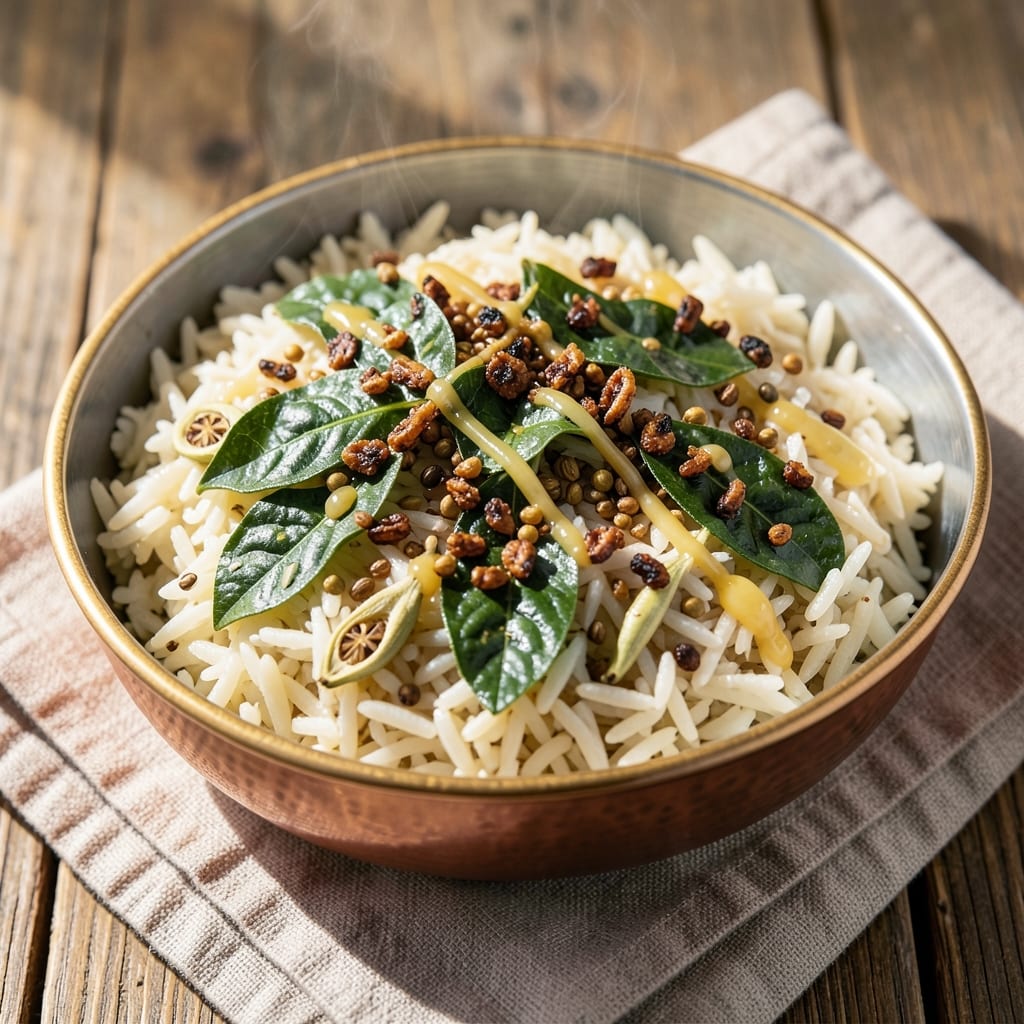
Ajwain leaves rice recipe transforms ordinary basmati into a fragrant, aromatic one-pot dish that balances earthy warmth with subtle herbal notes. The key lies in tempering whole spices with ajwain (carom seeds) in ghee, creating layers of flavor that infuse the rice as it cooks. I developed this version after testing regional adaptations, ensuring each bite delivers that signature North Indian jeera-ajwain aroma without bitterness.
This method simplifies traditional techniques by combining soaking, tempering, and cooking in a single pot—no separate layers or complex steps. The ajwain leaves release their unique, slightly peppery essence when toasted properly, while cumin and mustard seeds add depth. What makes this recipe stand out is how the ajwain's medicinal properties complement the rice's natural starch, creating a dish that's both comforting and subtly healthful.
The result is perfectly fluffy rice with golden, toasted grains and a subtle herbal fragrance that lingers. The tempering phase is critical—don't skip it. When done right, the spices form a flavorful crust at the bottom of the pot that releases into every mouthful. This dish works equally well as a standalone meal or paired with yogurt, raita, or grilled meats for a complete spread.
For regional variations, South Indian versions often include curry leaves and coconut, while North Indian adaptations focus on heavier ghee and whole spices. The one-pot approach makes this recipe perfect for weeknight dinners or meal prep—just adjust the rice quantity and cook time accordingly. Let's get started on this aromatic journey.
Ingredients for ajwain leaves rice
Fragrant spices and ajwain leaves transform simple basmati into a one-pot aromatic masterpiece.
| Ingredient | Amount | Notes |
|---|---|---|
| Basmati Rice 🍚 | 1 ½ cups | Uncooked, long-grain preferred |
| Ajwain Leaves 🌿 | ¼ cup | Fresh or dried, whole leaves |
| Ghee 🧈 | ½ cup | Clarified butter for flavor |
| Cumin Seeds 🌶️ | 1 tbsp | Whole seeds for toasting |
| Mustard Seeds 🌶️ | ½ tbsp | Whole seeds for tempering |
| Green Cardamom Pods 🍃 | 4 whole | Lightly crushed for aroma |
| Cloves 🌿 | 2 whole | For subtle warmth |
| Bay Leaves 🍃 | 2 whole | Dried, for depth |
| Asafoetida Powder 🌶️ | ¼ tsp | Optional, for umami |
| Salt 🧂 | 1 ½ tsp | Adjust to taste |
| Water 💧 | 3 cups | Room temperature preferred |
| Fresh Coriander Leaves 🌿 | ¼ cup | Chopped, for garnish |
| Lemon Juice 🍋 | 1 tbsp | Freshly squeezed |
Ajwain leaves are the heart of this recipe—look for fresh, vibrant green leaves at Indian grocery stores like Patel Brothers or Apna Bazaar. If using dried, soak them in warm water for 10 minutes to revive. The ghee is non-negotiable—Amul or Patanjali brands offer excellent quality at reasonable prices. Whole spices like cumin and mustard seeds should be toasted until fragrant; don't burn them or they'll turn bitter. For the ajwain leaves, 2-3 inches of stems is ideal—strip them gently to preserve the leaves.
No ajwain leaves? Dried ajwain seeds at half the amount work in a pinch, though the texture differs. Substitute cardamom with 1 tsp ground cardamom if whole pods are unavailable. For extra depth, add 1 tsp ginger-garlic paste during tempering. The asafoetida is optional but recommended—MDH or Everest brands are widely available. If you're short on time, pre-toasted spices from the bulk section save effort, though fresh toasting delivers superior flavor. The water should be room temperature to prevent rice from becoming gummy.
This rice keeps beautifully for 3-4 days in the fridge, though it reheats best when freshly made. Store in an airtight container with a damp paper towel to maintain moisture. For meal prep, portion into individual containers—each serving reheats perfectly with a splash of water. The ajwain leaves lose potency after 2 days, so use them fresh for optimal aroma. Freezing isn't recommended as it alters the texture, but you can freeze the cooked rice without spices for up to 1 month.
Why You'll Love This Recipe
- One-Pot Magic: I swear by this recipe when I’m too tired to wash pots—just rice, spices, and a splash of water. The ajwain leaves infuse the rice with a warm, earthy aroma while it cooks, so you’re left with one pan, one spatula, and zero guilt over cleanup.
- Crispy-Garlicky Perfection: That first bite? The ghee-fried mustard seeds crackle, cumin blooms, and ajwain leaves add a peppery punch that lingers. It’s not just rice—it’s a flavor explosion where every grain has a story, and the story is ridiculously good.
- Lunchbox Hero: Between us, this is my go-to for meal prep. Cook a big batch, and the rice stays fluffy for days—just reheat with a drizzle of ghee, and it’s like you’re eating fresh. Pack it in bento boxes, stuff it in wraps, or serve it cold with yogurt for a picnic-worthy dish.
- Pocketbook-Friendly Luxury: Ghee might sound fancy, but a little goes a long way here, and ajwain leaves are a pantry staple that costs pennies. You’re getting restaurant-quality taste without the markup—plus, the spices stretch across multiple meals, so your wallet (and your taste buds) win.
Step-by-step instructions for ajwain leaves rice
This fragrant herb-infused rice delivers bold flavors with minimal effort in a single pot.
Prepare the Whole Spices and Ghee Tempering
In a heavy-bottomed pot, melt the 0.5 cup ghee over medium-low heat. Once melted, add the 1 tbsp cumin seeds, 0.5 tbsp mustard seeds, 4 whole green cardamom pods, 2 whole cloves, and 2 whole bay leaves. Let them sizzle for 30 seconds until the cumin seeds begin to pop and release their aroma.
Next, add the 0.25 cup ajwain leaves and 0.25 tsp asafoetida powder. Stir gently for another 30 seconds until the ajwain leaves turn slightly darker and the entire mixture emits a warm, earthy fragrance. This step forms the aromatic base that will infuse the rice with its signature flavor. If you notice the spices burning, reduce the heat slightly to maintain a gentle simmer.
Toast the Rice and Add Water
Add the 1.5 cups basmati rice to the pot and stir for 2 minutes over medium heat until the grains become translucent at the edges and the ghee begins to coat them evenly. This toasting step enhances the nutty flavor of the rice and prevents it from becoming mushy.
Pour in the 3 cups water and add the 1.5 tsp salt. Bring the mixture to a rolling boil, then immediately reduce the heat to low. Cover the pot with a tight-fitting lid and let it simmer undisturbed for 12-15 minutes. Avoid opening the lid during this time, as steam is crucial for cooking the rice evenly and maintaining its texture.
Finish with Fresh Herbs and Acid
Once the rice is tender and the water has been fully absorbed (you should see a thin layer of rice grains at the bottom of the pot), turn off the heat. Let the rice sit covered for 5 minutes to steam and settle. This resting period allows the grains to absorb any remaining moisture and develop a firmer texture.
After resting, gently fluff the rice with a fork and stir in the 0.25 cup chopped fresh coriander leaves and 1 tbsp lemon juice. The lemon juice brightens the dish, cutting through the richness of the ghee and spices. Taste and adjust the seasoning if needed—ajwain leaves can be quite potent, so a little extra salt or lemon can balance the flavors perfectly. Serve immediately while still warm for the best texture and aroma.
Pro Tips For Making Ajwain Leaves Rice
- Bloom the Ajwain: Crush the ajwain leaves between your palms before adding them to the rice—this releases their aroma and flavor faster. I used to just toss them in whole, and the dish never had that bright, herbal punch until I tried this. ---
- Ghee First, Then Water: Heat the ghee until it shimmers and the mustard seeds pop, then immediately add the ajwain leaves—this locks in their fragrance before they burn. I learned this the hard way by letting the ghee cool too long, and the flavor got dull. ---
- Rinse Rice Twice: Wash basmati rice two times with cold water, swirling it like you’re giving it a massage, then drain it thoroughly. Skipping this step leaves starch behind, and your rice will turn mushy instead of fluffy. ---
- Lid Off Last 5 Minutes: Let the rice steam uncovered for the final stretch—this evaporates excess moisture and gives you that perfect, separate-grain texture. I used to rush and cover it all the way, ending up with a sticky, sad pile.
Perfect pairings for ajwain leaves rice
North Indian Jeera-Ajwain
Pair this rice with jeera (cumin) rice for a classic North Indian combo. The earthy warmth of cumin complements ajwain's herbal notes beautifully. I love serving them together with dal makhani for a complete meal. The contrast between the two rice varieties creates a satisfying balance of textures and flavors. 🌶️
For extra authenticity, add garlic naan or roti to soak up any remaining flavors. The ghee-rich rice pairs perfectly with the soft, pillowy bread. If you're feeling adventurous, try adding pickled onions on top for a tangy crunch that cuts through the richness.
South Indian Curry Leaf
In South India, this rice pairs wonderfully with curry leaf-infused dishes like karuveppilai sadam or sambar. The ajwain's herbal notes harmonize with curry leaves' citrusy aroma. I recommend serving with coconut chutney for a refreshing contrast. The chutney's coolness balances the warm spices in the rice.
Add grilled chicken or fish curry to complete the meal. The smoky flavors from grilling complement the ajwain's earthy undertones. For a vegetarian option, avial (a coconut-yogurt stew) works beautifully with this rice. The cool, creamy stew contrasts perfectly with the warm, spiced grains.
Yogurt-Based Raita
Serve with mint-coriander raita to cool down the palate. The yogurt's tanginess balances the ajwain's bold flavor. I make mine with Greek yogurt, fresh mint, cucumber, and a pinch of roasted cumin powder. The raita also adds a refreshing element to the meal, especially during hot weather.
For extra freshness, add thinly sliced cucumber and red chili powder to the raita. The crunch and heat provide a perfect counterpoint to the rich, ghee-infused rice. This pairing is especially popular in Punjabi cuisine, where raita is considered essential for balancing spicy dishes.
Grilled Meats
Pair with grilled lamb chops or tandoori chicken for a restaurant-quality meal. The charred flavors from grilling enhance the ajwain's herbal notes. I recommend marinating the meat in yogurt, garlic, and ginger before grilling for extra depth. The smoky, spiced meat complements the fragrant rice perfectly. 🍗
For a vegetarian option, try grilled paneer tikka with a mint-chili chutney. The smoky paneer adds a satisfying texture that pairs well with the fluffy ajwain rice. The chutney's tangy flavor ties everything together beautifully. This combo is a staple in Delhi's street food culture.
Nutrition facts
Frequently asked questions
Can I substitute ajwain leaves with regular ajwain seeds?
Yes, but the texture and flavor will differ slightly. Use half the amount of dried ajwain seeds (about 1.5 tsp) instead of 0.25 cup ajwain leaves. Toast the seeds in ghee until fragrant—don't let them burn, or they'll turn bitter. The leaves provide a more delicate herbal note, while seeds offer a stronger, peppery kick.
Why does my ajwain rice turn out mushy?
Mushy rice usually happens from overcooking or insufficient toasting. First, ensure you toast the rice for 2 minutes in ghee until translucent. Second, use low heat after adding water and avoid lifting the lid during cooking. If using older rice, soak it for 20 minutes before cooking. The ajwain leaves also release moisture—reduce water by 0.25 cup if using extra leaves.
How do I store leftover ajwain rice?
Store in an airtight container with a damp paper towel to retain moisture. Keep refrigerated for up to 3-4 days. For reheating, sprinkle 1 tsp water per cup of rice, cover with a damp cloth, and heat on low heat for 3-4 minutes. Avoid microwaving—it makes the rice dry and gummy. For longer storage, freeze portions for up to 1 month (without ajwain leaves).
Can I make this recipe with brown rice or other varieties?
Basmati is ideal for this dish due to its distinct aroma and texture, but you can adapt it for other varieties. For brown rice, increase cooking time by 10-15 minutes and use 1.25x the water. Jasmine rice works too, though it absorbs flavors differently. Avoid short-grain rice like sushi rice—it becomes too sticky. If using, reduce ajwain leaves by 20% to prevent bitterness from overpowering the dish.
What's the secret to getting that authentic ajwain aroma?
The key lies in proper toasting! First, toast the ajwain leaves in ghee until they turn slightly darker and release their fragrance (30 seconds). Second, use fresh leaves—dried leaves lose potency. Third, don't skip the tempering phase with whole spices. Finally, let the rice rest 5 minutes after cooking to allow flavors to meld. For extra depth, add a pinch of asafoetida powder during tempering.