
Salads
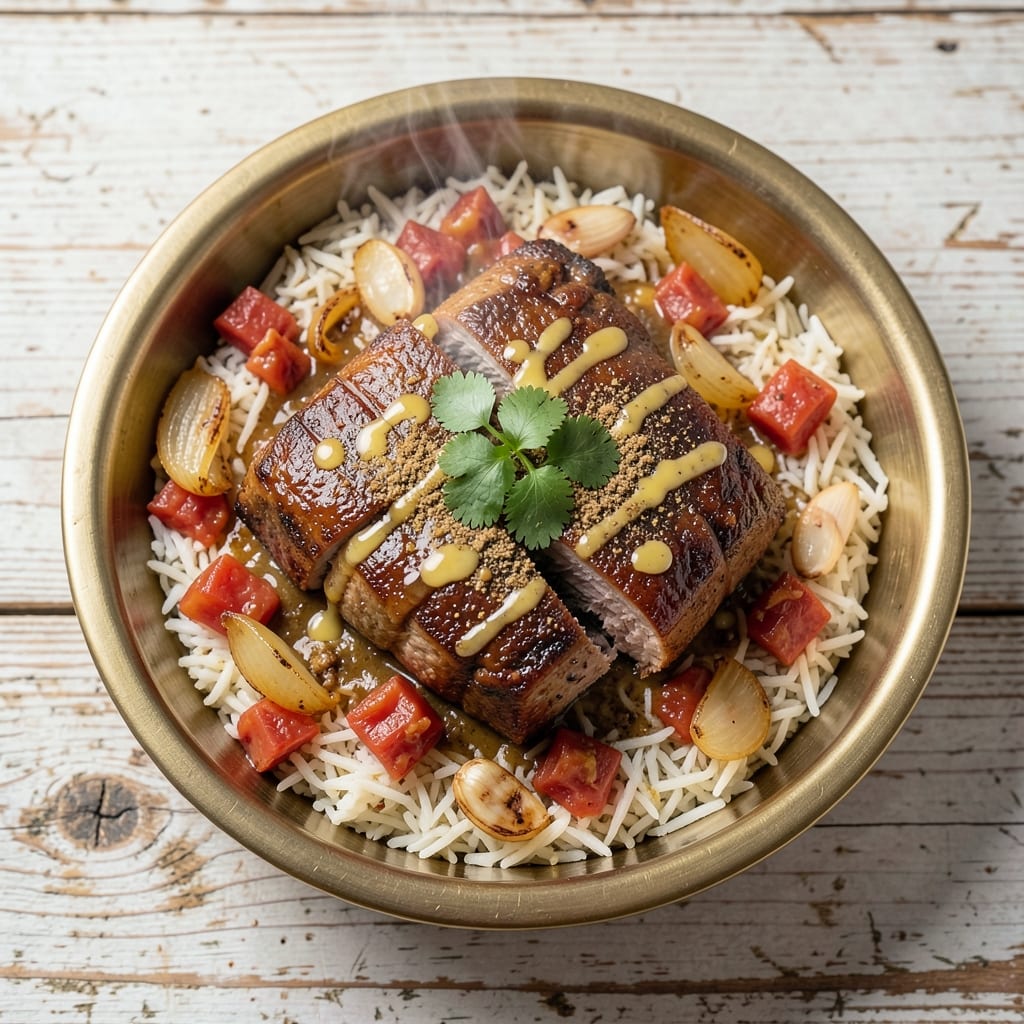
This Al Kabsa rice recipe transforms a simple meal into a grand celebration of Saudi Arabian tradition, where fragrant basmati rice, tender lamb, and a rich tomato sauce blend into one unforgettable dish. The secret lies in slow-cooked spices—cinnamon, cardamom, and cloves—that infuse every bite with warmth, while crispy fried onions add a toasted crunch that elevates the experience. What makes this dish truly special is its cultural depth, serving as both a centerpiece for gatherings and a comforting family staple.
The process begins with marinating lamb in a blend of Middle Eastern spices, ensuring deep flavor penetration before it slow-cooks with the rice and sauce. The rice itself absorbs the aromatic broth, becoming tender yet firm, while the sauce—thickened with tomatoes and onions—binds everything together. What sets this recipe apart is the attention to texture: the fried onions provide a satisfying crunch, while raisins and almonds add sweet contrast to the savory-spiced meat. It’s a dish that balances tradition with approachability, making it perfect for both special occasions and weeknight dinners.
By the time you serve this Al Kabsa, your kitchen will smell like a Saudi Arabian feast, and your guests will be transported to another world. The lamb will be fall-apart tender, the rice infused with spiced broth, and the sauce rich enough to coat every grain. Serve it with warm flatbread or alongside dates for the full experience—a meal that’s as visually stunning as it is delicious. This isn’t just a recipe; it’s a celebration of flavor and heritage.
The beauty of Al Kabsa lies in its versatility. While lamb is traditional, chicken or even a vegetarian version with mushrooms works beautifully. For extra authenticity, garnish with toasted almonds or a sprinkle of fresh cilantro. Whether you’re hosting a dinner party or simply craving a taste of the Middle East, this recipe delivers restaurant-quality results with a homemade touch. Let’s bring this feast to your table.
Ingredients for al kabsa rice
Sixteen ingredients for a feast that smells like home. Lamb, rice, and spices that sing together.
| Ingredient | Amount | Notes |
|---|---|---|
| Bone-In Lamb Shoulder 🍖 | 3 lb | Cut into 1.5-inch cubes |
| Basmati Rice 🌾 | 2 cups | Uncooked, long-grain |
| Yellow Onions 🧅 | 3 whole | 1 large for sauce, 2 for frying |
| Garlic Cloves 🧄 | 8 cloves | Minced for marinade |
| Canned Crushed Tomatoes 🍅 | 28 oz | San Marzano preferred |
| Ground Cumin 🌿 | 1 tbsp | Toasted for depth |
| Ground Coriander 🌿 | 1 tbsp | Freshly ground preferred |
| Ground Cinnamon 🌶️ | 1 tsp | Sweet, not cassia |
| Cardamom Pods 🌿 | 6 whole | Lightly crushed |
| Cloves 🌶️ | 4 whole | Whole, lightly crushed |
| Ghee 🧈 | ½ cup | For frying onions |
| Golden Raisins 🍇 | ½ cup | Plumped in warm water |
| Slivered Almonds 🥜 | ¼ cup | Toasted for garnish |
| Fresh Cilantro 🌿 | ¼ cup | Chopped for garnish |
| Salt 🧂 | 1 ½ tsp | Kosher or sea salt |
The lamb is where this dish shines. Bone-in shoulder stays juicy and tender—no need for fancy cuts. Look for good marbling at Middle Eastern markets or your butcher's counter. If you can't find bone-in, chuck roast works too, but trim excess fat. The spices? Whole spices like cardamom and cloves are non-negotiable—they release flavor as they cook. Toast them lightly in a dry pan first to wake up their aroma. For the tomatoes, San Marzano cans from Whole Foods or Trader Joe's make all the difference—sweeter, less acidic, and no weird aftertaste.
No lamb? Chicken thighs or even mushrooms for a vegetarian version work beautifully—just increase the cooking time. Short on cardamom? Allspice at half the amount gets you close, but it's not the same. The raisins and almonds add that sweet contrast that balances the savory lamb. Trader Joe's has pre-plumped raisins if you're in a hurry, but soaking them in warm water for 10 minutes makes them even better. For the onions, yellow onions have the best flavor, but red will work in a pinch. Just don't skip frying them—they're the secret crunch that makes this dish special.
This tastes even better the next day, so make extra. Store the lamb and rice separately in airtight containers for up to 4 days in the fridge. The sauce keeps for 5 days—reheat gently and stir in a splash of water if it thickens too much. For leftovers, the rice reheats beautifully with a spritz of water and a minute in the microwave. The fried onions? Eat them fresh—they lose their crunch overnight. Freeze portions of the sauce for up to 3 months if you're making a big batch.
Why You'll Love This Recipe
- One-Pot Magic: I swear by this—just toss everything in one pot, and the lamb melts into tender perfection while the rice soaks up all those juices. The onions caramelize right there, no extra pans needed.
- Garlic Bomb Flavor: That crushed garlic and lamb shoulder combo? It’s like a flavor explosion in your mouth. The tomatoes add just enough tang to balance the richness, and the basmati rice turns into a fragrant, slightly sticky dream.
- Crowd-Pleaser Any Day: Between us, this dish works for everything—weeknight dinners, weekend gatherings, or even a fancy-ish lunch with friends. The leftovers? Even better the next day, especially with some toasted naan on the side.
- Budget-Friendly Luxury: Bone-in lamb shoulder stretches further than you’d think, and basmati rice keeps it feeling special without breaking the bank. Honestly, it’s the kind of meal where you get restaurant-quality taste for half the price.
Step-by-step instructions for al kabsa rice
Here's how to transform simple ingredients into a fragrant, spiced feast that captures Yemen's rich culinary tradition.
Marinate and Sear the Lamb Shoulder
Cut the 3 lb bone-in lamb shoulder into 1.5-inch cubes and place them in a large bowl. In a small bowl, combine 1 tbsp ground cumin, 1 tbsp ground coriander, 1 tsp ground cinnamon, 6 whole cardamom pods, 4 whole cloves, 1.5 tsp salt, and 8 cloves minced garlic. Rub this spice mixture all over the lamb until evenly coated.
Let the marinated lamb sit at room temperature for 30 minutes while you prepare the rest of the ingredients. This resting time ensures the spices penetrate the meat and creates a flavorful crust. After marinating, heat 0.5 cup ghee in a large, heavy pot over medium-high heat. Working in batches, sear the lamb cubes until deep golden brown on all sides—about 3-4 minutes per side. This step develops rich, caramelized flavors that form the base of your al kabsa.
Fry Onions and Build the Spiced Tomato Sauce
Peel and thinly slice 2 whole yellow onions. Heat the remaining 0.5 cup ghee in the same pot over medium heat until shimmering. Add the sliced onions and fry them until deep golden brown—this should take about 15-20 minutes. You want them to turn nearly black at the edges, which adds a smoky depth to the dish.
Once the onions are perfectly fried, add the 28 oz canned crushed tomatoes to the pot. Stir in the 1 large yellow onion (peeled and roughly chopped) and bring the mixture to a gentle simmer. Let it cook uncovered for 15 minutes, stirring occasionally, until the sauce thickens and the raw tomato taste disappears. Here's the thing—this sauce is the heart of your al kabsa, so don't rush it. The longer it simmers, the more complex and flavorful it becomes.
Combine Lamb, Rice, and Spices for Perfect Al Kabsa
Add the seared lamb cubes to the tomato sauce, along with 2 cups uncooked basmati rice. Stir gently to coat everything in the sauce, then add 2 cups hot water (or enough to just cover the rice). Bring the mixture to a boil, then reduce heat to low, cover the pot with a tight-fitting lid, and let it simmer for 45 minutes. Don't peek or stir during this time—this allows the rice to absorb the flavors and cook evenly.
After 45 minutes, check the rice. It should be tender with just a slight bite—al kabsa rice is traditionally cooked this way, slightly al dente so it doesn't turn mushy. If the mixture is too dry, add ½ cup hot water and continue cooking for another 10 minutes. The rice should be perfectly tender with each grain distinct and infused with the rich lamb and spice flavors.
Finish with Toasted Raisins and Almonds
While the rice cooks, prepare the golden raisins and almonds. Place the 0.5 cup golden raisins in a small bowl and cover with warm water. Let them soak for 10 minutes to plump up. In a dry skillet over medium heat, toast the 0.25 cup slivered almonds for 2-3 minutes until they turn a light golden color and smell nutty. Remove them from the heat and set aside.
Once the rice is perfectly cooked, drain the plumped raisins and fold them into the al kabsa along with the toasted almonds. Stir gently to distribute them evenly throughout the dish. The raisins add a sweet contrast to the savory lamb and spices, while the almonds provide a delightful crunch that's characteristic of traditional al kabsa. Taste and adjust seasoning if needed—you might need a pinch more salt or a sprinkle of cinnamon to balance the flavors.
Rest and Serve with Fresh Cilantro
Remove the pot from heat and let the al kabsa rest, covered, for 10 minutes. This resting period allows the flavors to meld together and the rice to absorb any remaining juices. Before serving, fluff the rice gently with a fork and garnish with 0.25 cup chopped fresh cilantro. The bright, citrusy notes of the cilantro cut through the richness of the lamb and spices, finishing the dish beautifully.
Serve the al kabsa immediately, family-style, with extra toasted almonds and raisins on the side. Each bite should deliver tender lamb, perfectly cooked rice, and a symphony of warm spices. This dish tastes even better the next day as the flavors continue to develop, so consider making extra for leftovers. Pair it with a simple cucumber salad or flatbread to complete your Yemeni feast.
Pro Tips For Making Al Kabsa Rice
- Brown the Lamb First: After trimming excess fat, sear the lamb shoulder in batches until deep golden—this locks in flavor and prevents dry meat later. I used to skip this, and my kabsa always tasted like it needed more spices. A hot pan and 5 minutes per side make all the difference. ---
- Toast the Rice Dry: Spread raw basmati rice in a single layer on a baking sheet and toast in a 350°F (175°C) oven for 10 minutes before cooking. This removes surface starch and keeps the grains separate—no more mushy kabsa. (Yes, it’s extra work, but it’s worth it.) ---
- Simmer Tomatoes Low: Reduce the crushed tomatoes to a thick paste before adding them to the pot—this cuts the water content and prevents a watery sauce. I learned this the hard way after making kabsa that tasted more like tomato soup than spiced rice. ---
- Layer Spices Gradually: Start with mild spices (turmeric, cumin) in the initial sear, then add heat (chili powder, cayenne) later—this balances flavor without overpowering. Dumping everything at once turns your kabsa into a spice bomb instead of a harmonious dish.
Perfect pairings for al kabsa rice
Traditional Flatbread
No Al Kabsa feast is complete without warm, flaky flatbread to soak up every last bit of spiced sauce. I love using whole wheat flatbread from Trader Joe's—it holds up well to the rich lamb and rice. For extra authenticity, try making your own khobz (Yemeni flatbread) by mixing 2 cups all-purpose flour, 1 tsp salt, and 1 tbsp olive oil, then rolling out thin circles and baking at 450°F for 5-6 minutes until puffed and golden. 🌟
Cucumber-Mint Salad
A refreshing cucumber-mint salad cuts through the richness of Al Kabsa beautifully. Thinly slice 1 large cucumber and toss with 2 tbsp olive oil, 1 tbsp lemon juice, 1 tbsp chopped fresh mint, and a pinch of salt. Let it sit for 10 minutes before serving to let the flavors meld. The cool, crisp contrast balances the warm spices perfectly.
Spiced Yogurt Dip
For a creamy, cooling complement, whip up a simple spiced yogurt dip. Mix 1 cup plain Greek yogurt with 1 tsp ground cumin, ½ tsp ground coriander, ½ tsp salt, and 1 tbsp chopped fresh dill. Serve it with extra flatbread for dipping or spoon it alongside the Al Kabsa. The tangy yogurt tames the heat and adds another layer of texture. ✨
Sweet Date Platter
Dates are a traditional pairing with Al Kabsa, offering a natural sweetness that contrasts the savory lamb. Arrange Medjool dates (pitted and halved) on a platter alongside the dish. For extra flair, dip them in melted dark chocolate and sprinkle with crushed pistachios. The combination of sweet, nutty, and chocolatey flavors makes this a showstopper side.
Herbal Tea Pairings
Finish your meal with a cup of aromatic tea to cleanse the palate. I recommend Yemeni mint tea (brewed with fresh mint and green cardamom) or hibiscus tea for a tart, fruity finish. Brew 1 tbsp loose-leaf tea in 2 cups boiling water and steep for 5 minutes. The floral notes of mint or hibiscus complement the warm spices in the Al Kabsa beautifully. 💛
Extra Garnishes
Before serving, set out small bowls of extra garnishes for guests to customize their bowls. Include toasted almonds, raisins, and chopped cilantro** so everyone can adjust the sweetness or crunch to their taste. This interactive touch makes the meal even more special and lets each person tailor their experience.
Nutrition facts
Frequently asked questions
Can I substitute chicken for lamb in this recipe?
Chicken thighs work beautifully for a milder, quicker version. Use 3 lb bone-in, skin-on thighs instead of lamb, and reduce the cooking time to 35-40 minutes after adding the rice. The skin will crisp up nicely, adding extra flavor. For extra richness, marinate the chicken in the same spice blend for 1 hour instead of 30 minutes.
Why does the rice need to cook for so long?
Traditional al kabsa rice is cooked this way to achieve perfect texture—tender yet firm with distinct grains. The long simmer (45 minutes) allows the rice to absorb all the lamb juices and spiced tomato sauce gradually. This method prevents mushy rice while infusing maximum flavor. Think of it like a flavor bath for the grains!
What if I don't have ghee for frying onions?
Use neutral oil like vegetable or canola instead—just make sure it's hot enough (350°F) to get those onions beautifully browned. For extra flavor, add ½ tsp ground cumin to the oil before frying. The onions should turn nearly black at the edges for that signature smoky depth that makes al kabsa special.
How do I make this vegetarian?
Replace the lamb with 2 cups sliced portobello mushrooms or 1 lb firm tofu (pressed and cubed). Sauté the mushrooms first in ghee with the same spices, then proceed with the recipe. For extra umami, add 1 tbsp soy sauce to the tomato sauce. The texture will be different but still delicious!
Can I make al kabsa in an Instant Pot?
Yes! Sear the lamb first in a separate pan, then add everything to the Instant Pot with 2 cups water. Cook on high pressure for 20 minutes, then quick-release. The rice may need 10 more minutes off-pressure to finish cooking. For the fried onions, use a skillet instead—they won't crisp properly in the pressure cooker.