
Main Courses
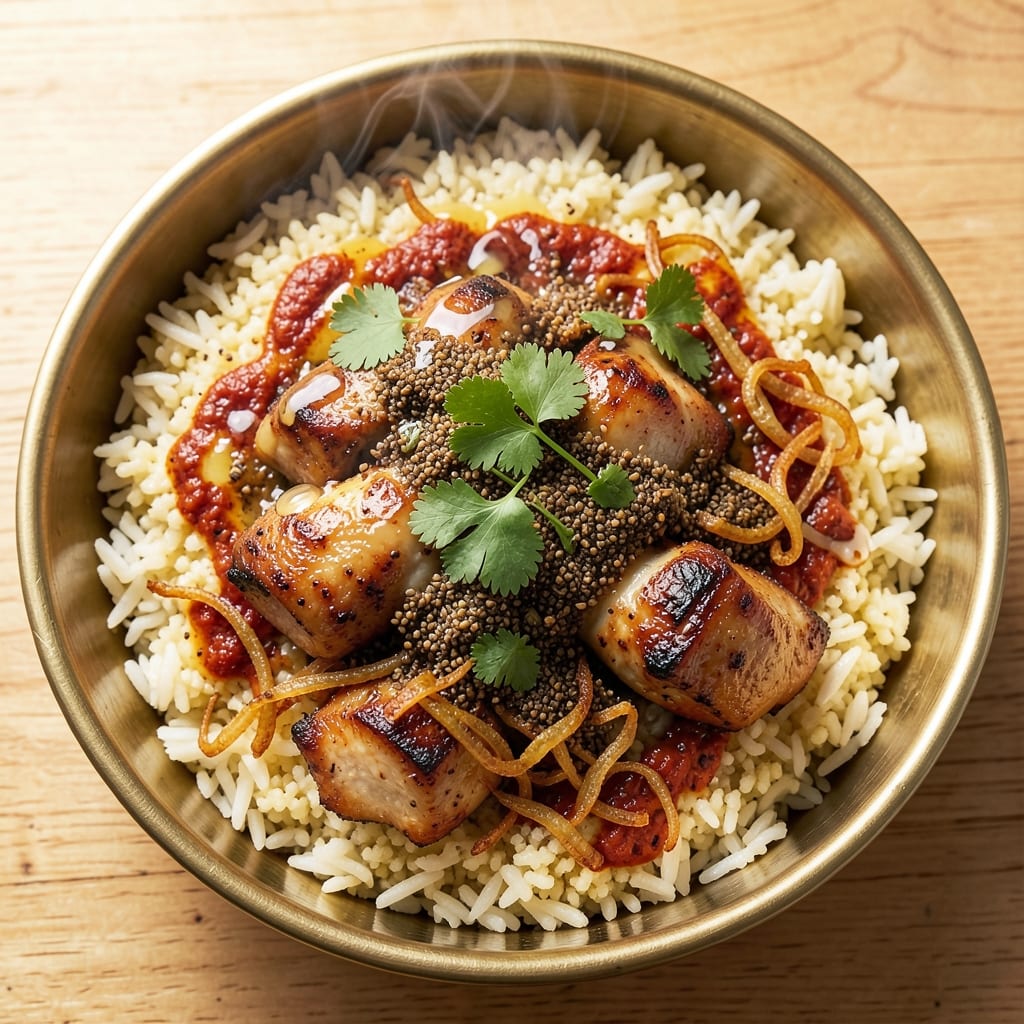
This Algerian rice recipe transforms simple grains into a fragrant, golden pilaf that’s the heart of any North African meal. The secret lies in slow-toasting spices like cumin and cinnamon, which infuse the rice with warm, earthy depth before layers of harissa and saffron create that signature golden hue. I first made this dish after discovering how a single pot of rice could elevate a simple weeknight dinner into something special—rich, aromatic, and packed with texture from toasted almonds.
The technique is straightforward but essential: blooming spices in butter before adding rice creates a flavor base that builds with each layer. Harissa brings heat and complexity, while saffron and chicken broth transform the dish into something luxurious. What you’ll end up with is perfectly tender rice with crispy edges, fragrant with spices and topped with crunchy almonds that add both texture and a nutty finish. This is the kind of rice that makes every bite feel like a celebration.
Serve it alongside grilled meats, roasted vegetables, or even as a standalone dish with a dollop of yogurt for cooling contrast. The recipe is versatile enough for weeknight dinners or special occasions, and the flavors only deepen as it sits—ideal for meal prep or feeding a crowd. Whether you’re new to Algerian cuisine or a seasoned fan, this pilaf delivers restaurant-quality results with minimal effort.
For a vegan version, simply replace butter with olive oil and use vegetable broth, keeping all other steps identical. The spices and harissa shine just as brightly without animal products, proving this dish is as adaptable as it is delicious. Let’s get cooking!
Ingredients for algerian rice
Simple spices, rich broth, and toasted almonds—this is the magic behind golden Algerian rice.
| Ingredient | Amount | Notes |
|---|---|---|
| Long-Grain White Rice 🍚 | 1 ½ cups | Uncooked, rinsed well |
| Unsalted Butter 🧈 | ½ cup | Cold, cut into small cubes |
| Ground Cumin 🌿 | 1 tbsp | Freshly toasted for depth |
| Ground Coriander 🍃 | 1 tbsp | Freshly toasted with cumin |
| Ground Cinnamon 🌶️ | ½ tsp | For warm, earthy notes |
| Harissa Paste 🔥 | 2 tbsp | Adjust for heat preference |
| Saffron Threads 🌼 | ¼ tsp | Soaked in 1 tbsp warm water |
| Chicken Broth 💧 | 2 cups | Low-sodium preferred |
| Slivered Almonds 🥜 | ¼ cup | Toasted until golden |
| Plain Yogurt 🥛 | ¼ cup | For serving (optional) |
| Fresh Parsley 🌿 | 0.1 cup | Chopped, for garnish |
| Salt 🧂 | 1 ½ tsp | Adjust to taste |
| Black Pepper 🌶️ | ½ tsp | Freshly ground |
The spices are where the flavor happens. Toast the cumin and coriander in butter until fragrant—this step makes all the difference. Whole Foods or Middle Eastern markets often carry high-quality harissa paste, but the jarred stuff works too. Saffron can be pricey, so buy it in small quantities from spice shops—just a pinch goes a long way. For the almonds, Trader Joe's has pre-slivered ones that toast up perfectly, but whole almonds work too if you pulse them in a food processor. The rice? Any long-grain variety—basmati or jasmine both shine here.
No harissa? Mix 1 tbsp tomato paste with 1 tsp smoked paprika and 1/2 tsp cayenne for a quick substitute. Fresh spices are ideal, but dried work at half the amount if that's what you've got. Short on saffron? Turmeric at 1/4 tsp gives a similar golden hue, though it lacks saffron's floral notes. The yogurt is totally optional but adds a nice cooling contrast—Greek yogurt works best if you want extra creaminess. For the broth, low-sodium is key so you can control the salt level.
This rice reheats beautifully—just add a splash of water and cover. Keeps for 4-5 days in the fridge and freezes for 3 months if you portion it into containers. I always make a double batch because it's perfect for meal prep. The almonds stay crispy for days if stored in an airtight container. Garnish with parsley right before serving—it brightens up the dish and adds freshness. Leftovers taste even better the next day as the flavors meld.
Why You'll Love This Recipe
- One-Pot Magic: I swear by this recipe when I’m too tired to wash a million dishes—just rice, butter, and those three spices in one pot. The butter infuses the rice with golden richness while the cumin and coriander work their warmth into every grain. No strainers, no fuss, just pure satisfaction.
- Warm Spice Hug: That first bite? It’s like a hug from Morocco. The cinnamon adds a whisper of sweetness, the cumin brings earthy depth, and the butter ties it all together with velvety smoothness. It’s the kind of flavor that makes you pause mid-bite—wait, is it that good?
- Weeknight & Weekend: I make this for lazy dinners when I’m serving grilled chicken or roasted veggies, but it’s also my go-to for potlucks or holiday sides. The spices keep it interesting, yet it’s simple enough to throw together before guests arrive. Honestly, it’s my secret weapon for making any meal feel special.
- Budget-Friendly Staple: Long-grain rice and a handful of spices? This recipe costs next to nothing but delivers big-time flavor. Plus, leftovers reheat beautifully—just a splash of water and a stir—and taste just as good the next day. My wallet and my taste buds thank me every time.
Step-by-step instructions for Algerian rice pilaf
This spiced rice comes together in one pot with layers of warm harissa, nutty almonds, and fragrant spices.
Toast Spices and Prepare the Saffron
Heat a dry skillet over medium heat and add the 1 tablespoon ground cumin and 1 tablespoon ground coriander. Toast for 1-2 minutes until fragrant and just starting to darken—you should smell that earthy, warm spice aroma. Immediately transfer to a small bowl and set aside.
In a separate small bowl, soak the 0.25 teaspoon saffron threads in 1 tablespoon warm water for 5 minutes. This releases their vibrant color and floral notes. The water will turn a beautiful golden hue—this is your visual cue it's ready.
Sauté the Rice in Butter
In a heavy-bottomed pot with a tight-fitting lid, melt the 0.5 cup unsalted butter over medium heat. Add the 1.5 cups long-grain white rice and stir to coat each grain completely. Cook for 3-4 minutes until the rice turns translucent at the edges and the butter has a nutty aroma.
This step is crucial—it prevents mushy rice by creating a light crust on each grain. If the butter starts browning too quickly, reduce the heat slightly. You want the rice to look dry and separate, not clumping together.
Build the Flavor Base
Add the toasted cumin-coriander mixture, 0.5 teaspoon ground cinnamon, 2 tablespoons harissa paste, 1.5 teaspoons salt, and 0.5 teaspoon black pepper to the pot. Stir vigorously for 1 minute until everything is evenly distributed and the harissa's deep red color appears throughout the rice.
Here's where the magic happens—the spices bloom and meld together. You'll see the harissa's heat start to develop, and the cinnamon will release its warm, sweet aroma. This is the foundation of your pilaf's complex flavor profile.
Cook with Broth and Steam
Pour in the 2 cups chicken broth and the saffron-soaking liquid. Bring to a gentle boil, then immediately reduce heat to low, cover tightly with the lid, and simmer for 15 minutes. Don't peek or stir—this lets the rice absorb the liquid evenly and develop that perfect fluffy texture.
After 15 minutes, check the rice. It should be tender but still slightly firm in the center. If there's still liquid remaining, cover and cook for another 2-3 minutes. If it's dry, sprinkle in 1-2 tablespoons water and let it steam for an additional minute.
Finish with Almonds and Rest
Remove from heat and let the rice sit covered for 5 minutes. Then, gently fluff with a fork and stir in the 0.25 cup toasted slivered almonds. The almonds should be warm and their toasted aroma will complement the spiced rice perfectly.
For serving, dollop with 0.25 cup plain yogurt and garnish with 0.1 cup chopped fresh parsley. The yogurt cools the harissa's heat while adding a creamy contrast, and the parsley brightens the dish with freshness. Serve immediately while the rice is still steaming hot.
Pro Tips For Making Algerian Rice
- Toast the Spices First: Heat your cumin, coriander, and cinnamon in the butter for 30 seconds before adding rice—this wakes up their flavors and prevents that dull, dusty taste. I used to skip this, and the dish always felt flat until I tried it. ---
- Use a Heavy Pot: A thick-bottomed pot (like stainless steel or cast iron) keeps the heat steady and prevents scorching when frying the rice in butter. My first attempt in a thin pan left me with burnt bits and uneven cooking. ---
- Rinse Rice Until Clear: Swirl the rice in cold water until the water runs completely clear—this removes excess starch and keeps the grains separate. I learned this the hard way after a batch turned into gluey mush. ---
- Finish with a Splash of Water: After the rice absorbs the butter and spices, add just enough water (about ½ cup per cup of rice) to steam the last 5 minutes—this guarantees tender grains without drying them out. (Yes, even if the recipe doesn’t mention it.)
Regional styles of these flavors
Oran-Style Spiced Rice
In Oran, Algeria’s coastal city, rice takes on a brighter, citrus-infused profile thanks to a splash of orange blossom water (about 1 teaspoon) added during cooking. This floral note pairs beautifully with the harissa and cumin, creating a lighter, more aromatic dish. I like using jasmine rice for this variation—its subtle floral notes complement the orange blossom perfectly. 🌸
Constantine’s Lamb-Spiced Pilaf
This hearty version from Algeria’s mountainous Constantine region incorporates ground lamb (about ½ pound) cooked directly with the rice. Brown the lamb in the same pot after toasting the spices, then remove it before adding broth. The lamb’s rich, gamey flavor infuses the rice as it steams, creating a one-pot meal. Serve with roasted eggplant for a complete dish. 🐑
Tunisian-Inspired Charmoula Rice
For a Tunisian twist, replace harissa with charmoula paste (a blend of garlic, cilantro, cumin, and coriander) and add ½ cup finely chopped preserved lemon peel during the final 5 minutes of cooking. The tangy, citrusy charmoula brightens the dish while the preserved lemon adds a salty crunch. Garnish with extra cilantro and a drizzle of extra-virgin olive oil for authenticity. 🍋
Berber Couscous Fusion
While not traditional, this fusion works beautifully: replace rice with semolina couscous (about 1.5 cups) and cook it using the same spice base. After adding broth, let it sit off heat for 10 minutes to absorb liquid, then fluff with a fork. Top with toasted almonds and a sprinkle of crumbled feta cheese for a modern take that still honors Algerian flavors. 🥣
Vegetarian Harissa Rice Bowl
For a vegan-friendly version, swap butter for olive oil and use vegetable broth. Add ½ cup chickpeas (tossed with harissa) and diced roasted red peppers during the final 5 minutes of cooking. Finish with toasted pine nuts instead of almonds and a dollop of vegan yogurt for creaminess. This bowl is packed with protein and texture while keeping the dish’s signature warmth. 🌱
Nutrition facts
Frequently asked questions
What makes Algerian rice different from other spiced rice dishes?
Algerian rice stands out for its harissa-spiced base and golden color from saffron, creating a balance of heat and floral notes. Unlike Spanish paella or Indian biryani, it relies on toasted whole spices (cumin, coriander) and finishes with crispy almonds for texture. The dish also uses butter for richness, which sets it apart from olive oil-based Mediterranean pilafs.
Can I substitute harissa with something else?
Yes! For a milder version, use 1 tbsp tomato paste + 1 tsp smoked paprika + ½ tsp cayenne. For extra depth, try ½ tsp each of turmeric and paprika with a pinch of cayenne. The key is maintaining the earthy-spicy profile—harissa's heat is what gives Algerian rice its signature kick. Adjust to taste!
Why does my Algerian rice turn out mushy?
Mushy rice usually means too much liquid or not enough toasting. First, ensure you're toasting the spices in butter until fragrant before adding rice. Then, use a heavy-bottomed pot and reduce heat to low after boiling. If needed, simmer uncovered for 1-2 minutes to evaporate excess moisture. Stirring too soon also breaks grains—let it steam undisturbed for 15 minutes after adding broth.
How do I make this recipe vegan?
Swap butter for olive oil and use vegetable broth instead of chicken. Keep all other steps identical—harissa and spices shine just as brightly without animal products. For extra richness, stir in 1 tbsp tahini during the final 5 minutes. Garnish with vegan yogurt or a drizzle of olive oil instead of dairy yogurt.
What’s the best way to store leftovers?
Let the rice cool completely, then store in an airtight container in the fridge for 4-5 days. For longer storage, freeze portions for up to 3 months. Reheat gently with a splash of water or broth over low heat, covered, until warmed through. The almonds stay crispy if stored separately in a sealed bag.