
Main Courses
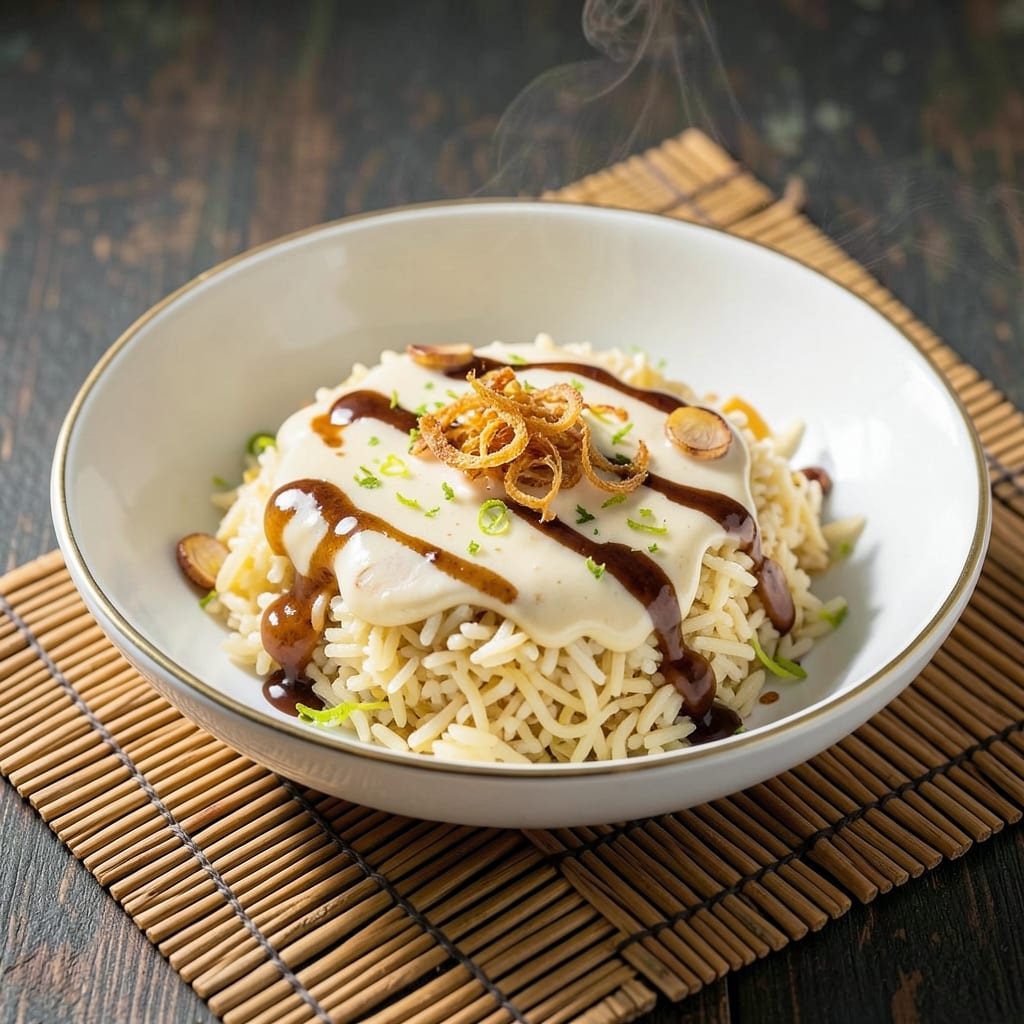
This Aloha rice recipe brings the vibrant flavors of Hawaii to your table with its tropical coconut-lime basmati blend, perfect for complementing grilled meats or vegetarian dishes. The secret lies in a fragrant broth infused with coconut milk, lime zest, and a touch of soy sauce, creating a dish that’s both comforting and refreshing. Whether you're serving it alongside kalua pork or as a standalone side, this recipe captures the essence of Hawaiian cuisine with simplicity and depth.
The beauty of Aloha rice is its versatility—it’s as much at home in a traditional Hawaiian feast as it is in a modern fusion meal. The basmati rice absorbs the rich coconut broth while staying fluffy and distinct, while the lime zest adds a bright, citrusy kick that balances the dish. This recipe delivers restaurant-quality results with just a few key ingredients and minimal effort, making it a staple for anyone looking to infuse their meals with island-inspired flavors.
What sets this Aloha rice apart is the harmony of textures and tastes: the creamy coconut milk, the tangy lime, and the subtle umami from the soy sauce come together to create a dish that’s both satisfying and light. The aroma alone will transport you to a Hawaiian luau, while the taste delivers a perfect balance of sweet, savory, and citrusy notes. It’s the kind of side dish that elevates any meal, whether you’re hosting a dinner party or simply craving a taste of the tropics.
Pair it with grilled chicken, kalua pork, or even sautéed vegetables for a well-rounded meal that feels both nostalgic and fresh. The recipe is adaptable too—swap the coconut milk for a vegan alternative if needed, or adjust the lime to taste for a more or less zesty finish. Ready to bring a little Aloha to your kitchen? Let’s get started.
Ingredients for aloha rice
Fourteen ingredients transform into Aloha rice that tastes like a Hawaiian vacation.
| Ingredient | Amount | Notes |
|---|---|---|
| Long-Grain Basmati Rice 🍚 | 1 ½ cups | Uncooked, rinsed thoroughly |
| Full-Fat Coconut Milk 🥥 | 13 ½ oz | Canned, no additives |
| Fresh Lime Zest 🍋 | 1 tbsp | From 1 medium lime |
| Lime Juice 🍋 | ¼ cup | Freshly squeezed |
| Light Soy Sauce 🥢 | 1 tbsp | Low-sodium preferred |
| Garlic Cloves 🧄 | 2 cloves | Minced finely |
| Vegetable Oil 🫒 | 1 tbsp | Neutral flavor preferred |
| Water 💧 | 1 ½ cups | Filtered preferred |
| Salt 🧂 | ½ tsp | Diamond Crystal preferred |
| Fresh Cilantro 🌿 | ¼ cup | Chopped, for garnish |
| Toasted Coconut Flakes 🥥 | 2 tbsp | Unsweetened, for garnish |
The coconut milk is non-negotiable for that authentic tropical flavor. Thai Kitchen or Goya brands are solid choices—they're rich and full-fat, which is key. If you spot organic canned coconut milk at Whole Foods, grab it—it's fresher. The lime zest needs to be fresh; bottled zest tastes like nothing. For the garlic, peel and mince it yourself—pre-minced garlic has a weird aftertaste. And the basmati rice? Jasmine works too, but basmati stays fluffier. Look for packages labeled 'long-grain' to avoid sticky results.
No soy sauce? Coconut aminos work in a pinch, though they're sweeter. Fresh lime zest unavailable? Key lime juice at half the amount gives a similar tang. The vegetable oil can be swapped for butter or ghee if you prefer richness, but keep it to the same quantity. For a vegan version, use vegan butter instead. The coconut flakes should be toasted in a dry pan for 2 minutes to bring out their flavor—don't skip this step. If you can't find unsweetened flakes, regular flakes work too, just reduce the amount by half to avoid sweetness.
This rice reheats beautifully—just add a splash of water and cover for 5 minutes. Keeps fresh in the fridge for 4 days if stored in an airtight container. For longer storage, freeze portions for up to 3 months. I like to make a double batch and freeze half—perfect for lazy weeknights. The lime zest and cilantro stay vibrant if you store them separately in sealed containers with a paper towel to absorb moisture. Garnish with extra zest and flakes right before serving for maximum freshness.
Why You'll Love This Recipe
- No-Fuss Simmering: I swear by this method—just toast the rice, pour in the coconut milk and soy sauce, and let it bubble. No stirring every five minutes, no watching the pot like a hawk. The rice absorbs everything perfectly while I’m chopping veggies or setting the table.
- Tropical Umami Magic: That first bite? Creamy coconut meets bright lime zest, with just a whisper of soy for depth. It’s the kind of flavor that makes you pause mid-bite, like a little vacation in your mouth—especially when it’s still warm and the citrus cuts through the richness.
- Lunchbox Legend: Between us, this is my go-to for packed lunches. The lime keeps it fresh for days, and the texture stays just right—no mushy rice here. Toss it with grilled chicken, shredded veggies, or even cold cuts, and it’s a meal that doesn’t skimp on taste.
- Budget Brightener: Full-fat coconut milk makes it feel special, but it’s still cheaper than takeout. A single batch stretches for three lunches or two dinners, and I’ve never once thrown any out. Honestly, the lime juice alone keeps it from getting boring—it’s my secret for making leftovers feel new.
Step-by-step instructions for Aloha rice with tropical coconut-lime magic
Here's how to transform simple basmati rice into fragrant, tangy aloha rice that pairs perfectly with grilled proteins.
Toast the Garlic and Prepare the Base
Heat the 1 tablespoon vegetable oil in a medium saucepan over medium heat. Add the 2 cloves minced garlic cloves and toast for 30-45 seconds until fragrant but not browned. This step develops the garlic's flavor without bitterness.
Immediately add the 1.5 cups Long-Grain Basmati Rice and stir for 1 minute to coat each grain with the garlic oil. This creates a flavorful foundation for the coconut-lime infusion. I like to press the rice gently against the pan with a wooden spoon to ensure even coating.
Add Liquids and Seasonings
Pour in the 1.5 cups Water and 13.5 oz Full-Fat Coconut Milk, then add the 1 tbsp Light Soy Sauce, 0.5 tsp Salt, and 1 tbsp Fresh Lime Zest. Stir well to combine all ingredients thoroughly. The coconut milk should create a creamy, cloudy appearance in the liquid.
Bring the mixture to a gentle boil over medium-high heat. Once boiling, reduce heat to low and cover the pan tightly with a lid. The rice will absorb the liquid as it cooks, so don't peek during the first 15 minutes—this helps maintain even cooking.
Cook Until Fluffy and Absorbed
Simmer for 15 minutes without lifting the lid. You'll notice the rice begins to absorb the liquid and the coconut aroma intensifies. After 15 minutes, remove the lid and stir gently to check for doneness.
The rice should be tender with just a few grains still slightly firm. If needed, cover and cook for another 2-3 minutes until all liquid is absorbed and the rice is fluffy. The texture should be light and separate, not mushy.
Finish with Bright Citrus and Garnish
Remove the pan from heat and stir in the 0.25 cup Lime Juice and 0.25 cup Fresh Cilantro. The lime juice adds a bright, tangy contrast to the rich coconut flavor. Let the rice sit covered for 5 minutes to allow the flavors to meld.
Before serving, sprinkle the 2 tbsp Toasted Coconut Flakes evenly over the top. The toasted coconut adds a delightful crunch and enhances the tropical vibe. Serve immediately while still warm for the best texture and flavor combination.
Pro Tips For Making Aloha Rice
- Rinse the Rice Right: Dump the basmati in a fine-mesh strainer and swirl it under cold water for 30 seconds—just until the water runs clear. I used to skip this, thinking it was a waste of time, but it cuts down on gummy rice and keeps those grains separate. (Yes, even if you’re impatient like me.) ---
- Simmer, Don’t Boil: Once your rice is submerged in the coconut milk mixture, reduce the heat to the lowest setting that keeps a gentle, barely perceptible bubble at the edges. After burning three batches, I finally figured out that aggressive boiling turns the coconut milk greasy and the rice mushy. Sounds weird, but it works. ---
- Zest First, Juice Last: Grate the lime zest before juicing it, and fold it into the coconut milk while it’s still warm. The heat helps release the oils in the zest, making the aroma way more intense. I was skeptical until I tried it—now I double-check this step every time. ---
- Soy Sauce at the End: Stir in the light soy sauce only after the rice has absorbed all the liquid and is resting off the heat. Adding it earlier can make the rice taste flat or overly salty. (Your future self will thank you.)
Common mistakes when making this dish
Overcooking the Rice
One of the biggest mistakes is letting the rice sit uncovered or cooking it too long after it's absorbed the liquid. Aloha rice should be tender but still slightly firm—like a perfect al dente pasta. I’ve seen people walk away from the stove and return to find their rice transformed into a mushy, gluey mess. The key is to remove the lid at 15 minutes and check for doneness immediately. If you need extra time, cover and cook for just 2-3 more minutes, no more!
Skipping the Garlic Toast
Some cooks rush through the garlic toasting step, but this is where the flavor foundation gets built. Those 30-45 seconds of toasting develop the garlic's natural sweetness and depth without burning. I’ve tasted Aloha rice made without this step—it’s noticeably flatter. Use a wooden spoon to press the rice against the pan after adding it to the garlic oil. This ensures every grain gets coated for maximum flavor infusion.
Using Low-Quality Coconut Milk
The coconut milk makes or breaks this dish. Light or watered-down versions will leave your rice tasting bland. I always reach for full-fat canned coconut milk like Thai Kitchen or Goya—they’re rich and creamy. If you’re using cartons, shake them well before opening to redistribute the cream. Pro tip: For extra richness, add 1 tablespoon of coconut cream (the thick part from the can) to the cooking liquid.
Ignoring the Lime Zest Timing
Adding lime zest too early can make the rice bitter, while adding it too late won’t let it infuse properly. Stir in the zest right after adding the liquids but before bringing the mixture to a boil. The heat will gently extract the citrus oils, brightening the coconut flavor. Fresh lime zest is non-negotiable—bottled zest lacks the same aromatic punch. If you’re short on time, zest a lime right before cooking and store the rest in the freezer for later.
Peeking Too Often
Every time you lift the lid during the first 15 minutes, you release steam and disrupt the cooking process. This can lead to unevenly cooked rice or even a pot of dry grains. Trust the process! The rice will absorb the liquid gradually. If you’re worried, set a timer and resist the urge to peek. Once you remove the lid at 15 minutes, you can check for doneness without risking overcooking.
Forgetting to Toast the Coconut Flakes
Toasted coconut flakes add a crucial textural contrast to the creamy rice. Skipping this step means your garnish will taste flat and unappetizing. Dry-toast them in a small pan over medium-low heat for just 2 minutes, stirring constantly, until golden. Watch closely—they burn quickly! The nutty aroma will elevate your dish from good to restaurant-quality. Store the toasted flakes in an airtight container so you can reuse them for future meals.
Nutrition facts
Frequently asked questions
Can I make Aloha rice with jasmine rice instead of basmati?
Yes, jasmine rice works beautifully! It has a slightly stickier texture that absorbs the coconut-lime flavors wonderfully. For best results, use the same ratio (1.5 cups uncooked) and reduce the water by ¼ cup since jasmine rice releases more starch. The aroma will be even more fragrant, though basmati stays fluffier.
How do I store leftover Aloha rice?
Store in an airtight container in the fridge for up to 4 days. For longer storage, freeze portions for 3 months. Reheat gently with a splash of water or coconut milk to restore moisture. Pro tip: Keep the lime zest and cilantro separate in sealed containers with a paper towel to preserve freshness.
What proteins pair best with Aloha rice?
This tropical rice shines with Hawaiian favorites like grilled kalua pork or teriyaki chicken. For vegetarian options, try sautéed tofu with pineapple or grilled shrimp. The coconut-lime balance also complements spicy dishes like Hawaiian-style beef bulgogi.
Can I make this recipe vegan?
Swap the soy sauce for coconut aminos and use vegan coconut milk (like So Delicious brand). For extra richness, add 1 tbsp vegan butter when toasting the garlic. The flavor remains just as vibrant—just as delicious without animal products!
Why does my Aloha rice turn out mushy?
Overcooking is the most common cause. Remove the lid at 15 minutes and check for doneness immediately—rice should be tender with slight firmness. If it's still undercooked, cover and cook for just 2-3 more minutes. Never leave it uncovered after cooking, as this dries out the grains.