
Main Courses
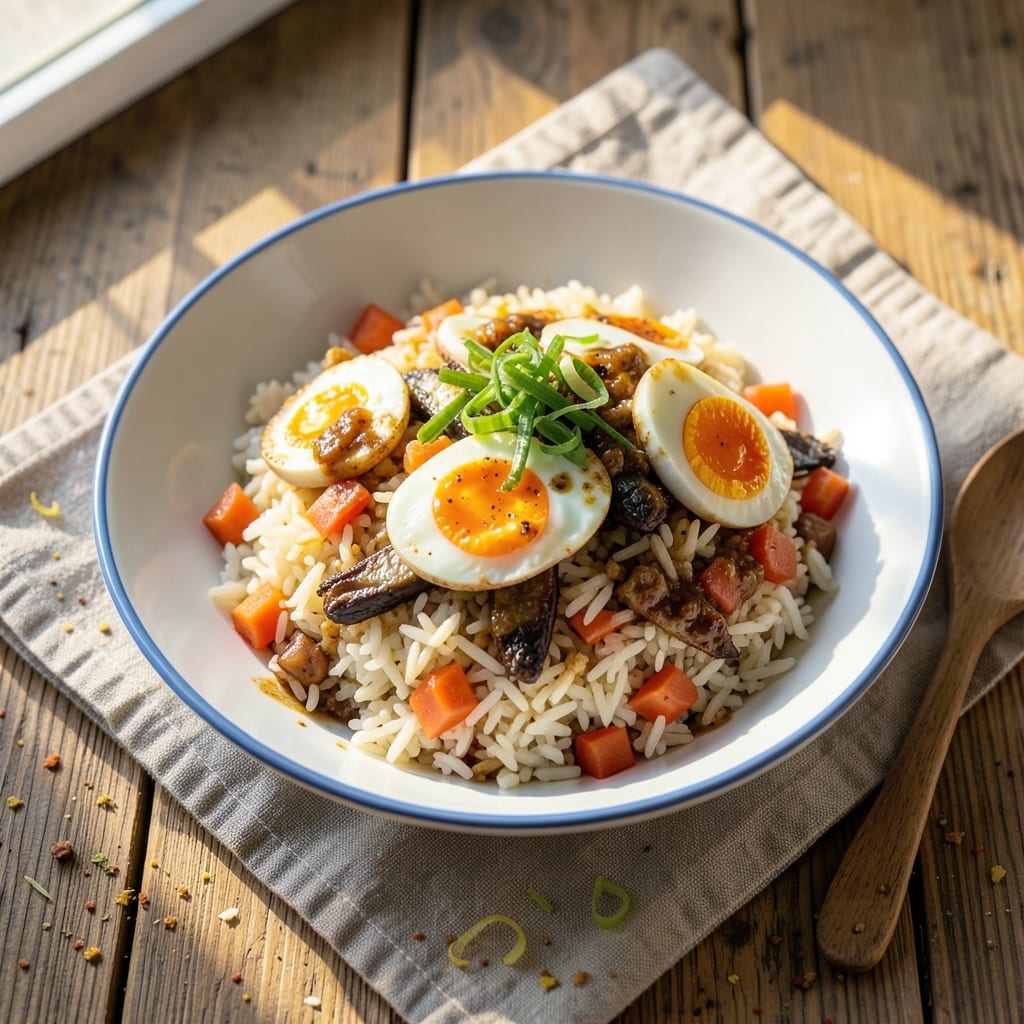
This anchovy fried rice recipe transforms simple ingredients into a bold, umami-packed one-pan dish that rivals takeout. The secret lies in anchovies—tiny but mighty—adding a deep, salty richness that elevates every bite. I’ve perfected this version to balance texture and flavor, ensuring crispy edges and tender grains without overpowering the dish.
What sets this recipe apart is the two-step cooking process: first, building a flavorful base with garlic, ginger, and anchovies, then frying the rice at high heat for that signature wok-style crunch. The anchovies dissolve into the oil, infusing the rice with layers of savory depth that no other ingredient can match. It’s a foolproof method that delivers restaurant-quality results in under 30 minutes.
The final dish is a harmony of textures—crispy rice, soft scrambled eggs, and vibrant vegetables—all tied together by that unmistakable anchovy umami. Serve it as a main course or alongside grilled protein for a complete meal. This recipe proves that simple ingredients, when combined with the right technique, can create something extraordinary.
Whether you’re a fried rice novice or a seasoned home cook, this version adapts effortlessly. The key is high heat and quick cooking—no soggy rice here. Let’s get started on a dish that’s as satisfying as it is flavorful.
Ingredients for anchovy fried rice
Four cups of cold rice kickstarts this umami masterpiece, with anchovies delivering restaurant-quality depth.
| Ingredient | Amount | Notes |
|---|---|---|
| Day-Old Cooked White Rice 🍚 | 4 cups | Cold, preferably jasmine or basmati |
| Anchovy Fillets 🐟 | 4 whole | High-quality, rinsed if salty |
| Large Eggs 🥚 | 3 whole | Fresh, beaten for scrambling |
| Carrots 🥕 | 1 cup | Diced small, vibrant orange |
| Green Onions 🧅 | ½ cup | Thinly sliced, white and green parts |
| Fresh Ginger 🌿 | 1 tbsp | Finely grated, aromatic |
| Garlic Cloves 🧄 | 4 cloves | Minced, fresh for intensity |
| Vegetable Oil 🫒 | ½ cup | High smoke point preferred |
| Soy Sauce 🍶 | ¼ cup | Light or all-purpose |
| Sesame Oil 🫒 | 1 tbsp | Toasted, for aroma |
| Salt 🧂 | ½ tsp | Diamond Crystal preferred |
| Black Pepper 🌶️ | ¼ tsp | Freshly ground for texture |
| White Pepper 🌶️ | ¼ tsp | Optional, for subtle heat |
| Lemon Wedges 🍋 | 2 whole | For serving, fresh squeezed |
Anchovies are non-negotiable here—they dissolve into the oil, creating that signature savory base. Look for high-quality fillets at Whole Foods or Trader Joe's, where they're typically packed in olive oil. Rinse them quickly if they're particularly salty, but don't soak—we want that umami punch. The rice must be day-old; freshly cooked rice releases too much moisture and turns mushy. Jasmine or basmati work best for their distinct aromas, though any long-grain rice will do in a pinch. For the ginger, fresh is essential—the heat and aroma can't be replicated with powdered. Buy it in small amounts and keep it in the freezer if you won't use it quickly.
No anchovies? Fish sauce at one-third the amount works, but you'll lose that concentrated umami depth. Substitute carrots with frozen peas or bell peppers if needed—just adjust cooking time slightly. The eggs should be scrambled separately and added at the end for that signature texture contrast. For the soy sauce, Kikkoman or Pearl River Bridge are reliable brands, but any light soy will work. Sesame oil is purely for aroma here—use the toasted variety, not the refined kind. The white pepper is optional but adds a subtle complexity that elevates the dish without overpowering the anchovy flavor.
This dish reheats beautifully—30 seconds in the microwave with a splash of water restores crispiness. Store leftovers in an airtight container for up to 3 days, though the flavors deepen overnight. For freezing, portion into single servings and reheat with a quick stir-fry in a dry pan. The lemon wedges should be added just before serving—freshly squeezed juice brightens the dish immediately. Double the batch and freeze half; you'll thank yourself later when you're craving takeout but want something healthier.
Why You'll Love This Recipe
- Here’s what sold me: this reheats like a dream. Pack it cold for work or freeze portions for those days when you’d rather not cook. The eggs stay tender, the veggies crisp, and it’s always a hit.
- One-Pan Magic: I swear by this—just toss everything in one wok, and you’re done. No dirty dishes, no extra bowls, and that day-old rice? It’s the secret to perfect texture without extra effort.
- Umami Bomb: The anchovies—yes, those little fish—pack a punch. They dissolve into the rice, leaving behind this deep, savory richness that turns a simple meal into something you’ll crave.
- Lunchbox Hero: Here’s what sold me: this reheats like a dream. Pack it cold for work or freeze portions for those days when you’d rather not cook. The eggs stay tender, the veggies crisp, and it’s always a hit.
Step-by-step instructions for anchovy fried rice
Here's how to transform simple ingredients into restaurant-quality anchovy fried rice.
Prepare the Anchovy Paste and Aromatics
In a small bowl, finely chop the 4 whole anchovy fillets into a paste using a fork or mortar and pestle. This creates the umami foundation for your dish. Set aside. In the same bowl, add the 1 tablespoon finely grated fresh ginger and 4 minced garlic cloves, mixing until fully combined.
Heat the 0.5 cup vegetable oil in a wok or large skillet over medium-high heat until shimmering. Add the ginger-garlic-anchovy mixture and cook for 30 seconds until fragrant. This quick cooking preserves the delicate flavors while building the aromatic base for your fried rice.
Cook the Eggs and Vegetables
Push the aromatic mixture to one side of the wok. Add the 3 whole beaten large eggs to the empty space and scramble until just set but still slightly moist - about 30 seconds. Remove the eggs and set aside temporarily.
Add the 1 cup diced carrots to the wok and stir-fry for 2 minutes until they begin to soften but still retain their vibrant color. This partial cooking prevents them from becoming mushy during the final stir-fry. The carrots should be tender-crisp when you're ready to combine everything.
Combine All Ingredients for Perfect Texture
Return the scrambled eggs to the wok and add the 4 cups day-old cooked white rice, breaking up any clumps with your spatula. Stir-fry for 2-3 minutes until the rice is heated through and begins to develop a slightly crispy texture at the edges.
Add the 0.25 cup soy sauce, 0.5 teaspoon salt, 0.25 teaspoon black pepper, and 0.25 teaspoon white pepper. Mix well to distribute the seasoning evenly throughout the rice. The rice should be moist but not sticky - if it appears too dry, add 1-2 tablespoons of water and stir.
Finish with Sesame Oil and Garnish
Reduce heat to medium-low and drizzle in the 1 tablespoon toasted sesame oil. Stir immediately to distribute evenly - this adds the final aromatic layer to your dish. Cook for an additional 1 minute to let the sesame oil infuse into the rice.
Remove from heat and stir in the 0.5 cup thinly sliced green onions. Divide the fried rice among serving plates and garnish each portion with a lemon wedge. Serve immediately while the rice is still hot and the aromatics are at their peak.
Pro Tips For Making Anchovy Fried Rice
- CRACK THE ANCHOVIES FIRST: Toss those fillets into a dry pan over medium heat for 30 seconds until they sizzle and darken—this concentrates their umami punch before you even add a drop of oil. I used to add them straight to the rice, but now I let them crisp just enough to melt into the oil like a savory paste. (Yes, even if you’re impatient like me.)
- USE COLD RICE, NOT WARM: Refrigerate your day-old rice for at least 2 hours first—this dries out the grains so they won’t turn mushy when fried. I learned this the hard way after serving a soggy batch that stuck together like glue. Cold rice also absorbs the anchovy oil better, giving every bite that signature salty depth.
- SCRAMBLE EGGS SEPARATELY: Push the eggs to one side of the pan and let them set into a soft, slightly runny curd before folding them into the rice. This keeps the yolks creamy instead of breaking into tiny, rubbery bits. My grandmother swore by this, and she was right: the texture makes all the difference.
- SAUTÉ CARROTS UNTIL TENDER: Cut carrots into matchsticks and cook them in the same oil as the anchovies until they’re just fork-tender—about 5 minutes—before adding the rice. Overcooking them turns them to mush, but undercooking leaves them crunchy and unappetizing. Aim for that sweet, soft-but-still-firm spot.
Troubleshooting great anchovy fried rice
Rice Too Dry?
If your rice ends up dry and crumbly, it’s usually from overcooking or using fresh rice. The fix? Add 1-2 tablespoons of water or chicken broth during the final stir-fry and fold it in immediately. For next time, use day-old rice—it absorbs flavors better and has the perfect texture. If you’re in a rush, spread freshly cooked rice on a tray and refrigerate for 30 minutes to dry it out slightly. 💧
Anchovy Flavor Too Strong?
Anchovies pack serious umami, but if the flavor feels overpowering, balance it with a splash of lemon juice or a pinch of sugar (just ½ teaspoon). For a milder taste, rinse the anchovies before chopping or reduce the amount to 2 fillets. If you’re using fish sauce instead, start with 1 teaspoon and adjust to taste—it’s more subtle than anchovies. 🍋
Eggs Turning Rubbery?
Overcooking the eggs is the usual culprit here. Scramble them just until set (30 seconds max) and remove them from the wok immediately. If they’ve already gone rubbery, stir them back into the rice at the very end of cooking—this helps restore some texture. For extra tenderness, use cold eggs straight from the fridge and scramble them over slightly lower heat. 🥚
Vegetables Too Soft?
Carrots and other veggies can turn mushy if cooked too long. Stir-fry them for only 1-2 minutes before adding the rice, and keep the heat high. For heartier veggies like bell peppers or snap peas, add them in the final 30 seconds of cooking. If your veggies are already overcooked, fold in a handful of fresh green onions or thinly sliced cucumber at the end for a crisp contrast. 🥕
Sauce Not Sticking?
If the soy sauce and sesame oil aren’t coating the rice evenly, your wok isn’t hot enough. Crank the heat to high and let the oil shimmer before adding the rice. Stir constantly and add a splash of water if needed to help the sauce cling. For extra stickiness, mix 1 teaspoon of cornstarch with 2 tablespoons of water and drizzle it over the rice during the final minute of cooking. ✨
Leftover Rice Too Sticky?
Sticky rice happens when too much moisture gets trapped. To fix it, spread the cooked rice on a tray and let it dry out for 10-15 minutes before reheating. For next time, use slightly less soy sauce (2 tablespoons instead of ¼ cup) and avoid adding water during cooking. If it’s already sticky, fold in 1 tablespoon of toasted sesame seeds to add texture and absorb excess moisture. 💡
Nutrition facts
Frequently asked questions
Why does this fried rice need day-old rice?
Day-old rice absorbs flavors better and has a firmer texture, preventing that mushy, gluey result. Freshly cooked rice releases too much moisture when stir-fried, making it difficult to achieve the signature crispy edges. If you're in a hurry, spread freshly cooked rice on a tray and refrigerate for 30 minutes to dry it out slightly.
Can I make this vegetarian?
Yes! Replace the anchovies with 1 teaspoon fish sauce or 2 tablespoons soy sauce plus 1 teaspoon miso paste for umami depth. For extra richness, add 1 tablespoon nutritional yeast or ½ teaspoon smoked paprika. The dish will still taste amazing—just slightly different in flavor profile.
How do I prevent the eggs from getting rubbery?
Scramble the eggs just until set (30 seconds max) over medium-high heat, then remove them immediately. If they've already gone rubbery, stir them back into the rice at the very end of cooking. For extra tenderness, use cold eggs straight from the fridge—they scramble more gently than room-temperature eggs.
What's the secret to getting crispy edges?
High heat is key! Use a wok or large skillet and heat it until oil shimmers before adding rice. Stir constantly for 2-3 minutes at high heat—this creates the perfect crispy texture. If your rice isn't getting crispy, your pan might not be hot enough or your rice might be too moist.
How can I make this dish spicier?
Add ½ teaspoon chili flakes or 1 teaspoon sriracha at the end of cooking. For heat with depth, stir in ½ teaspoon gochujang (Korean chili paste) with the soy sauce. If you love spice, try adding 1 chopped Thai chili** to the aromatic base with the garlic and ginger.