
Main Courses
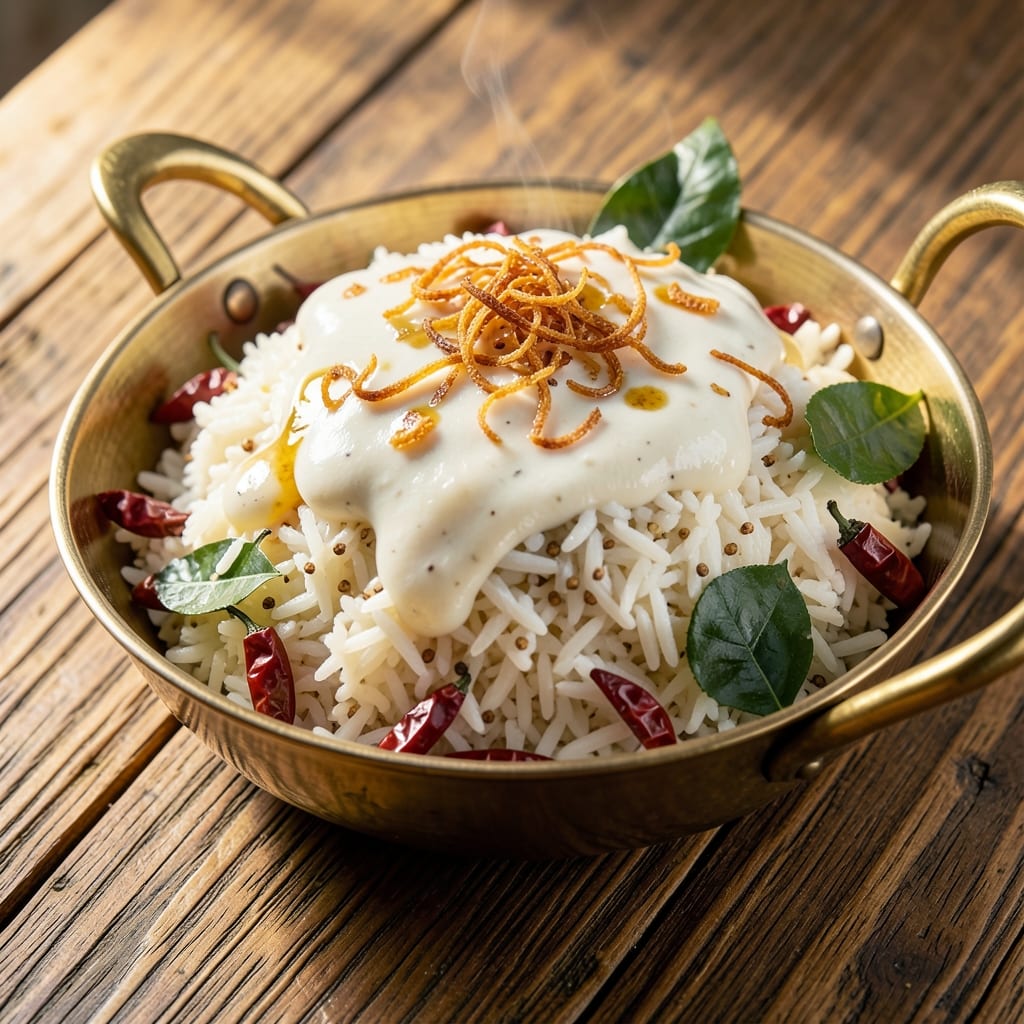
Andhra Bagara rice transforms simple basmati into a fragrant, layered masterpiece where coconut and spices create an aromatic symphony. 🌟 This traditional Andhra dish goes beyond ordinary rice—each grain absorbs the essence of tempered mustard seeds, curry leaves, and coconut, resulting in a dish that's both comforting and restaurant-worthy. The secret lies in the slow-cooking process that develops deep, nutty flavors while keeping the rice perfectly fluffy.
What sets this recipe apart is the careful balance of spices and coconut milk, which infuses the rice with a delicate fragrance that lingers long after the meal. Unlike plain rice, Bagara rice is cooked with a tempering of mustard seeds, dried red chilies, and curry leaves, creating a flavor base that's both aromatic and slightly spicy. The coconut milk adds a subtle sweetness that rounds out the spices, making every bite irresistibly fragrant.
The result is a dish that pairs beautifully with Andhra curries, sambar, or even a simple pachadi. The rice stays separate yet infused with flavor, allowing the natural taste of the basmati to shine while carrying the essence of the tempering. This is the kind of meal that feels special yet remains accessible, perfect for weeknight dinners or festive gatherings.
Whether you're serving it with a rich chicken curry or a vegetarian sambar, Andhra Bagara rice elevates any meal to new heights. The process is straightforward but requires patience—letting the rice absorb the coconut and spices slowly ensures the best possible outcome. Let's get started on creating this fragrant, flavorful centerpiece for your table.
Ingredients for andhra bagara rice
Fragrant spices and coconut milk transform basmati into a restaurant-worthy masterpiece.
| Ingredient | Amount | Notes |
|---|---|---|
| Basmati Rice 🍚 | 1 ½ cups | Uncooked, long-grain preferred |
| Coconut Milk 🥥 | 1 ½ cups | Full-fat, canned preferred |
| Mustard Seeds 🌿 | 1 tbsp | Whole, yellow preferred |
| Dried Red Chilies 🌶️ | 4 whole | Kashmiri or red chilies |
| Curry Leaves 🌿 | ¼ cup | Fresh, tightly packed |
| Ghee 🧈 | 2 tbsp | Clarified butter, unsalted |
| Coconut Oil 🫒 | 2 tbsp | For extra richness |
| Salt 🧂 | 1 ½ tsp | Adjust to taste |
| Ground Black Pepper 🌶️ | ½ tsp | Freshly cracked preferred |
| Cumin Seeds 🌿 | ½ tsp | Toasted for aroma |
| Asafoetida 🌿 | ⅛ tsp | Pinch for depth (optional) |
| Water 💧 | 3 cups | Filtered preferred |
The coconut milk is non-negotiable here—full-fat canned gives the best creaminess, and Thai Kitchen or Goya brands are my go-to. Mustard seeds should be whole, not powdered, for that signature popping sound. Indian grocery stores usually carry the best quality curry leaves—look for fresh, vibrant ones. If you can't find them, dried will work at half the amount, but fresh is ideal. The ghee and coconut oil combo gives this dish its signature richness—don't skip either. For dried red chilies, Kashmiri adds a subtle sweetness, but regular red chilies work too.
No coconut milk? Coconut cream plus extra water gets you close, but the texture will be thinner. Short on curry leaves? Fresh bay leaves at half the amount work in a pinch, though they won't be identical. The asafoetida is optional but adds that unmistakable depth—Penzeys sells it in tiny jars that last forever. If you're avoiding asafoetida, extra garlic powder can help, but it's not the same. For the rice, basmati is a must—jasmine won't give the same texture. And if you're feeling fancy, soak the rice for 20 minutes first—it makes all the difference.
This rice tastes even better the next day—reheats beautifully in the microwave with a splash of water. Store leftovers in an airtight container for up to 4 days. For a crowd, double the recipe—just make sure your pot is big enough. The coconut milk will separate if refrigerated, so stir it well before reheating. And if you're serving with curry, cook the rice last minute—it stays fluffier that way.
Why You'll Love This Recipe
- No Fuss, Big Payoff: I swear by this one—just toast the mustard seeds and dried chilies in oil until they pop like a tiny firework show. That’s it for prep. The rice handles itself while you sip your tea.
- Coconut Cream Magic: The coconut milk turns this from a side dish to a full-on flavor experience. It’s not sweet, not heavy—just that perfect balance of richness with a hint of spice from the curry leaves.
- Lunchbox Legend: Between us, this is my go-to for packed lunches. The rice stays fluffy for days, and the coconut-milk tang keeps it interesting. My kids actually finish their meals—no small feat.
- Budget-Friendly Luxury: Basmati rice and coconut milk sound fancy, but they stretch like crazy. A single batch feeds four, and leftovers reheat beautifully. Frugal? Absolutely. Delicious? Even more so.
Step-by-step instructions for Andhra Bagara rice
Here's how to create this fragrant, layered rice dish with perfect texture and bold flavors.
👨🍳 Step 1: Prepare the Spice Base
Heat the 2 tablespoons ghee and 2 tablespoons coconut oil together in a heavy-bottomed pot over medium heat. Once the ghee melts and starts to shimmer, add the 1 tablespoon mustard seeds and let them sizzle for about 30 seconds until they pop and turn golden.
Add the 4 whole dried red chilies and 0.25 cup curry leaves to the pot. The chilies should darken slightly while the curry leaves release their aromatic oils. Sprinkle in the 0.5 teaspoon cumin seeds and 0.125 teaspoon asafoetida—this last ingredient adds that unmistakable depth that makes Bagara rice special. Stir for another 30 seconds until all the spices are fragrant and the oil is infused with their flavors.
🍳 Step 2: Toast the Rice
Add the 1.5 cups basmati rice to the pot and stir gently to coat each grain with the spiced oil. Toast the rice for 3-4 minutes until it turns a light golden color and becomes slightly translucent at the edges. This step is crucial—it prevents the rice from becoming mushy and gives it that beautiful nutty aroma.
I like to press down gently on the rice during the first minute to ensure even contact with the hot oil. Don't walk away—rice burns quickly once it starts to toast. You'll know it's ready when the rice grains look plump and slightly glossy.
🥘 Step 3: Add Liquids and Simmer
Pour in the 3 cups water and 1.5 teaspoons salt, then stir once to distribute everything evenly. Bring the mixture to a boil, then reduce the heat to low and cover the pot with a tight-fitting lid. Let it simmer undisturbed for 12-15 minutes—this is where the magic happens.
After 10 minutes, gently shake the pot once to redistribute any rice that might have settled at the bottom. The rice should be 80% cooked by now—you'll see some water still remaining but the grains should be tender when pressed between your fingers. This partial cooking step ensures the rice absorbs the coconut milk perfectly later.
🥘 Step 4: Layer with Coconut Milk
Once the rice is partially cooked, remove the pot from heat and let it sit covered for 5 minutes. Then carefully stir in the 1.5 cups coconut milk and 0.5 teaspoon ground black pepper. The coconut milk should be warm but not hot—this prevents the rice from becoming gummy.
Return the pot to low heat and cook uncovered for another 8-10 minutes, stirring gently every 2 minutes to prevent sticking. The rice should absorb all the liquid and develop a slightly crispy texture on the surface. You're aiming for rice that's tender but still has a slight bite—this is what gives Andhra Bagara its signature texture.
⏰ Step 5: Rest and Serve
Once all the liquid is absorbed and the rice has a beautiful golden crust on top, remove the pot from heat and let it rest covered for 10 minutes. This resting period allows the flavors to meld together and the rice to finish cooking perfectly.
Fluff the rice gently with a fork before serving. The final dish should have distinct layers of flavor—spicy, nutty, and creamy all at once. Serve immediately with your favorite curries or as a standalone dish. The aroma alone will make your kitchen smell like a South Indian feast!
Pro Tips For Making Andhra Bagara Rice
- SOAK RICE 30 MINUTES: I used to skip this, but basmati needs that extra time to soften—especially when layered with coconut milk. Thirty minutes in warm water (not boiling) makes the grains fluffier and prevents that stubborn chewiness. Trust me, your rice will thank you.
- TOAST CHILIES LOW AND SLOW: Cranking the heat for dried red chilies burns them before they release flavor. Instead, toast them on medium-low until they darken and smell fragrant—about 2-3 minutes. Burnt chilies taste bitter, and nobody wants that in their creamy coconut rice.
- LAYER COCONUT MILK GRADUALLY: Dumping all the coconut milk at once dilutes the tempering spices. Start with half, let it simmer into the rice, then add the rest. This keeps the mustard seeds and curry leaves popping without turning the dish into a thin soup.
- STIR ONCE AFTER TEMPERING: Over-stirring breaks the rice and muddies the tempering. After adding the mustard seeds and chilies, give it one gentle stir, then let the spices bloom undisturbed. The aroma will fill your kitchen—just don’t ruin it by stirring like you’re scrambling eggs.
Troubleshooting great andhra bagara rice
Rice Too Dry?
If your rice ends up dry or crunchy, you likely cooked it too long on high heat. The key is patience—Bagara rice needs low heat after adding coconut milk. For next time, reduce heat to simmer and check after 8 minutes instead of waiting the full 10. A splash of warm water (about 2 tbsp) can revive slightly undercooked rice while keeping it fragrant.
Mushy Texture?
Mushy rice usually means overcooking or insufficient toasting. First, ensure you toast the rice for 3-4 minutes until golden—this builds a protective layer. If it still turns mushy, reduce the water by ½ cup next time. For immediate fixes, spread the rice on a tray and bake at 300°F for 5-10 minutes to dry it out slightly while keeping the coconut aroma intact.
Coconut Milk Separates?
This happens when coconut milk sits too long before use or isn’t warmed properly. Always use full-fat canned coconut milk (like Thai Kitchen) and warm it gently—never boil. If separation occurs, whisk vigorously or blend briefly to re-emulsify before adding to rice. For extra insurance, stir in ½ tsp cornstarch mixed with 1 tbsp water while heating to stabilize the milk.
Spices Burned?
Mustard seeds and curry leaves burn quickly if heat isn’t controlled. Keep the pot on medium-low and watch closely—they should sizzle but not smoke. If they burn, remove the pot immediately and start over with fresh oil. A smaller pot (like 8-inch diameter) gives better heat control than a large one. For extra safety, toast spices in a separate pan first, then add to the rice.
Rice Not Fragrant?
Weak aroma usually means insufficient toasting or stale spices. Toast the rice longer (4-5 minutes) until nutty smells fill your kitchen. For spices, use fresh curry leaves (buy weekly) and whole mustard seeds (not powder). A pinch of freshly ground black pepper at the end adds depth. If using dried chilies, toast them separately in a dry pan for 30 seconds before adding to the oil.
Leftover Staling?
Bagara rice reheats best with moisture. Sprinkle 1 tbsp warm water over leftovers, cover, and microwave for 1-2 minutes. For stovetop, heat in a lightly oiled pan on low heat with 2 tbsp coconut milk to restore creaminess. Store in an airtight container—the coconut milk’s fat helps preserve freshness for 3-4 days in the fridge.
Nutrition facts
Frequently asked questions
Can I make Andhra Bagara rice without coconut milk?
While coconut milk is traditional, you can substitute with ½ cup coconut cream mixed with ½ cup warm water for a lighter version. For a dairy alternative, use ½ cup heavy cream plus 1 teaspoon coconut extract to mimic the fragrance. The texture will be less rich, but the spice profile remains intact.
What's the difference between Bagara rice and regular basmati?
Bagara rice is basmati cooked with a spiced coconut milk tempering, giving it a fragrant, slightly sweet aroma and creamy texture. Regular basmati lacks these layers—it's plain rice unless seasoned separately. The coconut milk infusion is what makes this dish uniquely Andhra.
How do I know when the rice is perfectly cooked?
Look for three signs: 80% of water absorbed after initial simmering, a light golden crust on top when done with coconut milk, and grains that are tender but still hold shape when pressed. The rice should be fluffy with a slight crispness—not sticky or dry.
Can I make this rice in a rice cooker?
Yes, but with adjustments: Toast the rice in a separate pan first, then transfer to the rice cooker with water and salt. After cooking, stir in warm coconut milk and cook on the keep-warm setting for 10 minutes, stirring occasionally. The texture may be slightly less crispy than stovetop.
What sides pair best with Andhra Bagara rice?
Traditional pairings include Andhra chicken curry, sambar, or pachadi (yogurt-based side). For vegetarian meals, try gongura mutton curry or tomato onion rasam. The coconut-infused rice complements both spicy and mild curries beautifully.