
Main Courses
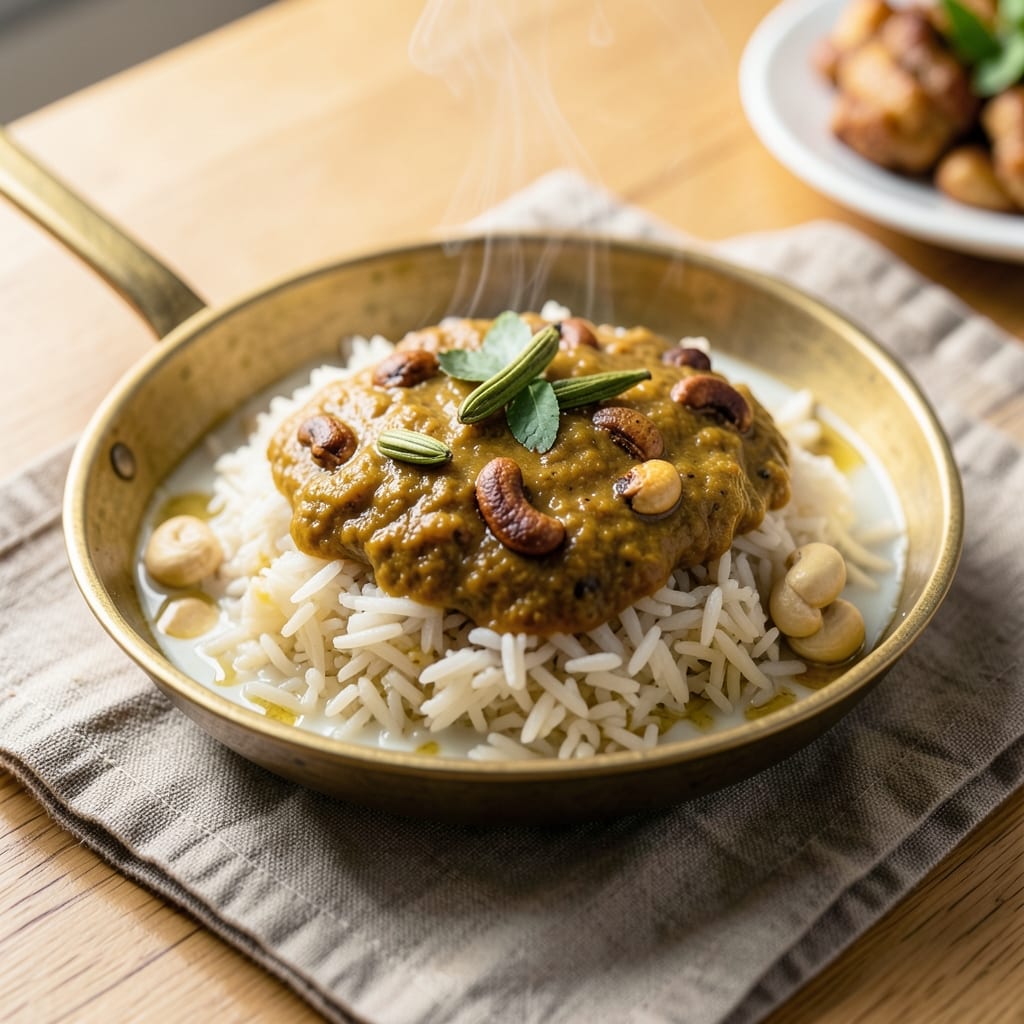
This Anglo-Indian coconut rice recipe brings a taste of colonial-era India to your table, where British influences met South Asian flavors in a dish that’s both comforting and elegant. The secret lies in perfectly balanced spices, tender basmati rice, and the nutty crunch of toasted cashews—elements that transform simple grains into a fragrant, restaurant-worthy side. I’ve refined this recipe over years to ensure it’s adaptable for modern kitchens while staying true to its roots, where British chefs adapted local techniques to suit colonial palates.
The magic begins with toasted cashews and spices—lightly browned in ghee until fragrant—before the rice absorbs a fragrant broth of coconut milk, turmeric, and cardamom. This method delivers fluffy, separate grains with a subtle coconut aroma that pairs beautifully with curries or grilled fish. The dish is simple yet sophisticated, requiring just 30 minutes of active prep and 20 minutes of simmering, making it ideal for weeknight dinners or special occasions.
What sets this apart is the textural contrast: tender rice, creamy coconut, and the satisfying crunch of cashews in every bite. The dish also serves as a bridge between cultures—British-style rice dishes (like pilau) meet Indian coconut-infused flavors, creating a harmonious blend that’s both nostalgic and fresh. Whether you’re serving it alongside a spiced lamb curry or a mild fish dish, this rice will elevate any meal.
For extra flair, finish with fried shallots and fresh cilantro—a touch that adds depth and brightness. The recipe scales effortlessly, so you can make a single serving or double it for a crowd. Let’s bring this colonial-era classic to life in your kitchen.
Ingredients for anglo indian coconut rice
These carefully selected ingredients transform simple basmati into fragrant, restaurant-worthy colonial-era coconut rice.
| Ingredient | Amount | Notes |
|---|---|---|
| Basmati Rice 🍚 | 1 cup | Long-grain, rinsed thoroughly |
| Unsweetened Coconut Milk 🥥 | 1 can | 13.5 oz can, full-fat preferred |
| Ghee 🧈 | 3 tbsp | For toasting spices and cashews |
| Whole Cashews 🥜 | ½ cup | Toasted until golden brown |
| Ground Turmeric 🌿 | ½ tsp | Freshly ground preferred |
| Green Cardamom Pods 🌱 | 6 whole | Lightly crushed for aroma |
| Bay Leaves 🌿 | 2 whole | Fresh or dried, removed before serving |
| Cinnamon Sticks 🌿 | 2 whole | 1-inch pieces for infusion |
| Salt 🧂 | 1 tsp | Diamond Crystal preferred |
| Fresh Cilantro 🌿 | ¼ cup | Chopped, for garnish |
| Shallots 🧅 | 2 whole | Thinly sliced, fried until crisp |
| Water 💧 | 1 ½ cups | Filtered preferred for clarity |
| Lemon Juice 🍋 | 1 tbsp | Freshly squeezed |
The basmati rice should be of the longest grain variety—Kasmiri or Indian basmati from Whole Foods or specialty Indian grocers like Patel Brothers deliver the best texture. For the coconut milk, full-fat canned versions like Aroy-D or GoyaKerala or Indian brands from Amazon or Indian markets have the perfect balance of caramelized flavor without overpowering the dish. Toast your cashews in a dry pan until they're golden and fragrant—this step elevates the dish from good to extraordinary.
No fresh cardamom pods? Ground cardamom at half the amount works, though the aroma isn't identical. Substituting coconut milk with light coconut cream plus water gives a similar texture. For those avoiding dairy entirely, ensure your ghee is certified vegan—Melt Organic or Earth's Own brands are reliable. The shallots should be fried in small batches until crisp—Trader Joe's pre-sliced shallots work perfectly for this. If you're short on time, store-bought fried shallots from the Asian aisle add instant crunch without effort. The lemon juice should be freshly squeezed—bottled versions lack the bright acidity needed to balance the richness.
Store the cooked rice in an airtight container with a paper towel pressed on top to absorb excess moisture—keeps for 4 days in the fridge. For longer storage, freeze portions for up to 3 months. Reheat gently on low with a splash of water to restore moisture. The fried shallots and fresh cilantro should be added just before serving to maintain their crispness and vibrant color. This dish reheats beautifully, with flavors deepening overnight—perfect for meal prep when paired with your favorite curry.
Why You'll Love This Recipe
- One-Pot Magic: I swear by this recipe—just basmati rice, coconut milk, and a splash of ghee. No fancy techniques, no extra pots clogging your sink. Honestly, the only thing I measure carefully is the turmeric, and even then, I eyeball it after the first time.
- Creamy Crunch Combo: That toasted cashew crunch against the soft, spiced coconut rice? It’s the kind of contrast that makes you reach for seconds without thinking. The ghee adds this rich depth, while the turmeric gives it that golden hue that smells like a hug.
- Weeknight or Guest Night: Make a big batch on Sunday—it reheats beautifully for lunches all week, or serve it at your next dinner party when you’d rather chat than cook. Between us, this is the dish that makes me look like a pro when I’m secretly just keeping it simple.
- Budget-Friendly Luxury: Coconut milk and ghee might sound fancy, but they stretch this recipe far. A single can of coconut milk makes three servings, and the cashews? Toast a big batch once and use them in everything. My wallet—and my taste buds—thank me every time.
Step-by-step instructions for fragrant spice-infused basmati with toasted cashews
This Anglo-Indian coconut rice delivers aromatic depth through precise spice toasting and layered flavors.
Toast Spices and Cashews in Ghee
Heat the 3 tablespoons ghee in a medium saucepan over medium heat until it shimmers but doesn't smoke. Add the 2 whole cinnamon sticks, 6 whole green cardamom pods, and 2 whole bay leaves. Toast for 1 minute until the spices release their aroma—you'll smell an immediate citrusy warmth from the cardamom and woody notes from the cinnamon.
Next, add the 0.5 cup whole cashews and toast for another 2-3 minutes until they turn a rich golden brown. Stir constantly to prevent burning, as cashews darken quickly. Remove from heat immediately after toasting—overcooking will make them bitter. Transfer the spiced cashews to a small bowl and set aside, leaving the spices in the pan for the next step.
Sauté Shallots Until Crisp
In the same saucepan (with the toasted spices still inside), reduce heat to medium-low and add the 2 whole shallots, sliced thinly. Cook for 4-5 minutes until the shallots turn translucent and develop a delicate golden color at the edges. This slow cooking ensures they soften properly without burning, which would make them bitter and overpower the dish.
Watch closely as the shallots cook—they should caramelize slightly at the edges but remain tender. If they start to brown too quickly, reduce the heat to low. Once they're perfectly tender and fragrant, remove them from the pan and set aside with the cashews. The spices will remain in the pan to infuse the rice.
Cook the Basmati Rice in Coconut Milk
Add the 1 cup basmati rice to the saucepan with the spices and stir to coat the grains with the ghee. Cook for 1 minute to lightly toast the rice, which enhances its nutty flavor. Pour in the 1 can unsweetened coconut milk and 1.5 cups water, then add the 0.5 teaspoon ground turmeric and 1 teaspoon salt. Stir gently to combine, ensuring the rice is fully submerged in the liquid.
Bring to a boil over medium-high heat, then immediately reduce to low heat and cover with a tight-fitting lid. Let it simmer for 15 minutes without lifting the lid—this steaming method prevents the rice from drying out or becoming mushy. The coconut milk will create a delicate, creamy texture while the spices infuse the grains.
Finish with Lemon Juice and Garnish
After 15 minutes, turn off the heat and let the rice sit covered for another 5 minutes. This resting period allows the rice to absorb any remaining liquid and develop a fluffy, separate texture. Open the lid and fluff the rice gently with a fork, then stir in the 1 tablespoon lemon juice. This brightens the dish, cutting through the richness of the coconut milk and adding a refreshing finish.
Transfer the rice to a serving dish and garnish with the crisp fried shallots and toasted cashews. Sprinkle the 0.25 cup chopped fresh cilantro over the top for a pop of color and freshness. Serve immediately while the rice is still warm, allowing the aromatic spices and nutty cashews to release their full flavor with each bite.
Pro Tips For Making Anglo Indian Coconut Rice
- Toast Cashews First: I learned this the hard way—raw cashews in coconut rice taste bland and chalky. Dry-toast them in a pan with a pinch of salt until they’re golden (about 3-4 minutes on medium heat), then grind them fresh. The nutty depth carries through the whole dish, especially when mixed with the coconut milk. ---
- Simmer Ghee Low: High heat burns ghee, and that bitter taste ruins the creamy coconut base. Once you add the turmeric and cashew paste, reduce the heat to low and let it bubble gently—just enough to see tiny bubbles at the edges. This keeps the ghee’s rich flavor without scorching. ---
- Rinse Rice Twice: Skimping here means gummy rice. Rinse basmati rice twice in cold water until the water runs nearly clear (not perfectly clear—just faintly starchy). Drain well in a fine-mesh strainer for 10 minutes. The extra rinse cuts the starch, so the rice stays separate and soaks up the coconut milk instead of clumping. ---
- Balance Coconut Milk: Unsweetened coconut milk varies wildly in thickness. If yours is too thick, thin it with 2-3 tablespoons of warm water before adding it to the rice. If it’s too thin, reduce it by half first—just simmer uncovered until it’s syrupy enough to coat the back of a spoon. The rice needs a consistent base, not a watery or gluey one.
Pro cooking tips for this recipe
Spice Toasting Mastery
Toast your spices and cashews in ghee over medium heat for just 1 minute—this unlocks their full aromatic potential. The cardamom should release its citrusy warmth, while cinnamon adds woody depth. Over-toasting turns spices bitter, so remove them immediately when fragrant. I use a light-colored saucepan to monitor color changes more easily. 🌱
Rice Texture Secrets
For fluffy, separate grains, rinse your basmati rice thoroughly before cooking to remove excess starch. Use a 1:1.5 rice-to-liquid ratio (1 cup rice to 1.5 cups water + coconut milk) and simmer covered on low heat for 15 minutes. Avoid peeking—the steam is what creates that perfect texture. A tight-fitting lid prevents moisture loss, which is key for this dish. ⚡
Shallot Crispiness
Fry shallots in small batches over medium-low heat until they're translucent with golden edges—this takes about 4-5 minutes. Crowding the pan causes steaming instead of crisping. For extra crunch, add them back to the rice just before serving so they stay crisp. I like using Trader Joe's pre-sliced shallots for convenience without sacrificing quality. 🧅
Coconut Milk Tips
Always use full-fat coconut milk for the richest texture—light versions make the rice gummy. If you're short on time, substitute with ½ cup coconut cream plus ½ cup water. Stir the coconut milk into the rice after toasting the spices to preserve their fresh aroma. The lemon juice at the end brightens the dish and balances the coconut's richness. 🥥
Garnish Like a Pro
Toast your cashews until golden brown—they should smell nutty and fragrant. Sprinkle them over the rice just before serving for maximum crunch. Fresh cilantro adds color and freshness, while fried shallots provide a savory contrast. I like to arrange the garnishes in a sunburst pattern for visual appeal. ✨
Heat Control Essentials
Maintain low heat after bringing the rice to a boil—this prevents scorching and ensures even cooking. If your rice starts sticking, add 1-2 tablespoons water and stir gently. The turmeric should infuse the rice with a subtle golden hue, while the cardamom and cinnamon add warmth. Taste as you go—adjust salt if needed, but remember the coconut milk is already flavorful. 🌡️
Nutrition facts
Frequently asked questions
Can I use jasmine rice instead of basmati?
While jasmine rice works in a pinch, it won't give you the same delicate, separate grains that make this dish special. Basmati's long grains stay distinct even when cooked in coconut milk, while jasmine tends to get softer and stick together. If you must substitute, use a 1:1.2 rice-to-liquid ratio and reduce cooking time by 2-3 minutes.
What's the best way to store leftover coconut rice?
Store in an airtight container with a paper towel pressed on top to absorb excess moisture. It keeps well in the fridge for 4 days or frozen for 3 months. To reheat, gently warm on low with a splash of water—this prevents drying out. The fried shallots and cilantro should be added fresh when serving for best texture.
Can I make this dish vegetarian?
This recipe is already vegetarian-friendly as written. The ghee can be substituted with vegan butter, and all ingredients are plant-based. For extra richness, consider adding toasted coconut flakes to the garnish. The dish pairs beautifully with vegan curries or grilled vegetables.
Why does my rice turn out mushy?
Mushy rice usually happens from one of three issues: lifting the lid while cooking, using too much water, or not resting the rice after cooking. Always keep the lid on while simmering, and use the exact 1:1.5 rice-to-liquid ratio. After cooking, let it rest covered for 5 minutes before fluffing—this crucial step allows the grains to firm up.
How does this rice pair with other dishes?
This fragrant coconut rice complements both mild and bold flavors equally well. It's perfect with:
- Mild curries (like butter chicken or vegetable korma)
- Grilled seafood (salmon or pompano)
- British-inspired dishes (like roast chicken or beef Wellington) The coconut flavor balances spicy dishes while enhancing the natural sweetness of fish or poultry.