
Main Courses
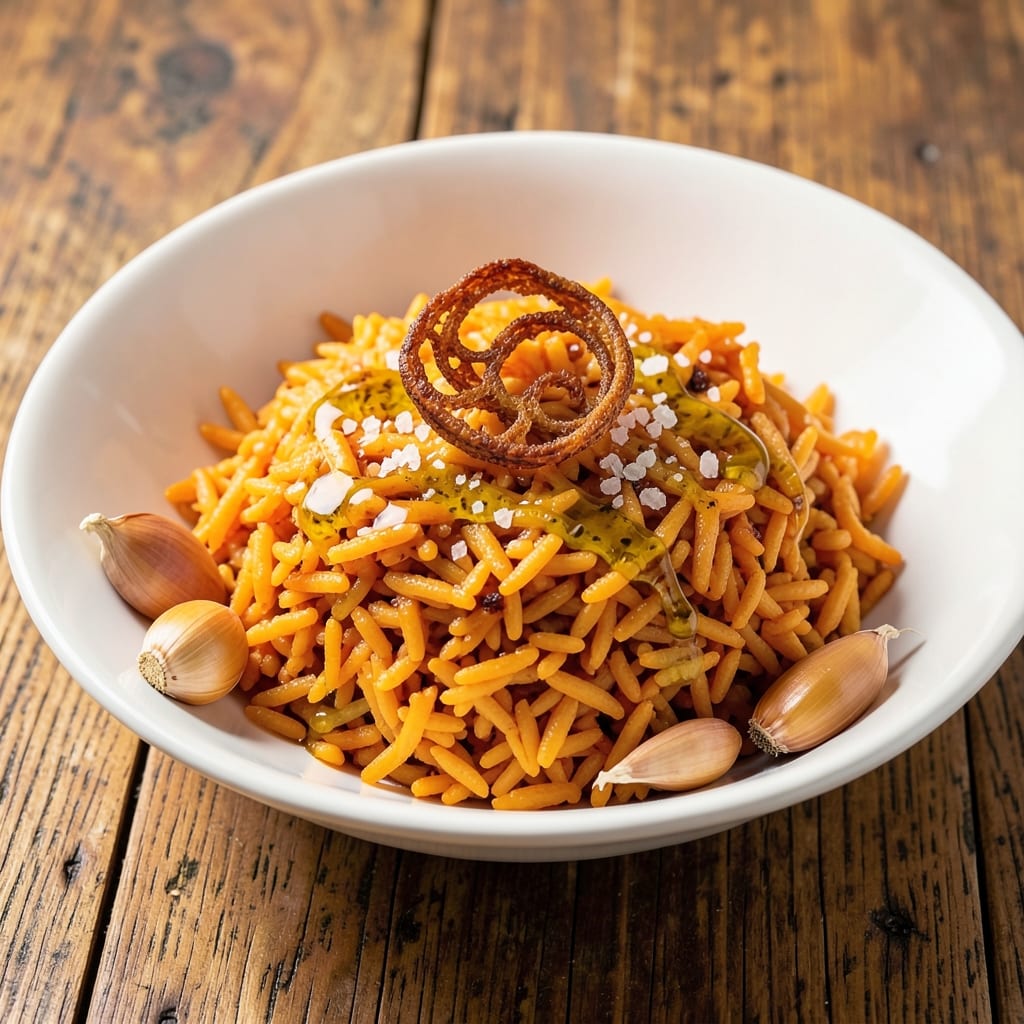
This annatto rice recipe transforms simple grains into a stunning golden dish with natural color and subtle earthy flavor. The secret lies in infusing the rice with annatto seeds during cooking, creating that signature vibrant yellow hue without artificial dyes. Perfect for special occasions or everyday meals, this technique elevates ordinary rice into something truly memorable.
The process is straightforward yet precise: toast the annatto seeds to enhance their flavor before mixing them into the cooking water. This method ensures even color distribution and a delicate nutty aroma that pairs beautifully with proteins like black beans, grilled fish, or shredded chicken. The rice remains tender with a slight chew, absorbing all the annatto's natural richness.
What makes this recipe stand out is its versatility—use it as a base for festive meals, rice bowls, or even stuffed peppers. The annatto not only adds visual appeal but also contributes a subtle earthy depth that complements both mild and bold flavors. Once you try this method, you'll never go back to plain white rice again.
Ready in about 30 minutes, this annatto rice recipe delivers restaurant-quality results with minimal effort. The key is patience during the infusion process to achieve that perfect golden hue and balanced flavor. Let's get started!
Ingredients for annatto rice
Nine essential ingredients transform ordinary rice into vibrant, restaurant-quality annatto rice.
| Ingredient | Amount | Notes |
|---|---|---|
| Long-Grain White Rice 🍚 | 2 cups | Uncooked, rinsed thoroughly |
| Annatto Seeds 🌿 | 1 tbsp | Whole, high-quality seeds |
| Water 💧 | 3 cups | Filtered preferred for clarity |
| Salt 🧂 | 1 tsp | Diamond Crystal preferred |
| Olive Oil 🫒 | 1 tsp | Extra-virgin for aroma |
| Garlic Cloves 🧄 | 1 whole | Minced for infusion |
| Bay Leaves 🌿 | 1 whole | Fresh preferred |
| Black Peppercorns 🌶️ | 5 whole | Lightly crushed |
| Lemon Zest 🍋 | 1 tsp | Freshly grated |
| Fresh Cilantro 🌿 | ¼ cup | Chopped for garnish |
Annatto seeds are the heart of this recipe—look for high-quality seeds at Latin markets or specialty stores. The seeds should be vibrant orange, not dull or brittle. Trader Joe's carries them in bulk, which is a great budget-friendly option. Toasting the seeds lightly before using brings out their nutty flavor, so don't skip that step. For the rice, long-grain white is ideal—it absorbs the annatto beautifully without turning mushy. If you can't find annatto seeds, annatto powder works too, but the flavor will be slightly different.
No annatto seeds? Turmeric powder at half the amount gives a similar golden hue, though the flavor won't be the same. Fresh garlic and bay leaves add depth, but dried bay leaves work in a pinch. The olive oil is non-negotiable—it helps distribute the annatto evenly and adds richness. If you're short on time, skip the lemon zest, but trust me, it brightens up the final dish. The cilantro is purely for garnish, so feel free to omit it if you're not a fan.
Toasted annatto seeds can be stored in a cool, dark place for up to 6 months. Once cooked, the rice keeps well in the fridge for 4-5 days—just reheat with a splash of water to restore moisture. For a crowd, double the recipe and use a large stockpot. The key to perfect annatto rice is patience—don't rush the infusion process. The longer the rice sits in the annatto-infused water, the more vibrant the color becomes.
Why You'll Love This Recipe
- I’ll be real: that first golden-orange tint from the annatto seeds? It’s like a little burst of sunshine in your bowl. Just toast the seeds in olive oil for 30 seconds, grind them into the rice, and—boom—your rice goes from basic to stunning without extra effort.
- Golden Hue Magic: I’ll be real: that first golden-orange tint from the annatto seeds? It’s like a little burst of sunshine in your bowl. Just toast the seeds in olive oil for 30 seconds, grind them into the rice, and—boom—your rice goes from basic to stunning without extra effort.
- No-Fuss Flavor Bomb: Honestly, it’s the olive oil and salt that make this rice sing. The annatto adds a mild, earthy warmth, but the real star is how the grains stay separate and fluffy—no mushy bits, no sticky mess. That crispy bottom layer? Chef’s kiss.
- Meal Prep MVP: Between us, this rice keeps perfectly for days in the fridge. Toss it into burrito bowls, pair it with grilled chicken, or just eat it straight—it’s your blank canvas. And because it’s just rice, water, and a pinch of spice, it’s the ultimate sidekick for whatever’s on the menu.
Step-by-step instructions for perfectly colored annatto rice
Here's how to transform simple rice into a vibrant, aromatic dish with natural color and depth.
Toast the Annatto Seeds for Maximum Flavor
Heat a dry skillet over medium heat and add the 1 tablespoon annatto seeds. Stir constantly for 2-3 minutes until the seeds begin to sizzle and release their fragrant aroma. You'll see them darken slightly—this indicates they're releasing their natural oils and pigments. Remove immediately once they're toasted to prevent burning, which would create bitterness.
Let the toasted seeds cool for 1 minute, then transfer them to a small bowl. Using a mortar and pestle or rolling pin, gently crush them into a coarse powder. This step is crucial—it breaks down the seeds' tough outer layer, allowing their vibrant yellow-orange color and nutty flavor to fully infuse into the rice. The powder should resemble a fine, uneven sand rather than a smooth paste.
Infuse the Oil with Aromatics
Return the skillet to medium heat and add the 1 teaspoon olive oil. Once the oil shimmers, add the 1 whole minced garlic clove, 1 whole bay leaf, and 5 whole lightly crushed black peppercorns. Cook for 30 seconds until the garlic becomes fragrant but doesn't brown—this prevents bitterness that can overpower the delicate annatto flavor.
Immediately remove the pan from heat and stir in the crushed annatto powder. Let it sit for 1 minute to develop its color, then return the pan to low heat. This gentle infusion process ensures the annatto's vibrant hue transfers completely to the oil without scorching. You'll notice the oil turn a striking golden yellow—this is your visual cue that the color is properly activated.
Combine Rice and Infused Oil
Add the 2 cups rinsed long-grain white rice to the skillet and stir gently to coat each grain with the annatto-infused oil. The rice should take on a faint yellow tint immediately. Cook for 1 minute at low heat, stirring constantly, until the rice becomes translucent at the edges—a sign the starch is beginning to break down.
Pour in the 3 cups water and add the 1 teaspoon salt and 1 teaspoon lemon zest. Stir once more to distribute everything evenly. The lemon zest will add a subtle brightness that complements the annatto's earthy notes. Bring to a gentle boil, then immediately reduce heat to low, cover the skillet with a tight-fitting lid, and let it simmer undisturbed for 15 minutes.
Steam to Fluffy Perfection
After 15 minutes, check the rice by inserting a fork into the center. If it slides in easily and the grains are tender but still slightly firm, the rice is ready. If not, continue cooking for another 2-3 minutes at low heat. The key here is patience—the rice will finish cooking from the residual heat once removed from the stove.
Remove from heat and let the rice sit covered for 5 minutes. This resting period allows the steam to redistribute, ensuring each grain absorbs the annatto color and flavor evenly. The final result should be fluffy, golden-yellow rice with a subtle nutty aroma from the annatto and a bright citrus note from the lemon zest.
Finish and Garnish
Fluff the rice gently with a fork, then transfer it to a serving dish. Sprinkle with the 0.25 cup chopped fresh cilantro just before serving. The cilantro adds a fresh contrast to the warm, earthy annatto rice and brightens the dish visually. Serve immediately while the rice is still warm to fully appreciate its vibrant color and aromatic complexity.
This method ensures your annatto rice maintains its natural color without artificial dyes, while the careful infusion of aromatics creates a dish that's as flavorful as it is visually stunning. The rice should have a beautiful golden hue throughout, with no streaks of uncolored grains—a sign the annatto was properly incorporated.
Pro Tips For Making Annatto Rice
- Toast the Annatto: Crush the seeds in a dry pan for 30 seconds—just until they smell nutty and darken slightly. This releases the color and flavor, so you’re not just dyeing your rice with powder. (Yes, even if you’re impatient like me, resist the urge to rush this.)
- Use a Fine Strainer: After soaking the seeds in warm water, strain the liquid through a fine-mesh sieve or cheesecloth. Annatto particles are sneaky—they’ll clog a regular strainer and leave your rice grainy. Trust me, you’ll notice the difference.
- Rinse Rice After Coloring: Once the rice soaks up the annatto water, drain it and rinse under cold water for 10 seconds. This stops the cooking process and prevents the rice from turning mushy later. (I learned this the hard way—over-soaked rice is a sad, sticky mess.)
- Start with Hot Water: Bring the annatto-infused water to a full boil before adding the rice. Cold water means uneven cooking and a longer simmer time. A quick boil kickstarts the process, and you’ll save 5 minutes of staring at a pot.
Dietary considerations for these flavors
Gluten-Free Adaptation
This annatto rice recipe is naturally gluten-free since it only contains rice, annatto, and basic seasonings. Always double-check your annatto seeds and spices for cross-contamination warnings if you have celiac disease or severe gluten sensitivity. I recommend Bob's Red Mill or Trader Joe's brands for certified gluten-free annatto products. The natural ingredients here make it safe for gluten-free diets without any substitutions needed. 🌱
Allergen Considerations
For those with shellfish allergies, this recipe is completely safe as it contains no seafood. If you're allergic to garlic or bay leaves, simply omit them—the annatto flavor will still shine through. The only potential allergen here is annatto seeds themselves, which are generally safe but may cause mild reactions in rare cases. Always consult your doctor if you have food allergies. 🚫
Vegetarian & Vegan
This annatto rice is naturally vegetarian and vegan-friendly—no animal products are used in the preparation. The annatto seeds provide vibrant color without any dairy or meat components. For extra protein, serve with black beans or lentils. The dish maintains its rich, earthy flavor while being completely plant-based. 🌿
Low-Carb Option
While rice contains carbohydrates, this recipe can be adapted for lower-carb diets by using cauliflower rice instead. Replace the long-grain white rice with 2 cups riced cauliflower and reduce the cooking time to 8-10 minutes total. The annatto infusion process remains the same, giving you a colorful, low-carb side dish. 🥦
Nut-Free Version
This recipe is already nut-free, but if you're using store-bought annatto products, check labels for potential nut cross-contamination. The natural seeds from Trader Joe's or Latin markets are typically safe. For extra safety, toast your own seeds at home where you control all ingredients. The flavor remains pure and nut-free. 🌰
Dairy-Free Note
No dairy is used in this recipe, making it naturally suitable for lactose-intolerant individuals. The annatto seeds and aromatics provide all the flavor without any milk or cheese components. This makes it a great side for dairy-free diets while still delivering vibrant color and rich taste. 🧀
Nutrition facts
Frequently asked questions
Why does annatto rice turn such a vibrant yellow color?
The annatto seeds contain natural pigments called bixin and norbixin that dissolve into the cooking water, creating that stunning golden hue. When properly toasted and crushed, the seeds release their maximum color potential. The longer the rice steams in the annatto-infused water, the deeper and more even the color becomes!
Can I use annatto powder instead of whole seeds?
Yes! For whole seeds, use 1 tablespoon, but if using powder, reduce to 1 teaspoon since it's more concentrated. The powder works faster but loses some of the nutty depth from toasting whole seeds. For best results, lightly toast the powder in the oil for 30 seconds before adding the rice.
What's the best way to store leftover annatto rice?
Transfer to an airtight container and refrigerate for up to 4-5 days. To reheat, sprinkle with 1 teaspoon water per cup of rice, cover, and microwave for 1-2 minutes on medium heat. The color may darken slightly but will still look beautiful! For longer storage, freeze for up to 3 months.
Will this rice work with other types of rice?
Long-grain white rice gives the best texture, but you can try basmati or jasmine. Avoid short-grain rice like sushi rice—it absorbs too much moisture and becomes mushy. For brown rice, increase cooking time by 5-7 minutes and use 3.5 cups water instead of 3 cups to prevent drying.
How can I fix rice that's too dry or too mushy?
For dry rice: Sprinkle with 1-2 tablespoons warm water and fluff gently. For mushy rice: Spread on a baking sheet and bake at 300°F for 10 minutes to dry out excess moisture. The annatto color will remain vibrant through both fixes! The key is proper water-to-rice ratio from the start.