
Main Courses
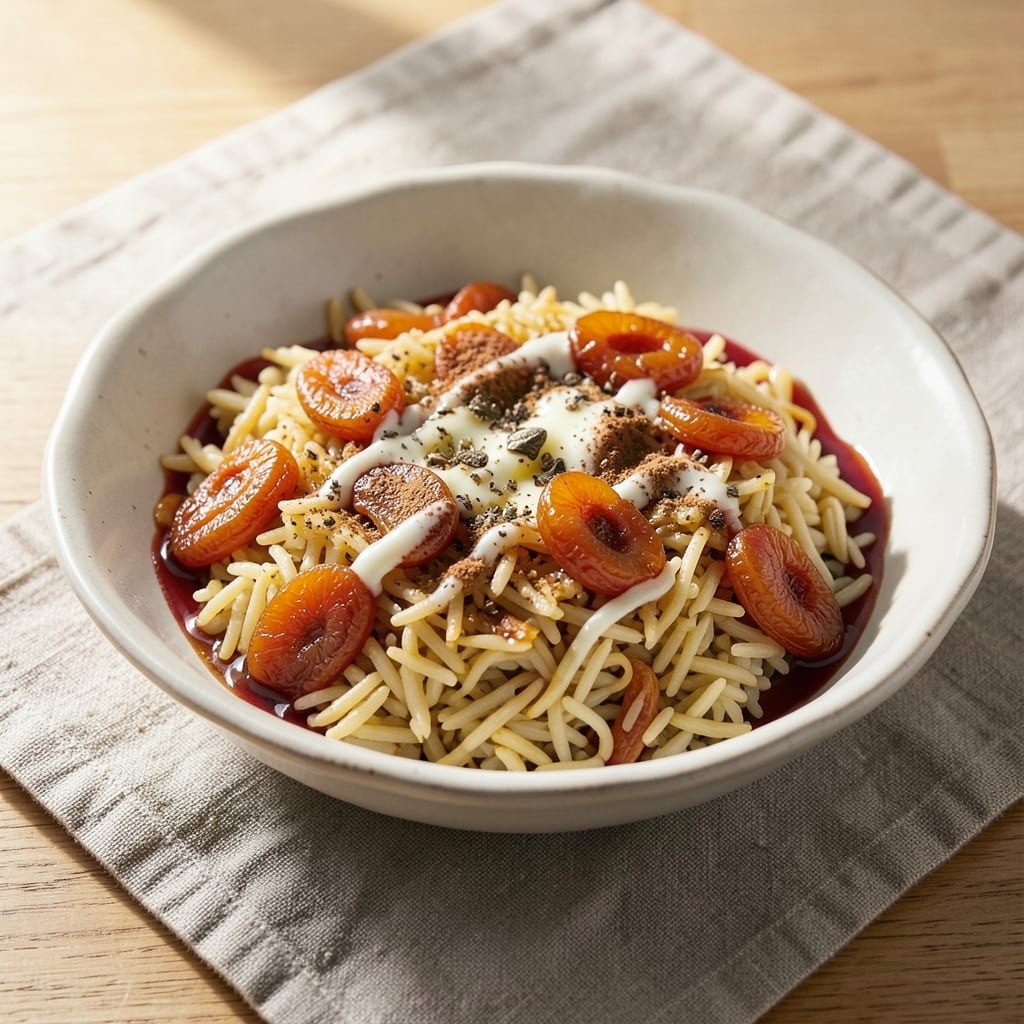
This apricot rice recipe transforms ordinary grains into a fragrant, sweet-tangy pilaf that balances rich caramelized notes with bright fruit. The secret lies in cooking basmati rice with dried apricots and aromatic spices until each grain absorbs the fruit's natural sweetness and the edges develop a golden crust. I developed this dish after discovering how dried apricots elevate simple rice into something restaurant-worthy—no fancy techniques required, just patience and attention to texture.
The beauty of this recipe is its versatility. While traditional Middle Eastern versions often include chicken or lamb, this adaptation works beautifully as a vegetarian main course with toasted nuts or herbs for added depth. The apricots caramelize slightly during cooking, deepening their flavor while maintaining a subtle chew, and the rice develops a delicate stickiness that clings to each bite. It's the kind of dish that feels indulgent yet remains balanced enough for lunch or dinner.
By the final step, you'll have perfectly fluffy rice speckled with tender apricot pieces and infused with warm cinnamon and cardamom. The caramelized edges add a satisfying crunch, while the fruit's natural sweetness contrasts beautifully with the rice's nutty base. Serve it alongside grilled meats, as a standalone vegetarian dish, or with a dollop of yogurt for extra creaminess.
This recipe scales effortlessly for gatherings, and leftovers reheat well while maintaining texture. The key to success is toasting the spices first and using the right ratio of liquid—just enough to create that signature pilaf texture without turning the rice mushy. Let's get started on creating this fragrant, flavorful centerpiece.
Ingredients for apricot rice
Twelve ingredients transform simple basmati rice into a fragrant, caramelized apricot pilaf with restaurant-quality depth.
| Ingredient | Amount | Notes |
|---|---|---|
| Long-Grain Basmati Rice 🍚 | 1 cup | Uncooked, rinsed thoroughly |
| Dried Apricots 🍑 | ¾ cup | Chopped into small pieces |
| Unsalted Butter 🧈 | 2 tbsp | European-style preferred |
| Ground Cinnamon 🌿 | ½ tsp | Ceylon cinnamon for delicate flavor |
| Ground Cardamom 🌿 | ¼ tsp | Freshly ground preferred |
| Salt 🧂 | ½ tsp | Diamond Crystal kosher |
| Chicken Stock 💧 | 1 ½ cups | Homemade or low-sodium |
| Extra-Virgin Olive Oil 🫒 | 1 tbsp | For toasting spices |
| Fresh Parsley 🌿 | ¼ cup | Chopped, for garnish |
| Toasted Almond Slices 🥜 | ¼ cup | For garnish and crunch |
| Lemon Zest 🍋 | 1 tsp | Brightens final flavor |
| Honey 🍯 | 1 tbsp | Optional, for extra sweetness |
The apricots are the heart of this dish—look for plump, moist dried apricots at specialty markets like Whole Foods or Trader Joe's for superior quality. Their natural sweetness caramelizes beautifully during cooking, creating that signature golden crust. If using store-bought, opt for unsulfured varieties to preserve the fruit's delicate flavor. The basmati rice should be long-grain and aromatic; Calrose or Mahatma brands work exceptionally well. Toast the spices in olive oil first—their warm aroma infuses the entire dish, creating that professional restaurant quality without any shortcuts.
No dried apricots? Fresh apricots work in a pinch—simmer them until tender, then chop and proceed with the recipe. Substituting raisins or dates reduces the dish's natural sweetness and depth, though they can work in a bind. For the cinnamon, Ceylon is preferred for its delicate flavor, but cassia works if that's all you have. Cardamom is non-negotiable—its floral notes balance the fruit's sweetness. If you're short on time, a pinch of ground ginger can mimic some of its warmth. The almonds should be toasted until golden—this adds a satisfying crunch that contrasts perfectly with the tender rice and fruit.
This pilaf reheats beautifully—simply add a splash of water or stock and cover until warmed through. The flavors actually deepen overnight, making it perfect for meal prep. Store in an airtight container for 4-5 days in the fridge, or freeze for up to 3 months. For serving, I recommend plating the rice first, then topping with the apricots, parsley, and almonds. The caramelized edges will add visual appeal, while the lemon zest brightens each bite. Garnish with a drizzle of honey if you prefer extra sweetness, but the natural fruit flavors shine on their own.
Why You'll Love This Recipe
- No-Chop Necessary: I swear by this trick—just chop the dried apricots once, then let them soak in warm water while I toast the rice. By the time the spices bloom, they’re practically falling apart on their own.
- Sweet-Spiced Magic: That first bite of buttery basmati with caramelized apricots and a whisper of cardamom? It’s like dessert sneaking into your lunchbox. Honestly, the cinnamon makes the whole dish feel cozy without trying too hard.
- Lunchbox Hero: Pack it cold for work or reheat it for dinner—this rice holds up perfectly. My kids grab it for school lunches, and my husband sneaks it from my plate. (Yes, even on a Tuesday night.)
- Pantry Staple Power: Five ingredients, zero guilt. The apricots add natural sweetness, so you can skip the sugar, and basmati rice is cheaper than quinoa but just as elegant. Leftovers? They’re the best kind—reheats like a dream.
Step-by-step instructions for sweet-tangy apricot pilaf
Transform simple basmati rice into a fragrant, caramelized dish with deep apricot flavors and aromatic spices.
Toast the Spices and Prepare the Rice
Heat the 1 tablespoon extra-virgin olive oil in a medium saucepan over medium heat until shimmering. Add the 0.5 teaspoon ground cinnamon and 0.25 teaspoon ground cardamom, stirring constantly for 30 seconds until fragrant and lightly toasted. The spices should release their essential oils, filling your kitchen with warm, earthy aromas.
Add the 1 cup long-grain basmati rice and stir to coat completely in the oil and spices. Toast for another 1 minute until the rice becomes translucent at the edges. This step develops the nutty depth of the rice and prevents mushiness. Watch closely—over-toasting will burn the spices and make the rice bitter.
Add Apricots and Chicken Stock
Pour in the 1.5 cups chicken stock, bringing the mixture to a gentle boil. Stir once to distribute the liquid evenly, then reduce heat to low and add the 0.75 cup chopped dried apricots. The apricots should absorb some of the liquid immediately, plumping slightly as they rehydrate.
Cover the saucepan with a tight-fitting lid and simmer for 10 minutes without stirring. This undisturbed cooking allows the rice to absorb the liquid evenly and develop its characteristic fluffiness. If you notice the liquid evaporating too quickly, add 1-2 tablespoons hot water to maintain the proper ratio.
Finish with Butter and Sweet-Tangy Balance
After 10 minutes, remove the lid and stir in the 2 tablespoons unsalted butter and 1 tablespoon honey. The butter will melt into the rice, creating a luxurious sheen, while the honey adds subtle sweetness that complements the apricot's natural tartness. Add the 0.5 teaspoon salt and 1 teaspoon lemon zest, mixing well to distribute evenly.
Return the lid and let the rice steam for another 5 minutes. The residual heat will finish cooking the rice while allowing the flavors to meld. You'll know it's ready when the rice is tender with a slight bite at the center and the liquid has been completely absorbed. If any liquid remains, uncover and simmer off the excess heat.
Garnish and Rest for Optimal Texture
Transfer the apricot rice to a serving dish and let it rest for 5 minutes before serving. This resting period allows the rice to firm up slightly and redistribute any remaining moisture. Garnish with the 0.25 cup chopped fresh parsley and 0.25 cup toasted almond slices, adding a bright contrast of color and texture.
The parsley brightens the dish with its freshness, while the almonds provide a satisfying crunch that cuts through the creamy rice. Serve immediately while the rice is still warm, as the texture will continue to improve as it sits. Each bite should deliver perfectly balanced flavors—sweet from the apricots and honey, aromatic from the spices, and bright from the lemon zest.
Pro Tips For Making Apricot Rice
- Soak Apricots First: Toss dried apricots in warm water for 10 minutes before chopping—they’ll soften just enough to melt into the rice without turning to mush. I learned this the hard way when my first batch had chewy apricot chunks that fought every bite. ---
- Toast Spices Separately: Bloom cinnamon and cardamom in butter for 30 seconds before adding rice—this wakes up their aroma and prevents a dull, powdery taste. Skip this, and you’re basically sprinkling dust on your dish. ---
- Don’t Stir the Rice: After adding water, walk away for 10 minutes. Stirring once releases starch, but letting it sit ensures even cooking without gummy grains. I used to obsess over stirring, only to end up with a gluey mess. ---
- Use Cold Butter: Add cold, cubed butter at the end—it’ll melt into the rice without turning it greasy. Hot butter makes the dish heavy, and we’re going for delicate, fragrant, not fried. Trust the process.
Wine and beer pairings for apricot rice
Sweet White Wine
An off-dry Riesling from Germany or Alsace is my top recommendation—its natural sweetness and crisp acidity mirror the apricot's flavor profile while cutting through the rich spices. Look for a 2021 Dr. Loosen Blue Slate or Trimbach Gewurztraminer for that perfect balance of fruit and spice. These wines have enough body to stand up to the creamy rice while keeping your palate refreshed. 🍷
Dry Red Options
If you prefer red, a light-bodied Pinot Noir with bright fruit notes works beautifully. I love 2020 Domaine Serene Willamette Valley—its red berry flavors complement the apricots without overpowering the dish. For something bolder, try a Syrah like 2019 Guigal Côtes du Rhône, which brings earthy undertones that enhance the cardamom and cinnamon in the rice.
Sparkling Pairings
A demi-sec Champagne or Prosecco adds effervescence that cleanses your palate between bites. Laurent-Perrier Brut Demi-Sec is my go-to—its honeyed notes and gentle sweetness echo the apricot's natural sugars. For a budget-friendly option, Freixenet Cordial offers similar charm at a fraction of the cost. The bubbles also help balance the dish's richness.
Beer Recommendations
For beer lovers, a honey wheat ale like Allagash White is a fantastic match—its citrus and floral notes harmonize with the lemon zest and cardamom. Alternatively, a light lager such as Peroni or Heineken provides crispness that contrasts the dish's sweetness. Avoid heavy stouts or IPAs, as their bitterness can clash with the apricot's delicate sweetness.
Non-Alcoholic Options
Don't overlook sparkling apricot juice or ginger beer for a refreshing non-alcoholic pairing. Martinelli's Sparkling Apricot Juice is a perfect match—its natural sweetness and effervescence complement the dish beautifully. For something more complex, try San Pellegrino Aranciata with a splash of soda water and a twist of lemon zest. 🍹
Nutrition facts
Frequently asked questions
Can I use fresh apricots instead of dried?
Yes, but you'll need to adjust the cooking time. Start by peeling, pitting, and chopping 2-3 fresh apricots (about the same volume as 0.75 cup dried). Simmer them in the stock for 5 minutes before adding the rice to soften them slightly. Fresh apricots will add more moisture, so you may need to reduce the stock by 2 tablespoons to maintain proper texture.
What's the best rice for this recipe?
Long-grain basmati rice is ideal because it stays separate and develops that signature fluffy texture. For best results, use Calrose or Mahatma brands—they're aromatic and hold up well to the sweet-spiced flavors. Jasmine rice works too but may be slightly stickier. Avoid short-grain varieties like sushi rice, as they'll turn mushy.
How do I prevent the rice from getting mushy?
Three key steps: toast the spices and rice first to develop flavors, use the right liquid ratio (1.5 cups stock to 1 cup rice), and never stir after adding the stock until the final step. If the rice seems undercooked, uncover and simmer off any remaining liquid—don't add more water, or you'll risk mushiness. The 5-minute resting period at the end also helps firm up the grains.
Can I make this vegetarian?
Simply replace the chicken stock with vegetable stock and add 1 tablespoon soy sauce or 1 teaspoon miso paste for umami depth. For extra protein, fold in 1 cup cooked chickpeas or 1/2 cup crumbled feta cheese at the end. The dish remains perfectly balanced without meat—just ensure your stock is flavorful enough to carry the spices.
How far ahead can I prepare this?
This dish actually tastes better the next day! Store in an airtight container in the fridge for 3-4 days—the flavors meld beautifully. Reheat gently with a splash of water or stock, covered, until warmed through. For freezing, portion into containers and freeze for up to 3 months. Thaw overnight in the fridge before reheating. The texture holds up well if you avoid microwaving.