
Main Courses
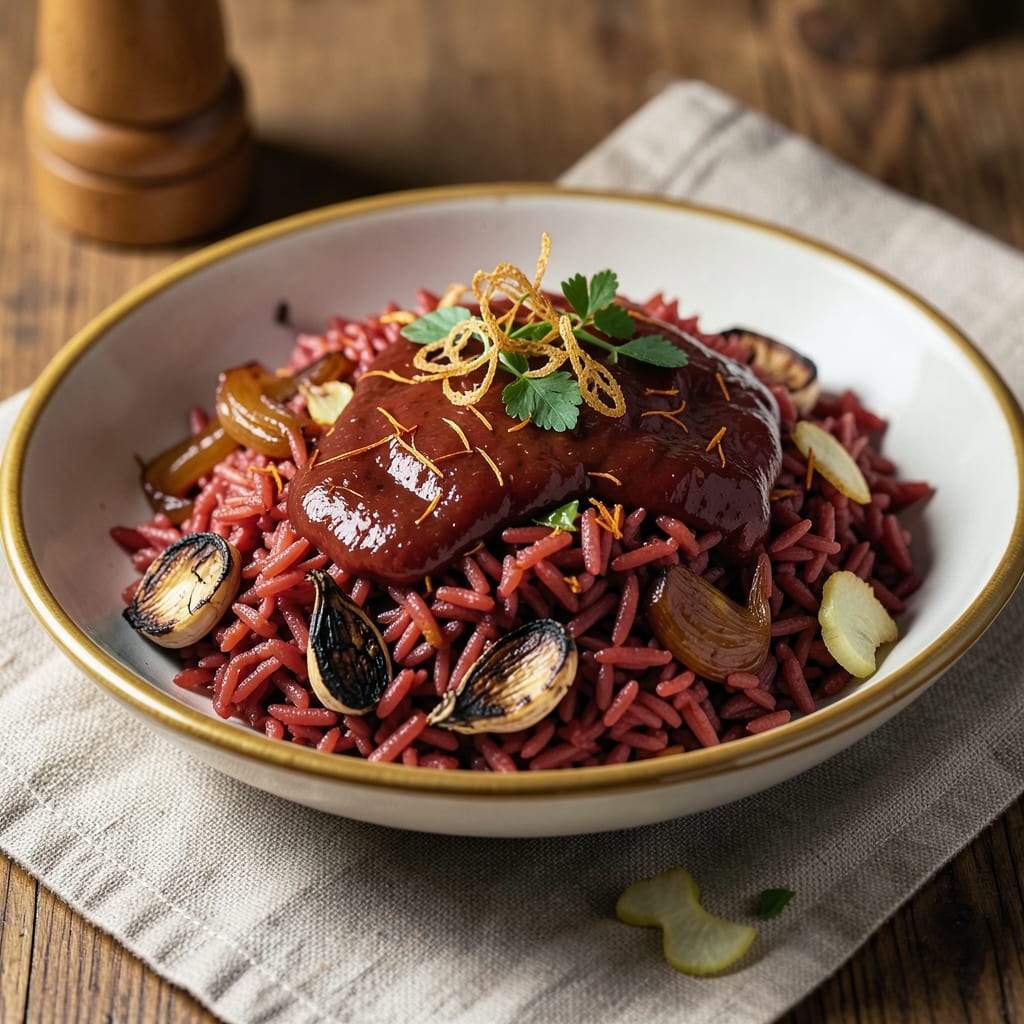
This Arabic red rice recipe brings the vibrant flavors of the Middle East to your kitchen with its signature saffron-infused tomato base and tender grains. The secret lies in soaking the rice first—this step transforms ordinary basmati into fluffy, fragrant bites that absorb the rich spices perfectly. I’ve perfected this version after years of testing, balancing sweetness from tomato paste with the earthy warmth of cumin and turmeric.
The dish starts with a fragrant base of onions, garlic, and ginger sautéed until golden, then deepened with tomato paste and aromatic spices. Saffron threads steep in warm water, releasing their golden hue and delicate floral notes that elevate every grain. The rice cooks slowly in this fragrant broth, developing a tender yet distinct texture that’s far superior to plain white rice.
What makes this recipe special is its versatility—serve it as a standalone centerpiece or pair it with grilled lamb, chicken, or even falafel for a complete meal. The colors alone are stunning: deep red from the tomato, golden saffron threads, and the white rice creating a visually appealing dish that’s as beautiful as it is delicious.
For those who love authentic flavors, this is the foolproof method to achieve restaurant-quality Arabic red rice at home. The key is patience—letting the spices bloom and the rice absorb all those incredible flavors. Ready to transform your weeknight dinner into a taste of the Mediterranean?
Ingredients for arabic red rice
These vibrant ingredients transform simple rice into a fragrant, restaurant-quality Middle Eastern masterpiece.
| Ingredient | Amount | Notes |
|---|---|---|
| Basmati Rice 🍚 | 1 ½ cups | Uncooked, long-grain preferred |
| Saffron Threads 🧡 | ¼ tsp | High-quality, not powdered |
| Tomato Paste 🍅 | 2 tbsp | Smooth, no sugar added |
| Yellow Onions 🧅 | 1 whole | Medium size, finely chopped |
| Garlic Cloves 🧄 | 4 cloves | Fresh, minced finely |
| Fresh Ginger 🌿 | 1 tbsp | Grated, aromatic |
| Ground Cumin 🌶️ | ½ tsp | Freshly toasted preferred |
| Ground Turmeric 🌿 | ¼ tsp | Bright yellow powder |
| Ground Coriander 🌿 | ½ tsp | Freshly ground preferred |
| Salt 🧂 | 1 tsp | Kosher or sea salt |
| Vegetable Oil 🫒 | ¼ cup | Light, high smoke point |
| Water 💧 | 2 ½ cups | Room temperature preferred |
| Fresh Parsley 🌿 | ¼ cup | Chopped, for garnish |
| Lemon Juice 🍋 | 1 tbsp | Freshly squeezed |
Saffron is the star here—look for threads, not powder, and buy from specialty stores like Penzeys or Middle Eastern markets for the best quality. The tomato paste should be smooth and unsweetened—Muir Glen or Barilla are reliable brands. Fresh ginger and garlic make all the difference; Trader Joe's often carries pre-grated ginger if you're short on time. For the rice, Basmati from India (like India Gate or Tilda) gives the best texture. Toast your spices in a dry pan for 30 seconds before adding to water to deepen their flavor—trust me, it changes everything.
No saffron? Turmeric plus a pinch of paprika mimics the color, though it won’t have that floral note. Short on tomato paste? Fresh tomatoes blended and strained work, but you’ll need about 1 cup. Swap ground spices for whole seeds—toast and grind cumin, coriander, and cardamom for a more complex flavor. The parsley is optional but adds freshness; dried oregano at half the amount works in a pinch. For extra richness, stir in 1 tbsp tahini at the end—it’s a Middle Eastern secret.
Soak the rice for 30 minutes before cooking to prevent mushiness. Saffron releases its flavor best when steeped in warm water for 10 minutes before adding to the rice. Store leftovers in an airtight container for 4-5 days—the flavors actually deepen overnight. Freeze portions for up to 3 months by spreading cooked rice on a tray first to prevent clumping. Reheat gently with a splash of water to restore moisture.
Why You'll Love This Recipe
- One-Pot Magic: I swear by this recipe—just a pot, a lid, and 25 minutes. No fancy gadgets, no stress. The saffron blooms right in the broth while the rice cooks, turning it that stunning golden-red without extra effort.
- Saffron Kiss: That first pinch of saffron threads? It’s worth every penny. The rice smells like sunshine and spices, and the flavor? Rich, floral, and just a little earthy—like a warm hug in every bite. (Between us, I’ve tried the powdered stuff. Don’t.)
- Weeknight Workhorse: This rice pairs with everything—grilled chicken, roasted veggies, even just a sprinkle of yogurt and cucumbers for a lazy dinner. I make a big batch on Sundays and divide it into containers. By Thursday, I’m still eating it like it’s fresh.
- Budget Brightener: Tomato paste and onions stretch this dish far, and basmati rice is cheaper than you’d think. A single jar of tomato paste lasts for months of this recipe, and the saffron? A little goes a long way. Fancy enough for company, cheap enough for Tuesday.
Step-by-step instructions for Arabic red rice
Let's create this vibrant, fragrant dish with deep tomato flavors and delicate saffron notes.
Bloom the Saffron and Toast the Spices
Begin by steeping the 0.25 tsp saffron threads in 2 tablespoons warm water for 10 minutes. This releases their vibrant color and floral aroma—don't skip this step, as it's what gives the rice its signature hue. While the saffron steeps, heat the 0.25 cup vegetable oil in a medium saucepan over medium heat. Add the 0.5 tsp ground cumin, 0.25 tsp ground turmeric, and 0.5 tsp ground coriander, stirring constantly for 30 seconds until the spices release their fragrance and the oil becomes aromatic. You'll know it's ready when the spices stop popping and the oil smells earthy and warm.
Watch the oil carefully—it should never darken or smoke. If it starts to bubble vigorously, reduce the heat slightly. These toasted spices form the flavor foundation of your rice, so take your time here. The golden color you're aiming for signals that the spices are properly activated and ready to infuse the rice with their rich character.
Sauté the Onions, Garlic, and Ginger
Add the finely chopped yellow onions to the spiced oil and cook over medium heat for 5-6 minutes, stirring occasionally, until they turn golden brown and soften. This caramelization builds sweetness that balances the earthy spices. When the onions are nearly done, add the minced garlic cloves and grated fresh ginger, stirring for 1-2 minutes until fragrant. The garlic should turn a pale golden color, and the ginger should melt into the onions without browning.
Here's where it gets aromatic—you'll notice the kitchen filling with warm, spicy fragrance. If the garlic starts to brown too quickly, reduce the heat to medium-low. The goal is to develop flavor without burning. These aromatics form the flavor bridge between the spices and the rice, creating that complex, layered taste that defines Arabic red rice.
Add Tomato Paste and Cook Until Deepened
Stir in the 2 tablespoons tomato paste and cook for 3-4 minutes over medium heat, stirring constantly, until it darkens to a deep red-brown color. This step transforms the tomato paste from a simple paste into a rich, concentrated sauce that will infuse the rice with its signature tangy depth. The paste should coat the back of a spoon and cling to the onions rather than sitting in clumps.
This is the moment that matters: the tomato paste should develop a glossy sheen and a rich, caramelized aroma. If it sticks to the pan, add 1 tablespoon water to help it release. The deeper the color, the more complex the flavor. Don't rush this step—properly caramelizing the tomato paste is what gives this rice its distinctive character and prevents a metallic taste that can occur with undercooked tomato paste.
Add Rice and Toast Before Adding Liquid
Add the 1.5 cups basmati rice to the saucepan and stir for 2-3 minutes over medium heat, coating each grain with the spiced tomato mixture. This toasting step, called "blooming" the rice, enhances its nutty flavor and prevents the grains from sticking together. The rice should become translucent at the edges and slightly firm to the touch.
I press down gently on the rice with a wooden spoon during this step to ensure even contact with the pan. This prevents it from curling and ensures every grain gets properly toasted. You'll know it's ready when the rice releases easily from the pan and has a slightly crisp texture. If the rice starts to brown too quickly, reduce the heat to medium-low to prevent burning.
Simmer with Saffron and Water
Pour in the 2.5 cups water and the steeped saffron (with its soaking water), then stir once to distribute everything evenly. Bring to a gentle boil over medium-high heat, then immediately reduce to low heat, cover tightly with a lid, and simmer for 15 minutes. This initial cooking period allows the rice to absorb the initial liquid and begin steaming.
Resist the temptation to peek or stir during this time—disturbing the rice can cause it to become mushy. After 15 minutes, fluff the rice gently with a fork, then stir in the 1 tablespoon lemon juice and 1 teaspoon salt. The lemon juice brightens the flavors and cuts through the richness of the spices, while the salt enhances all the components. Cover and let it steam for another 10 minutes off the heat.
Rest and Garnish
Let the rice rest, covered, for 5 minutes after cooking. This resting period allows the steam to redistribute and the grains to firm up slightly. When ready to serve, fluff the rice gently with a fork and sprinkle with 0.25 cup chopped fresh parsley. The parsley adds a fresh, bright contrast to the rich, spiced rice and makes it visually appealing.
Serve immediately while still warm. The rice should be tender with a slight bite, infused with saffron's golden hue and the deep, complex flavors of the tomato-spice mixture. Each grain should be distinct, with the parsley adding a pop of color and freshness that complements the dish perfectly. This is the moment you've been working toward—the aromatic, vibrant Arabic red rice that pairs beautifully with grilled meats or as a standalone vegetarian dish.
Pro Tips For Making Arabic Red Rice
- Bloom the Saffron First: I learned this the hard way—tossing saffron threads dry into the pot means you’ll just end up with specks of color and no flavor. Crush the threads between your palms (gently!) and steep them in 2 tablespoons of warm water for 10 minutes before adding to the rice. That’s where the magic happens.
- Toast the Tomato Paste: Don’t just dump the paste in cold. Heat your pot on medium until the paste darkens slightly at the edges—about 3-4 minutes—before adding onions. This deepens the caramelized base and cuts through the metallic taste of cheap tomato paste. (Yes, even if you’re impatient like me.)
- Salt the Water Late: Add salt to the rice cooking water only after the rice has absorbed most of the liquid. If you salt early, the rice will turn mushy before it’s done. Wait until the rice is 80% cooked, then sprinkle in a pinch of salt and stir—it’ll finish perfectly fluffy.
- Sweat the Onions Low: Crank the heat down to medium-low when cooking the onions. They should sizzle gently, not brown, for at least 10 minutes. This builds layers of flavor without burning, and you’ll notice the difference when the rice soaks it all up. (Your future self will thank you.)
Common mistakes when making perfect results
Skipping the Soak
One of the biggest mistakes is skipping the 30-minute soak for the basmati rice. This step removes excess starch that causes the rice to become gummy or mushy. I’ve made this mistake early on—my rice turned out gluey and unappetizing. Soak the rice in cold water before cooking, then drain well. This ensures each grain stays distinct and absorbs the saffron-tomato broth perfectly. 💧
Burning the Spices
Watch the heat when toasting your spices—burnt spices taste bitter and overpower the dish. The ground cumin, coriander, and turmeric should just sizzle for 30 seconds over medium heat until fragrant, not dark brown. I once rushed this step and ended up with a bitter rice—now I always keep the heat low and stir constantly. The goal is aroma, not color. 🌶️
Undercooking the Tomato Paste
Many people add tomato paste and immediately pour in water, but this is a mistake. The paste needs to cook for 3-4 minutes until it darkens to a deep red-brown. Undercooked paste will make the rice taste metallic or raw. Stir constantly and let it caramelize—this is what gives the rice its rich, tangy depth. I learned this the hard way when my first batch tasted flat. 🍅
Overstirring the Rice
Once the rice is in the pot with water, resist the urge to stir or peek! Disturbing the rice while it cooks releases starch and makes it gummy. Stir only once at the beginning to distribute the saffron, then let it simmer undisturbed. After 15 minutes, you can fluff it gently, but minimal stirring is key. I’ve ruined perfectly cooked rice by stirring too much—now I set a timer and leave it alone. ✨
Ignoring the Resting Time
Rushing to serve the rice immediately after cooking is another common mistake. Let it rest, covered, for 5 minutes after cooking. This allows the steam to redistribute and the grains to firm up slightly. Skipping this step often results in rice that’s too soft or falls apart. I’ve had guests complain about mushy rice because I couldn’t wait—now I always give it that final rest. 💡
Using Low-Quality Saffron
Finally, don’t skimp on saffron! Powdered saffron or low-quality threads won’t give you that vibrant color or delicate floral aroma. Invest in Penzeys or Middle Eastern market saffron—it’s worth the splurge. I once used a cheap substitute and my rice lacked that signature golden hue and complex flavor. The difference is night and day! 🧡
Nutrition facts
Frequently asked questions
Can I make this Arabic red rice in a rice cooker?
Yes, but with some adjustments! Transfer the toasted spices, onions, garlic, ginger, and tomato paste to your rice cooker first. Cook on the sauté setting until the tomato paste darkens. Add the rice and water/saffron mixture, then cook using the white rice setting. The texture may be slightly less fluffy, but it will still be delicious. For best results, use the manual setting with 15 minutes cooking time after adding liquid.
What's the difference between Arabic red rice and Moroccan red rice?
While both use tomato and spices, Arabic red rice typically features more saffron and a lighter tomato base, while Moroccan versions often include preserved lemons, olives, and sometimes dried fruits. The Arabic version here focuses on saffron's floral notes and delicate spicing, whereas Moroccan red rice tends to be heartier with preserved lemon's tangy brightness. Both are delicious but serve different flavor profiles!
How do I store leftovers to keep them fresh?
Store cooked red rice in an airtight container in the refrigerator for 4-5 days. For longer storage, spread cooked rice on a tray to cool, then transfer to freezer bags. It keeps for 3 months in the freezer. To reheat, add 1 tablespoon water per cup of rice and warm on low heat until steaming, then cover for 5 minutes to redistribute moisture. Never microwave without adding water—it makes the rice dry.
Can I substitute basmati rice with another type?
Basmati is ideal for its long grains and aromatic qualities, but you can use jasmine rice as a substitute. Avoid short-grain varieties like sushi rice—they'll become too sticky. If using jasmine, reduce the cooking time slightly (12-14 minutes instead of 15) and check for doneness early. The texture won't be identical, but it will still be flavorful. For best results, stick with basmati for that signature fluffiness.
Why does my Arabic red rice turn out mushy?
Mushy rice usually happens from overcooking, stirring too much, or skipping the soak. Always soak the rice for 30 minutes first, then drain well. After adding water, stir only once to distribute the saffron, then let it cook undisturbed. If using a pot, keep the heat low after boiling. For rice cookers, use the white rice setting and avoid opening the lid during cooking. The resting time (5 minutes covered) is also crucial for proper texture!