
Main Courses
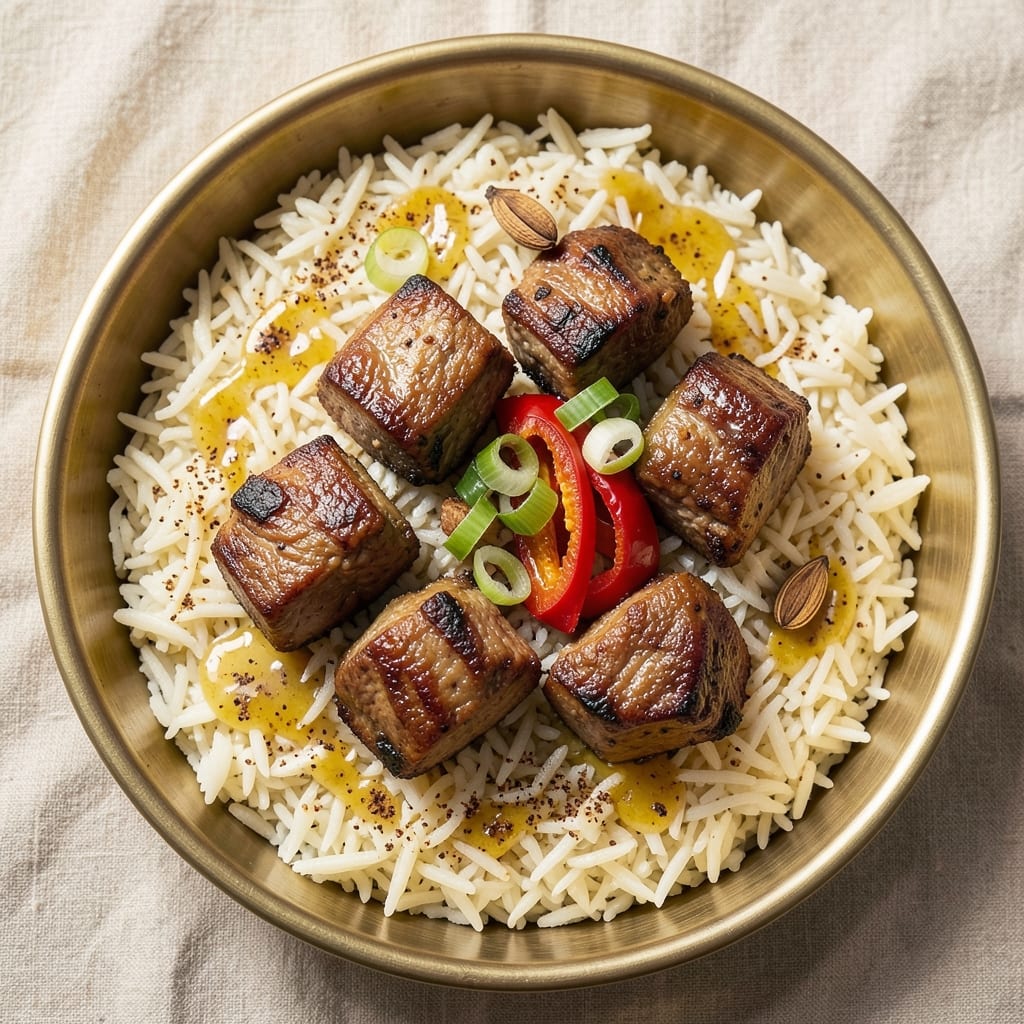
This Arabic-style rice with lamb meat recipe transports you to the heart of Middle Eastern cuisine with its fragrant spices and tender lamb. The secret lies in slow-cooking the lamb with warm spices like cumin and cinnamon, while the rice absorbs saffron-infused broth for a golden, aromatic finish. I developed this recipe after years of perfecting the balance between tender meat and perfectly fluffy grains.
The dish begins with a whole lamb leg or shoulder, marinated and slow-cooked until fork-tender, then served over basmati rice that's been simmered in a fragrant blend of spices and saffron. This method ensures every bite delivers rich, savory flavors with a hint of floral saffron. The rice is lightly toasted before cooking, creating a subtle crunch that contrasts beautifully with the melt-in-your-mouth lamb.
What makes this recipe special is its authenticity—each spice plays a precise role, from the earthy warmth of cumin to the subtle sweetness of cardamom. The lamb falls apart easily, while the rice remains distinct yet infused with flavor. This dish is perfect for special occasions or when you want to impress guests with restaurant-quality results at home.
The final presentation includes a garnish of toasted nuts or fresh herbs, adding both texture and visual appeal. Whether you're serving it at a family gathering or a festive meal, this recipe delivers the rich, comforting flavors of traditional Arabic cuisine. Let's get started on creating this flavorful masterpiece.
Ingredients for arabic style rice with lamb meat
Six aromatic spices, tender lamb, and saffron-infused rice create this restaurant-quality Middle Eastern masterpiece.
| Ingredient | Amount | Notes |
|---|---|---|
| Lamb Leg or Shoulder 🥩 | 3 lb | Bone-in for flavor, cut into large chunks |
| Basmati Rice 🍚 | 2 cups | Long-grain, uncooked, rinsed well |
| Saffron Threads 🌼 | ¼ tsp | High-quality, soaking in 1 tbsp warm water |
| Ground Cumin 🌿 | 1 ½ tsp | Freshly toasted for deeper flavor |
| Ground Coriander 🌿 | 1 ½ tsp | Freshly ground preferred |
| Ground Cardamom 🌿 | ½ tsp | Green cardamom pods preferred |
| Ground Cinnamon 🌿 | ½ tsp | Ceylon cinnamon for authentic taste |
| Black Peppercorns 🌶️ | 1 tsp | Freshly cracked for best flavor |
| Garlic Cloves 🧄 | 6 cloves | Peeled and lightly crushed |
| Onion 🧅 | 1 whole | Yellow or red, finely chopped |
| Olive Oil 🫒 | ½ cup | Extra-virgin for richness |
| Chicken or Vegetable Broth 💧 | 3 cups | Low-sodium preferred |
| Fresh Lemon Juice 🍋 | 2 tbsp | Freshly squeezed |
| Salt 🧂 | 1 ½ tsp | Diamond Crystal preferred |
| Toasted Almonds or Pistachios 🥜 | ¼ cup | Chopped, for garnish |
| Fresh Parsley 🌿 | ¼ cup | Chopped, for garnish |
The lamb is the heart of this dish, so choose bone-in cuts—the marrow adds incredible richness. Middle Eastern grocery stores often carry high-quality lamb legs or shoulders, but your local butcher can trim and portion them too. For authenticity, look for grass-fed lamb with good marbling. The spices? Penzeys or Spicewalla are my go-tos for premium quality—just make sure your cumin and coriander are freshly ground. Cardamom pods should be vibrant green, not dull or broken. Toast your whole spices lightly before grinding for deeper flavor, but pre-ground blends work in a pinch if you're short on time.
No saffron? Turmeric at half the amount gives color, though it lacks the floral notes. Out of cardamom? Allspice at one-third the amount adds warmth. The broth can be beef-based for extra richness, but vegetable broth works beautifully for a vegetarian-adjacent version. Fresh herbs are ideal, but dried parsley at one-fourth the amount gets you close. For the nuts, Costco or bulk bins offer the best prices—just toast them in a dry pan until golden for maximum crunch. The rice? Basmati is non-negotiable—it holds its shape and absorbs flavors beautifully. If you can't find it, jasmine rice is the next best option, though the texture will differ slightly.
This dish tastes even better the next day as flavors meld. Store leftovers in an airtight container for up to 4 days in the fridge, or freeze for 3 months. The lamb reheats beautifully—just add a splash of broth to keep it moist. For serving, toast the nuts and chop the parsley fresh. The saffron-infused rice keeps well too, so make extra if you're feeding a crowd. Leftovers make fantastic lunches or can be repurposed into rice bowls with roasted vegetables. Pro tip: Double the rice if you're making this for a party—everyone will ask for seconds.
Why You'll Love This Recipe
- One-Pot Magic: I swear by this—just brown the lamb, toss in the rice, spices, and broth, then let it simmer. No chopping, no fussing, no extra pans. That golden crust on the lamb? Happens all by itself.
- Saffron Kiss: Honestly, a tiny pinch of saffron threads makes this feel like a restaurant dish. The rice turns this gorgeous golden yellow, and that floral, honeyed depth? It’s the secret weapon that turns good into ridiculously good.
- Leftovers That Beg: Between us, this tastes even better the next day. The lamb gets more tender, the rice soaks up all the rich flavors, and I’ve reheated it three times this week—no complaints, just seconds.
- Budget Feast: Lamb leg on the bone stretches for miles, and basmati rice fills plates without breaking the bank. I’ve fed six people for under $20, and everyone’s always asking for the recipe. That’s a win.
Step-by-step instructions for spiced lamb and saffron-infused rice
Transform simple ingredients into a rich, aromatic dish with layers of Middle Eastern flavor.
Prepare the Lamb and Saffron Infusion
Begin by cutting the 3 lb lamb leg or shoulder into large, even chunks—about 2-inch pieces. Pat them dry with paper towels to ensure a good sear. In a small bowl, soak the 0.25 tsp saffron threads in 1 tablespoon warm water for 10 minutes to release their vibrant color and delicate aroma.
Heat 0.25 cup olive oil in a large, heavy-bottomed pot over medium-high heat. Once shimmering, add the lamb pieces in a single layer, letting them brown undisturbed for 3-4 minutes per side until deeply golden. This step builds a flavorful crust that locks in juices. Remove the lamb and set aside temporarily.
Build the Spiced Base
In the same pot, reduce heat to medium and add the 1 whole onion, finely chopped. Cook for 5 minutes until softened and translucent. Add the 6 cloves garlic cloves (lightly crushed) and cook for another 1 minute until fragrant.
Stir in the 1.5 tsp ground cumin, 1.5 tsp ground coriander, 0.5 tsp ground cardamom, 0.5 tsp ground cinnamon, and 1 tsp black peppercorns (freshly cracked). Toast the spices for 30 seconds until their aroma fills the kitchen—this awakens their flavors. Pour in the 3 cups chicken or vegetable broth and bring to a gentle simmer.
Cook the Rice with Saffron
Add the 2 cups basmati rice to the pot, stirring gently to coat each grain with the spiced broth. Pour the soaked saffron (with its water) over the rice and stir once more. The saffron will infuse the rice with its signature golden hue and subtle floral notes.
Bring the mixture to a boil, then immediately reduce heat to low. Cover tightly with a lid and simmer for 15 minutes without stirring. This gentle cooking allows the rice to absorb the broth evenly, developing a tender yet distinct texture. Avoid peeking—each time you lift the lid, you release steam and disrupt the cooking process.
Combine Lamb and Rice for Final Infusion
Return the browned lamb to the pot, nestling it into the rice. Add 1.5 tsp salt and 2 tbsp fresh lemon juice, stirring gently to distribute. The lemon juice brightens the dish, cutting through the richness of the lamb and spices. Cover and simmer on low heat for another 20-25 minutes until the rice is tender and the lamb is fork-tender.
Check for doneness by inserting a knife into the lamb—it should slide in easily with minimal resistance. The rice should be fluffy and separate, with no hard grains remaining. If the mixture seems dry, add 2-3 tablespoons of warm broth to maintain moisture.
Rest and Garnish for Presentation
Remove the pot from heat and let the dish rest, covered, for 10 minutes. This resting period allows the lamb to reabsorb its juices, ensuring each bite is moist and flavorful. Transfer the rice and lamb to a serving platter, garnishing with 0.25 cup chopped fresh parsley and 0.25 cup toasted almonds or pistachios for texture and visual appeal.
Serve immediately, allowing guests to experience the harmony of tender lamb, fragrant rice, and aromatic spices. The dish pairs beautifully with a simple cucumber salad or warm pita bread to complement its rich flavors.
Pro Tips For Making Arabic Style Rice With Lamb Meat
- CRISP THE LAMB FIRST: I used to skip this step and wondered why my lamb stayed chewy—high heat for 10 minutes with just salt and pepper until deep brown crusts form. That’s when the flavors lock in, and the meat stays juicy while caramelizing.
- SOAK THE SAFFRON: Sounds weird, but it works: crush those threads and steep in 2 tablespoons warm water for 10 minutes before adding to the rice. Dry saffron just floats—this guarantees the golden color and floral aroma permeates every grain.
- DON’T STIR THE RICE: I learned this the hard way—after burning three batches, I finally figured out: once the rice hits the pot, leave it alone. Stirring breaks the grains and releases starch too early, leading to mush. Just poke it once with a fork to check doneness.
- LAYER THE SPICES: Instead of dumping cumin and coriander all at once, toast them separately in the lamb fat for 30 seconds each—cumin first (it burns fast), then coriander. The difference is subtle but makes the rice taste deeper, like it’s been simmering for hours. (Your future self will thank you.)
Troubleshooting this recipe
Lamb Too Tough
If your lamb is tough after cooking, it likely didn't rest long enough or was cooked at too high heat. Always let the lamb rest for 10 minutes after cooking—this allows fibers to relax. For extra tenderness, try cooking it at 300°F instead of boiling, which breaks down collagen more effectively. I also recommend using a meat thermometer to pull the lamb at 195°F internal temperature for maximum tenderness. 💡
Rice Mushy or Undercooked
Mushy rice usually means you stirred too much or didn't use enough liquid. For perfect basmati rice, stir only once to distribute the saffron, then leave it alone. If the rice is undercooked, cover the pot and cook for an additional 5-10 minutes on low heat. For extra insurance, use 3 cups broth (not water) to maintain flavor depth. A steam basket can also help if your pot lacks a tight seal. ✨
Spices Overpowering
If the spices are too strong, you likely toasted them too long or used too much. Toast spices for only 30 seconds—just until fragrant. For a milder flavor, reduce the cumin and coriander to 1 tsp each and add more rice to dilute the intensity. A splash of lemon juice at the end also brightens the dish and balances bold flavors. 🌿
Saffron Not Infusing
Saffron needs time to release its color and flavor. Always soak the threads in 1 tbsp warm water for at least 10 minutes before adding to the rice. If the rice still lacks color, use double the amount of saffron (up to 0.5 tsp) or add a pinch of turmeric (though it won’t taste the same). Stir the saffron water into the broth before adding the rice for even distribution. 🌼
Broth Too Salty
If the broth tastes salty, it’s likely from the broth itself. Use low-sodium broth and adjust the added 1.5 tsp salt to taste. For a quick fix, add 1 cup warm water to dilute the saltiness before serving. Alternatively, serve with a side of fresh cucumber salad to balance the flavors naturally. 💧
Dish Too Dry
Dryness usually means the rice absorbed too much liquid or the lamb released too little. If the rice is dry, add 2-3 tbsp warm broth and cover for 5 minutes to steam. For the lamb, ensure it’s cooked at a low simmer—not a boil—to retain moisture. A sprinkle of lemon juice** at the end also adds brightness and helps with moisture retention. 🔥
Nutrition facts
Frequently asked questions
Can I substitute chicken or beef for the lamb?
While lamb is traditional, you can use chicken thighs (bone-in) or beef chuck for a similar texture. For chicken, reduce cooking time to 30 minutes after adding to the rice. Beef requires 45-60 minutes on low heat. Use 1.5 lbs of chicken or 2 lbs of beef instead of lamb to maintain portion sizes. The spices will still shine, but the flavor profile will shift slightly.
How do I make this dish vegetarian?
Replace the lamb with 2 cups of chickpeas (cooked) or 1 large eggplant (cubed and roasted). Use vegetable broth and reduce the meat-based spices by 20%. Add 1 tsp smoked paprika for depth. The saffron rice remains the star—just ensure you're using enough broth to keep the grains separate. Garnish with extra toasted nuts and fresh herbs instead of meat.
Why does the recipe call for bone-in lamb?
Bone-in cuts add incredible richness through marrow and collagen, which melts during cooking. The bones also help regulate cooking temperature, preventing the lamb from drying out. For convenience, use 3 lbs bone-in lamb shoulder or 2.5 lbs bone-in lamb leg. If you must use boneless, trim excess fat and cook at 325°F for 1.5 hours before adding to the rice.
Can I prepare this dish ahead of time?
This dish tastes even better the next day! Cook the lamb and rice as directed, then refrigerate in an airtight container for up to 4 days. Reheat gently on low heat with 2 tbsp broth to restore moisture. For make-ahead convenience, cook the lamb separately and store it with the spices, then assemble with fresh rice when ready to serve. The flavors meld beautifully overnight.
What's the difference between this and Moroccan lamb tagine?
While both use lamb and spices, this recipe focuses on Arabic pilaf-style rice with saffron and toasted nuts, while tagine typically includes dried fruits (apricots, prunes) and preserved lemons. Tagine also uses a conical clay pot for slow cooking, while this method uses a single pot. The spice blends differ slightly—this recipe emphasizes cardamom and cinnamon for warmth, while tagine often includes ginger and turmeric.