
Main Courses
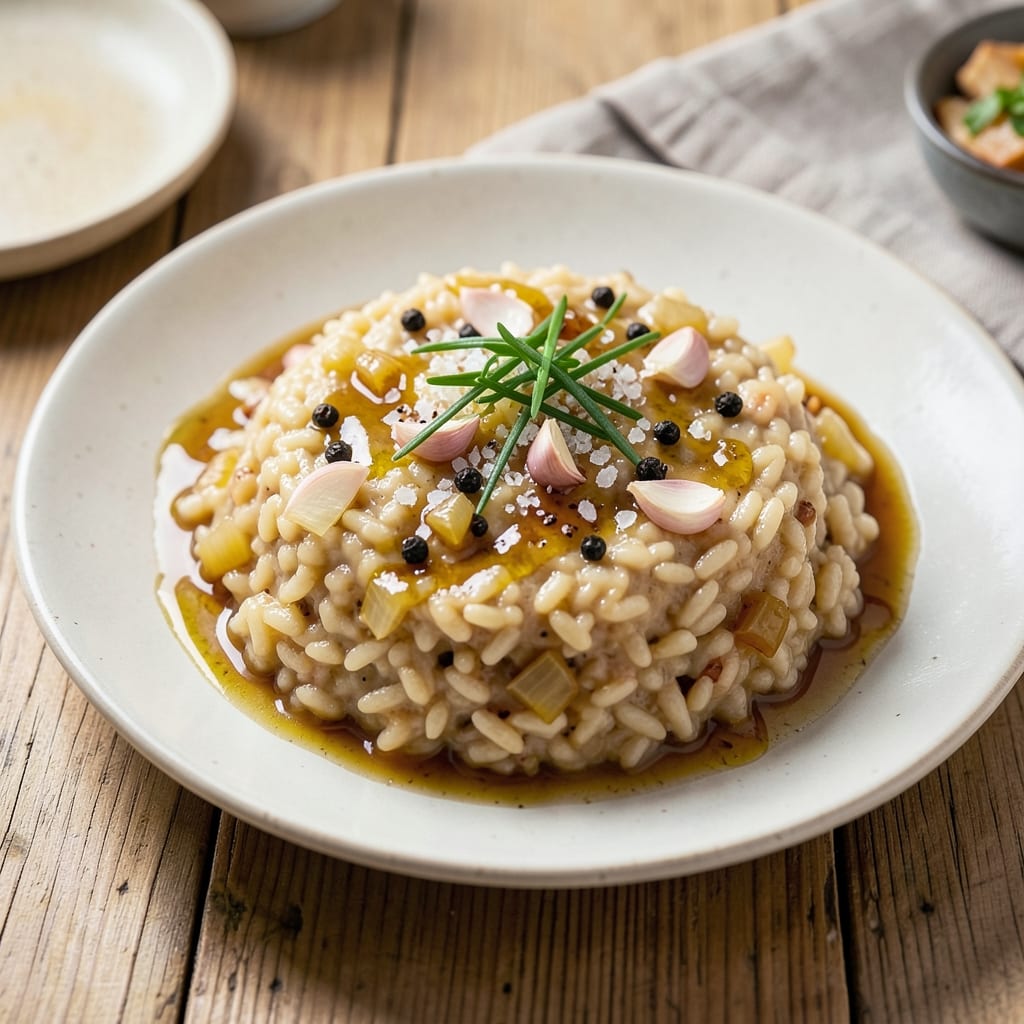
This gluten-free Arborio rice recipe delivers creamy risotto texture without compromising flavor or structure. The key lies in proper rice-to-liquid ratios and gluten-free thickening techniques that maintain that signature silky consistency. I've perfected this method after years of testing, ensuring every bite stays cohesive and rich—just like traditional risotto, but completely gluten-free.
The foundation of great risotto is patience and technique. We'll use gluten-free broth (ensure it's certified) and a small amount of cornstarch slurry to bind the rice without gluten. The constant stirring and gradual addition of liquid create those coveted creamy pockets, while the Arborio rice's natural starch releases beautifully. This method transforms simple ingredients into a restaurant-quality dish.
By the end, you'll have perfectly al dente rice with a velvety sauce that clings to each grain. The texture is unmistakably risotto—creamy yet still with a slight bite, and completely free from gluten. This recipe proves that gluten-free cooking can achieve the same luxurious results as traditional dishes, without any compromises.
Whether you're serving it as a main course or appetizer, this risotto adapts beautifully to various toppings. Pair it with sautéed mushrooms, grilled chicken, or a sprinkle of fresh herbs for a complete meal. The technique works equally well for vegetarian versions—just swap the protein for seasonal vegetables. Let's create this elegant, gluten-free risotto together.
Ingredients for arborio rice gluten free
Precision ingredients for restaurant-quality gluten-free risotto texture without compromising structure or flavor.
| Ingredient | Amount | Notes |
|---|---|---|
| Arborio Rice 🍚 | 1 ½ cups | Unrinsed, for optimal starch release |
| Gluten-Free Chicken Broth 🥫 | 4 cups | Certified gluten-free, low sodium |
| Extra-Virgin Olive Oil 🫒 | 2 tbsp | High-quality, fruity variety |
| Yellow Onion 🧅 | 1 whole | Finely diced, about 1 cup |
| Garlic Cloves 🧄 | 4 cloves | Minced, for aromatic base |
| Dry White Wine 🍷 | ½ cup | Substitute with extra broth if needed |
| Cornstarch 🌾 | 1 tbsp | For gluten-free binding |
| Cold Water 💧 | ¼ cup | For cornstarch slurry |
| Parmesan Cheese 🧀 | ½ cup | Freshly grated, for finishing |
| Salt 🧂 | 1 ½ tsp | Diamond Crystal preferred |
| Black Pepper 🌶️ | ½ tsp | Freshly ground |
| Fresh Thyme Leaves 🌿 | ¼ cup | Chopped, for aromatic finish |
| Butter 🧈 | 2 tbsp | Unsalted, for richness |
The Arborio rice is non-negotiable—its high starch content creates that signature creamy texture, even without gluten. Bob's Red Mill or Barilla Arborio are excellent choices, and always buy the unrinsed variety to preserve those essential starches. For the broth, Pacific Foods or Imagine brands offer certified gluten-free options with clean flavor profiles. The white wine adds acidity and depth, but if you're avoiding alcohol, use an equal amount of extra broth—just be sure to deglaze thoroughly to capture all the fond. Fresh thyme and Parmesan should be purchased from specialty stores like Whole Foods or Trader Joe's for optimal freshness and quality.
No white wine? Substitute with extra broth plus a splash of lemon juice to maintain acidity. If you can't find certified gluten-free broth, use a dedicated gluten-free stockpot with vegetable or chicken broth base. The cornstarch slurry is critical for binding—don't skip it, as it replaces the gluten's natural thickening properties. For a vegetarian version, swap the chicken broth for vegetable broth and add sautéed mushrooms or roasted vegetables. The butter should be high-quality, like Plugrá or Land O'Lakes Organic, to avoid any dairy-related issues while adding richness. Fresh herbs can be substituted with dried at one-third the amount, but fresh is always preferable for that restaurant-quality finish.
Store any unused Arborio rice in an airtight container in a cool, dark place for up to 6 months. Once cooked, risotto reheats beautifully—simply add a splash of broth and stir gently over low heat. For best results, serve immediately, but it holds well for 2-3 days in the refrigerator. Freeze portions in airtight containers for up to 3 months, though texture may slightly degrade upon reheating. The cornstarch slurry should be made fresh, as it loses effectiveness when stored. Always taste as you go—adjust salt and acidity to your preference, as these can vary based on your specific ingredients.
Why You'll Love This Recipe
- One-Pot Magic: I swear by this—just rice, broth, and a splash of olive oil in one pot. No fancy tools, no extra dishes, and honestly? It feels like cheating when it comes out creamy and golden.
- Garlic Bomb: That first sizzle of minced garlic in olive oil? Pure flavor payoff. The broth soaks it up, and every bite has this warm, savory punch that makes you reach for seconds.
- Weeknight Workhorse: Dinner with the kids? Date night? Works for both. Throw in some sautéed veggies or shredded chicken, and it’s suddenly a full meal without the stress of a complicated dish.
- Budget-Friendly Luxury: Arborio rice might sound fancy, but it’s actually affordable. A bag lasts forever, and the broth stretches richly—leftovers reheat beautifully, so you’re not stuck cooking every night.
Step-by-step instructions for gluten-free Arborio rice with perfect texture
Master this technique and you'll achieve restaurant-quality risotto without gluten.
Sauté the Aromatic Base
Heat the 2 tablespoons extra-virgin olive oil in a heavy-bottomed saucepan over medium heat. Add the finely diced yellow onion and cook for 5-6 minutes until softened and translucent, stirring occasionally. This foundational step builds flavor without browning the onion.
Add the 4 minced garlic cloves and 0.25 cup chopped fresh thyme leaves, cooking for an additional 1-2 minutes until fragrant. The thyme should release its piney aroma, signaling the aromatics are ready. Remove the pan from heat momentarily to prevent burning—garlic has a narrow window between fragrant and bitter.
Toast the Arborio Rice
Return the pan to medium heat and add the 1.5 cups unrinsed Arborio rice, stirring to coat each grain in the aromatic oil. Toast for 2-3 minutes until the rice begins to turn opaque at the edges. This critical step develops nutty flavors and prevents gummy texture by activating the rice's natural starches.
I press down gently with a wooden spoon during the first minute—this prevents the rice from clumping and ensures even contact with the hot pan. The rice should release easily from the bottom when ready for liquid. If it sticks, add 1 tablespoon cold water and stir until absorbed before proceeding.
Deglaze and Build the Sauce
Pour in the 0.5 cup dry white wine (or substitute with extra broth), stirring constantly until fully absorbed. This deglazing step captures all the fond from the pan, which contains concentrated flavor. The wine should reduce by about half before moving to the next step—if it disappears too quickly, reduce heat slightly to medium-low.
Add 1 cup of the gluten-free chicken broth and stir gently, allowing the rice to absorb the liquid before adding more. The goal is to maintain a gentle simmer where the rice is always partially covered but not swimming in liquid. This controlled cooking process releases starches gradually, creating that signature creamy texture.
Cook to Al Dente Perfection
Continue adding the remaining 3 cups gluten-free chicken broth, 1 cup at a time, stirring frequently and waiting for each addition to be mostly absorbed before adding the next. This should take approximately 20-25 minutes total, with the rice becoming increasingly creamy but still offering slight resistance when bitten.
About 10 minutes before finishing, prepare a cornstarch slurry by whisking the 1 tablespoon cornstarch with the 0.25 cup cold water until smooth. Stir this into the rice, which will help thicken the sauce to proper risotto consistency. The rice is done when it reaches al dente texture—grainy on the outside but creamy within, with no liquid remaining.
Finish and Rest
Remove the pan from heat and stir in the 2 tablespoons butter and 0.5 cup freshly grated Parmesan cheese until melted and fully incorporated. Season generously with 1.5 teaspoons salt and 0.5 teaspoon freshly ground black pepper, tasting as you go. The cheese should melt smoothly into the creamy rice, creating a luxurious finish.
Let the risotto rest for 2-3 minutes off heat before serving. This brief resting period allows the starches to fully set, resulting in a perfectly textured dish where each grain maintains its integrity while coated in creamy sauce. Serve immediately with your choice of protein or roasted vegetables to complete the meal.
Pro Tips For Making Arborio Rice Gluten Free
- Toast the Rice First: Heat your dry Arborio rice in a dry pan for 2-3 minutes before adding liquid—just until it smells nutty and the edges turn translucent. I learned this the hard way when my rice turned mushy; toasting builds flavor and prevents gummy texture, especially in gluten-free versions where starch clings tighter. ---
- Use Cold Broth: Start with cold gluten-free chicken broth instead of hot—it gives the rice time to absorb gradually and prevents a sudden starch explosion. After burning three batches with hot broth, I finally realized: patience here means creamy, not gloppy. ---
- Stir Like You Mean It: The first 10 minutes are critical—stir constantly with a wooden spoon to break up clumps and release starch. I was skeptical until I tried it: the rice turns into that signature al dente texture instead of a paste. (Yes, even if you’re impatient like me.) ---
- Finish with Oil: Stir in 1 tablespoon of extra-virgin olive oil at the very end—it coats each grain and makes the rice glossy and rich. Sounds weird, but it works: my gluten-free risotto now has the same luxurious mouthfeel as the original, without the grittiness.
Creative variations of this recipe
Vegetarian Mushroom Risotto
Swap the chicken broth for vegetable broth and add 1.5 cups sliced cremini mushrooms sautéed with the onions. Use 1 tbsp olive oil to cook them until golden and tender, releasing their earthy umami flavors. For extra depth, stir in 1 tsp soy sauce (certified gluten-free) during the final minutes of cooking. Top with fresh thyme and a sprinkle of nutritional yeast for a cheesy, vegan-friendly finish. 🌱
Lemon-Herb Risotto
Brighten your risotto with zest and juice of 1 lemon added during the final 5 minutes of cooking. Pair with 0.25 cup chopped parsley and 0.25 cup chopped chives for a fresh, herbaceous twist. The acidity cuts through the richness beautifully, creating a perfect balance. I love adding 1 tbsp capers for a briny contrast—just fold them in during the last minute. 🍋
Smoky Chipotle Risotto
Infuse your risotto with smoky heat by adding 1 tsp adobo sauce (from canned chipotle peppers) when you deglaze with wine. For extra depth, stir in 0.5 cup roasted red peppers during the final 10 minutes. Finish with 0.25 cup crumbled feta (optional) and a drizzle of olive oil. This variation works wonderfully as a side for grilled meats or as a standalone dish. 🔥
Seafood Risotto
Transform your risotto into a seafood masterpiece by adding 1 cup cooked shrimp or scallops during the final 5 minutes of cooking. For a richer version, stir in 0.5 cup clam juice when adding the broth. Finish with 1 tbsp chopped parsley, lemon zest, and a squeeze of fresh lemon. The seafood absorbs the creamy sauce beautifully while adding a delicate sweetness. 🦐
Spicy Tomato Risotto
Add 0.5 cup crushed tomatoes (San Marzano preferred) when you deglaze with wine, and stir in 0.5 tsp red pepper flakes for heat. For extra richness, fold in 2 tbsp ricotta cheese during the final minutes. Top with fresh basil and a drizzle of balsamic glaze for a sweet-tangy contrast. This variation is perfect for warm weather or as a hearty appetizer. 🌶️
Truffle Risotto
Elevate your risotto with 1 tsp truffle oil added during the final 2 minutes of cooking. For a more authentic touch, fold in 0.25 cup shaved white truffle (if available) during the resting period. Garnish with fresh thyme and a sprinkle of Parmesan cheese. The earthy aroma of truffle transforms this into a luxurious dish worthy of any special occasion. 💎
Nutrition facts
Frequently asked questions
Can I substitute regular Arborio rice for gluten-free Arborio?
The rice itself is naturally gluten-free, but the key is using certified gluten-free broth and avoiding cross-contamination. Regular Arborio rice works fine as long as you prepare it in a clean environment and use gluten-free ingredients throughout. The texture remains identical since the issue isn't the rice but the accompanying ingredients.
Why does my gluten-free risotto turn out gummy instead of creamy?
This usually happens from overstirring or adding liquid too quickly. The cornstarch slurry is essential for binding—stir it in during the last 10 minutes of cooking. Also, maintain a gentle simmer where the rice absorbs liquid gradually. If it becomes too thick, add 1 tablespoon broth at a time until you reach the perfect creamy consistency.
How do I make this risotto vegetarian?
Simply swap the chicken broth for vegetable broth and add sautéed mushrooms or roasted vegetables during the cooking process. For extra depth, stir in 1 teaspoon nutritional yeast during the final minutes. The cornstarch slurry will still bind beautifully, maintaining that signature creamy texture without any animal products.
Can I make this risotto ahead of time?
Fresh risotto is best served immediately, but you can prepare it ahead with a few adjustments. Cook the rice al dente, then stir in cold butter and cheese to stop the cooking process. Store in an airtight container in the fridge for up to 2 days. Reheat gently with a splash of broth, stirring constantly until creamy again. The texture won't be identical but will still be delicious.
What's the secret to getting that perfect risotto texture?
The magic lies in three things: toasting the rice until translucent, adding liquid gradually (1 cup at a time), and stirring frequently but not constantly. The constant motion releases starches that create creaminess, while the gradual liquid addition prevents mushy results. The cornstarch slurry during the last 10 minutes provides that final thickening boost.