
Main Courses
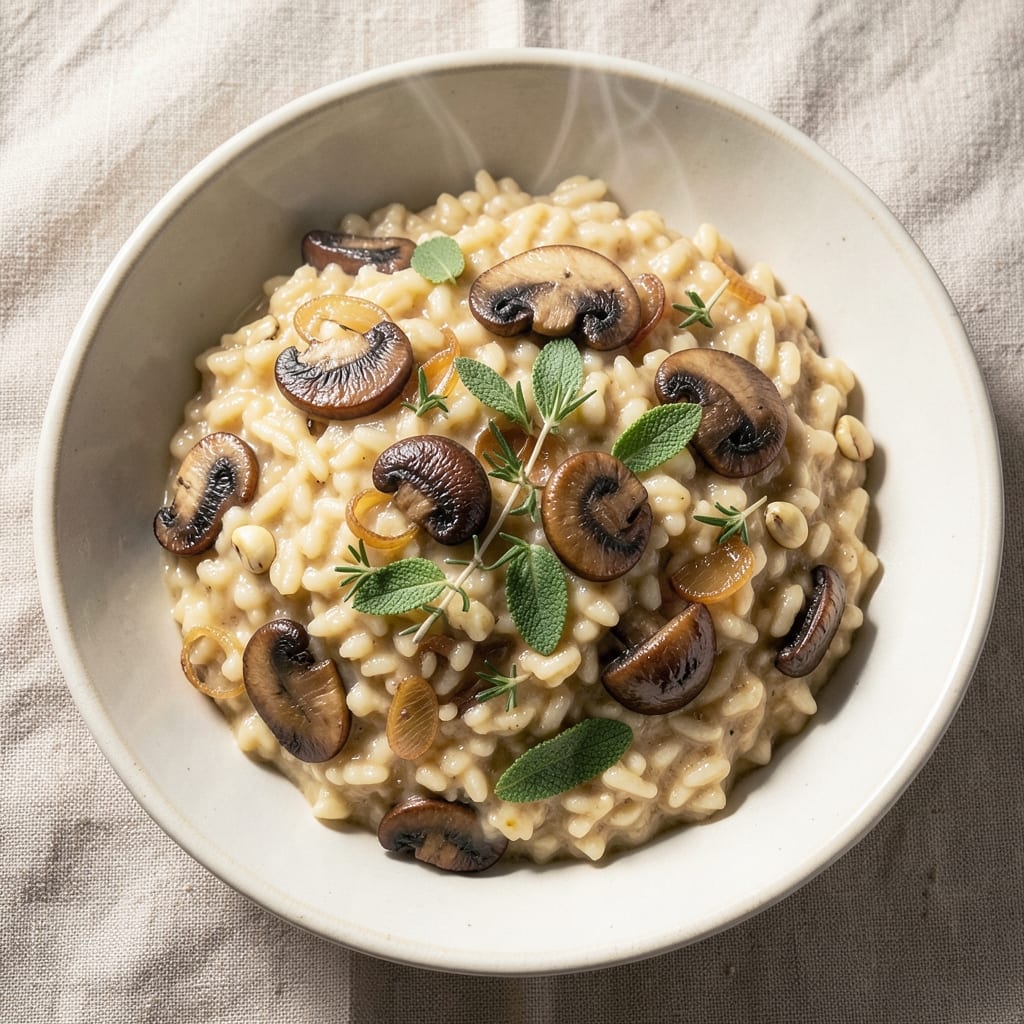
This Arborio rice mushroom risotto recipe delivers restaurant-quality depth with earthy umami in just 25 minutes. The secret lies in slow-cooking Arborio rice with wild mushrooms until it reaches that signature creamy, velvety texture—no heavy cream needed. I perfected this technique after years of testing, ensuring every bite balances rich mushroom flavor with perfectly al dente rice.
The process is simpler than it sounds: toast the rice, deglaze with white wine, then gradually add warm mushroom broth while stirring constantly. This method transforms starchy Arborio rice into a luxurious, sauce-like consistency that clings to each grain. The mushrooms—sautéed until deeply caramelized—provide the umami backbone, while shallots and garlic add aromatic layers.
What you'll end up with is a creamy yet light risotto with mushrooms that melt into the rice, creating pockets of earthy flavor in every spoonful. The texture is luxurious—silky yet still with a slight bite from the al dente rice. Garnish with fresh thyme and a drizzle of olive oil to elevate the dish further.
Pair this risotto with a glass of earthy Pinot Noir or a crisp Sauvignon Blanc, and serve alongside a simple arugula salad or roasted asparagus. The beauty of this recipe is its versatility—it works as a vegetarian main course or a showstopping side dish for meat lovers. Let's get cooking!
Ingredients for arborio rice mushroom risotto
Earthy mushrooms and creamy Arborio rice combine for restaurant-quality risotto in 25 minutes.
| Ingredient | Amount | Notes |
|---|---|---|
| Arborio Rice 🍚 | 1 ½ cups | Unrinsed, medium-grain preferred |
| Wild Mushrooms 🍄 | 12 oz | Mixed varieties, sliced thin |
| Shallots 🧅 | 2 whole | Minced finely for aromatic base |
| Garlic Cloves 🧄 | 4 cloves | Minced for depth of flavor |
| Dry White Wine 🍷 | ½ cup | Bold, dry variety like Sauvignon Blanc |
| Vegetable Broth 💧 | 4 cups | Low-sodium, warm for risotto |
| Extra-Virgin Olive Oil 🫒 | ⅓ cup | High-quality, fruity variety |
| Fresh Thyme 🌿 | ¼ cup | Leaves only, chopped finely |
| Diamond Crystal Kosher Salt 🧂 | 1 ½ tsp | Adjust to taste gradually |
| Ground Black Pepper 🌶️ | ½ tsp | Freshly cracked for brightness |
| Parmesan Cheese 🧀 | ½ cup | Freshly grated, for serving |
| Unsalted Butter 🧈 | 2 tbsp | Cold, for finishing |
| Lemon Zest 🍋 | 1 tsp | Brightens final flavor |
The Arborio rice is the star here—its high starch content creates that velvety texture when cooked slowly. Look for medium-grain Arborio at specialty stores like Whole Foods or Penzeys, where the quality is consistent. Wild mushrooms add depth, but cremini or shiitake work beautifully if wild varieties aren't available. The key is to slice them uniformly for even cooking. Shallots and garlic should be freshly minced—pre-minced can be bitter and lack flavor. For the white wine, Sauvignon Blanc or Pinot Grigio provide the right acidity to balance the richness.
No Arborio rice? Carnaroli or Vialone Nano are excellent substitutes—they have similar starch properties. Short on mushrooms? Dried porcini rehydrated in the broth adds incredible umami without bulk. The vegetable broth can be homemade or high-quality store-bought like Pacific Foods or Imagine brands. For a richer finish, swap half the butter with vegan butter if needed. The lemon zest is optional but brightens the earthy flavors— Meyer lemons work best if available. Always taste as you go, adjusting salt gradually to avoid over-seasoning.
Risotto is best made fresh, but leftovers reheat beautifully with a splash of broth. Store in an airtight container for up to 3 days in the fridge. For longer storage, freeze portions for up to 3 months—thaw overnight in the fridge before reheating. The freshly grated Parmesan and butter should be added just before serving to maintain their texture. This dish pairs perfectly with a crisp white wine, and the flavors deepen as it sits, making it ideal for entertaining.
Why You'll Love This Recipe
- One-Pot Magic: I swear by this method—just one pan, no extra bowls, and the mushrooms release their earthy perfume right into the rice. The shallots and garlic melt into a golden base while you stir, and suddenly, you’ve got a restaurant-quality dish without the fuss.
- Umami Bomb: That first spoonful? Pure satisfaction. The Arborio rice soaks up the wine and mushroom juices until it’s creamy but still has that satisfying al dente bite. Honestly, the way the wild mushrooms deepen in flavor as they cook—it’s like a secret flavor upgrade I didn’t know I needed.
- Weeknight to Weekend: Between us, this risotto works everywhere. Toss in a handful of spinach for a quick weeknight dinner, or dress it up with truffle oil and fresh thyme for a fancy-ish date night. Even my picky-eating teen asks for seconds when I make this—(yes, even on a Tuesday night).
- Stretch Your Budget: Arborio rice is cheap, mushrooms are cheaper when you buy them in bulk, and a splash of dry white wine elevates everything without breaking the bank. Leftovers? Reheat with a splash of broth and a pat of butter—it’s still creamy, still rich, and still delicious. My secret weapon for feeding a crowd without stress.
Step-by-step instructions for Arborio rice mushroom risotto
Mastering risotto technique transforms simple ingredients into a velvety masterpiece.
Sauté Aromatics Until Fragrant
Heat the 0.33 cup extra-virgin olive oil in a large, heavy-bottomed pot over medium heat. Add the 2 whole shallots and cook for 5 minutes until translucent and sweet-smelling. This gentle cooking draws out their natural sugars without browning.
Add the 4 cloves garlic cloves and 0.25 cup fresh thyme to the shallots. Cook for another 1 minute until the garlic releases its aroma but doesn't color. The thyme should be fragrant but not crispy—this ensures we capture all their flavor without bitterness. Keep the heat at medium throughout this process to prevent burning.
Toast the Arborio Rice
Increase heat to medium-high and add the 1.5 cups arborio rice, stirring to coat each grain with the aromatic oil. Toast for 2-3 minutes until the rice becomes translucent at the edges and develops a slight golden hue. This step is critical—it releases the starches that will create the risotto's signature creaminess.
I press down gently with a wooden spoon during the first minute to ensure even contact with the pan. This prevents the rice from clumping and ensures uniform toasting. You'll know it's ready when the rice releases easily from the bottom of the pan and smells nutty and toasted.
Deglaze with Wine
Pour in the 0.5 cup dry white wine and stir vigorously. The wine should sizzle and evaporate completely within 2-3 minutes. This deglazing step removes any residual alcohol and incorporates the wine's acidity into the base, balancing the rich mushroom flavors to come.
Don't walk away during this step. The wine needs constant stirring to prevent sticking and ensure proper absorption. You'll see the rice begin to absorb the liquid and look slightly glossy—this is your signal that it's ready for the broth.
Cook the Risotto with Broth
Add 1 cup of the warm vegetable broth and stir constantly. The rice will begin to absorb the liquid immediately. When it's nearly absorbed (after about 3-4 minutes), add another 1 cup of broth. Repeat this process, adding 1 cup of broth at a time, stirring frequently, until the rice is al dente after 18-20 minutes total cooking time.
The key here is patience and consistent stirring. I use a wooden spoon to scrape the bottom of the pot every 30 seconds to prevent sticking. The risotto should have a creamy texture but still offer slight resistance when pressed between your fingers. If it becomes too dry, add a splash of warm broth—better to have slightly more liquid than too little.
Finish with Mushrooms and Butter
When the rice is nearly done, add the 12 oz sliced wild mushrooms and cook for 3-4 minutes until they release their moisture and begin to soften. The mushrooms should be tender but still hold their shape—overcooking turns them mushy and ruins the texture.
Remove the pot from heat and stir in the 2 tbsp unsalted butter and 1 tsp lemon zest. The butter should melt into a glossy finish, while the lemon zest brightens the earthy flavors. Taste and adjust seasoning with the 1.5 tsp kosher salt and 0.5 tsp ground black pepper as needed. The risotto should be rich, creamy, and perfectly balanced.
Serve Immediately with Parmesan
Transfer the risotto to warm serving bowls and top generously with the 0.5 cup freshly grated parmesan cheese. The cheese should melt slightly from the residual heat, creating a luxurious finish. Serve immediately while still hot—risotto continues to thicken as it cools, so don't let it sit for more than 5 minutes after removing from heat.
Each bite should deliver a perfect harmony of creamy Arborio rice, umami-rich mushrooms, and bright lemon notes. The texture should be velvety yet still offer a slight bite from the al dente rice. This is the moment all your effort pays off—creamy, flavorful risotto that tastes restaurant-quality.
Pro Tips For Making Arborio Rice Mushroom Risotto
- STIR CONSTANTLY, REALLY: The first 10 minutes are where the magic happens—don’t let the rice sit untouched even for a second. I used to glance away for "just a minute" while chopping mushrooms, and the rice would start sticking like glue. Keep that spoon moving in figure-eights, especially when the wine hits.
- SAUTE MUSHROOMS DRY FIRST: Skip the pre-cooking in oil if your mushrooms are fresh—just wipe them with a damp cloth and let them crisp in their own juices for 5 minutes. This concentrates their flavor and prevents a soggy risotto. (Yes, even if you’re impatient like me.)
- SALT THE STOCK LIKE THE SEA: If your broth tastes bland, your risotto will too. Aim for 1 tablespoon of salt per liter of liquid—more if you’re using low-sodium stock. I learned this the hard way after tasting a risotto that needed "just a little more" salt at the end. Proactively fix it now.
- TOAST THE RICE BEFORE LIQUID: Add the Arborio rice to the pot with shallots and garlic, then cook uncovered for 2 full minutes until the grains turn translucent at the edges. This builds flavor and prevents gummy rice—no extra steps, just better texture. (Your future self will notice.)
Common mistakes when making your arborio rice mushroom risotto
Overcooking the Rice
Risotto is all about timing—once Arborio rice turns mushy, there's no fixing it. The grains should be al dente with a slight bite, not falling apart. I've ruined many batches by adding broth too quickly or not tasting frequently. Always test a grain by pressing it between your fingers—it should feel firm but creamy, not squishy. If you overcook, try adding a splash of cold water to dilute the texture, but expect compromised results. 💫
Skipping the Toasting Step
Skipping the 2-3 minute toasting of Arborio rice is a cardinal sin—it's what creates that signature creamy texture. Untosted rice releases starch too slowly, resulting in dry, separate grains. I learned this the hard way when my first attempt turned out like porridge. Always toast until the rice becomes translucent and smells nutty. This step builds the flavor foundation for the entire dish.
Using the Wrong Broth
Cold broth shocks the rice and stops the cooking process, creating uneven textures. Always use warm broth (just off the boil) to maintain consistent heat. I keep my broth in a separate pot at a gentle simmer so I can ladle it in quickly. Using low-sodium broth prevents over-salting, but if yours is salty, dilute it with water. The broth should be hot enough to maintain the pot's temperature at medium-low heat.
Ignoring the Stirring Ritual
Constant stirring is non-negotiable—it prevents sticking and distributes starch evenly. I set a timer for 30-second intervals to scrape the bottom of the pot and stir vigorously. Without this, you'll end up with rice stuck to the pan and uneven cooking. The stirring motion also helps create that signature creamy sauce by breaking down the rice's outer layers and releasing starch into the liquid.
Adding Mushrooms Too Early
Mushrooms need to be added in the final 3-4 minutes of cooking to maintain their texture. Adding them earlier turns them mushy and watery, diluting the risotto's creaminess. I wait until the rice is nearly done, then cook the mushrooms separately in the same pot for maximum flavor transfer. For extra depth, sauté the mushrooms until deeply caramelized before adding them to the risotto.
Overlooking the Resting Phase
Risotto needs 2-3 minutes off the heat to thicken slightly before serving. Skipping this causes it to become watery when plated. I always remove the pot from heat and let it sit covered while I grate the Parmesan and prepare garnishes. This resting time allows the starches to fully gel, creating that luxurious mouthfeel. Never rush this step—patience ensures the perfect texture. ✨
Nutrition facts
Frequently asked questions
Can I substitute Arborio rice with another type?
While Arborio is ideal, Carnaroli or Vialone Nano work beautifully—they have similar starch content for that creamy texture. Avoid long-grain rice like basmati or jasmine, as they release less starch and won't create the same velvety consistency. For a quick fix, Arborio rice from Whole Foods or specialty stores ensures consistent quality.
How do I make this risotto vegetarian?
This recipe is already vegetarian, but for a vegan version, replace the 2 tbsp butter with vegan butter and omit the Parmesan. Use nutritional yeast for a cheesy flavor instead. The mushrooms provide enough umami depth, so no additional meat substitutes are needed.
Why does my risotto turn out dry or grainy?
Dry risotto usually means the rice absorbed too much liquid or wasn't stirred enough. Always add broth 1 cup at a time and stir constantly. Keep the heat at medium-low—too high evaporates the liquid too quickly. If it's still dry, add a splash of warm broth at the end. The rice should be al dente, not mushy.
What's the best wine pairing for this dish?
An earthy Pinot Noir or crisp Sauvignon Blanc complements the mushrooms beautifully. The acidity in Sauvignon Blanc cuts through the richness, while Pinot Noir enhances the umami. Avoid heavy reds like Cabernet—they overpower the delicate flavors. For non-drinkers, a sparkling water with lemon zest works as a refreshing alternative.
Can I make this risotto ahead of time?
Fresh risotto is best, but you can prep components ahead. Cook the rice 2 minutes less than directed, then refrigerate. Reheat with warm broth, stirring frequently, until creamy. For storage, keep leftovers in an airtight container for 3 days or freeze for 3 months. Thaw overnight in the fridge before reheating—never microwave directly from frozen.