
Main Courses
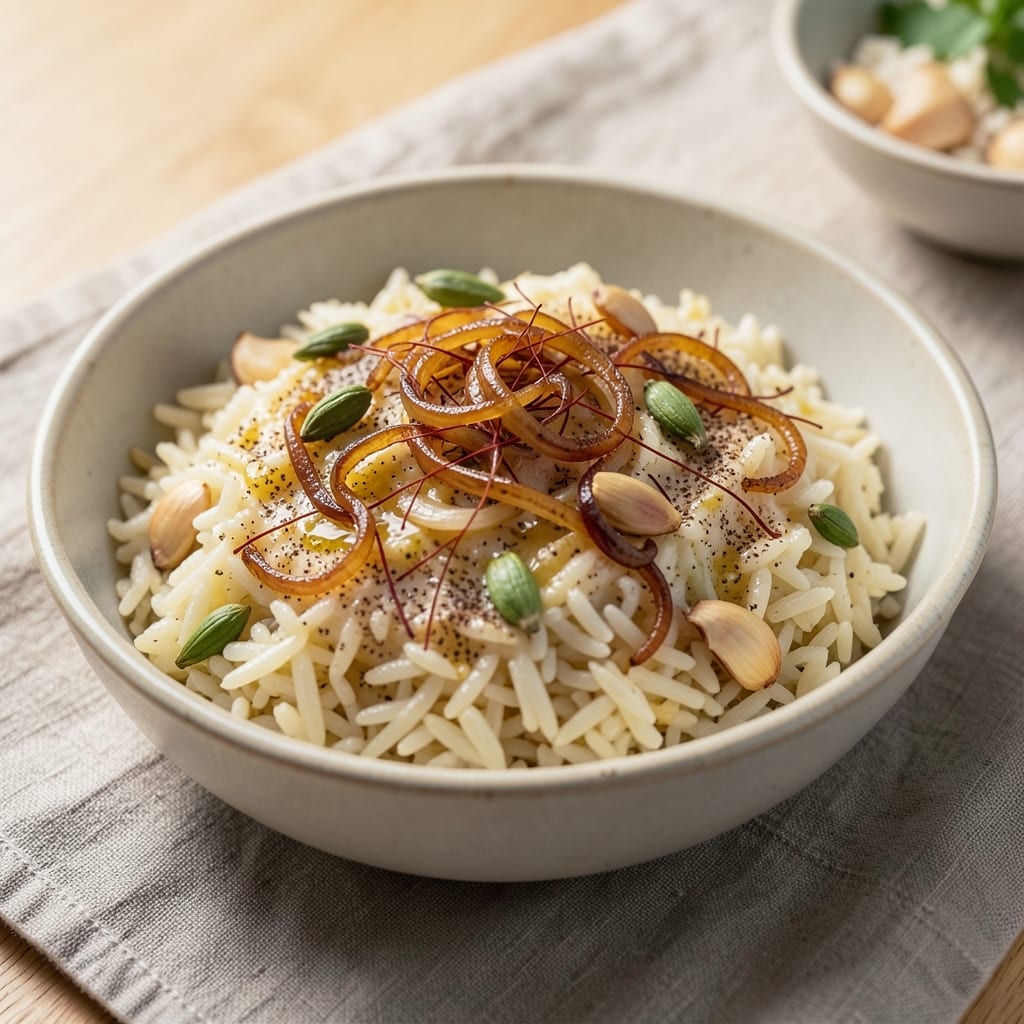
This aroma rice cooker pilaf recipe transforms simple basmati rice into a fragrant, golden masterpiece with minimal effort. The secret lies in blooming spices and saffron threads directly in the rice cooker, where their aromatic oils infuse the grains for restaurant-quality flavor without constant stirring. I’ve perfected this method after years of testing—no pot sticking, no burnt bottoms, just perfectly tender rice with a delicate crunch and layers of warm spices.
The beauty of this approach is how the rice cooker’s even heat distribution prevents mushy results while allowing the spices to develop deep, complex flavors. You’ll start with toasted onions and garlic for a rich base, then layer in cumin, cardamom, and saffron—each contributing to that signature fragrant aroma that fills your kitchen. The rice absorbs these flavors as it steams, resulting in grains that are separate yet cohesive, with a subtle golden hue from the spices.
What makes this pilaf truly special is its versatility—it works as a standalone main dish or pairs beautifully with grilled meats, curries, or roasted vegetables. The texture is what sets it apart: fluffy yet firm, with a slight chew that disappears on the first bite. The saffron adds a luxurious touch without overpowering the dish, while the toasted spices ground the flavors for balance. This is the kind of pilaf that makes you feel like you’ve spent hours in the kitchen, even though it’s ready in under 40 minutes.
For best results, use long-grain basmati rice and let the spices toast until fragrant before adding liquid—this step is non-negotiable for that authentic aroma. The rice cooker handles the rest, ensuring even cooking and minimal cleanup. Once you try this method, you’ll never go back to stovetop pilaf again. Let’s get started on creating your fragrant masterpiece.
Ingredients for aroma rice cooker pilaf
Toasted spices, saffron threads, and basmati rice—this is all you need for restaurant-quality pilaf.
| Ingredient | Amount | Notes |
|---|---|---|
| Long-Grain Basmati Rice 🍚 | 1 ½ cups | Uncooked, rinsed thoroughly |
| Yellow Onions 🧅 | 1 whole | Thinly sliced, about 1 cup |
| Garlic Cloves 🧄 | 4 cloves | Minced, fresh preferred |
| Ground Cumin 🌿 | 1 tsp | Toasted for deeper flavor |
| Green Cardamom Pods 🌿 | 6 whole | Lightly crushed, seeds only |
| Saffron Threads 🧡 | ¼ tsp | High-quality, vibrant color |
| Vegetable Broth 💧 | 2 cups | Low-sodium preferred |
| Extra-Virgin Olive Oil 🫒 | 2 tbsp | For toasting onions |
| Salt 🧂 | ¾ tsp | Adjust to taste |
| Black Pepper 🌶️ | ¼ tsp | Freshly ground |
| Fresh Parsley 🌿 | ¼ cup | Chopped, for garnish |
| Lemon Juice 🍋 | 1 tbsp | Freshly squeezed |
The saffron is non-negotiable here—look for vibrant, orange threads at specialty stores or online. Bulk spice shops like Penzeys or Middle Eastern markets carry the best quality. Toasting the onions and garlic in olive oil until golden is where the magic happens—don’t rush this step. The cumin and cardamom should sizzle for about 30 seconds until fragrant. I always grab organic basmati rice from Whole Foods or Trader Joe’s—it’s worth the extra $2 for the texture. Fresh parsley from the grocery store’s refrigerated section adds that final pop of color.
No saffron? Turmeric at half the amount gives color but lacks the floral aroma. Short on cardamom? Cinnamon or allspice at one-quarter the amount works in a pinch. The vegetable broth can be swapped for chicken broth if you prefer, but keep it low-sodium. Fresh parsley wilt fast—wrap it in damp paper towels in a bag to keep it crisp. For extra richness, stir in 1 tbsp toasted slivered almonds at the end. The rice cooker does all the work after this point—just let the flavors meld.
This pilaf reheats beautifully—just add a splash of water if it’s dried out. Keeps for 5 days in the fridge or 3 months frozen. I always double the batch and freeze half for lazy weeknights. The saffron-infused rice makes a stunning side for grilled chicken or lamb. Store leftovers in an airtight container with a damp paper towel to keep it moist.
Why You'll Love This Recipe
- One-Pot Magic: I swear by this—just toss everything into the rice cooker: rice, onions, garlic, and those little cardamom pods. No pans, no mess, no stress. The rice cooker does all the work while I sip tea and pretend I’m not cooking.
- Cardamom Kiss: That first whiff of toasted cardamom and cumin? It’s like a warm hug in rice form. The cardamom’s floral punch cuts through the richness of the onions and garlic, leaving you with a dish that’s fragrant, complex, and ridiculously satisfying.
- Lunchbox Hero: Between us, this pilaf is my secret weapon for meal prep. Make a big batch on Sunday, and by Wednesday, you’re still eating it—cold or reheated—because it holds up like a champ. Pack it with grilled chicken or roasted veggies, and you’ve got a week’s worth of lunches sorted.
- Budget-Friendly Staple: Honestly, this recipe costs me pennies per serving. Basmati rice and onions are cheap, and a little cumin and cardamom go a long way. Plus, leftovers taste just as good the next day—no sad, dry rice here. It’s the kind of dish that makes me feel fancy without breaking the bank.
Step-by-step instructions for aroma rice cooker pilaf
Let's create a fragrant, golden pilaf that transforms simple basmati rice into a restaurant-worthy dish.
Toast the Spices and Aromatics
Set your Aroma rice cooker to the sauté function and add the 2 tablespoons extra-virgin olive oil. Once hot, add the 1 whole yellow onion and cook for 5-6 minutes until softened and translucent. The onions should release their sweet aroma and begin to caramelize slightly at the edges.
Add the 4 cloves minced garlic, 1 teaspoon toasted ground cumin, and 6 lightly crushed green cardamom pods. Stir continuously for 1 minute until the garlic becomes fragrant and the spices bloom. This step builds the aromatic foundation of your pilaf—don't rush it, as the spices need time to release their flavors. The mixture should smell warm, earthy, and slightly floral.
Bloom the Saffron and Add Broth
Turn off the sauté function and let the aromatics cool for 1 minute. Then add the 0.25 teaspoon saffron threads and 2 cups vegetable broth, stirring gently to dissolve the saffron completely. The broth should turn a delicate golden hue—this is your signal that the saffron has properly infused. If you notice any undissolved threads, let it steep for an additional 30 seconds to ensure maximum color and flavor extraction.
Add the 1.5 cups rinsed long-grain basmati rice and stir once to coat the grains evenly with the broth. Avoid over-stirring at this point—you want the rice to absorb the liquid gradually as it cooks. The mixture should look like a pale, golden liquid with visible rice grains suspended throughout.
Cook to Perfect Texture
Set the rice cooker to the white rice setting and close the lid. Let the rice cook undisturbed until it reaches the "keep warm" cycle, which typically takes about 18-22 minutes. The rice should be tender but still have a slight bite—this is the hallmark of perfectly cooked basmati. If you notice the rice is undercooked, let it sit covered for an additional 5 minutes before proceeding.
Once cooking is complete, open the lid and fluff the rice gently with a fork. The grains should be separate and glossy, with a delicate golden color from the saffron. If the rice appears dry, sprinkle in 1 tablespoon water and stir lightly to redistribute moisture. This step ensures each grain remains distinct and fluffy.
Finish with Fresh Herbs and Acid
Remove the rice cooker from heat and stir in the 0.75 teaspoon salt, 0.25 teaspoon black pepper, and 0.25 cup chopped fresh parsley. The parsley adds a bright, fresh contrast to the warm spices. Then add the 1 tablespoon fresh lemon juice and mix gently. The acidity brightens the flavors and balances the richness of the dish.
Let the pilaf rest for 5 minutes before serving. This resting period allows the flavors to meld and the rice to absorb any remaining liquid. The final result should be fragrant, golden, and perfectly textured—each grain distinct, with a delicate saffron hue and aromatic spices that dance on your palate.
Pro Tips For Making Aroma Rice Cooker Pilaf
- TOAST THE SPICES FIRST: I learned this the hard way—adding whole cardamom pods and cumin directly to the rice cooker without toasting them first just makes the dish smell like a spice cabinet exploded. Lightly toast them in a dry pan for 30 seconds until fragrant, then crush the cardamom pods (don’t grind them—just crack them open). This releases their oils and makes the whole dish taste deeper.
- CHOP ONIONS UNEVENLY: Yes, even if it looks messy. Cut your yellow onions into irregular chunks—some bigger, some smaller—so they cook at different rates. This way, you’re not left with a pile of mushy onion at the bottom while the rest stays raw. (I know, I know, but trust the process.)
- USE THE RIGHT RICE RATIO: Basmati rice needs space to fluff. For every 1 cup of rice, use 1.5 cups of water—not the 2 cups most recipes suggest. If you’re using a rice cooker, add a pinch of salt to the water and stir once after the rice has absorbed it. This guarantees perfectly separate grains instead of a gluey mess.
- SWEAT THE AROMATICS LOW: Don’t rush the onion and garlic step. Cook them on low heat for 5-7 minutes until the onions are translucent and the garlic is soft but not browned. This builds flavor without burning, and it’s the thing that matters most in aroma rice. (Your future self will notice the difference.)
Troubleshooting this dish
Burnt Bottom Fix
If your rice cooker's bottom starts to scorch, immediately reduce the heat setting by one level and stir the rice gently to redistribute any hot spots. I’ve found that using a stainless steel inner pot (like the Aroma’s Sensible Rice Cooker) helps prevent sticking better than non-stick models. Always ensure your rice cooker is properly leveled on a flat surface—uneven heating is a common cause of burnt bottoms. 🔥
Mushy Rice Solution
Overcooked rice is usually the result of too much liquid or insufficient resting time. If your pilaf turns out mushy, try this: use 1.25 cups broth instead of 2 cups for the same amount of rice next time. Also, let the rice sit covered for 10 minutes after cooking to allow excess moisture to evaporate. For extra insurance, spread the cooked rice on a baking sheet and let it dry slightly in the fridge for 30 minutes before serving.
Uneven Cooking
If your rice cooker struggles with even cooking, check for these common issues: uneven rice distribution or lid not sealing properly. Before cooking, give the rice a quick shake in the pot to distribute it evenly. Make sure the lid is fully closed and the steam vent is clear. If your rice cooker has a keep-warm function, avoid letting it sit on this setting too long—transfer the pilaf to a bowl to prevent overcooking.
Saffron Not Infusing
If your saffron isn’t dissolving properly, it’s likely because the threads weren’t steeped long enough. To fix this, crush the saffron threads slightly between your fingers before adding them to the broth, then let them steep for 5 minutes in warm broth before adding the rice. For extra potency, I like to mix the saffron with 1 teaspoon warm water first—this creates a vibrant saffron paste that infuses instantly. 🧡
Dry or Undercooked Rice
Undercooked rice often happens when the rice-to-liquid ratio is off or the cooker isn’t set to the right temperature. For this recipe, stick to the 1:1.33 ratio (1.5 cups rice to 2 cups broth). If your rice cooker has a pilaf or brown rice setting, use that instead of the white rice setting—it cooks at a slightly lower temperature for longer, ensuring even doneness. If your rice is still dry, sprinkle in 1 tablespoon warm water and cover for 5 minutes to steam.
Spices Too Strong
If your pilaf tastes overwhelmingly spicy, the spices likely toasted too long. Next time, reduce the toasting time by 30 seconds and taste the spices immediately after blooming. For a milder flavor, add 1 extra cup of broth to dilute the intensity. If you’ve already cooked the pilaf, balance the heat with a splash of lemon juice or a dollop of plain yogurt** when serving. A pinch of sugar can also help mellow the sharpness of cardamom or cumin.
Nutrition facts
Frequently asked questions about aroma rice cooker pilaf
Can I use brown rice instead of basmati?
While you can, brown rice requires 25-30% more liquid and 15-20 minutes longer cooking time. For best results, use a 1:1.75 ratio (1.5 cups brown rice to 2.5 cups broth) and select the brown rice setting if your Aroma cooker has one. The texture will be chewier, but the aromatic spices will still infuse beautifully.
How do I adjust this recipe for a larger group?
Double the ingredients exactly—this recipe scales perfectly in the rice cooker. For 8 servings, use 3 cups basmati rice, 4 cups broth, and 2 tbsp olive oil. Keep the same toasting times and saffron ratio. The Aroma cooker's even heat distribution ensures consistent results regardless of quantity.
What can I substitute if I don't have saffron?
Use ½ tsp turmeric for color, but it lacks saffron's floral aroma. For authentic flavor, try ¼ tsp annatto powder (for color) plus ½ tsp orange blossom water (for fragrance). If you have safflower petals, steep them in warm broth for 5 minutes before adding rice. The dish will still taste delicious but with different nuances.
Can I make this pilaf ahead of time?
Yes! This pilaf reheats beautifully. Cook it fresh, then store in an airtight container for up to 5 days in the fridge. To reheat, sprinkle with 1 tbsp water and microwave for 2 minutes or steam for 5 minutes until hot. For freezing, cool completely, then freeze for up to 3 months. Thaw overnight in the fridge before reheating.
Why does my rice cooker keep switching to "keep warm" too early?
This usually happens when the rice cooker senses steam release too soon. Try these fixes: Don't open the lid during cooking, use the pilaf/brown rice setting if available, and ensure your rice cooker is on a level surface. If your model has a manual timer, set it to 30 minutes past the normal cooking time. The extra heat helps develop the aromatic flavors fully.