
Salads
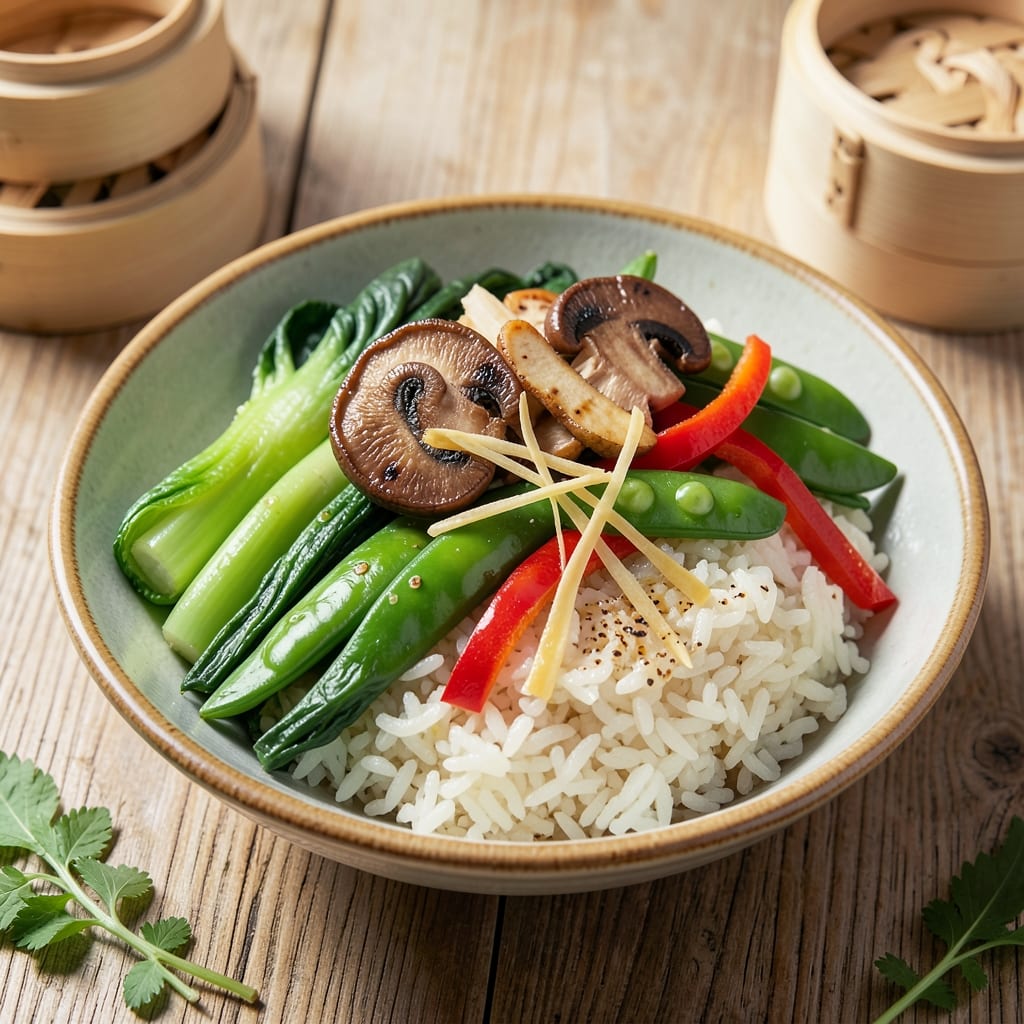
This Asian rice and vegetables recipe delivers the perfect balance of fragrant jasmine rice, crisp-tender vegetables, and wok-tossed aromatics that transport you to a bustling street market in seconds. ✨ The secret lies in high-heat stir-frying that creates those signature crunchy edges while keeping the centers vibrant and fresh—just like your favorite takeout, but better.
We start with perfectly steamed jasmine rice as the foundation, then build layers of flavor through quick-cooking vegetables like bok choy, snap peas, and shiitake mushrooms. A simple soy-ginger-garlic marinade transforms even the simplest vegetables into something extraordinary, while a touch of sesame oil adds depth that lingers on the tongue. The wok technique isn't just about speed—it's about capturing that smoky wok hei flavor that defines authentic Asian cooking.
What you'll end up with is a complete, restaurant-quality meal that's ready in under 30 minutes. The rice stays separate from the vegetables, allowing you to plate them together for maximum visual appeal and texture contrast—crisp edges, tender centers, and fragrant aromatics in every bite. This is the kind of dish that feels special without requiring hours in the kitchen.
Pair with grilled shrimp or teriyaki chicken for a protein boost, or keep it vegetarian for a lighter yet equally satisfying meal. The best part? Every component comes together in one pan, making cleanup nearly effortless. Let's create this fragrant, flavorful masterpiece.
Ingredients for asian rice and vegetables
Jasmine rice, crisp-tender vegetables, and aromatic wok-tossed flavors create this vibrant Asian-inspired dish.
| Ingredient | Amount | Notes |
|---|---|---|
| Jasmine Rice 🍚 | 1 ½ cups | Uncooked, long-grain preferred |
| Bok Choy 🥬 | 2 whole | Baby or full-size, halved lengthwise |
| Snap Peas 🌱 | 1 cup | Fresh or frozen, trimmed |
| Shiitake Mushrooms 🍄 | 8 whole | Stems removed, caps sliced |
| Red Bell Pepper 🌶️ | 1 whole | Thinly sliced, any color |
| Fresh Ginger 🧄 | 1 tbsp | Finely grated, peel removed |
| Garlic Cloves 🧄 | 4 cloves | Minced, fresh preferred |
| Soy Sauce 🥢 | ¼ cup | Low-sodium preferred |
| Sesame Oil 🫒 | 1 tbsp | Toasted, for aroma |
| Vegetable Oil 🫒 | 3 tbsp | High smoke point |
| Green Onions 🧅 | 3 whole | Thinly sliced, white and green parts |
| Sesame Seeds 🌾 | 1 tbsp | Toasted, for garnish |
| Salt 🧂 | ½ tsp | Kosher or sea salt |
| White Pepper 🌶️ | ¼ tsp | Freshly ground preferred |
The jasmine rice is the foundation—look for long-grain varieties at Whole Foods or your local Asian market for that signature fragrance. Bok choy and shiitake mushrooms are non-negotiable for texture; Trader Joe's usually carries pre-trimmed shiitakes, but fresh is always better. Fresh ginger and garlic? Penzeys Spices sells pre-peeled ginger if you're short on time, but grating it yourself makes all the difference. The snap peas can be fresh or frozen—just thaw them first for even cooking. For the soy sauce, Kikkoman or Lee Kum Kee are my go-tos, but any low-sodium brand works.
No fresh ginger? Ground ginger at half the amount works in a pinch, but the flavor won't be as bright. Subbing in bell peppers? Yellow or red add sweetness, while green keeps it classic. Short on shiitake? Cremini mushrooms are a solid swap—they brown beautifully. The sesame oil is for aroma only; don't cook with it. If you're out, toasted sesame seeds at double the amount add texture instead. For extra crunch, lightly toast your sesame seeds in a dry pan before sprinkling on top—worth the extra minute.
Rice keeps best in an airtight container for 3-4 days—reheat with a splash of water to restore moisture. The stir-fried vegetables are best served immediately, but you can reheat them gently in a wok with a little oil. I always make double the rice and freeze half for lazy weeknights. Store cooked veggies in the fridge for 2-3 days or freeze for 2 months. The flavors actually deepen overnight, so leftovers taste even better the next day.
Why You'll Love This Recipe
- One-Pan Magic: I swear by this recipe when I’m too tired to scrub pots—just toss everything on one sheet pan, roast until the bell pepper caramelizes, and boom. The jasmine rice soaks up all those smoky, umami flavors like a sponge.
- Umami Bomb: Between the shiitake mushrooms and snap peas, this dish packs a flavor punch without needing fancy sauces. The bok choy wilts into tender greens while the bell pepper adds just enough sweetness to balance the earthy mushrooms—simple, but ridiculously satisfying.
- Meal Prep MVP: I make double batches on Sundays because it reheats like a dream. The rice stays fluffy, the veggies crisp up again, and it’s the perfect lunch for the week—no sad, soggy leftovers here.
- Budget Brightener: Honestly, this recipe keeps my grocery bill in check. Bok choy and snap peas are cheap staples, shiitake mushrooms add restaurant-quality depth for pennies, and jasmine rice stretches into meals for days. Filling, flavorful, and kind to my wallet? Yes, please.
Step-by-step instructions for wok-tossed jasmine rice and vegetables
Here's how to create restaurant-quality wok rice with perfectly fragrant, crunchy-edged vegetables.
🍳 Step 1: Parboil the Jasmine Rice
Rinse the 1.5 cups jasmine rice thoroughly under cold water until the water runs clear. This removes excess starch and prevents gummy rice. Drain well in a fine-mesh strainer and return to the pot.
Combine the rice with 3 cups water (yes, it's a 2:1 ratio) and bring to a boil over high heat. Once boiling, immediately reduce heat to medium-low, cover tightly with a lid, and simmer for 12 minutes. Set aside—don't drain yet. The residual heat will finish cooking the rice perfectly when we wok it later.
🥘 Step 2: Prepare and Wok the Vegetables
Heat 3 tablespoons vegetable oil in a wok or large skillet over high heat until shimmering. Add the 8 sliced shiitake mushrooms and stir-fry for 2 minutes until they release their moisture and begin to brown. Remove and set aside.
In the same wok, add 1 tablespoon sesame oil and toss in the 1 cup snap peas, 1 whole thinly sliced red bell pepper, and 2 halved bok choy. Stir-fry for 3-4 minutes until the vegetables are bright green and just beginning to soften. Add the 4 minced garlic cloves and 1 tablespoon finely grated ginger, cooking for 30 seconds until fragrant.
🍳 Step 3: Combine Rice and Vegetables
Return the cooked mushrooms to the wok and add the parboiled rice along with 0.25 cup soy sauce, 0.5 teaspoon salt, and 0.25 teaspoon white pepper. Use a pair of tongs to toss everything vigorously for 3-4 minutes until the rice absorbs the flavors and develops crispy edges from the high heat.
Here's the thing—you want the rice to look slightly undercooked at this point. The residual heat from the wok will finish cooking it while absorbing all those delicious vegetable juices. If the wok gets too dry, add 1-2 tablespoons water and keep tossing.
👨🍳 Step 4: Finish with Aromatics and Garnish
Turn off the heat and immediately stir in the 1 tablespoon toasted sesame oil and 3 thinly sliced green onions. The sesame oil adds that signature nutty aroma that makes this dish sing. Taste and adjust seasoning if needed—you might want a touch more soy sauce for saltiness or a pinch more white pepper for depth.
Transfer the wok-tossed rice to a serving platter and garnish with 1 tablespoon toasted sesame seeds. Serve immediately while the rice is still hot and the vegetables retain their vibrant colors. Each bite should deliver a perfect balance of chewy rice, crisp-tender vegetables, and umami-rich seasoning.
Pro Tips For Making Asian Rice And Vegetables
- STIR-FRY IN STAGES: Bok choy wilts faster than snap peas, so cut it into 1-inch chunks first and set aside. Start with the bell pepper and mushrooms on high heat for 2 minutes—they need time to develop flavor before the rest joins. Toss in snap peas last, and cook just 1 minute. This keeps everything crisp-tender instead of a sad, limp pile.
- DON’T OVERCROWD THE PAN: I learned this the hard way—packing the wok too tight with mushrooms and bok choy steams them instead of searing. Spread ingredients in a single layer and work in batches if needed. A hot pan with room to breathe makes all the difference for that wok-hei flavor.
- SAUTE SHIITAKES FIRST: Fresh shiitake mushrooms release water like nobody’s business. Slice them thick (¼-inch) and cook them alone for 3-4 minutes before adding anything else. This draws out moisture so they stay meaty instead of turning into a soggy mess when the rest hits the pan.
- USE LESS RICE, MORE FLAVOR: Skip the full 1:2 rice-to-water ratio—Jasmine rice absorbs flavors better when slightly undercooked. Cook it 10 minutes instead of 15, then fluff with a fork and let it sit covered for 5 minutes. The grains stay separate, and the dish feels lighter. (Yes, even if you’re impatient like me.)
Pro cooking tips for this dish
Wok Hei Mastery
The secret to authentic wok-tossed flavor is achieving wok hei, that smoky, charred aroma that defines street-style Asian cooking. Heat your wok until it's smoking hot before adding oil—this creates the perfect surface for the Maillard reaction that gives your dish its signature depth. I use a carbon steel wok (like Mauviel) because it retains heat better than stainless steel and develops a natural non-stick patina over time. 🔥
Vegetable Prep Matters
Uniform cutting is key to even cooking. For the bok choy, cut it lengthwise into quarters if it's large, or leave baby bok choy whole. Shiitake mushrooms should be sliced ¼-inch thick—thicker slices stay chewy while thinner ones crisp up perfectly. Snap peas should be trimmed but left whole for maximum crunch. The goal is crisp-tender vegetables, not mushy ones.
High Heat Control
Your wok needs to be at high heat (around 450-500°F) for that signature wok hei flavor. If you're using a flat-bottomed pan, position it directly over the hottest burner on your stove. Test the heat by flicking a drop of water—it should sizzle and evaporate instantly. If it sputters, your heat isn't high enough. Keep the wok moving constantly to prevent burning while developing those crispy edges.
Rice Texture Secrets
The parboiling technique is what gives this dish its signature texture. Start with 12 minutes of simmering (not boiling) to partially cook the rice, then finish it in the wok. This creates chewy, separate grains with perfect bite. If your rice turns out too dry, add 1-2 tablespoons water during the final toss and cover for 1 minute to steam it through.
Seasoning Balance
The soy-ginger-garlic marinade should be bright and balanced. Taste your sauce before adding it to the rice—it should be slightly salty but not overpowering, with a clear ginger-garlic punch. If using low-sodium soy sauce, you might need to add an extra pinch of salt. The white pepper adds warmth without overpowering the fresh aromatics. Remember, you can always add more seasoning at the end, but you can't take it out.
Garnish for Impact
Toast your sesame seeds in a dry pan over medium heat for 30 seconds** until fragrant and golden. This simple step elevates the dish from good to restaurant-quality. Fresh green onions should be sliced paper-thin and added at the very end so they stay vibrant. A drizzle of toasted sesame oil right before serving adds that final aromatic punch that makes this dish unforgettable. ✨
Nutrition facts
Frequently asked questions
Can I use brown rice instead of jasmine rice in this recipe?
Brown rice works, but it requires 20-25% more water and a longer cooking time (45-50 minutes). The texture will be nuttier and chewier, which pairs well with the crisp vegetables. For best results, parboil the brown rice for 25 minutes before stir-frying to avoid drying it out.
What if I don't have a wok? Can I use a regular skillet?
A 12-inch cast iron or stainless steel skillet works perfectly. The key is using high heat and keeping the pan moving constantly. For even better results, heat the pan until it's smoking hot before adding oil to create those signature crispy edges. A non-stick pan won't give the same wok hei flavor but will still work in a pinch.
How do I prevent the vegetables from getting mushy?
Keep your heat high and cook in batches if needed. Overcrowding the pan steams the vegetables instead of searing them. Start with the mushrooms, which take the longest, then add the snap peas and bok choy in stages. Stir-fry for only 3-4 minutes total—they should stay bright green and slightly crisp. The secret is speed and high heat!
Can I make this dish ahead of time?
Cook the rice and vegetables separately, then refrigerate in airtight containers for 2-3 days. Reheat the rice in a dry pan over medium heat for 3 minutes, then toss with a splash of water to restore moisture. Reheat the vegetables in the wok with a little oil for 2-3 minutes—they'll taste even better the next day as flavors meld!
What's the best way to add protein to this dish?
For extra protein, try grilled shrimp (toss with soy sauce and garlic before grilling) or teriyaki chicken (marinate in soy sauce, honey, and ginger). Add the protein last to keep it tender. For vegetarian options, pan-fried tofu (pressed and cubed) or edamame work beautifully. Just cook them separately and serve on the side.