
Main Courses
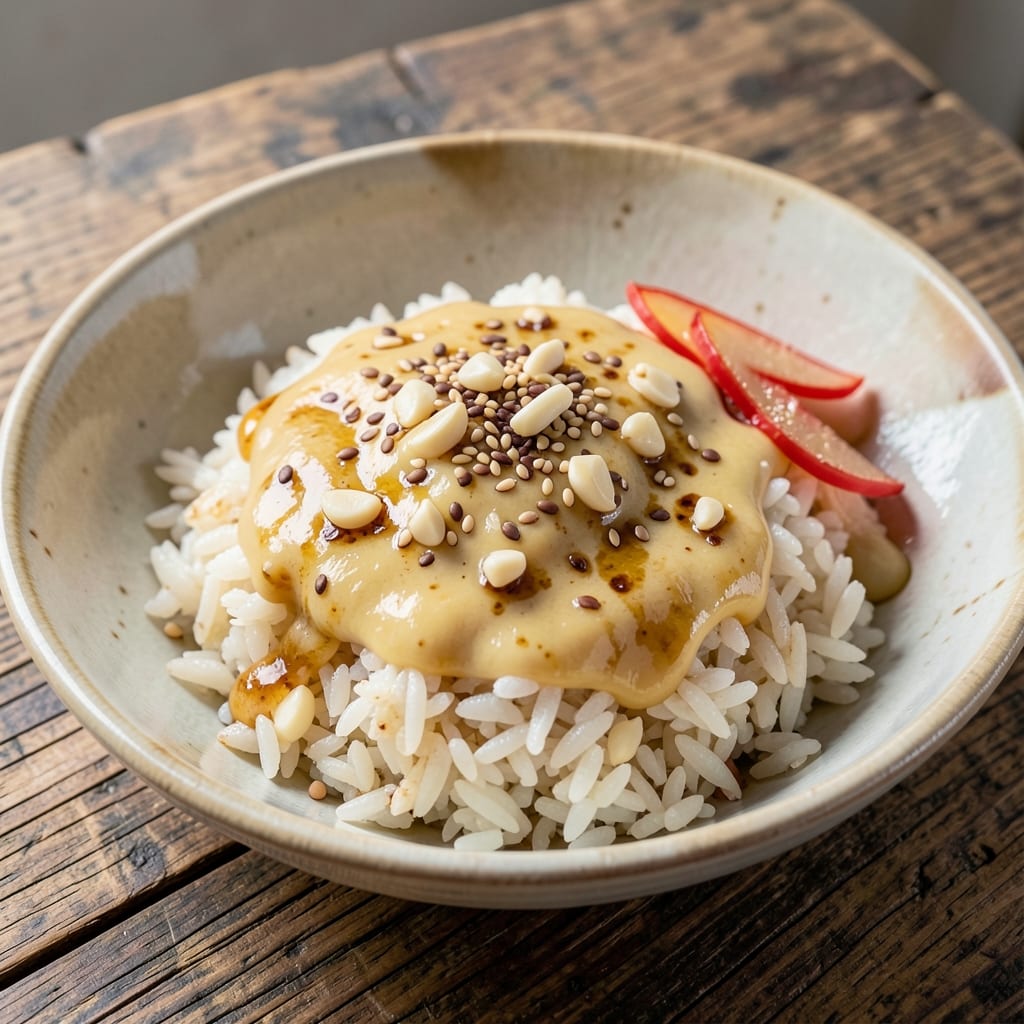
This Asian seasoned rice recipe transforms simple jasmine rice into a fragrant, wok-tossed masterpiece with a toasted sesame finish. The key lies in the aromatic blend of soy sauce, ginger, and garlic that infuses the rice while maintaining its delicate texture. I've perfected this technique over years of cooking for family gatherings, where it consistently disappears from the table first.
The process begins with perfectly cooked rice—neither mushy nor dry—then tossed in a wok with toasted sesame oil and a carefully balanced seasoning blend. What sets this apart is the final step: a quick sear in the wok with toasted sesame seeds, which adds an irresistible nutty aroma and crunch. The result is rice that's both flavorful and visually stunning, ready to elevate any Asian-inspired meal.
What makes this recipe truly special is its versatility—it works as a standalone side or as the base for fried rice, bowls, or bento boxes. The rice absorbs the seasonings beautifully while retaining its individual grains, creating a dish that's both comforting and restaurant-quality. Each bite delivers layers of umami, garlic, and ginger, finished with that signature sesame crunch.
Ready in under 30 minutes, this method ensures you'll never settle for bland rice again. The secret lies in timing and technique—cooking the rice just right, then tossing it while hot to lock in those aromatic flavors. Garnish with fresh scallions or extra sesame seeds for that final touch of elegance. Let's get started on creating rice that will impress even the most discerning palates.
Ingredients for asian seasoned rice
Simple jasmine rice meets bold flavors—this fragrant wok-tossed masterpiece delivers restaurant-quality aroma in minutes.
| Ingredient | Amount | Notes |
|---|---|---|
| Jasmine Rice 🍚 | 1 ½ cups | Uncooked, long-grain preferred |
| Toasted Sesame Oil 🫒 | 1 ½ tbsp | For aroma, not cooking |
| Light Soy Sauce 🥄 | 2 tbsp | High-quality, low-sodium preferred |
| Fresh Ginger 🌿 | 1 tbsp | Finely grated, aromatic |
| Garlic Cloves 🧄 | 3 cloves | Minced, fresh preferred |
| Toasted Sesame Seeds 🥜 | 2 tbsp | For garnish, store-bought or homemade |
| Vegetable Oil 🫒 | 1 tbsp | High smoke point for wok |
| Fresh Scallions 🧅 | 3 whole | Thinly sliced, for garnish |
| White Wine Vinegar 🍶 | 1 tsp | Balances flavors, optional |
| Salt 🧂 | ½ tsp | Kosher or sea salt |
| Black Pepper 🌶️ | ¼ tsp | Freshly ground preferred |
| Sesame Seeds 🥜 | 1 tbsp | Extra for final garnish |
| Water 💧 | 2 ¼ cups | For rice cooking |
The foundation starts with jasmine rice—look for long-grain varieties at Asian markets or the international aisle of most grocery stores. Lotus Foods or Koshihikari brands are excellent choices. For the sesame oil, grab the toasted variety (not regular sesame oil)—it has a deeper, nuttier flavor that's essential for that signature aroma. Fresh ginger and garlic are non-negotiable here; pre-minced jarred versions lack the punch. If you're short on time, Trader Joe's sells pre-minced garlic in tubes that work in a pinch, but fresh is always better. The scallions can be regular green onions or the milder shallots if you prefer a sweeter note.
No toasted sesame oil? Light soy sauce plus a pinch of sugar mimics the umami depth, though it won't have the same aroma. Substitute mirin for white wine vinegar if you're avoiding alcohol—it adds sweetness and balances the acidity beautifully. For the sesame seeds, store-bought toasted seeds are fine, but toasting your own (dry pan, 2-3 minutes) amplifies the flavor dramatically. The vegetable oil should have a high smoke point—avocado or grapeseed oil work well if you're not using sesame oil for cooking. And if you're out of fresh ginger, ginger powder at half the amount works, though it lacks the bright, zesty kick.
Rice keeps best in an airtight container in the fridge for 3-4 days, though it's ideal to eat fresh. For leftovers, reheat gently with a splash of water or soy sauce to restore moisture. The sesame oil and seeds should be stored in cool, dark places—sesame oil oxidizes quickly, so once opened, keep it refrigerated. This rice reheats beautifully for fried rice or bento boxes—just add an egg or extra veggies. For maximum flavor, make it fresh, but the leftovers still shine when reheated properly. Garnish with extra sesame seeds and scallions right before serving to keep everything crisp.
Why You'll Love This Recipe
- One-Pot Magic: I swear by this—just rice, oil, and a few pantry staples tossed together in one pot. No fancy gadgets, no last-minute grocery runs. That fragrant sesame oil alone makes it smell like a restaurant, and honestly? The hardest part is waiting for the rice to finish.
- Umami Bomb: Between the light soy sauce and fresh ginger, this rice packs a punch without being overpowering. The garlic cloves add a little bite that cuts through rich dishes—perfect for balancing spicy stir-fries or grilled meats. I’ll be real: my family fights over the last bite.
- Lunchbox Hero: I make a big batch on Sundays, and it lasts me all week. Cold or reheated, it’s a solid side for anything—sushi bowls, fried chicken, or even just scrambled eggs. The jasmine rice stays fluffy, and the sesame oil keeps it tasting fresh, even after days in the fridge.
- Budget Win: This recipe costs me pennies but feels like a splurge. Toasted sesame oil is the only slightly pricier ingredient, but a little goes a long way. I buy jasmine rice in bulk, and the rest? Basic stuff I already have. It’s the kind of meal that makes me feel smart about my grocery list.
Step-by-step instructions for wok-tossed Asian seasoned rice
Master this technique for perfectly fragrant, toasted sesame-finished rice every time.
🍳 Step 1: Prepare the Rice Base
Rinse the 1.5 cups jasmine rice in a fine-mesh strainer under cold water until the water runs clear. This removes excess starch that would make the rice gummy. Drain well and transfer to a pot with the 2.25 cups water, 0.5 tsp salt, and 0.25 tsp black pepper. Bring to a boil over medium-high heat, then reduce to a simmer, cover, and cook for 15 minutes.
After 15 minutes, remove from heat and let sit covered for 10 minutes. This resting period allows the rice to steam evenly and develop its signature texture. Fluff gently with a fork—you should have perfectly separate grains with a slight sheen, not sticky clumps. If any water remains, drain it through a colander.
👨🍳 Step 2: Build the Aromatic Seasoning Base
Heat the 1 tbsp vegetable oil in a wok or large skillet over medium-high heat until shimmering. Add the 3 cloves minced garlic and 1 tbsp finely grated ginger, cooking for 30 seconds until fragrant but not browned. Add the 2 tbsp light soy sauce and 1 tsp white wine vinegar, stirring constantly for 1 minute until the sauce reduces slightly and coats the pan.
This step develops the foundational flavors. The garlic and ginger should be aromatic but not crispy—burnt aromatics will make the rice taste bitter. Remove from heat and set aside, keeping the wok warm over low heat. The residual heat will help blend the seasoning with the rice.
🍳 Step 3: Wok-Toss the Rice with Seasoning
Add the cooked rice to the wok and spread it evenly. Drizzle the 1.5 tbsp toasted sesame oil over the rice and use a spatula to toss gently but thoroughly. The oil should coat every grain without pooling. Cook for 2-3 minutes, tossing continuously, until the rice is heated through and slightly crispy in spots.
Here's the key: you're not just reheating—you're creating texture. The sesame oil adds nutty aroma while the constant tossing prevents sticking. If the rice begins to dry out, add 1-2 teaspoons water and toss again. The finished rice should be warm, fragrant, and slightly sticky from the sesame oil.
🥘 Step 4: Finish with Toasted Sesame and Garnish
Transfer the rice to a serving platter and sprinkle evenly with 2 tbsp toasted sesame seeds and 1 tbsp sesame seeds. Use a clean kitchen towel to gently press the seeds into the rice—this ensures they adhere and adds both texture and visual appeal. Immediately garnish with 3 whole thinly sliced scallions, fanning them over the top for fresh contrast.
The sesame seeds should be warm from the rice's heat, releasing their nutty aroma. Serve immediately while the rice is still warm and fragrant. The toasted sesame finish elevates simple rice into a flavorful side that complements any Asian-inspired dish.
Pro Tips For Making Asian Seasoned Rice
- TOAST THE GINGER FIRST: I learned this the hard way—raw ginger in sesame oil just smells like medicine. Pulse 1-inch ginger chunks in a food processor until it’s a fine paste, then fry it in the oil until it turns golden (about 30 seconds). That’s when the real flavor unlocks—no more bitter aftertaste.
- USE LESS SOY SAUCE: Light soy sauce is salty stuff. Start with just 1 tablespoon for 2 cups of rice, then taste after mixing. You can always add more, but you can’t undo the salt bomb. Trust me, I’ve cried over over-salted rice.
- STEAM THE RICE COVERED: After cooking the rice, spread it on a tray and drizzle with sesame oil—then cover it with foil for 5 minutes. This traps the steam and keeps every grain separate. Skip this, and you’ll end up with a sad, gluey block.
- MINCE GARLIC FINE: Rough garlic chunks in rice just taste like garlic. Use a microplane or knife to mince it into tiny specks—think confetti, not dice. It blends better and adds aroma without texture. (Yes, even if you’re impatient like me.)
Flavor customization for this asian seasoned rice
Spicy Sesame Kick
For a bold twist, add ½ tsp gochujang (Korean chili paste) or ¼ tsp chili flakes to the wok with the garlic and ginger. The heat pairs beautifully with the nutty sesame. I like to finish with a drizzle of sriracha or chili crisp for extra heat. Balance with a squeeze of lime or extra white wine vinegar to keep flavors bright. 🌶️
Citrus Zing
Brighten the dish with 1 tsp grated lemon or yuzu zest during the wok-toss step. The citrus cuts through the richness of the sesame oil. For a tropical touch, add ½ tsp minced serrano pepper and garnish with thinly sliced Thai basil. This works especially well with grilled proteins or summer rolls.
Umami Depth
Boost the savory profile by adding 1 tbsp fish sauce or 1 tsp miso paste to the soy sauce mixture. For extra richness, stir in 1 tsp toasted peanut powder (blend peanuts into a fine powder) during the final toss. This creates a peanut-sesame fusion that's irresistible with stir-fries or curries.
Herbaceous Freshness
Swap scallions for thinly sliced cilantro or Thai basil to add vibrant freshness. For a Vietnamese-inspired twist, mix ½ tsp minced mint into the rice before serving. The herbs should be added last to preserve their bright flavors against the warm, toasted rice.
Sweet-Savory Balance
Add 1 tsp honey or mirin to the soy sauce mixture for a subtle sweetness that enhances the umami. Finish with crushed peanuts or candied ginger bits for texture contrast. This variation works beautifully with teriyaki-glazed meats or as a side for sushi platters.
Smoky Char
For a smoky depth, char ½ tsp smoked paprika in the wok with the garlic before adding soy sauce. Alternatively, use ½ tsp liquid smoke** (just a drop!) for a quick smoky aroma. Garnish with toasted nori strips for an extra umami punch that complements BBQ or grilled dishes.
Nutrition facts
Frequently asked questions
Can I use basmati rice instead of jasmine?
Basmati rice works beautifully—its nutty aroma pairs wonderfully with the sesame and soy flavors. For best results, use the same 1:1.5 rice-to-water ratio and follow the same cooking method. The grains will be slightly longer, but the texture remains perfect for wok-tossing.
How do I prevent the rice from turning mushy?
Rinse the rice thoroughly to remove excess starch, then cook it with just enough water (2.25 cups for 1.5 cups rice). The key is letting it rest covered for 10 minutes after cooking—this steams the rice evenly. Never stir while cooking, and fluff gently with a fork only after removing from heat.
Can I make this ahead of time?
Yes, but with a few adjustments. Cook and season the rice completely, then store it in an airtight container for up to 2 days. To reheat, spread it on a baking sheet and warm in the oven at 350°F for 5-7 minutes, then toss with extra sesame oil and seeds to restore freshness.
What's the best way to store leftover sesame oil?
Once opened, store toasted sesame oil in a cool, dark place (like the fridge) to prevent oxidation. It keeps for about 3 months this way. For longer storage, freeze it in ice cube trays—just thaw what you need. Regular sesame oil has a longer shelf life (up to 6 months) but lacks the toasted aroma.
How can I make this gluten-free?
Swap the soy sauce for 2 tbsp tamari or coconut aminos (both gluten-free). For extra umami, add 1 tsp gluten-free fish sauce or ½ tsp nutritional yeast. The rest of the recipe remains the same—just ensure all ingredients (like sesame oil) are certified gluten-free.