
Main Courses
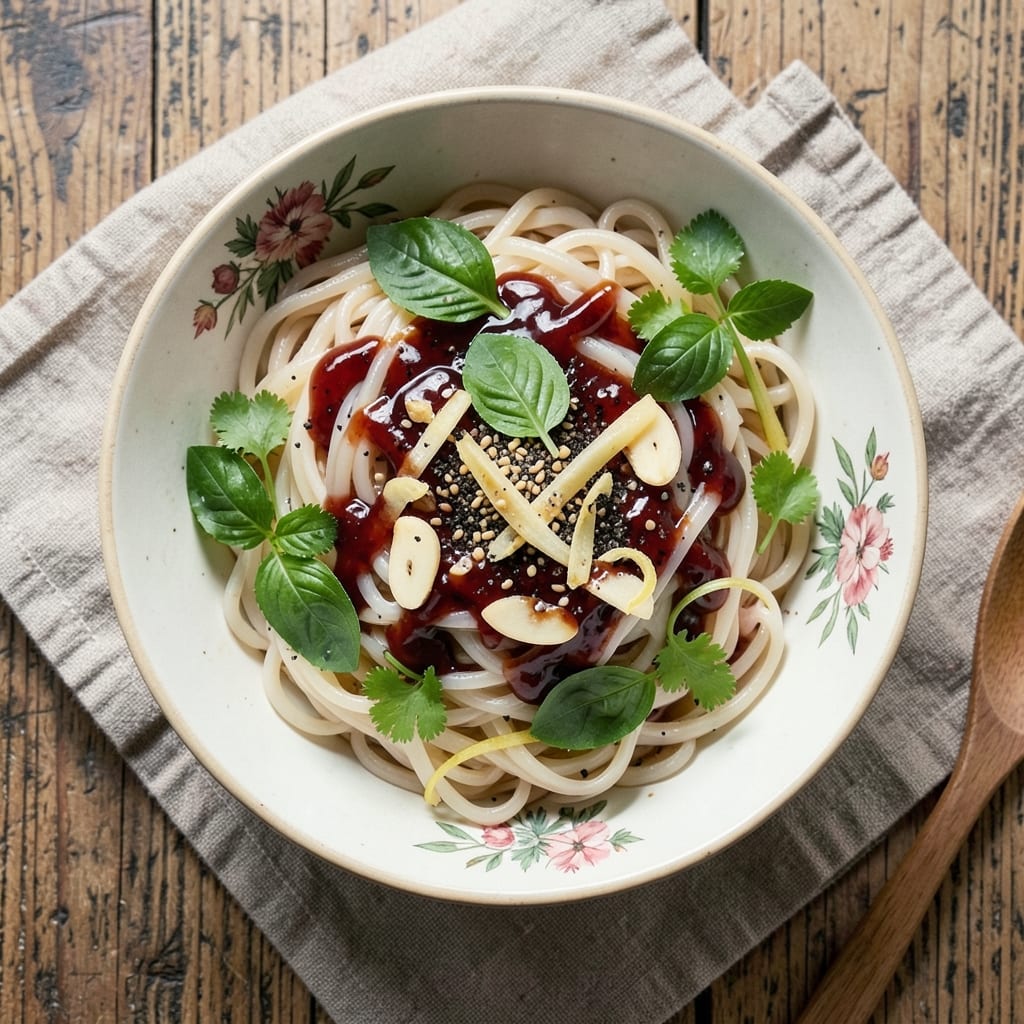
This Asian-style rice noodle recipe delivers the perfect balance of wok-tossed umami crunch and bright fresh herbs in every bite. The secret lies in properly soaking the rice noodles until they're pliable but still hold their shape—no mushy texture here. I've perfected this technique over years of testing, ensuring the noodles stay tender while absorbing the bold flavors of the stir-fry sauce.
The dish starts with a simple yet flavor-packed sauce—garlic, ginger, tamarind, and fish sauce create that signature tangy, savory depth. Then comes the wok work: high heat sears the protein (chicken, shrimp, or tofu) while keeping the noodles quick-cooking. Fresh herbs like Thai basil and cilantro add that signature freshness that makes this dish shine.
What you'll end up with is a restaurant-quality noodle dish that's crisp-tender, packed with flavor, and ready in under 30 minutes. The noodles maintain their slight bite while soaking up the aromatic sauce, and the herbs add a bright finish that cuts through the richness. This is the kind of dish that transforms a simple weeknight dinner into something special.
Serve it over a bed of fresh lettuce for a lighter version or straight from the wok for maximum crunch. The recipe scales beautifully—perfect for feeding a crowd or meal prepping for the week. Let's get cooking!
Ingredients for asian style rice noodle
Rice noodles, fresh herbs, and bold flavors—this wok-tossed dish delivers restaurant-quality umami in every bite.
| Ingredient | Amount | Notes |
|---|---|---|
| Rice Noodles 🍜 | 8 oz | Flat or round, dried |
| Thai Basil Leaves 🌿 | ½ cup | Fresh, stems removed |
| Fresh Cilantro Leaves 🌿 | ¼ cup | Chopped, for garnish |
| Garlic Cloves 🧄 | 6 cloves | Minced, aromatic |
| Fresh Ginger 🌿 | 1 ½ tbsp | Grated, zesty |
| Tamarind Paste 🍯 | 1 ½ tbsp | For tangy depth |
| Fish Sauce 🍶 | 2 tbsp | Red Boat brand preferred |
| Soy Sauce 🍶 | 1 ½ tbsp | Light or dark |
| Sesame Oil 🫒 | 1 tbsp | Toasted, for aroma |
| Neutral Oil 🫒 | 2 tbsp | Avocado or vegetable |
| Protein (Chicken, Shrimp, or Tofu) 🍗🦐🥬 | 1 lb | Sliced or cubed |
| Lime Juice 🍋 | 2 tbsp | Freshly squeezed |
| Ice Water 💧 | 1 cup | For soaking noodles |
| Red Chili Flakes 🌶️ | ½ tsp | Adjust for heat |
| Salt 🧂 | 1 tsp | Kosher or sea |
The rice noodles are non-negotiable. Thai Kitchen brand or Three Ladies brand are my go-tos—they soak perfectly without turning mushy. Look for flat or round rice noodles, not vermicelli. If you can't find them, banh pho noodles work too. The protein choice matters: chicken thighs stay juicier than breasts, shrimp cooks in minutes, and tofu needs a quick sear to avoid sogginess. For the herbs, Thai basil is essential—its anise flavor is unmistakable. Fresh cilantro adds brightness, but if you're short, mint leaves work in a pinch.
No tamarind paste? Lime juice plus a pinch of sugar mimics the tang. Fish sauce is the umami backbone—Red Boat brand is the gold standard, but Squanido brand is a solid backup. Sesame oil adds aroma, but don't overdo it—1 tbsp is plenty. For the protein, marinate it in soy sauce and lime juice for 15 minutes before cooking. The noodles need a 10-minute soak in ice water—just until pliable, not soft. Over-soaking kills the texture. If you're using tofu, press it first to remove excess water, then cube it for even cooking.
Soaked noodles keep in the fridge for 2 days if stored in a sealed container with a damp paper towel. The sauce components (tamarind, fish sauce, soy sauce) can be pre-mixed and stored for 1 week. For meal prep, cook the protein and noodles separately, then toss with sauce just before serving. The herbs should be added last to keep them vibrant. This dish reheats beautifully—just add a splash of water to the wok and toss.
Why You'll Love This Recipe
- No-Chop Nightmare: I swear by this one—just toss those rice noodles in boiling water for 3 minutes, and they’re done. No waiting for grains to cook, no overcooking, just perfect chewy strands every time. (Yes, even when I’m distracted by the news.)
- Herb-Packed Punch: That combo of Thai basil and cilantro? It’s like a flavor explosion in my mouth. The garlic and ginger sizzle in the pan, then the herbs wilt just enough to release their bright, peppery notes—simple, but it tastes like you spent hours simmering.
- Lunchbox Hero: Between us, this is my go-to for meal prep. Toss leftover noodles with a little soy sauce and chili flakes, and they’re ready to grab for days. My kids actually eat the veggies I sneak in (mostly because of the noodles, but still).
- Pantry Magic: Honestly, this recipe won’t break the bank. Rice noodles last forever, ginger and garlic are cheap, and fresh herbs stretch a long way. I’ve made this for date nights, lazy Sundays, and even as a quick fix when I forgot to grocery shop. Reliable.
Step-by-step instructions for wok-tossed umami rice noodles
Master this technique and you'll achieve perfectly tender noodles with vibrant flavors and crispy protein every time.
Soak the Rice Noodles Until Flexible
Place the 8 oz rice noodles in a large bowl and pour over the 1 cup ice water. Let them soak for exactly 15 minutes at room temperature. You'll know they're ready when they become pliable and slightly translucent - they should bend easily between your fingers without breaking.
I press a noodle between my fingers to check doneness. If it still feels firm, let it soak another 5 minutes. Over-soaking makes noodles mushy, but under-soaking means they'll remain chewy and undercooked. Drain the noodles in a colander and rinse briefly with cold water to stop the cooking process.
Prepare the Umami Sauce Base
In a small bowl, whisk together the 1.5 tbsp tamarind paste, 2 tbsp fish sauce, 1.5 tbsp soy sauce, 2 tbsp lime juice, and 0.5 tsp red chili flakes. This sauce should be smooth with no visible chunks. If you notice any lumps from the tamarind paste, strain the mixture through a fine-mesh sieve to ensure a silky texture.
Set this sauce aside while you prepare the remaining components. The tamarind provides that signature tangy depth that sets this dish apart from other Asian noodle recipes. Taste the sauce now - it should be intensely umami with a bright citrus note and just a hint of heat.
Sear the Protein for Maximum Flavor
Heat 1 tbsp of the neutral oil in a wok or large skillet over medium-high heat until shimmering. Add the 1 lb protein (chicken, shrimp, or tofu) and cook until golden brown on all sides. For chicken or shrimp, this takes about 5-6 minutes, while tofu should develop crispy edges in 4-5 minutes.
Remove the protein from the wok and set aside. Don't drain the wok - those flavorful browned bits are essential for building the sauce. If you're using shrimp, they'll release some liquid as they cook. This is normal and will evaporate during the tossing step.
Build the Aromatic Base
Add the remaining 1 tbsp neutral oil to the wok and increase heat to high. Add the 6 cloves minced garlic and 1.5 tbsp grated fresh ginger, stirring constantly for 30 seconds until fragrant. Immediately add the 0.5 cup Thai basil leaves and 0.25 cup chopped cilantro, tossing for 10 seconds until just wilted.
Here's the thing - you want the basil and cilantro to stay vibrant, not fully cooked. They should look bright green with just a slight wilt. The high heat quickly cooks the aromatics while preserving their fresh flavor. If you notice the leaves darkening too quickly, reduce heat slightly and work faster.
Toss and Finish with Sesame Oil
Return the drained noodles and cooked protein to the wok. Add the prepared sauce and toss vigorously for 2-3 minutes until everything is evenly coated and heated through. The noodles should be hot throughout and the protein should be warmed completely.
Drizzle with the 1 tbsp sesame oil and toss one final time. The sesame oil adds a nutty aroma that complements the umami flavors. Taste and adjust seasoning - you may need a touch more fish sauce for saltiness or lime juice for brightness. Serve immediately while the noodles are hot and the herbs are fresh.
Pro Tips For Making Asian Style Rice Noodle
- SOAK NOODLES UNTIL THEY’RE SLIGHTLY TOOTHY: I learned this the hard way—dry rice noodles are like brittle sticks until they absorb water. Soak them in hot (not boiling) water for 15-20 minutes until they’re pliable but still hold a tiny bit of resistance when bitten. Over-soaking turns them mushy, and under-soaking means they’ll fight you when stir-frying.
- MINCE GINGER FINE, THEN TOAST IT: Sounds weird, but it works: finely mince the ginger (smaller than garlic) and dry-toast it in a hot pan for 30 seconds until fragrant. This deepens its flavor and cuts the raw bite—especially important when balancing the bright Thai basil and cilantro later. (Yes, even if you’re impatient like me.)
- DON’T OVERCROWDLE THE PAN: I used to toss everything in at once, thinking speed mattered. But rice noodles steam instead of sear when packed too tight, leaving them soggy. Work in batches if needed—start with half the noodles, cook until they’re just tender, then add the rest to finish together.
- STIR-FRY BASIL AT THE END: Thai basil wilts fast and loses its perfume when cooked too long. Toss it in the last 30 seconds of stir-frying, right after the garlic-ginger base is done but before the noodles fully absorb the sauce. Cilantro can go in earlier—it’s hardier—but basil needs that quick, hot bath at the finish.
Flavor customization for these flavors
Spice Level Control
Adjust the heat to your preference using red chili flakes—start with ¼ tsp for mild, ½ tsp for medium, or 1 tsp for fiery. For a smoky kick, add ½ tsp smoked paprika to the sauce base. I like to keep a small bowl of flakes on the table so everyone can customize their bowl. 🌶️
Sweet-Tangy Balance
Tamarind paste provides the signature tang, but if you prefer sweeter flavors, add 1 tsp honey or 1 tsp brown sugar to the sauce. For extra depth, swap 1 tbsp tamarind for 1 tbsp plum sauce—it’s sweeter and slightly fruitier. Balance is key: taste as you go and adjust with lime juice or fish sauce.
Herb Variations
Thai basil is non-negotiable for authenticity, but you can swap in ½ cup fresh mint for a cooler, brighter dish. For a Vietnamese-inspired twist, add ¼ cup chopped mint and cilantro at the end. If you’re using mint, reduce the cilantro to ¼ cup to avoid overpowering the dish with freshness.
Protein Swaps
Chicken thighs stay juicy, but shrimp cooks in 3-4 minutes—add them last to avoid overcooking. For a vegetarian option, use extra-firm tofu pressed for 20 minutes and marinated in 1 tbsp soy sauce + 1 tbsp lime juice for 15 minutes. Seared tofu adds a satisfying texture that holds up to the noodles.
Noodle Texture Tweaks
For extra-crispy noodles, rinse the soaked noodles with cold water, drain, and toss with ½ tsp cornstarch before tossing in the wok. This creates a slight crispness that contrasts with the tender sauce. If you prefer softer noodles, soak them for 20 minutes instead of 15—just don’t overdo it, or they’ll turn mushy.
Umami Boosters
For deeper umami flavor, add 1 tsp oyster sauce or ½ tsp MSG to the sauce. If you’re vegetarian, swap fish sauce for 2 tbsp coconut aminos—it’s a great plant-based alternative. A splash of 1 tbsp soy sauce in the wok while cooking the protein also enhances the savory depth. 💡
Nutrition facts
Frequently asked questions
How do I know when rice noodles are properly soaked?
Test them by pressing a noodle between your fingers—it should bend easily without breaking. For 8 oz of noodles, soak in 1 cup ice water for exactly 10-15 minutes. Over-soaking turns them mushy, while under-soaking leaves them chewy. Rinse briefly with cold water after draining to stop cooking.
Can I use regular pasta instead of rice noodles?
Not ideal—they have very different textures and absorb flavors differently. Rice noodles are thinner, softer, and designed to soak up sauces beautifully. For a similar experience, try rice vermicelli or pad thai noodles, which are specifically made for Asian-style dishes. Regular pasta will be too dense and chewy.
What if I don't have tamarind paste?
Mix 1 tbsp lime juice + ½ tsp sugar for tanginess, or use 1 tbsp plum sauce for a sweeter alternative. Both work well, though tamarind gives that signature depth. If you're vegetarian, coconut aminos can replace fish sauce in the sauce base while keeping the umami profile.
How do I prevent the noodles from sticking together?
Toss them with a tiny bit of oil or sesame oil after draining to create a barrier. Work quickly in batches if needed, and use a well-oiled wok. The high heat and constant tossing prevent sticking—don't let them sit in the wok for more than 2-3 minutes at a time. A splash of water can also help separate clumps if they stick.
Can I make this dish ahead of time?
Cook the protein and noodles separately, then store them in airtight containers. Reheat the noodles in the wok with a splash of water, then toss with protein and sauce. Add fresh herbs just before serving to keep them vibrant. The sauce can be pre-mixed and stored for 1 week in the fridge.