
Salads
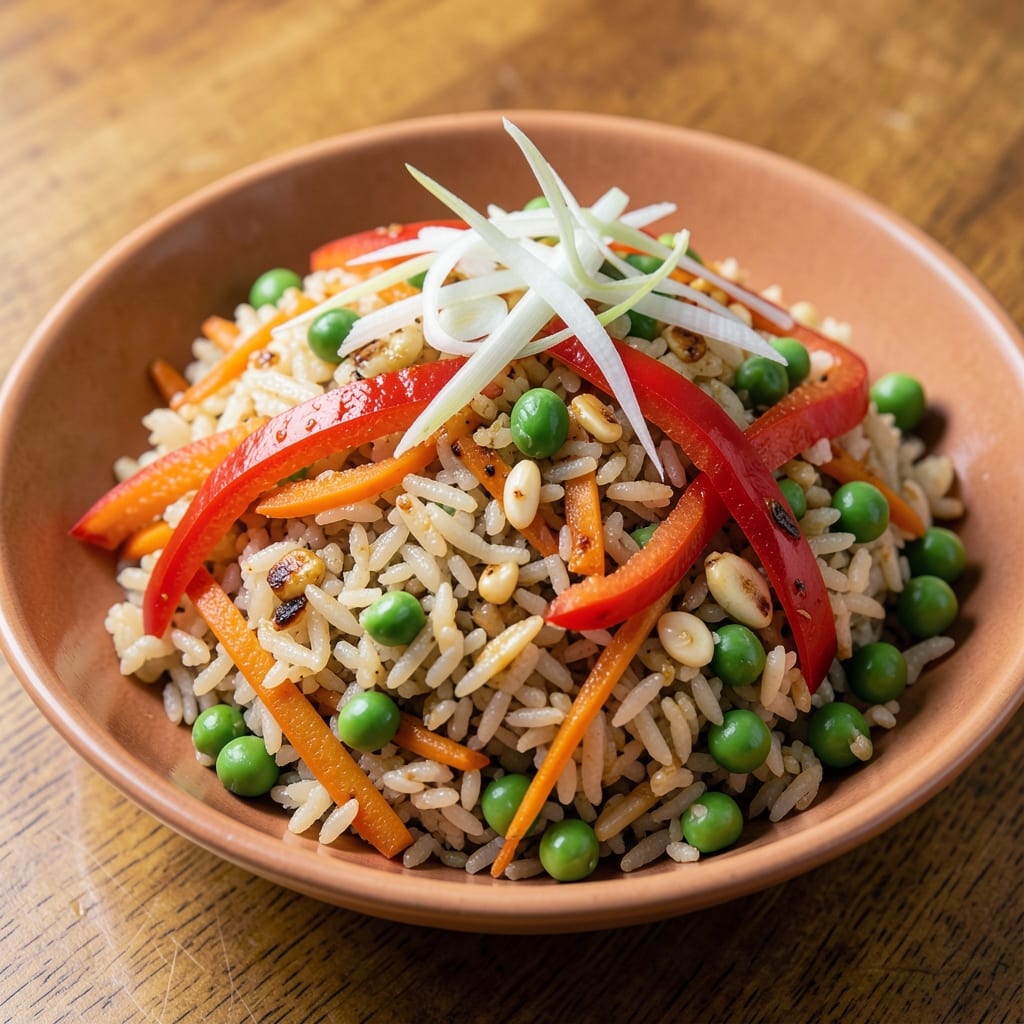
This Asian vegetable fried rice recipe delivers restaurant-quality wok-hei smoke and crunchy edges without the guesswork. 🔥 The secret lies in high-heat stir-frying and a balance of sweet, salty, and umami flavors that transform simple ingredients into a vibrant, satisfying dish. I developed this recipe during a busy week when I needed a quick, nutritious meal that still felt special—it became a staple in my rotation almost immediately.
The foundation starts with day-old jasmine rice, which absorbs flavors beautifully and creates that signature texture. We'll stir-fry a colorful mix of vegetables—carrots for sweetness, bell peppers for crunch, and peas for freshness—alongside garlic, ginger, and scallions for aromatic depth. The sauce is where the magic happens: a combination of soy sauce, sesame oil, and a touch of rice vinegar that delivers that perfect balance of savory and tangy.
What you'll end up with is a fragrant, crunchy-edged fried rice that's packed with texture and flavor in every bite. The wok-hei smoke infuses the dish with a smoky aroma, while the vegetables remain crisp-tender. This recipe is vegetarian-friendly but easily adaptable—add protein like tofu or shrimp if desired. It's the kind of meal that's simple to make but always feels like a celebration.
Perfect for weeknight dinners, meal prep, or bringing to potlucks, this fried rice keeps well in the fridge for up to three days. The flavors only deepen as it sits, making it even more delicious the next day. Let's get cooking!
Ingredients for asian vegetable fried rice
Day-old rice, vibrant vegetables, and aromatic oils—simple ingredients for restaurant-style fried rice.
| Ingredient | Amount | Notes |
|---|---|---|
| Day-Old Jasmine Rice 🍚 | 4 cups | Cooled and separated into grains |
| Carrots 🥕 | 1 ½ cups | Julienned or thinly sliced |
| Red Bell Pepper 🍆 | 1 whole | Thinly sliced, seeds removed |
| Frozen Peas 🌱 | ½ cup | Thawed before cooking |
| Garlic Cloves 🧄 | 4 cloves | Minced finely |
| Fresh Ginger 🌿 | 1 tbsp | Grated finely |
| Green Onions 🧅 | ¼ cup | Sliced thinly, white and green parts |
| Light Soy Sauce 🥢 | 3 tbsp | Kikkoman preferred |
| Sesame Oil 🫒 | 1 tbsp | Toasted sesame flavor |
| Rice Vinegar 🍶 | 1 tbsp | White or seasoned |
| Vegetable Oil 🫒 | 2 tbsp | High smoke point |
| Sesame Seeds 🌰 | 1 tbsp | Toasted for garnish |
| Salt 🧂 | ½ tsp | Kosher or sea salt |
| White Pepper 🌶️ | ¼ tsp | Freshly ground |
The rice is non-negotiable here. Day-old jasmine rice absorbs flavors like a sponge—fresh rice turns mushy. Trader Joe's and Asian markets carry pre-cooked rice if you're short on time, but it's worth cooking your own. For the vegetables, freshness matters most: bright orange carrots with crisp texture, vibrant red bell peppers that haven't started to soften, and frozen peas (they're flash-frozen at peak freshness). The ginger should be firm and aromatic—no woody stems. Buy it fresh from the produce section, not the jarred kind.
No red bell pepper? Yellow or orange bell peppers work just as well—they just change the color palette. Short on fresh ginger? Powdered ginger at half the amount gets you close, but it lacks the zing. The soy sauce can be tamari for gluten-free, but Kikkoman light soy gives that classic umami punch. Sesame oil is a must—Kadoya or La Choy are solid choices. For the oil, vegetable or avocado oil handles the high heat better than olive oil. And if you're feeling fancy, add a dash of fish sauce (vegetarians can use soy sauce instead) for extra depth.
This dish tastes even better the next day—flavors meld overnight. Store in an airtight container for 3-4 days in the fridge. For meal prep, portion into containers with a thin layer of oil on top to keep the rice from drying out. Freezes beautifully for up to 3 months—just thaw in the fridge overnight. The sesame seeds toast in 30 seconds in a dry pan—worth the extra minute for that nutty aroma. And if you're serving a crowd, double the recipe—it disappears fast.
Why You'll Love This Recipe
- No Chopping Chaos: I swear by this trick—just dice the carrots and bell pepper while the wok heats up. No fancy prep, no stress. The day-old rice? Already perfect texture, no soaking needed. Honestly, it’s the kind of meal that lets you actually enjoy dinner instead of standing at the counter.
- Garlic Bomb Flavor: That first sizzle of minced garlic in hot oil? Pure magic. The crispy edges on the rice paired with the sweet crunch of bell pepper and peas—it’s the kind of dish that makes you forget takeout exists. (Yes, even on a Tuesday night.)
- Lunchbox Hero: Pack this cold or reheat it for lunch, and suddenly you’re the office hero. The rice stays separate, the veggies keep their crunch, and it’s got that restaurant-quality balance. My kid even brings it to school—no complaints, just empty containers.
- Pantry Staple Savior: Frozen peas? Check. Leftover rice? Check. A few bucks for carrots and peppers? Check. This recipe turns scraps into a meal without breaking the bank. I’ve made it with whatever’s in the fridge, and it’s always solid. No waste, no guilt.
Step-by-step instructions for Asian vegetable fried rice
Let's transform day-old rice into restaurant-quality fried rice with smoky wok-hei flavor.
🔥 Step 1: Heat the Wok and Prepare the Base
Heat a wok or large skillet over medium-high heat until it's smoking slightly. Add the 2 tablespoons vegetable oil and swirl to coat the surface. Watch for the oil to shimmer—this tells you it's ready for the high-heat cooking ahead. I like to use a carbon steel wok for that authentic wok-hei flavor, but a heavy stainless steel skillet works too.
Add the 4 cloves minced garlic cloves and 1 tablespoon grated fresh ginger and stir for 30 seconds until fragrant. You'll smell that aromatic punch of garlic and ginger—this is where the flavor foundation begins. Be careful not to let them burn, as they'll turn bitter quickly. Once they're golden and sizzling, it's time to add the vegetables.
👨🍳 Step 2: Stir-Fry Vegetables in Stages
Push the garlic and ginger to one side of the wok and add the 1.5 cups julienned carrots to the empty space. Stir-fry for 2-3 minutes until they begin to soften but still maintain a slight crunch. The carrots should be bright orange and just starting to wilt. Don't overcook them—they'll continue cooking with the rice.
Add the 1 whole red bell pepper sliced thinly and stir-fry for another 2 minutes until it loses its raw edge but still holds its shape. The bell pepper should be vibrant red with just a hint of softness. Now add the 0.5 cup thawed frozen peas and toss everything together for 1 minute until the peas are heated through. Remove the vegetables from the wok and set aside—they're ready for the final assembly.
🍳 Step 3: Cook the Rice with Perfect Texture
Return the wok to medium-high heat and add the 4 cups day-old jasmine rice, breaking up any clumps with your spatula. Cook the rice for 3-4 minutes, stirring constantly, until it's heated through and begins to develop those beautiful crispy edges we're after. You'll see the rice grains turning slightly translucent at the edges—that's your signal it's ready.
Here's where the magic happens: add the 3 tablespoons light soy sauce, 0.5 teaspoon salt, and 0.25 teaspoon white pepper. Toss everything together for 1-2 minutes until the rice is evenly coated and the sauce is absorbed. The rice should be hot, flavorful, and slightly sticky but not mushy. If it seems dry, add a splash of water—just enough to create steam and help distribute the flavors.
🥘 Step 4: Finish with Aromatics and Garnish
Return the cooked vegetables to the wok and toss everything together for 1 minute to combine all the flavors. The vegetables should be heated through and the rice should be evenly distributed. Now it's time to add the finishing touches: pour in the 1 tablespoon rice vinegar and 1 tablespoon sesame oil. Toss vigorously for 30 seconds—you'll see the rice glisten as the sesame oil coats each grain.
Finally, sprinkle the 0.25 cup sliced green onions and 1 tablespoon toasted sesame seeds over the top. The green onions add a fresh contrast to the rich fried rice, while the sesame seeds provide a nutty crunch. Taste and adjust seasoning if needed—you might want to add a bit more soy sauce or a pinch of salt to suit your preference. The rice should be perfectly balanced: savory, slightly tangy, with a hint of smokiness from the wok.
Pro Tips For Making Asian Vegetable Fried Rice
- CHOP VEGETABLES UNIFORM: I learned this the hard way—jagged carrots and bell peppers turn to mush before the rice does. Dice them into ¼-inch pieces (or smaller for bell peppers) so everything cooks evenly. No one wants a plate where the carrots are still crunchy and the peppers are sad, overcooked pulp.
- USE HIGH HEAT FIRST: Start with your wok or pan screaming hot—seriously, let it get there before adding oil. This sears the garlic and veggies instantly, locking in flavor instead of steaming them. Once you add the rice, drop the heat to medium-high to avoid burning.
- BREAK UP FROZEN PEAS: Don’t just toss frozen peas straight from the bag—they’ll clump and stay icy. Microwave them for 30 seconds first, then break them apart with your fingers. This ensures they warm through without turning your fried rice into a mushy pea soup.
- SALT THE RICE BEFORE FRYING: Sprinkle a pinch of salt over the day-old rice while breaking it up—it’ll cling better and taste more balanced. I used to skip this, and the dish always felt flat until I tried it. (Yes, even if you’re using soy sauce later.)
Essential equipment for perfect results
Wok Essentials
A carbon steel wok is my go-to for authentic wok-hei flavor—it heats up fast and retains heat beautifully. If you don’t have one, a heavy stainless steel skillet (like All-Clad) works well too. The key is getting it ripping hot before adding oil. I preheat mine over high heat for 3-5 minutes until it’s smoking slightly—this creates that signature smoky aroma. 🔥
High-Heat Tools
For stir-frying vegetables at high speeds, you’ll need a heat-resistant spatula (I use Made In’s bamboo or silicone versions) and a fine-mesh strainer for rinsing rice. A digital thermometer (like Thermoworks) helps monitor wok temperatures—ideal range is 450-500°F. If you’re short on time, a high-powered blender (like Vitamix) can quickly chop veggies like carrots and bell peppers into julienne strips.
Rice Prep Tools
Day-old rice is non-negotiable, so a wide-mouth mason jar (like Ball) or rice paddle (from Asian markets) makes breaking up clumps easy. For even faster prep, a rice cooker (like Zojirushi) lets you cook and store rice in one go. I also keep a small bowl of cold water nearby to rinse rice if it’s too dry—just add a splash while stirring.
Seasoning Must-Haves
Invest in Kikkoman light soy sauce for that classic umami punch and Kadoya toasted sesame oil for nutty depth. A microplane (like OXO) is perfect for grating fresh ginger quickly. For extra flavor, keep white pepper and rice vinegar on hand—both add brightness. A small squeeze bottle helps drizzle sesame oil evenly over the rice at the end. ✨
Garnish Finishing Touches
Toasted sesame seeds need a dry nonstick pan—just heat them over medium for 30 seconds until fragrant. For green onions, a sharp chef’s knife (like Wüsthof) ensures clean slices. I also keep red pepper flakes nearby for a quick spicy kick if needed. A small bowl for mixing garnishes keeps everything organized while plating.
Nutrition facts
Frequently asked questions
Why does my fried rice turn out mushy?
Mushy fried rice usually happens when using fresh rice—it contains too much moisture. Always use day-old rice that's cooled and slightly dry. Break up any clumps before cooking, and stir-fry on high heat for 3-4 minutes to create those crispy edges. If it's still too wet, add a splash of water while cooking to create steam and help distribute flavors.
Can I make this recipe with frozen vegetables?
Frozen vegetables work perfectly—just thaw them first. The peas in this recipe are already frozen, and they add great texture. For other veggies like bell peppers or carrots, spread them on a plate and let them sit at room temperature for 10-15 minutes before cooking. They'll stir-fry just as well as fresh ones!
What's the secret to getting crispy edges on the rice?
The key is high heat and proper timing. Use a carbon steel wok or heavy skillet and heat it until smoking before adding oil. Cook the rice on medium-high heat for 3-4 minutes, stirring constantly. The edges will turn slightly translucent and crispy—this is your signal it's ready. Don't overcrowd the pan, or the rice will steam instead of crisp up.
How can I make this vegetarian fried rice more flavorful?
Boost umami with 1 teaspoon fish sauce substitute (vegetarian versions are available) or add 1 tablespoon mushroom powder to the soy sauce. For extra depth, stir in 1 tablespoon toasted sesame paste or 1 teaspoon nutritional yeast at the end. Fresh herbs like cilantro or Thai basil add brightness too—just sprinkle them on top before serving.
Can I use brown rice or quinoa instead of jasmine rice?
Technically yes, but the texture will differ. Brown rice stays chewier and absorbs flavors differently, while quinoa is smaller and can become mushy. If you try it, use half brown rice and half jasmine rice for better results. For quinoa, cook it until 80% done before stir-frying to prevent overcooking. The recipe works best with jasmine rice for that classic fried rice texture.