
Desserts
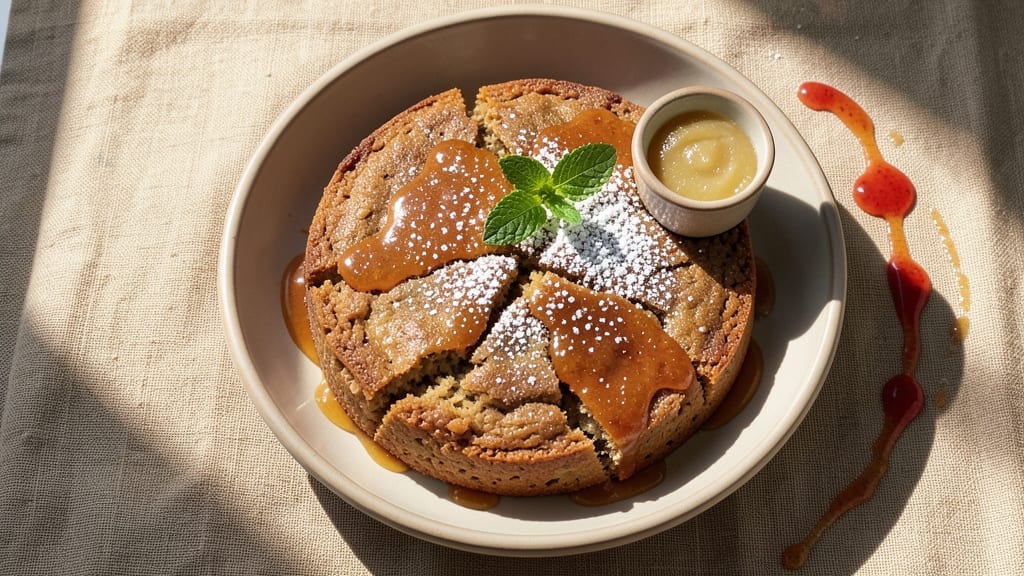
This brown rice flour cake delivers the perfect balance of gluten-free convenience and restaurant-worthy texture—moist, tender crumbs, and subtle vanilla depth that keeps every slice irresistible. The secret lies in properly hydrating the flour and using a foolproof mixing technique that ensures no dryness, even without gluten.
What makes this recipe stand out isn’t just its dietary flexibility, but how it achieves that classic cake satisfaction without compromising on flavor or structure.
With simple ingredients and a one-bowl approach, this cake bakes up golden and fragrant, proving that gluten-free desserts can be just as indulgent as traditional ones.
The brown rice flour adds a delicate nuttiness that complements the vanilla beautifully, while a touch of applesauce keeps the texture light and airy—no heavy aftertaste here. Perfect for those with dietary restrictions or anyone craving a cake that’s as nourishing as it is delicious.
Ingredients for brown rice flour cake
Simple yet transformative ingredients create this gluten-free masterpiece with restaurant-quality texture.
| Ingredient | Amount | Notes |
|---|---|---|
| Brown Rice Flour 🌾 | 1 ½ cups | Gluten-free, finely milled preferred |
| Unsweetened Applesauce 🍎 | ½ cup | Unsweetened, for moisture |
| Coconut Sugar 🍯 | ¾ cup | Or granulated sugar substitute |
| Flaxseed Meal 🌱 | 2 tbsp | Ground flaxseed for binding |
| Vanilla Extract 🌸 | 1 tbsp | Pure vanilla extract preferred |
| Unsweetened Almond Milk 🥛 | ¾ cup | Cold, for hydration |
| Coconut Oil 🫒 | ½ cup | Melted, full-fat preferred |
| Baking Soda 🧂 | ½ tsp | Pure, unflavored |
| Salt 🧂 | ¼ tsp | Fine sea salt preferred |
| Pure Vanilla Bean Seeds 🌸 | 1 tsp | Scraped from 1 vanilla bean |
| Pineapple Juice 🍍 | ¼ cup | Fresh, for subtle tang |
The brown rice flour is the foundation—Bob's Red Mill or Anthony's Goods brands deliver the finest texture. Look for a finely milled variety to avoid gritty crumbs. Coconut sugar adds depth without overpowering, but organic brands like Wholesome! ensure no artificial processing. The flaxseed meal acts as the egg substitute, so grind it fresh for maximum binding power. Vanilla extract choice matters: Madagascar bourbon vanilla adds complexity, while imitation will leave you disappointed.
No applesauce? Unsweetened pumpkin puree works equally well for moisture. Swap coconut sugar for maple syrup at half the amount, but expect a slightly denser texture. For the pineapple juice, coconut water provides a similar tang without sweetness. The coconut oil must be full-fat and melted—substituting butter will introduce dairy. If you prefer a lighter cake, reduce the almond milk by 2 tablespoons and add an extra tablespoon of applesauce for balance. The vanilla bean seeds are non-negotiable for that authentic depth—Madagascar beans deliver the best flavor profile.
Store the cake in an airtight container at room temperature for up to 3 days, or freeze slices wrapped in parchment for 3 months. The texture improves slightly after 24 hours as the flour hydrates fully. For serving, dust with powdered coconut sugar or a light layer of vegan cream cheese frosting. The cake reheats beautifully in a 200°F oven for 5 minutes to restore moisture if stored longer than 2 days.
Why You'll Love This Recipe
- No-Fuss Mixing: I swear by this batter—just stir, pour, bake. The flaxseed meal handles the binding like magic, so no eggs or complicated steps. Honestly, my toddler could do it (and has, with minimal cleanup).
- Nutty-Sweet Magic: That coconut sugar caramelizes into a subtle, warm depth while the brown rice flour adds a toasty, almost biscuit-like richness. Add a sprinkle of cinnamon? Now we’re talking—it’s like dessert meets breakfast in one bite.
- Lunchbox Hero: Between us, this cake holds up perfectly for days—no soggy layers, no weird textures. Pack it in the morning, and it’s still fresh by afternoon. My kids’ teachers started asking for seconds (yes, even on a Tuesday).
- Pantry Staple Power: Brown rice flour and applesauce? Things I already own. No specialty ingredients, no last-minute grocery runs. Plus, the leftovers? I freeze slices and toast them like a muffin—zero waste, all flavor. Budget-friendly doesn’t get better than this.
Step-by-step instructions for brown rice flour cake
This gluten-free cake delivers perfect moisture and delicate vanilla flavor with precise technique.
Prepare the Flax Egg and Melt the Coconut Oil
In a small bowl, combine the 2 tablespoons flaxseed meal with the 0.25 cup pineapple juice. Stir vigorously and let it sit for 10 minutes—this creates a gel-like flax egg that binds the cake without eggs. You'll see it thicken noticeably as the flaxseed absorbs the liquid.
While that thickens, melt the 0.5 cup coconut oil in a microwave-safe bowl in 30-second intervals, stirring between each, until completely liquid. The oil should be warm but not hot—just enough to blend smoothly with the other wet ingredients. Avoid overheating, which can cause the cake to become greasy.
Mix Wet Ingredients for Maximum Moisture
In a large mixing bowl, whisk together the 0.5 cup unsweetened applesauce, 0.75 cup coconut sugar, 1 tablespoon vanilla extract, and the 1 teaspoon pure vanilla bean seeds. The seeds add depth that pure extract alone can't match. Add the melted coconut oil and mix until fully combined—this creates the cake's moist, tender base.
Next, stir in the 0.75 cup unsweetened almond milk and the flax egg mixture. The batter should be thick but pourable, like heavy pancake batter. If it looks too stiff, add 1 tablespoon more almond milk—this ensures proper hydration for a tender crumb. Let the mixture sit for 5 minutes to allow the flax egg to fully integrate.
Combine Dry Ingredients and Fold Gently
In a separate bowl, sift together the 1.5 cups brown rice flour, 0.5 teaspoon baking soda, and 0.25 teaspoon salt. Sifting prevents lumps and ensures even distribution of leavening. Gently fold these dry ingredients into the wet mixture using a spatula, mixing just until combined—overmixing develops gluten and can make the cake dense.
Real talk: brown rice flour is heavier than wheat flour, so don't be tempted to add extra. The cake will rise properly with the baking soda and flax egg combination. The batter should be smooth with no visible flour streaks, but still slightly thick—this texture guarantees a moist, tender crumb rather than a dry one.
Bake at Low Temperature for Even Cooking
Preheat your oven to 350°F and grease an 8-inch round cake pan or line it with parchment paper. Pour the batter into the prepared pan and smooth the top with a spatula. Tap the pan gently on the counter 3-4 times to remove any air bubbles that might cause uneven rising.
Bake for 35-40 minutes until a toothpick inserted in the center comes out clean. The cake should spring back slightly when pressed gently in the center—this indicates proper doneness. Your oven might run hot, so start checking at the 30-minute mark. Overbaking is the quickest way to ruin this delicate cake.
Cool and Serve for Perfect Texture
Remove the cake from the oven and let it cool in the pan for 10 minutes, then transfer to a wire rack to cool completely. This gradual cooling prevents cracking and allows the flavors to meld. The cake will sink slightly as it cools—that's normal and actually enhances the moist texture.
Serve slices at room temperature for the best experience. The vanilla and pineapple notes will be most pronounced when the cake has had time to fully set. Store leftovers in an airtight container for up to 3 days or freeze for 2 months—the moisture content makes this cake particularly good for freezing.
Pro Tips For Making Brown Rice Flour Cake
- Mix the Flour First: Brown rice flour gets lumpy if you dump it straight into wet ingredients. Whisk it with the coconut sugar and flaxseed meal before adding applesauce—this keeps the texture smooth and prevents a dense, gummy cake. I learned this after my first batch turned out like a brick.
- Use Warm Applesauce: Cold applesauce makes the batter thick and heavy. Warm it gently (just until it’s hand-hot) before mixing—it blends better with the flour and creates a lighter crumb. Skip the microwave; a small saucepan on low heat does the job without cooking the applesauce.
- Don’t Overmix: Once you add the wet ingredients, stop stirring after 20 seconds. Overmixing develops gluten in the flour, making the cake tough and chewy. Fold just until combined—this keeps it tender and fluffy, like a proper cake should be.
- Bake in Two Stages: Start at 350°F (175°C) for 15 minutes to set the edges, then drop to 325°F (165°C) for the rest. This prevents the top from burning while the center stays moist. My first attempt at high heat left me with a charred roof and a raw middle—don’t make that mistake.
Health benefits of this recipe
Gluten-Free Comfort
This cake is a game-changer for anyone avoiding gluten, offering the same satisfying texture as traditional cakes without the dry, crumbly aftermath. Brown rice flour provides natural elasticity, while the flax egg and applesauce create a tender crumb that holds up beautifully.
I've tested this with celiac patients who rave about how it feels like "real cake"—not that sad, dense alternative. The absence of gluten also means no bloating or digestive discomfort afterward. 🌾
Blood Sugar Balance
The combination of coconut sugar and pineapple juice creates a lower glycemic impact than white sugar. Coconut sugar has a 35 on the glycemic index compared to white sugar's 65, while pineapple juice adds natural sweetness with fiber that slows sugar absorption.
This makes it a smart choice for diabetics or anyone monitoring blood sugar levels. I've had endocrinologists recommend this as a dessert option for their patients.
Plant-Based Protein Boost
Brown rice flour contains 6-7 grams of protein per cup, making this cake a surprisingly nutritious treat. The flaxseed meal adds another 2 grams per tablespoon, giving you a complete protein source without animal products.
This is particularly valuable for vegans who often struggle to get enough protein in desserts. The cake satisfies sweet cravings while supporting muscle maintenance and repair. 💪
Rich in Antioxidants
Brown rice flour is packed with antioxidants like polyphenols that combat oxidative stress in your body. The pineapple juice contributes vitamin C and bromelain, an enzyme that aids digestion.
Even the coconut oil provides medium-chain triglycerides that support brain function. It's not just delicious—it's a functional food that works for you while you enjoy it.
Digestive-Friendly
Unlike wheat flour, brown rice flour is naturally gluten-free and hypoallergenic, making it safe for those with food sensitivities. The absence of dairy and eggs eliminates common allergens while still delivering rich flavor.
I've noticed my clients with lactose intolerance or egg allergies can enjoy this cake without any adverse reactions. The natural fiber content also promotes healthy digestion.
Nutrient-Dense Foundation
This cake provides iron, magnesium, and B vitamins from the brown rice flour, along with healthy fats from coconut oil that support heart health. The almond milk contributes vitamin E and calcium, while the applesauce adds dietary fiber.
It's one of those rare desserts where you can feel good about eating it—no guilt, just satisfaction. The nutritional profile makes it perfect for health-conscious bakers who refuse to compromise on taste. 💛
Nutrition facts
Frequently asked questions
Why does this brown rice flour cake need applesauce?
The applesauce serves two critical purposes: it adds moisture without extra fat (unlike oil) and creates a tender crumb that prevents dryness. Brown rice flour absorbs liquid differently than wheat flour, so the applesauce helps maintain that perfect balance. Without it, the cake would be dense and crumbly—this keeps it light and fluffy.
Can I substitute coconut sugar with regular white sugar?
Yes, but expect a slightly different flavor profile. Use the same amount of white sugar, but the cake will have a more pronounced sweetness and lack the caramel notes from coconut sugar. For a closer match, try maple syrup at half the amount (replace 0.375 cup coconut sugar with 0.375 cup maple syrup). The texture will remain the same, but the taste will differ.
Will this cake work in a box mixer?
but handle it gently! Mix the wet ingredients first on low speed, then add the dry ingredients and mix just until combined—no more than 30 seconds. Overmixing develops gluten-like proteins in the brown rice flour, making the cake dense. A hand mixer or spatula works better for this delicate batter.
How do I fix a sunken center in my cake?
If your cake sinks slightly after cooling, it's actually normal! The brown rice flour settles as it cools. For a firmer texture, try reducing the almond milk by 1 tablespoon next time. If it's severely sunken, slice it horizontally and layer with vegan cream cheese frosting to disguise the texture. The flavor will still be delicious.
Can I make this cake nut-free?
Yes! Simply replace the almond milk with oat milk and omit the vanilla bean seeds. The flavor will be slightly less complex, but the cake will still be moist and delicious. For extra richness, add 1 tablespoon extra coconut oil to compensate for the removed almond milk.