
Desserts
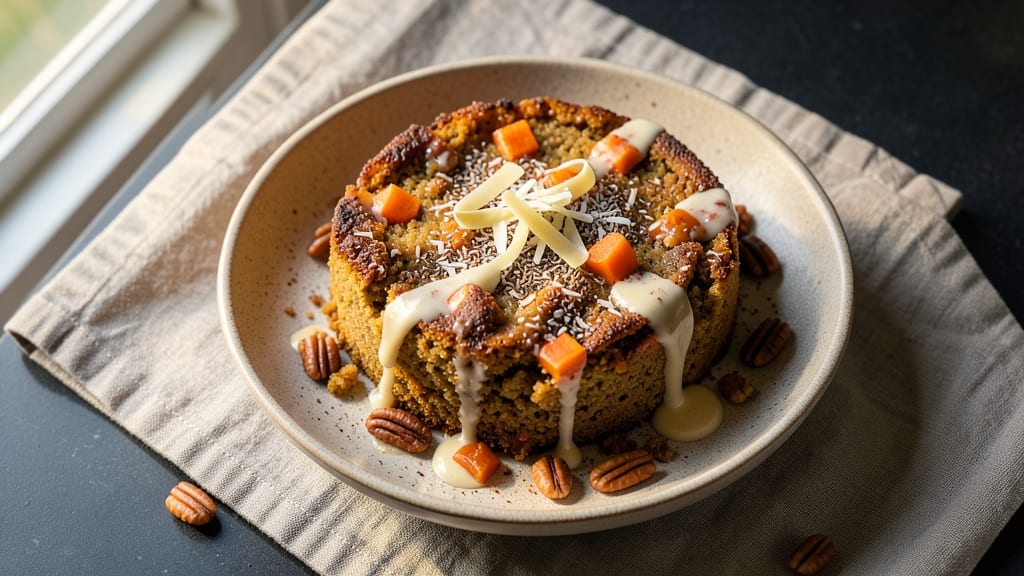
This brown rice flour carrot cake recipe delivers the perfect balance of moist crumb and warm spice harmony without traditional flour or dairy. The secret lies in brown rice flour's ability to create a tender, gluten-free texture while absorbing moisture beautifully—ideal for a cake that stays fresh for days.
What sets this recipe apart is its vegan-friendly approach, using flax eggs and coconut oil to bind and enrich the batter. The result is a cake with a subtle nutty depth from the rice flour, perfectly complementing the classic carrot flavor and cinnamon warmth.
Each slice offers a moist, satisfying bite that rivals traditional recipes.
Ingredients for brown rice flour carrot cake
Gluten-free flours, plant-based oils, and warm spices create this vegan carrot cake’s signature moist crumb.
| Ingredient | Amount | Notes |
|---|---|---|
| Brown Rice Flour 🌾 | 1 ½ cups | Gluten-free, finely milled preferred |
| Granulated Sugar 🍚 | 1 cup | Organic preferred for cleaner flavor |
| Coconut Oil 🫒 | ¾ cup | Melted, full-fat for richness |
| Unsweetened Almond Milk 🥛 | 1 cup | Vanilla extract added for depth |
| Flaxseed Meal 🌱 | 3 tbsp | Ground flaxseed for flax eggs |
| Water 💧 | ¼ cup | For flax egg mixture |
| Ground Cinnamon 🌿 | 2 tsp | Freshly ground for warmth |
| Ground Ginger 🌶️ | 1 tsp | Freshly ground preferred |
| Ground Nutmeg 🌿 | ½ tsp | Freshly grated for depth |
| Salt 🧂 | ½ tsp | Fine sea salt preferred |
| Baking Soda 🧪 | 1 tsp | Pure, aluminum-free |
| Carrots 🥕 | 2 cups | Grated, fine texture preferred |
| Raisins 🍇 | ½ cup | Chopped, optional for texture |
| Walnuts 🥜 | ½ cup | Chopped, toasted for crunch |
| Vanilla Extract 🌸 | 1 tbsp | Pure, high-quality preferred |
The brown rice flour is non-negotiable here—it’s the secret to that tender, gluten-free crumb. Bob’s Red Mill or Anthony’s Goods are my go-tos, but any fine grind works. For the coconut oil, full-fat is a must—it adds richness without dairy. If you’re worried about coconut flavor, don’t be: the warm spices and carrots balance it perfectly. The almond milk? Vanilla-infused makes all the difference—skip the plain kind. For the flax eggs, mix the meal and water first, let it sit for 5 minutes to thicken. Pro tip: toast the walnuts in a dry pan for 3 minutes before chopping—they’ll add a deeper flavor.
No almond milk? Oat milk or soy milk work too, but vanilla extract is key for that classic carrot cake aroma. Swapping the brown rice flour? White rice flour or oat flour at a 1:1 ratio keeps it gluten-free, but texture may vary slightly. Freshly grated carrots are ideal, but pre-shredded from the bag works in a pinch. For the raisins, chopped dried cranberries add a tangy twist. The spices? Pre-ground is fine, but freshly grinding cinnamon and ginger (if you’ve got a spice grinder) takes this to the next level. No vanilla extract? A teaspoon of vanilla sugar or even a scraped vanilla bean pod works.
This cake keeps beautifully—3-4 days in an airtight container at room temperature or up to 1 week in the fridge. For longer storage, freeze slices wrapped tightly for up to 3 months. The batter can be prepped ahead and refrigerated for 24 hours before baking. If you’re making it for a crowd, double the recipe—it bakes in the same 9x13 pan. The walnuts and raisins can be added fresh after baking for extra crunch if you prefer.
Why You'll Love This Recipe
- I’ll be real: this recipe uses things I already have. No weird substitutions, no last-minute grocery runs. The sugar and coconut oil are cheap, the almond milk lasts forever, and the rice flour? I buy it in bulk for other recipes anyway. Zero waste, all win.
- No Mixer Needed: I swear by this recipe when my blender’s out of commission. Brown rice flour and almond milk blend into a smooth batter with just a whisk—no clumpy mess, no fuss. The flaxseed meal even adds that subtle eggy texture without needing a separate binding step.
- Nutty-Sweet Magic: Honestly, the coconut oil and brown rice flour give this cake a depth you’d never expect. It’s got that caramelized edge from the sugar, but the rice flour keeps it moist without tasting like cardboard. (Yes, even on a Tuesday night.)
- Lunchbox Hero: Between us, this cake holds up perfectly for meal prep. Slice it into squares, wrap in parchment, and toss in a bag—no soggy layers, no weird textures. My kids grab these like they’re store-bought, and I’m not even kidding.
Step-by-step instructions for brown rice flour carrot cake
This method ensures a perfectly moist crumb with warm spice harmony every time.
Prepare the Flax Egg and Mix Wet Ingredients
In a small bowl, whisk together the 3 tablespoons flaxseed meal and 0.25 cup water. Let it sit for 5 minutes until it thickens into a gel-like consistency—this is your flax egg substitute. The mixture should resemble raw egg whites in texture.
In a separate large bowl, combine the 0.75 cup melted coconut oil, 1 cup granulated sugar, and 1 tablespoon vanilla extract. Whisk until fully blended and smooth. The sugar should dissolve completely, creating a silky base for the batter. This step ensures even distribution of flavor throughout the cake.
Combine Dry Ingredients and Fold in Moisture
In a medium bowl, sift together the 1.5 cups brown rice flour, 2 teaspoons ground cinnamon, 1 teaspoon ground ginger, 0.5 teaspoon ground nutmeg, 0.5 teaspoon salt, and 1 teaspoon baking soda. Whisk gently to break up any lumps in the flour—this prevents a dense texture in the final cake.
Gradually add the dry mixture to the wet ingredients while stirring on low speed with an electric mixer. Mix just until combined—overmixing develops gluten and makes the cake tough. Once incorporated, fold in the flax egg mixture until fully blended. The batter should be thick but pourable, similar to traditional cake batter.
Incorporate Vegetables and Add-Ins
Grate the 2 cups carrots using a box grater or food processor for a fine, uniform texture. Fold them into the batter along with the 0.5 cup chopped raisins and 0.5 cup toasted walnuts. Distribute everything evenly—this ensures balanced flavor and texture in each slice. The carrots add natural sweetness and moisture, while the walnuts provide a delightful crunch.
Finally, gently stir in the 1 cup unsweetened almond milk until just combined. The batter should be thick but spreadable. Avoid overmixing at this stage—any additional stirring could compromise the cake's tender crumb. The almond milk enhances the cake's richness while keeping it light.
Bake to Golden Perfection
Preheat your oven to 350°F and grease an 8-inch round cake pan or line it with parchment paper. Pour the batter into the prepared pan and smooth the top with a spatula. Bake for 35-40 minutes until a toothpick inserted in the center comes out clean and the edges are light golden brown.
The cake should spring back slightly when pressed gently in the center—this indicates it's fully baked but still moist. If the top browns too quickly, tent the pan with foil after 20 minutes to prevent over-browning while allowing the center to cook through. The warm spices will infuse the cake with their signature aroma as it bakes.
Pro Tips For Making Brown Rice Flour Carrot Cake
- Mix the Batter Dry First: The flaxseed meal and brown rice flour are not forgiving—if you add the almond milk too soon, you’ll end up with a gummy mess. Whisk the dry ingredients (flour, sugar, flaxseed meal) together first, then slowly pour in the coconut oil and almond milk while stirring. This keeps the texture light and prevents clumping—trust me, I’ve seen the aftermath of rushing this step.
- Preheat Pan and Grease Well: Brown rice flour cakes stick like glue if you skip this. Preheat your pan to 350°F (175°C) for 10 minutes, then coat it with coconut oil and line it with parchment paper—yes, even if you’re using a nonstick pan. The oil alone won’t cut it; the paper ensures easy release, and I’ve had to pry apart cakes that refused to budge when I skipped this.
- Don’t Overmix the Wet Ingredients: Once you start folding in the grated carrots and any wet add-ins (like applesauce if you’re using it), stop mixing the second everything’s just combined. Overworking the batter makes brown rice flour dense and tough—it’s already a challenge to keep it moist. Two or three gentle folds is all it takes; I learned this after a cake that tasted like a brick.
- Bake Until the Center Really Springs Back: This isn’t a conventional cake—it needs a toothpick test and a finger check. Insert a toothpick; if it comes out clean but the center still looks slightly underdone, tent the cake with foil and bake another 5–7 minutes. The texture should spring back when pressed, not feel gummy or wet. I’ve pulled cakes out too soon, only to have them collapse later—don’t be impatient.
Pro cooking tips for this recipe
Flax Egg Mastery
The flax egg is the backbone of this vegan carrot cake, and getting it right makes all the difference. Mix 3 tablespoons ground flaxseed meal with ¼ cup water—let it sit for exactly 5 minutes until it thickens into a gel-like consistency (it should resemble raw egg whites).
I’ve found that using Bob’s Red Mill flaxseed meal gives the best texture, but any finely ground flax works. Pro tip: If your flax egg isn’t thick enough, add 1 extra teaspoon of water and wait another 2 minutes. 🌱
Brown Rice Flour Secrets
Brown rice flour is gluten-free but behaves differently than all-purpose flour. Sift it first to avoid lumps, which can create dense pockets in your cake. For a lighter texture, I recommend using fine-ground brown rice flour (like Anthony’s Goods).
If you’re substituting, a 1:1 ratio with white rice flour works, but the flavor will be slightly milder. Always measure flour by weight if your scale is accurate—1.5 cups by volume can vary by up to 20 grams between brands. 🌾
Spice Blending Tricks
The warm spices in this cake—cinnamon, ginger, and nutmeg—need to be fresh for maximum flavor. I grind my own spices using a spice grinder for the best results, but pre-ground spices work in a pinch.
For extra depth, toast the ginger and cinnamon in a dry pan for 1 minute before grinding—this enhances their aromatic oils. If you’re sensitive to spice heat, reduce the ginger to ½ teaspoon and add ¼ teaspoon of cardamom for a floral note. 🌿
Batter Consistency Control
The batter should be thick but pourable—like pancake batter consistency. If it’s too thin, add 1-2 tablespoons more brown rice flour; if too thick, stir in 1 tablespoon almond milk.
Overmixing is the enemy here, so use a spatula or rubber scraper to gently fold in the grated carrots, raisins, and walnuts. I like to hand-mix the wet ingredients first to avoid activating the baking soda too early, which can make the cake rise unevenly. 🥄
Oven Temperature Tips
Preheat your oven to 350°F and let it stabilize for 10-15 minutes before baking. For even heat distribution, place a small baking sheet on the lower rack to catch any drips. If your oven runs hot, tent the cake with aluminum foil after 20 minutes to prevent over-browning.
I test for doneness by inserting a toothpick—it should come out with a few moist crumbs, not wet batter. The cake is done when the edges pull away slightly from the pan and the center springs back when pressed. 🔥
Post-Bake Perfection
Let the cake cool in the pan for 10 minutes before transferring it to a wire rack. This prevents it from collapsing.
For extra moisture, brush the warm cake with a simple glaze made from ¼ cup powdered sugar + 1 tablespoon almond milk, then let it set for 30 minutes.
If you’re adding a cream cheese frosting (vegan or otherwise), wait until the cake is completely cool to avoid melting. I often slice the cake while still slightly warm for the best texture—it’s more tender and easier to serve. 🍰
Nutrition facts
Frequently asked questions
Why use brown rice flour instead of regular flour in carrot cake?
Brown rice flour creates a naturally gluten-free, moist crumb with a subtle nutty flavor that complements carrots beautifully. It absorbs moisture better than white flour, keeping the cake tender for days. Plus, it's a great egg/dairy-free alternative that works perfectly with flax eggs and coconut oil.
Can I make this cake without walnuts or raisins?
Skip the walnuts for a nut-free version, or substitute with chopped pecans or toasted pumpkin seeds for crunch. Omit the raisins entirely or replace with chopped dried cranberries for a tangy twist. The cake will still be delicious—just adjust the texture preference.
How do I know when the cake is fully baked?
The cake is done when a toothpick inserted in the center comes out with a few moist crumbs (not wet batter) and the edges pull away slightly from the pan. Bake for 35-40 minutes at 350°F, but check at 30 minutes—ovens vary! The top should be golden with a slight spring when pressed gently.
Will this cake taste like rice? And how can I make it sweeter?
The brown rice flour adds a very mild, nutty depth—not a rice taste. For extra sweetness, increase the sugar to 1.25 cups or add ¼ cup maple syrup to the wet ingredients. A cream cheese frosting (vegan or dairy) also enhances sweetness beautifully. The carrots and spices balance any adjustments perfectly.
Can I bake this in a different pan size?
Yes! For an 8-inch round pan, bake 35-40 minutes. Use a 9x13-inch pan? Reduce baking time to 25-30 minutes (check at 20 minutes). For a 6-inch pan, bake 45-50 minutes. Always adjust for your oven—smaller pans bake longer, while larger ones need less time. Grease pans well to prevent sticking.