
Beverages
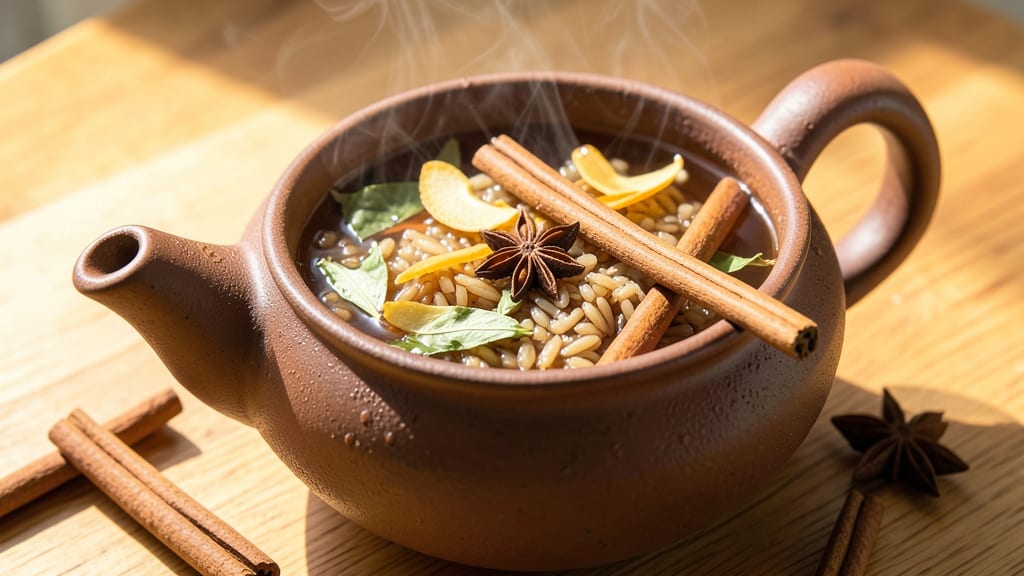
This brown rice tea recipe delivers earthy warmth and golden infusion in every sip, blending traditional comfort with modern adaptability. 🌾 The secret lies in fermenting or steeping brown rice with tea leaves, creating a beverage that's both grounding and invigorating—perfect for sipping mindfully or pairing with light meals.
I developed this version after discovering how fermented rice tea revitalizes energy while soothing digestion, a staple in Asian wellness traditions.
The process is simpler than it sounds: toasted brown rice and tea leaves infuse with hot water, either steeped for a lighter flavor or fermented for deeper complexity.
You can customize it with cinnamon, ginger, or honey to suit your taste, making it equally at home as a morning ritual or an afternoon pick-me-up. The result is a beverage that's naturally caffeine-free yet rich in umami depth.
What makes this recipe stand out is its versatility—serve it hot for cozy evenings or chilled over ice for summer refreshment. The fermented version develops a tangy, almost yogurt-like richness over time, while the steeped version offers a milder, more approachable profile.
Whether you're exploring traditional wellness practices or seeking a unique tea alternative, this recipe delivers.
Pair it with vegan pastries or enjoy it solo for a moment of quiet indulgence. The key is patience: let the flavors meld fully, and you'll uncover a beverage that's both comforting and unexpectedly sophisticated. Here's how to craft it perfectly.
Ingredients for brown rice tea
Golden rice grains meet tea leaves for a comforting, caffeine-free elixir that's both grounding and invigorating.
| Ingredient | Amount | Notes |
|---|---|---|
| Short-Grain Brown Rice 🌾 | 1 cup | Unpolished, organic preferred |
| Green Tea Leaves 🍵 | 2 tbsp | Loose-leaf, high quality |
| Fresh Ginger Root 🧅 | 1 inch | OR 1 tbsp grated fresh ginger |
| Fresh Ginger Root 🧅 | 1 tbsp | Grated for infusion |
| Cinnamon Sticks 🌿 | 2 whole | Ceylon preferred for mildness |
| Star Anise Pods 🌟 | 2 whole | Whole, lightly crushed |
| Pure Maple Syrup 🍯 | 2 tbsp | Grade A for floral notes |
| Filtered Water 💧 | 4 cups | Spring water preferred |
| Organic Honey 🍯 | 1 tbsp | OR agave syrup for vegan |
| Sea Salt 🧂 | ¼ tsp | Fine grain, unrefined |
| Lemon Juice 🍋 | 1 tbsp | Freshly squeezed |
| Ice Cubes ❄️ | 1 cup | For chilled version |
The brown rice is the heart of this recipe—short-grain varieties like jasmine or black rice work best for their natural sweetness and chewy texture. Toast it lightly in a dry pan until nutty-smelling before adding water (about 2 minutes), which deepens the flavor profile. Whole Foods or local Asian markets carry the best quality unpolished rice, but any organic brand will do. Green tea leaves should be loose-leaf, not bagged—Marukyu or Docha brands deliver the most complex flavor. Fresh ginger is non-negotiable here; pre-grated loses potency fast, so buy a small knob and grate it yourself. For cinnamon, Ceylon sticks add warmth without overpowering, while regular cassia can be strong. Star anise adds depth but use sparingly—it's bold!
No fresh ginger? Substitute with 1 tsp ground ginger, but it won't be as vibrant. Running low on maple syrup? Date syrup or coconut sugar works in a pinch, though the flavor will differ slightly. The honey is optional but adds a lovely floral note—if omitting, increase maple syrup by 1 tbsp. For a caffeine-free version, swap green tea for rooibos or chamomile. The lemon juice brightens everything, but if you prefer tangier, add a splash of yuzu juice if available. For the fermented version, reduce honey to 1 tsp and let sit at room temperature for 24-48 hours before refrigerating. The longer it ferments, the tangier it becomes—like a golden kombucha!
This tea keeps beautifully—1 week refrigerated or 3 months frozen in airtight jars. For the fermented version, taste daily after the first 24 hours; it develops a yogurt-like tang that's surprisingly addictive. I like to freeze it in ice cube trays for easy single servings—just pop one into a glass and top with hot water. The steeped version stays fresh for 5 days in the fridge, but the flavor peaks after 24 hours. Store the dry spices (cinnamon, star anise) in a cool, dark place for up to 6 months. The toasted rice can be prepped ahead and stored in the freezer for 2 weeks—just add hot water when ready to steep.
Why You'll Love This Recipe
- Five-Ingredient Magic: I swear by this one—just rice, tea, ginger, and cinnamon. No fancy tools, no stress, and honestly, the hardest part is waiting for it to steep.
- Warm & Earthy Kick: That fresh ginger and cinnamon? It’s like a cozy hug in a cup. The brown rice adds a nutty depth, while the green tea keeps it bright—no bitterness, just pure satisfaction.
- Office or Oasis: Make a big batch on Sunday, and you’ve got your week covered. I keep it in the fridge for iced tea or reheat it for a quick morning pick-me-up—works at my desk or on a picnic blanket.
- Budget Bright Spot: Short-grain brown rice is cheap, and you can reuse the tea leaves for a second steep. Between us, this is my go-to when I’m low on cash but still want something special—no guilt, all flavor.
Step-by-step instructions for earthy brown rice tea
Here's how to craft this soothing, aromatic tea that balances rice's earthiness with bright, spiced notes.
👨🍳 Step 1: Toast the Rice and Spices for Depth
In a dry, heavy-bottomed saucepan over medium heat, add the 1 cup short-grain brown rice and toast for 3-4 minutes until fragrant and lightly golden. This step develops nutty flavors and prevents a raw taste in your tea. Listen for the rice to pop gently—it should smell toasty, like warm breadcrumbs.
Remove the rice and add the 2 whole cinnamon sticks and 2 whole star anise pods to the same pan. Toast these spices for 1 minute until they release their essential oils and fill your kitchen with warm, aromatic steam. Be careful not to burn them—they should smell sweet and spicy, not bitter. Transfer all toasted ingredients to a bowl and set aside.
🍳 Step 2: Infuse the Water with Ginger and Tea
In the same saucepan, combine the 4 cups filtered water and the 1 inch fresh ginger root. Bring to a boil over high heat, then reduce to medium-high and simmer for 5 minutes to extract the ginger's fiery kick. You'll see bubbles form around the ginger and smell its sharp, citrusy aroma.
Remove the ginger and add the 2 tbsp green tea leaves and the toasted rice-spice mixture. Reduce heat to low and let it steep for 20-25 minutes. The tea should develop a rich, amber color and smell like a cozy apothecary—earthy rice, floral tea, and warm spices. If you prefer stronger tea, steep for 5 minutes longer.
🥘 Step 3: Sweeten and Season to Perfection
Strain the tea through a fine-mesh sieve or cheesecloth into a clean pitcher, pressing gently on the solids to extract every last drop of flavor. Return the liquid to the saucepan and stir in the 2 tbsp pure maple syrup and 1 tbsp organic honey until fully dissolved. The sweetness should balance the tea's earthiness without overpowering it.
Add the 0.25 tsp sea salt and 1 tbsp lemon juice, stirring well. Taste and adjust—you're aiming for a harmonious blend where the tea's bitterness, the spices' warmth, and the sweetness all shine. The lemon juice brightens the flavors and cuts through the richness. Let the tea cool to room temperature before serving.
⏰ Step 4: Serve Chilled or Warm
For an iced version, pour the tea into glasses filled with 1 cup ice cubes, letting the ice chill it quickly. The contrast between the warm spices and cool liquid makes this especially refreshing. For a warm serving, heat the tea gently over low heat until just steaming, then strain again if needed to remove any lingering rice particles.
Garnish with a thin slice of fresh ginger root or a cinnamon stick for presentation. This tea tastes best enjoyed slowly—its complex flavors unfold with each sip, offering comfort in every earthy, spiced note. Store any leftovers in the refrigerator for up to 3 days, reheating gently before serving.
Pro Tips For Making Brown Rice Tea
- TOAST THE RICE FIRST: Brown rice has a tough exterior—skip the soaking, but dry-toast it in a pot for 3-4 minutes until it smells nutty and fragrant. This breaks down the hull faster during cooking, so your tea ends up smoother and less gritty. (Yes, even if you’re impatient like me, don’t rush this part.)
- GRATE GINGER FINE: Use a microplane or the smallest holes on a box grater—no chunky slices. Fresh ginger needs surface area to release its heat, and fine grating blends seamlessly into the tea without leaving texture. (I learned this the hard way when my first batch tasted like ginger bits instead of flavor.)
- LOW AND SLOW SIMMER: After adding water, bring to a boil once, then drop to the lowest heat setting you can tolerate—just above a whisper. Brown rice tea needs 45-60 minutes to develop depth; too much heat turns it bitter or mushy. (Your future self will thank you for not skimming this step.)
- STRAIN TWICE: First pass with a fine-mesh sieve removes rice and tea leaves, but a second pass through cheesecloth catches the last of the starch and cinnamon dust. This keeps your tea silky, not cloudy. (Does it look weird? Yes. Does it work? Every single time.)
Best sauces and condiments for this dish
Sweetener Variations
For a vegan-friendly twist, swap honey for 2 tbsp agave syrup or 1 tbsp date syrup—both mimic honey’s floral notes while keeping the recipe plant-based. If you prefer a caramelized depth, caramelize 1 tbsp brown sugar in the saucepan before adding water, then proceed with the recipe.
For a spiced sweetness, add ½ tsp vanilla extract alongside the maple syrup—it enhances the cinnamon’s warmth beautifully. 🍯
Spiced Infusions
Elevate your tea with cardamom pods (3 crushed) for a Middle Eastern-inspired twist—they add a citrusy brightness that pairs perfectly with ginger. For a winter warmer, include 1 tsp cloves (lightly crushed) alongside the star anise; they deepen the tea’s complexity.
If you love black tea, replace the green tea with 2 tbsp loose-leaf Assam for a malty, robust profile that stands up to the rice’s earthiness. 🌿
Herbal Enhancements
Infuse the water with 1 tbsp dried lavender buds for a floral, calming tea—strain carefully to avoid bitterness. For a citrusy lift, add 1 tbsp dried lemon peel (or 2 tbsp fresh orange zest) during the ginger simmer.
If you enjoy cooling herbs, stir in 1 tsp dried mint leaves at the end; it refreshes the palate and balances the spices. 🍋
Fermented Tang
For a probiotic-rich version, reduce honey to 1 tsp and let the tea ferment at room temperature for 24-48 hours before refrigerating. The result is a yogurt-like tang with effervescent bubbles—like golden kombucha.
Strain before serving to remove any sediment. For a lighter ferment, use 1 tsp apple cider vinegar instead of lemon juice; it jumpstarts the fermentation process. ✨
Creamy Add-Ins
Stir in 2 tbsp coconut milk (or 1 tbsp cashew cream) for a creamy, latte-like texture—heat gently to blend smoothly. For a spiced cream, whisk in 1 tsp cinnamon and ½ tsp nutmeg with the coconut milk.
If you love matcha, add 1 tsp ceremonial-grade matcha to the steeped tea for a vibrant, umami-rich twist. 🥛
Seasonal Adjustments
In summer, boost brightness with 1 tbsp fresh lime juice and a pinch of turmeric (for a golden hue). For fall, add ½ tsp allspice and 1 tsp molasses to the sweetener.
In winter, infuse with 1 tsp orange peel and a dash of black pepper for a warming, spiced depth. Each season transforms the tea’s character while keeping it cozy. 🍂
Nutrition facts
Frequently asked questions
Why does my brown rice tea taste bitter?
Oversteeping the tea leaves or rice is the most common cause. For the perfect balance, steep the mixture for only 20-25 minutes—longer steeping extracts more tannins from the tea and rice, creating bitterness. If it's too strong, dilute with hot water or add a touch more sweetener to balance the flavors.
Can I make this tea without honey?
This recipe is naturally vegan-friendly. Swap honey for 2 tbsp agave syrup or 1 tbsp date syrup to maintain sweetness while keeping it plant-based. Maple syrup also works beautifully and complements the earthy rice flavors perfectly.
How long does fermented brown rice tea last?
Fermented versions develop a tangy, probiotic-rich flavor but should be consumed within 5-7 days when refrigerated. The longer it ferments (up to 48 hours at room temperature), the more complex and yogurt-like it becomes. After that, the flavor may become overly sour—best to strain and enjoy fresh for optimal taste.
What's the best way to store leftover brown rice tea?
For the steeped version, store in an airtight container in the fridge for up to 5 days. The fermented version keeps for 1 week but tastes best within the first 3 days. Freeze extras in ice cube trays for single-serving convenience—just add a cube to hot water when ready to enjoy.
Can I use white rice instead of brown rice?
While possible, white rice lacks the nutty depth and fiber that make brown rice ideal. The texture will be lighter and less chewy, and the flavor won't be as rich. If you must use white rice, toast it longer (5 minutes) to develop more flavor, but brown rice is definitely the star ingredient here for authentic results.