
Main Courses
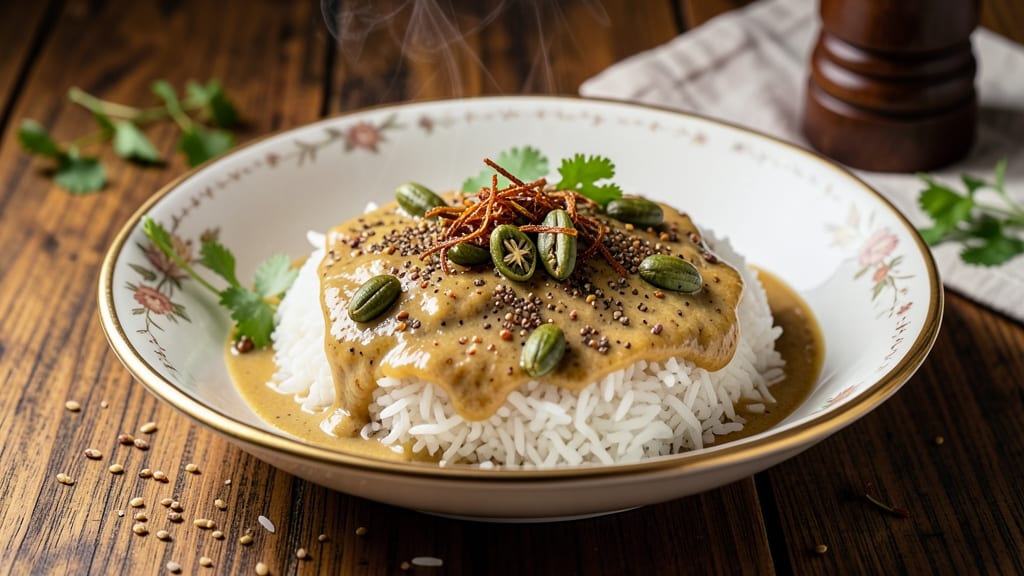
This Burmese coconut rice recipe transforms simple jasmine rice into a fragrant, creamy masterpiece with just a few key ingredients. The secret lies in slow-toasting aromatic spices—cumin, coriander, and cardamom—before simmering them in rich coconut milk, creating layers of flavor that infuse every grain.
I first discovered this technique during a trip to Myanmar, where it's traditionally served alongside grilled fish or stir-fried greens, but works equally well as a standalone dish.
The beauty of this recipe is its simplicity: just rice, coconut milk, and a handful of spices, yet the result is restaurant-quality. The rice absorbs the fragrant coconut milk while maintaining its delicate texture, and the toasted spices add warmth without overpowering.
What makes it special is how the flavors develop over time—the longer it sits, the more the spices meld into the rice, creating that signature Burmese aroma that fills your kitchen.
By the time you're done, you'll have golden, fragrant rice with a delicate balance of sweet coconut and earthy spices, perfect for serving with grilled meats, vegetables, or even as a vegetarian centerpiece.
The dish is elegant yet approachable, making it ideal for weeknight dinners or special occasions. The one-pot method ensures minimal cleanup, so you can focus on enjoying the meal.
For those looking to adapt it, simply swap the fish for tofu or mushrooms, or add fresh herbs like cilantro or Thai basil at the end for brightness.
The recipe scales easily, so you can make a large batch for leftovers or a crowd. Let's get started on this fragrant journey to Burmese comfort food.
Ingredients for burmese coconut rice
Jasmine rice, coconut milk, and toasted spices transform into fragrant Burmese coconut rice.
| Ingredient | Amount | Notes |
|---|---|---|
| Jasmine Rice 🍚 | 1 ½ cups | Uncooked, long-grain preferred |
| Full-Fat Coconut Milk 🥥 | 13 ½ oz | High-quality canned, no additives |
| Ground Cumin Seeds 🌿 | 1 tsp | Freshly toasted for depth |
| Ground Coriander Seeds 🌿 | 1 tsp | Toasted lightly before using |
| Green Cardamom Pods 🌿 | 6 whole | Lightly crushed before toasting |
| Vegetable Oil 🫒 | 2 tbsp | Neutral flavor preferred |
| Water 💧 | 2 ½ cups | Filtered or bottled preferred |
| Salt 🧂 | ½ tsp | Fine sea salt preferred |
| Fresh Cilantro Leaves 🌿 | ¼ cup | Chopped, for garnish |
| Lime Wedges 🍋 | 2 whole | For serving |
| Thai Basil Leaves 🌿 | ⅛ cup | Optional, for brightness |
The spices are where the magic happens—toast the whole cardamom pods and ground spices in oil until fragrant (about 2 minutes). Whole Foods or Indian grocery stores carry excellent quality spices, but the regular grocery store brand works fine if it's fresh. Look for vibrant green cardamom pods—they should smell sweet and citrusy. Cumin and coriander lose potency fast once opened, so store them in a cool, dark place or freeze them for longer freshness. The coconut milk should be full-fat, with no additives or preservatives—Thai Kitchen or Aroy-D brand are reliable choices.
No cardamom? Substitute with 1/4 tsp cinnamon plus 1/4 tsp nutmeg, though it won't be identical. Running out of cilantro? Fresh parsley or mint works in a pinch, though Thai basil is ideal for that signature Burmese flavor. The lime wedges should be freshly cut—Mexican Key limes add extra tang, but regular limes work too. For a richer texture, use 1/2 cup extra coconut milk and reduce the water slightly. The rice should be jasmine—its floral notes pair perfectly with the coconut and spices.
This rice reheats beautifully—just add a splash of water or coconut milk and steam it covered. Keeps 3-4 days in the fridge or 3 months frozen. I always make a double batch: one for the meal and one to freeze for lazy weeknights. To serve, fluff the rice gently with a fork and top with fresh herbs. The flavors deepen as it sits, so let it rest 10 minutes before serving for the best aroma. Pair with grilled tofu, roasted vegetables, or a simple tomato salad for a complete meal.
Why You'll Love This Recipe
- One-Pot Magic: I swear by this—just rice, coconut milk, and a handful of spices simmered together. No fancy layers, no last-minute chopping. The rice soaks up that rich coconut flavor while the cumin and cardamom bloom right in the pot. (Yes, even on a Tuesday night.)
- Creamy Spice Bomb: That first bite? The jasmine rice stays fluffy but gets this luxurious, velvety texture from the full-fat coconut milk, while the coriander and cardamom add a warm, earthy kick. It’s the kind of dish where every mouthful feels like a little vacation—no passport required.
- Weeknight to Party: Make a big batch on Sunday and reheat it all week—it’s my go-to for lazy dinners or when unexpected guests show up. Serve it with grilled fish, a simple curry, or just a fried egg on top. (Between us, it’s also the star of my "I don’t want to cook" nights.)
- Budget Luxury: Honestly, the ingredients are cheap but taste like you splurged. A can of coconut milk and a few spices stretch far, and leftovers reheat beautifully without drying out. Plus, it’s one of those dishes that makes you feel fancy without breaking the bank.
Step-by-step instructions for Burmese coconut rice
This one-pot method delivers fragrant, aromatic rice with perfect texture every time.
Toast the Spices for Maximum Flavor
Heat a dry skillet over medium heat and add the 6 whole green cardamom pods. Lightly crush them with the side of a spoon to release their oils. Toast for 30 seconds until fragrant—you'll smell that warm, citrusy aroma that defines Burmese cuisine.
Add the 1 teaspoon ground cumin seeds and 1 teaspoon ground coriander seeds to the same skillet. Toast for another 30 seconds until the spices darken slightly and become deeply aromatic. Immediately transfer the toasted spices to a small bowl and set aside. This quick toasting step unlocks their full potential—raw spices just won't give you the same depth of flavor.
Bloom the Spices in Oil
In a medium saucepan with a tight-fitting lid, heat the 2 tablespoons vegetable oil over medium-low heat. Add the toasted spice mixture and stir constantly for 1 minute until the spices release their oils and become visibly fragrant. You'll see the oil shimmer slightly—this indicates it's ready for the rice.
Here's the thing—don't rush this step. The spices need time to bloom properly in the oil to create that authentic Burmese flavor profile. If you add the rice too soon, you'll lose that aromatic punch that makes this dish special.
Combine Rice, Coconut Milk, and Water
Add the 1.5 cups jasmine rice to the saucepan and stir to coat it evenly with the spiced oil. The rice should look like it's wearing a thin, golden layer. Pour in the 13.5 ounces full-fat coconut milk and the 2.5 cups water, stirring gently to combine. The coconut milk will immediately start to separate slightly—this is normal and will blend as it cooks.
Add the 0.5 teaspoon salt and stir once more. The salt should dissolve completely into the liquid. At this point, you might notice the rice looks like it's swimming in a sea of white liquid—that's perfectly normal. The key is to distribute everything evenly now so you get consistent cooking throughout.
Cook the Rice to Perfect Texture
Bring the mixture to a gentle boil over medium heat, then immediately reduce heat to low. Cover the saucepan with the lid and let it cook undisturbed for 15 minutes. During this time, the rice will absorb most of the liquid and begin to steam in its own juices.
After 15 minutes, check the rice. You'll know it's ready when the liquid has been completely absorbed and the rice grains are tender but still slightly firm to the bite. If you peek and see some liquid remains, cover and cook for another 2-3 minutes. The goal is al dente rice—each grain should hold its shape but be tender enough to eat.
Rest and Garnish for Presentation
Once the rice is perfectly cooked, turn off the heat and let it rest covered for 5 minutes. This resting period allows the steam to redistribute and the rice to finish absorbing any remaining moisture. Don't skip this step—it makes a noticeable difference in the final texture.
After resting, fluff the rice gently with a fork. Garnish with the 0.25 cup chopped fresh cilantro leaves and 0.125 cup Thai basil leaves (if using). Serve immediately with the 2 whole lime wedges on the side for squeezing over each portion. The lime adds that bright, citrusy contrast that balances the rich coconut and spiced flavors.
Pro Tips For Making Burmese Coconut Rice
- Toast the Spices: Lightly dry-toast the whole green cardamom pods in a dry pan for 30 seconds before grinding—it deepens their aroma. I used to skip this, and the rice just smelled like generic spices instead of that warm, earthy punch you want.
- Use Two Cans: Mix one can of full-fat coconut milk with a splash of water (about ¼ cup) to thin it slightly—this prevents the rice from turning gluey. I learned this after three batches where the rice clung together like a sad, sticky pudding.
- Simmer, Don’t Boil: Keep the heat at a gentle simmer once the rice is added—too much heat turns the coconut milk into a thin, watery mess. Think "barely bubbling," not "rolling boil." (Yes, even if you’re impatient like me.)
- Rinse the Rice Twice: Give jasmine rice a quick rinse, then a second rinse with cold water to remove excess starch—this keeps the grains separate and fluffy. Skipping this step means you’re basically making coconut rice porridge. Not ideal.
Creative variations of this burmese coconut rice
Vegetarian Protein Boost
Swap the traditional fish or meat for crispy tofu or mushrooms to create a fully vegetarian version. Press and pan-fry 12 oz extra-firm tofu in 1 tbsp coconut oil with 1 tsp turmeric until golden, then slice and serve over the rice.
For umami depth, add ½ cup sautéed shiitake mushrooms with 1 tbsp soy sauce and 1 minced garlic clove. 🌱
Spicy Burmese Twist
Add a kick by stirring in ½ tsp Burmese red chili powder (or ¼ tsp cayenne) with the toasted spices. For authenticity, use 1 tbsp fermented shrimp paste (ngapi) (optional but traditional) when blooming the spices in oil.
If avoiding seafood, substitute with 1 tsp soy sauce for a similar savory depth. Balance the heat with extra lime wedges.
Coconut Milk Variations
Use light coconut milk for a lighter texture or coconut cream (thicker than milk) for extra richness. For a dairy-free twist, blend 1 cup soaked cashews with 1 cup water until smooth, then strain through a cheesecloth.
This cashew "milk" adds creaminess without coconut flavor. I've also used ½ cup coconut milk + ½ cup almond milk for a balanced consistency.
Herb and Citrus Infusions
Infuse the cooking liquid with 1 cinnamon stick or 2 star anise pods during the simmering phase for warmth. Finish with zest of 1 lime and a handful of Thai basil for brightness.
For a tropical touch, add ½ cup diced pineapple during the last 5 minutes of cooking—it caramelizes beautifully and pairs perfectly with coconut.
One-Pot Meal Adaptations
Turn this into a complete meal by adding 1 cup frozen peas and carrots with the rice. For a curry-inspired version, stir in ½ cup red curry paste and 1 cup chicken or vegetable broth after the initial simmer.
Top with ½ cup shredded coconut and 2 tbsp chopped peanuts for crunch. This transforms it into a Burmese-inspired coconut rice curry with minimal extra effort.
Regional Adaptations
In Yangon-style, add 1 tbsp tamarind paste for tanginess and serve with pickled garlic. For a Mandalay twist, include 1 tsp fennel seeds with the toasted spices.
Southern Burmese versions often incorporate turmeric-infused coconut milk—simmer ½ tsp turmeric in the coconut milk before adding it to the rice for a golden hue and earthy flavor.
Nutrition facts
Frequently asked questions
Can I use basmati rice instead of jasmine rice?
You can try basmati, but jasmine rice is ideal because its floral notes complement the coconut and spices perfectly. If you must use basmati, look for a long-grain variety and reduce the water by 1/4 cup since it absorbs liquid differently. The texture will be slightly firmer, but the flavors will still shine.
What if I don't have green cardamom pods?
No problem! Substitute with 1/4 tsp ground cardamom or a mix of 1/4 tsp cinnamon + 1/4 tsp nutmeg—though the flavor won't be identical. For authenticity, toast the ground spices in oil for 30 seconds to release their aromatics. The dish will still be delicious, just with a slightly different spice profile.
Why does my coconut rice turn out mushy?
Mushy rice usually means too much liquid or insufficient resting time. Always use the 1:1.5 rice-to-liquid ratio (1.5 cups rice to 2.5 cups liquid total). After cooking, let it rest covered for 5 minutes before fluffing—this helps the grains firm up. If it's still too soft, spread it on a tray and dry it in the oven at 200°F for 10 minutes.
How do I make this dish vegetarian?
Swap the traditional fish for crispy tofu or mushrooms! Pan-fry 12 oz extra-firm tofu in 1 tbsp coconut oil with 1 tsp turmeric until golden, then slice and serve over the rice. For extra umami, add ½ cup sautéed shiitake mushrooms with 1 tbsp soy sauce. Garnish with fresh herbs like Thai basil or cilantro.
Can I make this in an Instant Pot?
Sauté the spices in oil, then add rice, coconut milk, and water. Seal the lid, cook on high pressure for 5 minutes, then let it naturally release for 10 minutes. Fluff with a fork and garnish as directed. The Instant Pot version cooks faster but may need an extra 1-2 minutes of resting time for perfect texture.