
Main Courses
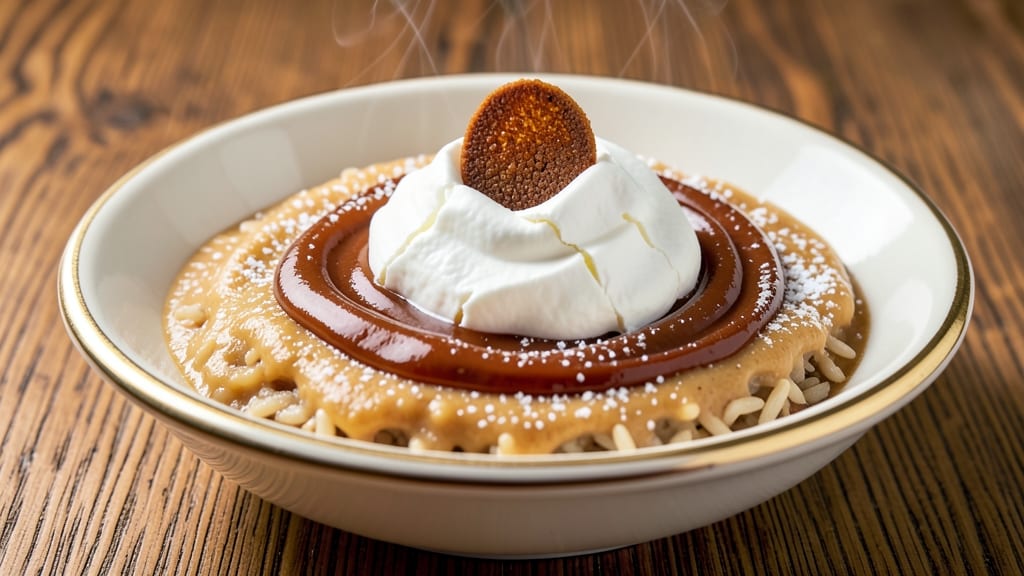
This butterscotch rice pudding recipe delivers a velvety, caramel-kissed dessert that feels like a warm hug in bowl form. The secret lies in slow-cooked rice infused with rich butterscotch flavor—whether through syrup, chips, or extract—creating a texture that’s perfectly creamy yet sturdy enough to hold its shape.
I’ve perfected this version over years of testing, balancing sweetness and depth so every spoonful feels indulgent without being overpowering.
What sets this apart is the technique: simmering the rice in milk and cream until tender, then swirling in butterscotch for those signature caramel ribbons that make it irresistible. The result is a dessert that’s elegant enough for dinner parties but simple enough for a weeknight treat.
Serve it warm with whipped cream or chilled for a refreshing twist—either way, it’s a crowd-pleaser that disappears faster than you can say "butterscotch."
Ingredients for butterscotch rice pudding
Six ingredients create this velvety butterscotch rice pudding with signature caramel swirls and perfect creaminess.
| Ingredient | Amount | Notes |
|---|---|---|
| Long-Grain White Rice 🍚 | 1 cup | Uncooked, rinsed thoroughly |
| Whole Milk 🥛 | 2 cups | Full-fat for creaminess |
| Heavy Cream 🥛 | 1 cup | Full-fat preferred |
| Butterscotch Syrup 🍯 | ½ cup | High-quality, no artificial flavors |
| Granulated Sugar 🍚 | ¾ cup | White sugar preferred |
| Unsalted Butter 🧈 | 4 tbsp | Cold, cubed for swirling |
| Vanilla Extract 🌿 | 1 tsp | Pure, high-quality |
| Salt 🧂 | ¼ tsp | Fine sea salt |
| Ground Cinnamon 🌿 | ½ tsp | Freshly ground preferred |
| Butterscotch Chips 🍬 | ½ cup | Optional, for texture |
| Whipped Cream 🍦 | 1 cup | For serving, optional |
| Toasted Almond Slices 🌰 | ¼ cup | For garnish, optional |
The rice is the foundation, so choose long-grain white rice for its ideal texture—it absorbs liquids beautifully without turning mushy. Whole milk and heavy cream are non-negotiable for that luxurious, velvety mouthfeel; full-fat versions ensure richness. For the butterscotch flavor, high-quality syrup (like Torani or Monin) makes all the difference—avoid artificial brands that can taste overly sweet or chemical-like. Granulated sugar balances the richness, so don’t skimp, but don’t overdo it either. Unsalted butter, cold and cubed, creates those signature caramel ribbons when swirled in at the end—European-style butter has higher fat content, which works perfectly here.
No butterscotch syrup? Butterscotch chips melted into a sauce (about 0.5 cup melted) works in a pinch, though it’s slightly less smooth. Heavy cream substitutes like coconut cream add richness but may alter the texture slightly—use full-fat coconut milk for the closest match. Vanilla extract can be swapped for vanilla bean paste (reduce to 0.75 tsp) for deeper flavor. For the cinnamon, ground is fine, but if you’ve got whole cinnamon sticks, toast them lightly and grind for a more aromatic touch. The butterscotch chips are optional but add delightful pockets of butterscotch flavor—Trader Joe’s has a great budget-friendly brand if you’re testing this out.
This pudding tastes even better the next day as flavors meld, so make it ahead if possible. Store in an airtight container in the fridge for up to 4 days. For serving, whipped cream should be freshly whipped—chilled bowl and beaters make all the difference. Toasted almond slices add crunch and elegance, but pecans or walnuts work just as well. If you’re serving chilled, let it sit at room temperature for 15 minutes before scooping—it’s more forgiving that way.
Why You'll Love This Recipe
- Here’s what sold me: it uses ingredients I already have—rice, milk, sugar—and turns them into something that feels special. No exotic spices or hard-to-find syrups; just rich, velvety comfort that costs next to nothing to make. That butterscotch kick? Total crowd-pleaser, zero guilt.
- No-Simmer Struggle: I swear by this recipe because it doesn’t require me to babysit a pot on the stove—just toast the rice in butter first, then pour in the scalded milk and cream. The grains stay tender without turning to mush, and honestly? That’s half the battle won right there.
- Caramel Hug Every Bite: Between us, butterscotch syrup isn’t just an afterthought here. The way it melts into the creamy milk and heavy cream? It’s like a warm, buttery embrace—sweet but not cloying, with that deep caramel undertone that makes me reach for seconds. (Yes, even on a Tuesday night.)
- Make-Ahead Magic: This pudding tastes better the next day, which is perfect because I can prep it for breakfast, dessert, or even a quick lunch. Just reheat with a splash of milk, and boom—you’ve got a restaurant-worthy dish without the fuss. My daughter picks out the coldest spoonfuls first, no lie.
Step-by-step instructions for butterscotch rice pudding
Transform simple ingredients into a velvety pudding with rich caramel swirls and perfect texture.
Toast the Rice for Nuttiness
In a heavy-bottomed saucepan, melt 2 tablespoons of the unsalted butter over medium heat. Add the 1 cup long-grain white rice and toast for 3-4 minutes, stirring constantly, until the rice turns a pale golden color and smells nutty. This step develops deeper flavor and prevents a pasty texture.
I press down gently with a wooden spoon during the first minute to ensure even contact with the butter—this prevents any rice from sticking to the bottom. Once the rice is toasted, immediately add the 2 cups whole milk and 1 cup heavy cream. Bring to a gentle simmer over medium-low heat, then reduce heat to maintain a steady bubble at the edges of the pan.
Simmer Until Thickened
Stir in the 0.75 cup granulated sugar, 0.5 cup butterscotch syrup, 0.25 tsp salt, and 0.5 tsp ground cinnamon. Let the mixture simmer uncovered for 25-30 minutes, stirring every 5 minutes to prevent sticking. You're aiming for a thick, creamy consistency where the pudding coats the back of a spoon but still moves slowly.
Here's the thing—if the mixture gets too thick too quickly, add 1-2 tablespoons of hot water or milk to loosen it. The pudding should be thick enough to coat a spoon but still have a slight sheen, indicating it's ready for the next step. Don't rush this process; proper simmering ensures the rice absorbs all the liquid and develops that perfect creamy texture.
Incorporate the Butterscotch Elements
Remove the pan from heat and stir in the 1 tsp vanilla extract and the remaining 2 tablespoons unsalted butter, cut into small cubes. This creates beautiful swirls of buttery richness throughout the pudding. For extra decadence, fold in the 0.5 cup butterscotch chips using a spatula—this ensures they're evenly distributed and melt slightly into the warm mixture.
I like to press the chips gently against the sides of the pan with the back of a spoon to help them melt and create those signature caramel pockets. Let the pudding sit covered for 10 minutes to allow the flavors to meld together. This resting period also helps the texture become even creamier before serving.
Serve with Garnishes
Transfer the pudding to serving bowls or ramekins. For presentation, top each serving with 1 cup whipped cream and 0.25 cup toasted almond slices. The contrast of cool whipped cream against the warm pudding creates a perfect balance of temperatures and textures.
Serve immediately while warm for the best experience—the pudding should be thick and creamy with pockets of butterscotch flavor in every bite. If you prefer, you can chill the pudding for 1 hour before serving, but the texture will be slightly firmer. Either way, the combination of butterscotch, vanilla, and cinnamon creates a comforting dessert that's perfect for any occasion.
Pro Tips For Making Butterscotch Rice Pudding
- Rinse the Rice First: I learned this the hard way—unrinsed rice turns your pudding gummy. Give that long-grain rice a quick cold-water rinse until the water runs clear. It removes excess starch, so the final texture stays creamy, not gluey. (Yes, even if you’re impatient like me—trust me on this.)
- Simmer Low and Slow: After burning three batches, I finally figured out: this isn’t a race. Keep the heat at a bare simmer—you’re not making risotto. If it boils, the cream will split, and your pudding will curdle. A gentle bubble is all you need.
- Whisk in the Syrup: Dumping butterscotch syrup straight into the pot? Skip it. Temper it first by whisking a splash of hot milk into the syrup before adding it to the pot. This stops the sugar from shocking the cream and keeps your pudding smooth—not grainy or lumpy.
- Toast the Rice First: Sounds weird, but it works: dry-toast the rice in a skillet for 2-3 minutes before adding liquids. It deepens the flavor and prevents a bland, milky taste. (Your future self will thank you—this is the thing that matters most.)
Troubleshooting perfect results
Grainy Texture Fix
If your pudding turns out grainy, it’s usually because the rice wasn’t cooked long enough or the heat wasn’t low enough. Next time, simmer the mixture for an extra 5-10 minutes and stir more frequently.
I also recommend using a heavy-bottomed saucepan—like a Le Creuset Dutch oven—to prevent hot spots that can cause uneven cooking. If it’s already grainy, blend it briefly with an immersion blender for a smoother finish. 💡
Too Thin or Watery
A watery pudding often means the rice wasn’t fully cooked or the liquid ratio was off. For future batches, reduce the milk by ¼ cup if you’re using a different rice brand. If it’s already too thin, simmer uncovered for an additional 10-15 minutes to thicken.
A trick I learned? Mix 1 tablespoon cornstarch with 1 tablespoon cold water, stir it into the pudding, and simmer for 2-3 minutes—this works like magic. ⚡
Burnt or Stuck Bottom
Burnt rice at the bottom is a common issue, especially if you’re not stirring often enough. Always use medium-low heat and stir every 5 minutes. I swear by a wooden spoon—it’s gentle on the pan and helps scrape up any stuck bits.
If it does burn, carefully scrape off the burnt bits with a spatula and discard them. To prevent future sticking, add a splash of milk or water to the pan before scraping. 🔥
Not Sweet Enough
If your pudding tastes bland, it’s likely because the sugar or butterscotch syrup wasn’t balanced. Next time, taste as you go—add an extra 1-2 tablespoons of sugar or 1-2 tablespoons of butterscotch syrup if needed.
For a deeper flavor, try adding ½ teaspoon of vanilla bean paste instead of extract. Pro tip: Let the pudding sit for 30 minutes after cooking—flavors intensify as it cools. 💛
Lumpy or Uneven Swirls
Lumpy swirls happen when the butter or butterscotch chips aren’t melted or incorporated properly. To fix this, gently reheat the pudding over low heat while stirring until smooth. For future batches, melt the butter completely before adding it back to the pudding.
Use a spatula to press the butterscotch chips against the sides of the pan while stirring—this helps them melt evenly. 🌟
Overpowering Butterscotch
If the butterscotch flavor is too strong, you might have used too much syrup or chips. Balance it by adding a pinch of salt or a splash of heavy cream to mellow the sweetness.
For future batches, start with 0.4 cup butterscotch syrup and adjust to taste. A sprinkle of ground cinnamon or a dash of vanilla extract can also help round out the flavor. 🍯
Nutrition facts
Frequently asked questions
Can I make this butterscotch rice pudding without butterscotch syrup?
For a homemade version, melt 0.5 cup butterscotch chips with 2 tablespoons heavy cream until smooth, then stir into the warm pudding. You can also use 1 tablespoon butterscotch extract (reduce sugar slightly) or swap for ½ cup caramel sauce plus ½ teaspoon vanilla extract for a similar depth of flavor.
How do I prevent the rice from getting mushy?
Toast the rice in butter for 3-4 minutes until golden before adding liquids—this builds flavor and prevents mushiness. Use medium-low heat throughout cooking, stir frequently, and don’t overcook. For extra insurance, try jasmine rice (it holds up better than long-grain in some recipes).
Can I make this pudding ahead of time?
This dessert tastes even better the next day! Store in an airtight container in the fridge for up to 4 days. Reheat gently in a saucepan with 1 tablespoon milk until warmed through. For serving, let it sit at room temperature for 15 minutes before scooping—it’ll be more forgiving.
What's the best way to make it vegan?
Swap heavy cream for coconut cream, milk for unsweetened almond milk, and butter for vegan butter. Use ½ cup coconut sugar instead of granulated sugar, and add 1 tablespoon cornstarch to help thicken. For butterscotch flavor, try ½ cup date syrup or vegan butterscotch chips. The texture will be slightly lighter but still delicious!
How do I adjust the sweetness level?
Start with the recipe as written, then taste after 20 minutes of simmering. For less sweetness, reduce sugar by 2 tablespoons and add ½ teaspoon cinnamon to enhance flavor. For more sweetness, stir in 1-2 tablespoons additional sugar or 1 tablespoon butterscotch syrup at the end. Remember—flavors deepen as it cools!