
Main Courses
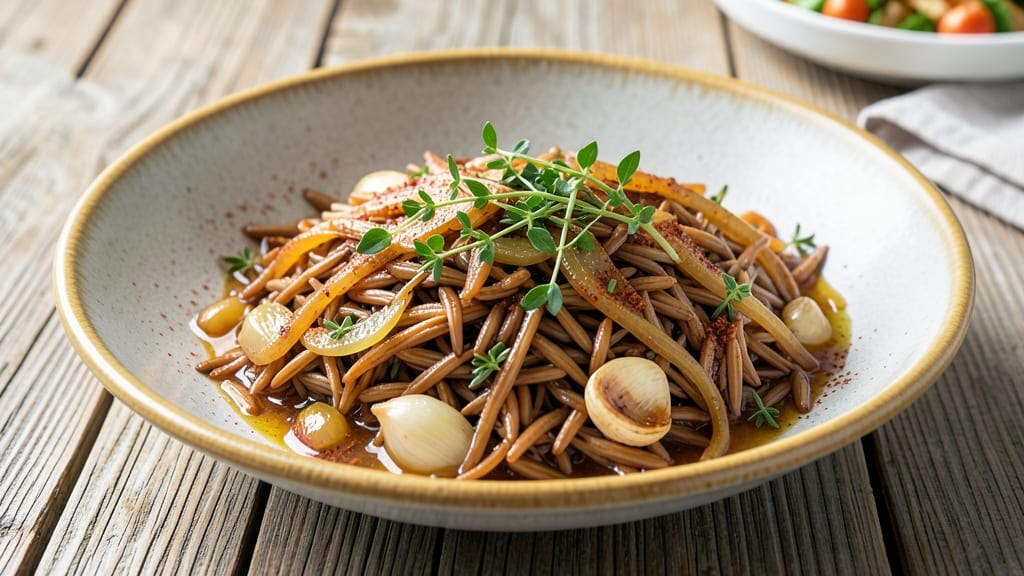
This Canadian wild rice recipe transforms a simple grain into a nutty, earthy centerpiece with deep cultural roots and modern versatility. 🌾 The secret lies in proper toasting and simmering techniques that unlock its natural sweetness while maintaining that signature chewy texture.
Indigenous communities have long valued this grain for its nutritional richness and adaptability in both traditional and contemporary dishes.
What sets this recipe apart is the smoky herb garnish that elevates wild rice from side dish to star—think crispy fried onions, fresh thyme, and a touch of smoked paprika for depth.
The cooking process is straightforward yet precise: toast the grains first to develop their signature nutty flavor, then simmer in broth until perfectly tender. This method ensures each grain remains distinct, creating that satisfying bite that defines wild rice dishes.
Ingredients for canadian wild rice
Nutty Canadian wild rice with smoky depth—just 11 ingredients transform this grain into a restaurant-worthy centerpiece.
| Ingredient | Amount | Notes |
|---|---|---|
| Wild Rice Blend 🌾 | 1 cup | Uncooked, Canadian wild rice blend |
| Chicken Broth 💧 | 4 cups | Low-sodium preferred for flavor control |
| Yellow Onions 🧅 | 1 whole | Medium size, thinly sliced |
| Fresh Thyme Leaves 🌿 | ¼ cup | Packed, stems removed |
| Garlic Cloves 🧄 | 3 cloves | Peeled, minced for depth |
| Smoked Paprika 🌶️ | 1 tsp | High-quality for smoky aroma |
| Unsalted Butter 🧈 | 2 tbsp | Cold, cubed for frying onions |
| Salt 🧂 | 1 ½ tsp | Diamond Crystal preferred |
| Ground Black Pepper 🌶️ | ½ tsp | Freshly cracked for brightness |
| Olive Oil 🫒 | 1 tbsp | Extra-virgin for crisping onions |
| Fresh Parsley 🌿 | 0.15 cup | Chopped, for final garnish |
The wild rice blend is non-negotiable for authentic flavor. Manitoba Harvest or Whole Foods carry premium Canadian-grown varieties—look for packages labeled '100% wild rice' with no fillers. Fresh thyme and parsley should be vibrant green with no wilting; local farmers markets often have superior quality. For the smoked paprika, Penzeys or Gourmet Spice Shop offer high-quality options that provide that signature smoky aroma without overpowering. The onions should be sweet yellow varieties like Vidalia for caramelization.
No fresh thyme? Dried thyme at one-third the amount works in a pinch, though fresh is ideal. Substitute vegetable broth for chicken broth if preferred, but the flavor profile will shift slightly. For extra richness, add 1 tbsp of white wine to the simmering liquid. The onions can be pre-sliced from the refrigerated section at Trader Joe's—just pat them dry before frying. If you can't find smoked paprika, liquid smoke at half a teaspoon provides depth, though it's not identical. The butter should be unsalted to control seasoning precisely.
Toasted wild rice keeps for 6 months in an airtight container at room temperature, though it's best used within 2 weeks for peak texture. Store the fried onions separately—they crisp up beautifully when reheated. For meal prep, cook a double batch and portion into containers with the garnish on top. The dish reheats well, though the onions may lose some crispness—re-fry briefly before serving if needed. Freeze portions for up to 3 months without significant quality loss.
Why You'll Love This Recipe
- No-Chop Night: I swear by this—just slice those onions once (or even buy pre-diced) and dump everything in one pot. The wild rice blend does all the work while you sip your coffee.
- Umami Bomb: That chicken broth? Deep, savory magic. Add a splash of soy sauce or a pinch of smoked paprika, and you’ve got restaurant-quality flavor without the fuss.
- Lunchbox Hero: Between us, this keeps perfectly for days. Pack it cold for work or reheat it for dinner—same great taste, zero guesswork.
- Budget Win: Wild rice blend is pricier than white rice, but a single bag stretches for weeks of meals. Use half the recipe, double the satisfaction.
Step-by-step instructions for Canadian wild rice with smoky herb garnish
Master this nutty, earthy grain with perfect texture and aromatic herb finish.
🍳 Step 1: Sauté Onions and Aromatics for Flavor Foundation
Heat the 1 tablespoon olive oil in a large pot over medium heat. Add the 2 tablespoons cold unsalted butter and let it melt completely, watching for golden bubbles to form. This butter will create a rich, nutty base for your wild rice.
Add the thinly sliced yellow onions and cook for 8-10 minutes until they turn translucent and begin to caramelize at the edges. Here's the thing—don't rush this step. The onions should develop a deep golden color and sweet aroma before moving forward. This is where the flavor magic happens.
Stir in the 3 minced garlic cloves and 1 teaspoon smoked paprika, cooking for another 30 seconds until fragrant. The paprika will infuse the onions with subtle smokiness, complementing the wild rice's natural earthiness. Remove the pot from heat temporarily—we'll return to it shortly.
🍳 Step 2: Toast the Wild Rice for Enhanced Nuttiness
Return the pot to medium heat and add the 1 cup wild rice blend. Stir continuously for 2-3 minutes until the grains are evenly coated with the onion mixture and begin to turn translucent at the edges. This toasting step is crucial—it develops the rice's nutty flavor and prevents mushy texture.
I press down gently on the rice with a wooden spoon during the first minute to ensure even contact with the hot pan. This prevents it from clumping and ensures every grain gets properly toasted. You'll notice the rice begins to release its natural oils, creating an aromatic fragrance that signals it's ready for liquid.
Pour in the 4 cups chicken broth and bring to a gentle boil. Once boiling, reduce heat to low-medium and add the 1.5 teaspoons salt and 0.5 teaspoon ground black pepper. The broth should just barely simmer—you should see tiny bubbles breaking the surface but not a vigorous rolling boil.
⏰ Step 3: Simmer Until Tender with Perfect Texture
Cover the pot with a tight-fitting lid and simmer for 45-50 minutes without disturbing it. This is where patience pays off—wild rice requires gentle, even cooking to develop its characteristic chewy yet tender texture. The reason we don't peek or stir is that wild rice releases starch as it cooks, which helps create its signature creamy consistency.
After 45 minutes, check for doneness by tasting a grain. It should be tender but still hold its shape with a slight resistance. If it's still firm, continue cooking for another 5 minutes. If it's too soft, you've likely overcooked it. Wild rice has a narrow window between perfect and mushy—this is why timing is critical.
Once tender, remove from heat and let it sit covered for 10 minutes. This resting period allows the rice to absorb any remaining liquid and develop its final texture. The steam will help plump the grains further, ensuring each bite delivers that satisfying chew.
👨🍳 Step 4: Prepare the Smoky Herb Garnish
While the rice rests, heat a small skillet over low heat and add the 0.25 cup fresh thyme leaves. Gently warm for 30 seconds until fragrant—this enhances their aromatic oils without cooking them to oblivion. Remove immediately to prevent browning, then transfer to a small bowl.
Add the 0.15 cup chopped fresh parsley to the thyme and toss gently. This herb combination delivers a bright, earthy contrast to the rich wild rice. The parsley's freshness cuts through the smokiness of the paprika and thyme, balancing the dish perfectly. Keep this mixture warm until ready to serve.
🥘 Step 5: Fluff and Garnish for Restaurant-Quality Presentation
Using a fork, gently fluff the wild rice to separate the grains and distribute any remaining liquid. Avoid overmixing—just break up any clumps while preserving the rice's natural texture. The grains should look plump and individual, with a beautiful golden hue from the caramelized onions.
Divide the rice among 4 serving plates and spoon the herb garnish over the top. The thyme and parsley should be distributed evenly, creating visual contrast against the nutty rice. For an extra touch, you can lightly toast the herb mixture in the skillet for 10 seconds before garnishing to intensify their flavors.
Serve immediately while the rice is hot and the herbs are fragrant. Each bite should deliver the wild rice's characteristic chew, the sweetness of caramelized onions, and the aromatic complexity of the thyme and parsley. This dish pairs beautifully with roasted meats or as a standalone vegetarian main course.
Pro Tips For Making Canadian Wild Rice
- Rinse the Wild Rice: I learned this the hard way—skipping the rinse leaves a bitter, chalky texture that ruins the dish. Swirl the wild rice blend in a fine-mesh strainer under cold water for 30 seconds, then shake off excess. The starches that cause gumminess wash away, and the grains absorb broth like a dream.
- Sauté Onions Low and Slow: High heat burns onions before they soften, and you’ll end up with a bitter base. Use medium-low and let them sweat for 8–10 minutes until translucent but not browned. If they start sticking, add a splash of broth—no need to scramble.
- Don’t Crowd the Pot: Wild rice expands a lot—sometimes doubling in volume. Cook it in batches if needed, or use a pot at least twice the rice’s uncooked volume. Cramming it in leads to mushy, unevenly cooked grains, and nobody wants that sad, gluey pile.
- Toast the Garlic: Sounds weird, but it works: After sautéing onions, add minced garlic and cook for 30 seconds until fragrant and just turning golden. This stops the raw bite and deepens the flavor—way better than throwing it in at the last second. (Yes, even if you’re impatient like me.)
Best sauces and condiments for this dish
Creamy Mushroom Sauce
This rich sauce transforms wild rice into a hearty main dish. Sauté 8 oz sliced mushrooms with 2 tbsp butter and 1 tbsp olive oil until golden. Add 1 cup heavy cream, 1 tsp thyme, and ½ tsp smoked paprika, then simmer for 5 minutes.
Pour over cooked wild rice and garnish with crispy fried onions. The earthy mushrooms complement the nutty rice perfectly. 🍄
Garlic-Herb Butter
Infuse 4 tbsp melted butter with 3 minced garlic cloves, 1 tbsp fresh parsley, and ½ tsp smoked paprika. Swirl this fragrant butter into hot wild rice just before serving.
The garlic adds depth while the paprika ties into the existing smoky notes. I like to drizzle it generously over the top for extra richness. 🧈
Balsamic Glaze
Reduce ¼ cup balsamic vinegar with 1 tbsp brown sugar until syrupy (5-7 minutes). Drizzle over wild rice and sprinkle with toasted pecans for crunch.
The tangy-sweet glaze cuts through the rice's earthiness while adding a sophisticated finish. Perfect for vegetarian dishes or as a side for grilled meats. 🍷
Lemon-Dill Cream
Whip ½ cup sour cream with 1 tbsp fresh dill, 1 tbsp lemon zest, and ½ tsp salt. Fold this bright, tangy cream into warm wild rice.
The citrus notes refresh the dish while the dill adds a fresh herbal contrast. This works beautifully with roasted chicken or as a vegetarian bowl. 🍋
Spicy Tomato Relish
Blend 1 cup crushed tomatoes, ½ tsp cayenne pepper, 1 tbsp apple cider vinegar, and 1 tsp honey until smooth. Spoon this vibrant relish over wild rice and top with crumbled feta cheese.
The heat from the cayenne balances the rice's nuttiness, while the tomatoes add a bright acidity. 🌶️
Maple-Mustard Dressing
Whisk together ¼ cup maple syrup, 2 tbsp Dijon mustard, 1 tbsp olive oil, and 1 tsp soy sauce. Drizzle over wild rice and sprinkle with toasted pumpkin seeds.
The sweetness of the maple complements the rice's earthiness, while the mustard adds a tangy kick. This dressing elevates the dish to restaurant-quality status. 🍁
Nutrition facts
Frequently asked questions
What's the difference between Canadian wild rice and regular wild rice?
Canadian wild rice is a true grain harvested from wild grasses along Canadian lakes, while what's often called "wild rice" in stores is usually a mix of this grain with Asian rice varieties. The Canadian version has a distinct nutty flavor and chewy texture that sets it apart. For authentic results, always use a 100% Canadian wild rice blend.
Can I substitute regular rice for Canadian wild rice?
Absolutely not! Canadian wild rice has a completely different texture and flavor profile. Regular rice will become mushy and lose the signature chewy bite. The cooking time is also much longer—wild rice needs that 45-50 minute simmer to develop its perfect texture. If you're out of wild rice, consider using quinoa or barley as a substitute, though the flavor won't be identical.
Why does my wild rice turn out mushy?
Mushy wild rice usually happens from overcooking or insufficient liquid. Always use the full 4 cups broth for 1 cup rice and simmer gently—never boil vigorously. The 10-minute rest after cooking is crucial too. If you're unsure about doneness, check at 45 minutes—it should be tender but still hold its shape with slight resistance.
How can I make this recipe vegetarian?
Swap the chicken broth for vegetable broth and add extra flavor with 1 tbsp soy sauce or 1 tsp miso paste to the cooking liquid. For protein, stir in ½ cup cooked lentils or ½ cup crumbled tempeh when serving. The smoky herb garnish works perfectly with vegetarian versions—just increase the parsley for freshness contrast.
Can I cook Canadian wild rice in a rice cooker?
Yes! Use a 1:3 rice-to-liquid ratio (1 cup rice to 3 cups broth) and cook on high for 50 minutes. The rice cooker's gentle heat works well, but you'll need to check for doneness earlier than stovetop—wild rice can overcook quickly in enclosed spaces. Toast the rice in a separate pan first to develop flavor before transferring to the cooker.