
Main Courses
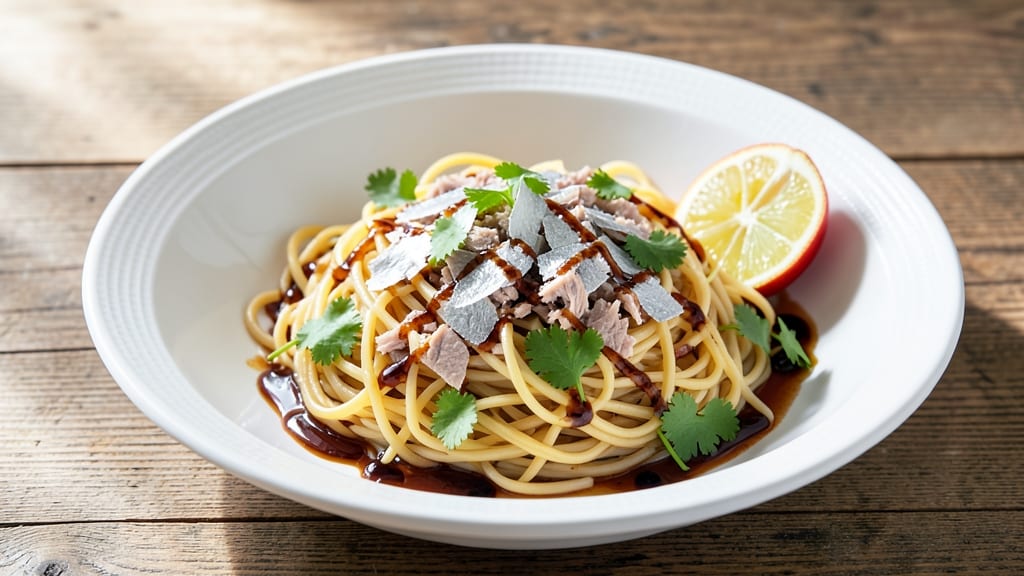
This one-pot canned tuna rice noodles recipe transforms pantry staples into a protein-rich, umami-packed lunch in just 15 minutes—no chopping, no fuss. The secret lies in balancing the salty tuna with bright flavors like lime, garlic, and chili, creating a dish that’s both comforting and vibrant.
Perfect for busy weekdays, it delivers restaurant-quality satisfaction with minimal effort.
Boil rice noodles until tender, then drain and return them to the pot with canned tuna, a splash of broth, and a zesty sauce made from lime juice, soy sauce, and a pinch of sugar.
Garnish with fresh herbs or chili flakes for extra depth, and you’ll have a complete, balanced meal ready in one pot. No leftovers? No problem—this recipe scales effortlessly for meal prep.
Ingredients for canned tuna rice noodles
Pantry staples meet fresh flavors in this quick, protein-rich one-pot meal.
| Ingredient | Amount | Notes |
|---|---|---|
| Rice Noodles 🍜 | 8 oz | Medium or wide rice noodles |
| Canned Tuna in Water 🐟 | 2 cans | High-quality, drained well |
| Vegetable Broth 💧 | 1 ½ cups | Low-sodium preferred |
| Fresh Lime Juice 🍋 | 2 tbsp | Freshly squeezed for brightness |
| Soy Sauce 🥫 | 1 ½ tbsp | Light or dark preferred |
| Sesame Oil 🫒 | 1 tsp | Toasted for aroma |
| Garlic Cloves 🧄 | 2 cloves | Minced finely |
| Red Chili Flakes 🌶️ | ½ tsp | Adjust for heat preference |
| Granulated Sugar 🍚 | ½ tsp | Balances acidity |
| Fresh Cilantro 🌿 | ¼ cup | Chopped, for garnish |
| Green Onions 🧅 | 2 whole | Sliced thinly |
| Sesame Seeds 🌰 | ½ tsp | Toasted lightly |
| Salt 🧂 | ½ tsp | Kosher or sea salt |
| Black Pepper 🌶️ | ¼ tsp | Freshly ground |
The rice noodles are the foundation—medium or wide varieties hold up best to the broth and tuna. Store-bought rice noodles from brands like Golden Gate or Vietnamese rice noodles work perfectly, but check the package for a 5-7 minute cook time. Fresh garlic and lime are non-negotiable for that bright, umami punch. Buy fresh lime juice from the produce section—it’s more vibrant than bottled. For the tuna, high-quality brands like Starkist or Wild Planet make a noticeable difference in texture and flavor. If you're using canned tuna in oil, drain it thoroughly and rinse with water to avoid excess fat.
No fresh lime? Key lime juice or bottled lime juice works in a pinch, though fresh is ideal. Short on cilantro? Fresh basil or parsley adds a similar brightness. The soy sauce can be swapped for tamari if gluten-free is a concern, or fish sauce for an extra umami kick. Sesame oil can be omitted if you're sensitive to its strong flavor, but it adds incredible depth. For extra protein, toss in edamame or shredded rotisserie chicken at the end. The chili flakes can be adjusted to taste—start with half the amount if you're unsure.
Rice noodles cook quickly, so keep them covered with a damp towel to prevent drying. Store leftovers in an airtight container for up to 3 days in the fridge, though they're best enjoyed fresh. For meal prep, portion into containers with a small splash of broth to keep them tender. The dish reheats well—microwave with a splash of water to revive the noodles. Garnishes like cilantro and sesame seeds can be added fresh after reheating for maximum flavor.
Why You'll Love This Recipe
- No-Chop Nightmare: I swear by this when I’m too tired to slice anything. Just boil those rice noodles, drain, and toss them with the tuna straight from the can—no knife skills required. The broth and lime do all the work while I’m still deciding what to watch on TV.
- Umami Bomb: That canned tuna in water? Don’t knock it till you try it here. The soy sauce and lime cut through the fishiness while the vegetable broth adds depth—bright, salty, and just a little tangy. It’s the kind of flavor that sticks with you long after the last bite.
- Lunchbox Legend: Between us, this is my go-to for packed lunches. Cold or reheated, it’s always a hit—whether I’m feeding myself or my college kid who refuses to eat anything “boring.” The noodles hold up, the tuna stays flaky, and the lime keeps it from getting soggy.
- Pantry Magic: Honestly, I make this when I’m down to three ingredients and a prayer. Canned tuna, noodles, and a splash of soy? That’s a meal. Add lime and broth, and suddenly you’ve got something that tastes like you put in effort. Budget-friendly, zero waste, and ready in 15 minutes flat.
Step-by-step instructions for canned tuna rice noodles
Here's the method for a perfectly balanced, umami-rich dish using simple pantry staples.
Prepare the Rice Noodles
Bring 1.5 cups vegetable broth to a gentle simmer in a medium saucepan over medium heat. Add the 8 oz rice noodles and stir gently to separate any clumps. The noodles should soften in about 3-4 minutes—they'll finish cooking in the sauce, so don't overcook them now.
I like to test for doneness by tasting a small piece—it should be tender but still have a slight bite. Once the noodles are just cooked through, drain them in a fine-mesh strainer and rinse briefly with cool water to stop the cooking process. This prevents them from becoming mushy when combined with the warm sauce later.
Build the Flavor Base
In the same saucepan (no need to clean it—the fond adds depth), heat 1 tsp sesame oil over medium heat until shimmering. Add the 2 minced garlic cloves and cook for 30 seconds until fragrant but not browned—garlic burns quickly, and you want to preserve its sweetness.
Stir in 0.5 tsp red chili flakes and 0.5 tsp granulated sugar, cooking for another 20 seconds to bloom the spices. This step develops the aromatic foundation that balances the dish's acidity and saltiness. The sugar helps caramelize the spices slightly, enhancing their flavor.
Combine All Ingredients
Add the drained rice noodles back to the pan along with the 2 cans drained tuna in water, 1.5 tbsp soy sauce, and 2 tbsp fresh lime juice. Stir gently but thoroughly to distribute everything evenly. The noodles should absorb the liquid and sauce within 2-3 minutes of cooking over low heat.
Here's the thing—don't rush this step. The tuna needs to warm through completely, and the noodles should soak up the sauce without turning soggy. If the mixture looks too dry, add 1-2 tablespoons of water to loosen it, but only as needed. The texture should be cohesive but still slightly saucy.
Finish and Garnish
Remove the pan from heat and let it sit for 1 minute to allow the flavors to meld. Stir in 0.5 tsp salt and 0.25 tsp black pepper, then divide the noodles among 4 serving bowls. Top each serving with 2 sliced green onions and 0.25 cup chopped fresh cilantro.
For the final touch, sprinkle each portion with 0.5 tsp toasted sesame seeds. These seeds add a nutty crunch that contrasts beautifully with the soft noodles and tender tuna. Serve immediately while the noodles are still warm and the flavors are vibrant—this dish doesn't keep well once assembled.
Pro Tips For Making Canned Tuna Rice Noodles
- SOAK NOODLES IN COLD WATER: I used to dump rice noodles straight into boiling broth and watch them turn to mush. Cold water for 10-15 minutes keeps them intact—just drain and rinse before adding to the pot. The texture stays firm, not gluey, even when simmered.
- DRAIN AND RINSE TUNA: That canned tuna water? It’s salty and dulls the dish. Drain the tuna, then rinse it briefly under cold water to cut the metallic taste. Pat dry with a paper towel—it makes a real difference in how fresh the tuna feels in the final bowl.
- SIMMER, DON’T BOIL: High heat turns rice noodles into a sad, mushy pile. Keep the broth at a gentle simmer—tiny bubbles, not rolling—so the noodles absorb flavor without falling apart. If it’s too hot, lower the heat or cover the pot.
- ADD LIME LAST: Squeeze that lime juice in at the very end, right when you’re serving. The acid cuts through the richness of the tuna and soy sauce, but if you add it too early, the broth turns cloudy and the flavor mutes. Save it for the final splash.
Storing and reheating this canned tuna rice noodles
Fridge Storage Tips
Store your cooked rice noodles in an airtight container with a splash of vegetable broth to keep them tender. I like using glass Pyrex containers because they don’t absorb odors.
Keep them refrigerated at 40°F or below for up to 3 days, but the texture may become slightly firmer after 2 days. Always let the dish cool completely before storing to prevent condensation, which can make the noodles soggy. 🥫
Freezer-Friendly Method
For longer storage, portion the noodles into freezer-safe bags or quart-sized containers, leaving ½ inch headspace for expansion. Freeze for up to 2 months—the noodles will stay firm but may separate slightly.
To reheat, microwave on 50% power for 2-3 minutes, then add 1-2 tablespoons of water to revive the sauce. Avoid reheating in the oven, as it can dry out the dish. ❄️
Reheating Without Mush
My go-to method is stovetop reheating with a splash of broth. Heat the noodles over low heat for 3-4 minutes, stirring occasionally, until warmed through. If using the microwave, cover the dish with a damp paper towel to trap steam and prevent drying.
For extra flavor, add a dash of soy sauce or lime juice while reheating—this brightens the dish and masks any reheated texture. 🔥
Garnish After Reheating
Fresh garnishes make all the difference after reheating. Sprinkle with cilantro, green onions, and sesame seeds just before serving to add color and crunch. If your dish lacks brightness, squeeze a little fresh lime juice over the top.
Avoid adding garnishes before storing—they can wilt or lose texture in the fridge or freezer. 🌿
Meal Prep Shortcuts
Prep the flavor base (garlic, chili, sesame oil) in advance and store it separately in the fridge. When ready to cook, just add the noodles and tuna to the pre-made sauce.
This cuts 5 minutes off your cooking time. For extra protein, store hard-boiled eggs or shredded chicken in the same container—they reheat well and add variety. 💡
Nutrition facts
Frequently asked questions
Can I use tuna in oil instead of water?
Yes, but drain it thoroughly and rinse with water first to remove excess fat. Tuna in oil adds richness, so reduce the sesame oil to ½ tsp to balance the dish. If you prefer a lighter texture, stick with tuna in water for the classic version.
How do I adjust this for a spicier flavor?
Double the red chili flakes to 1 tsp and add ½ tsp sriracha or sambal oelek to the sauce. For extra heat, stir in 1 minced Thai chili or a dash of cayenne pepper at the end. Always taste as you go!
What if my rice noodles turn mushy?
Overcooking is the usual culprit. Next time, cook the noodles for just 3 minutes in broth, then finish them in the sauce. If they're already mushy, stir in 1 tbsp cornstarch mixed with 2 tbsp water to thicken the sauce slightly.
Can I make this gluten-free?
Swap soy sauce for tamari or coconut aminos and use gluten-free rice noodles. For extra umami, add 1 tsp fish sauce to the flavor base. Double-check all ingredients (like broth) for hidden gluten.
Is this recipe kid-friendly?
With minor tweaks, yes! Omit the chili flakes and reduce sesame oil to ½ tsp. Serve with a side of mild soy sauce for dipping. Kids often love the familiar tuna flavor combined with the noodles—it's a great way to introduce them to Asian-inspired dishes!