
Main Courses
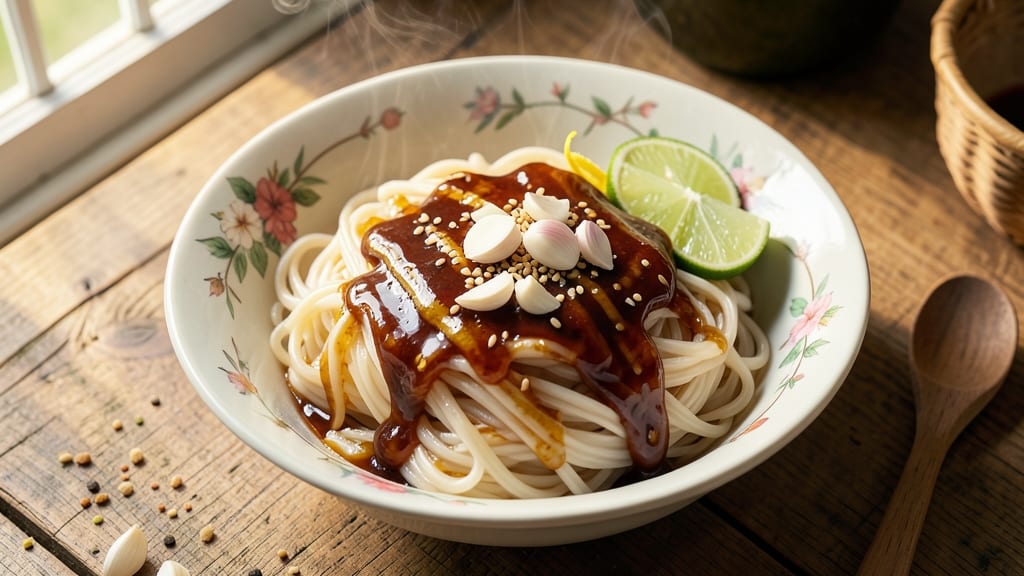
This Cantonese rice noodle recipe delivers the perfect balance of crisp wok-seared edges and silky centers, all wrapped in a fragrant soy-lime glaze that captures the essence of Hong Kong street food.
The secret lies in blanching the noodles just until tender, then finishing them in a screaming-hot wok for that signature texture contrast. I developed this recipe after years of eating at local yum cha spots, and it's the one dish that always brings back those nostalgic flavors.
The beauty of this dish is in its simplicity—just a few ingredients transform into a restaurant-quality meal. You'll start with rice noodles that soak up the aromatic sauce while maintaining their delicate texture, then finish with a quick sear in the wok that creates those coveted crisp edges.
The soy-lime glaze adds a perfect balance of savory and bright citrus notes that elevate every bite. This is the kind of dish that disappears faster than it takes to make.
Ingredients for cantonese rice noodle
Just twelve ingredients transform into restaurant-quality Cantonese rice noodles with crisp edges and fragrant glaze.
| Ingredient | Amount | Notes |
|---|---|---|
| Rice Noodles 🍜 | 8 oz | Flat, medium-width variety |
| Light Soy Sauce 🥢 | ⅓ cup | Kikkoman preferred |
| Dark Soy Sauce 🥢 | 1 tbsp | For color depth |
| Lime Juice 🍋 | ¼ cup | Freshly squeezed |
| Sesame Oil 🫒 | 1 tbsp | Toasted, for aroma |
| Garlic Cloves 🧄 | 4 cloves | Minced, for fragrance |
| Ginger Root 🌿 | 1 tbsp | Freshly grated |
| Neutral Oil 🫒 | 2 tbsp | Vegetable or peanut |
| Green Onions 🧅 | 4 whole | Thinly sliced, for garnish |
| Sesame Seeds 🌾 | 1 tbsp | Toasted, for crunch |
| Salt 🧂 | ½ tsp | Fine sea salt |
| White Pepper 🌶️ | ¼ tsp | Freshly ground |
| Sugar 🍚 | 1 tsp | White granulated |
The rice noodles are the foundation—medium-width flat noodles from an Asian market (like 99 Ranch or H Mart) give the best texture. If you can't find them, vermicelli or udon noodles work in a pinch, but they won't be as authentic. The soy sauces matter too: Kikkoman light soy for flavor, dark soy for that signature deep color. Fresh lime juice is non-negotiable here—bottled just won't cut it. For the garlic and ginger, buy fresh and grate/zest right before cooking to preserve their aromatic oils.
No sesame oil? Toasted peanut oil works in a bind, though it'll have a slightly different profile. Short on lime? Lemon juice plus a pinch of sugar mimics the brightness. The sugar in this recipe isn't just for sweetness—it helps balance the acidity from the lime and enhances the caramelization when searing. For the green onions, use the whites too—they add subtle sweetness. If you're feeling fancy, toast the sesame seeds in a dry pan for 30 seconds before adding them to the dish for maximum aroma.
Noodles cook in 3-5 minutes—they're done when they're tender but still hold their shape. Store any leftovers in an airtight container with a paper towel on top to prevent sogginess. They'll keep in the fridge for 3 days, though I'd recommend reheating them quickly in a wok or skillet to revive that crisp texture. For extra restaurant flair, serve with a side of chili garlic sauce or a sprinkle of crushed peanuts on top.
Why You'll Love This Recipe
- No-Fuss Assembly: The noodles just need boiling water—no chopping, no marinating, no fuss. Toss them in while you stir-fry the sauce, and you’ve got dinner ready faster than takeout.
- Umami Magic: That dark soy sauce? It’s the secret weapon—deep, savory, and slightly smoky. A splash of lime brightens it up, while sesame oil adds that nutty finish that makes you go back for seconds.
- Weeknight Wonder: Cold leftovers? Perfect for lunch. Too busy to cook? Double the batch and reheat. It’s my go-to when I’ve got a house full but zero energy—still tastes like you slaved over it.
- Budget Flex: Rice noodles stretch a meal without breaking the bank. A little soy sauce, a squeeze of lime, and you’ve got a satisfying dish that won’t drain your wallet—or your patience.
Step-by-step instructions for wok-seared rice noodles
Master the art of crispy edges and fragrant glaze with this precise Cantonese technique.
Soak and Prep the Rice Noodles
Fill a large bowl with cold water and add the 8 oz rice noodles. Let them soak for 15-20 minutes until pliable but still slightly firm to the touch. Over-soaking makes them mushy—test by pressing a noodle between your fingers. They should bend without breaking.
While soaking, prepare your wok or large skillet by heating 2 tablespoons neutral oil over high heat until shimmering. The oil should be hot enough that when you toss a noodle in, it sizzles immediately. This high heat is crucial for achieving those signature crisp edges later.
Build the Aromatic Base
Add the minced 4 cloves garlic and 1 tablespoon freshly grated ginger root to the hot oil. Stir constantly for 30 seconds until fragrant but not browned—ginger burns quickly, so watch closely. You'll know it's ready when the aroma fills your kitchen and the raw garlic color lightens noticeably.
Immediately pour in the 0.33 cup light soy sauce and 1 tablespoon dark soy sauce. The dark soy sauce will give your noodles that classic mahogany glaze. Let this mixture simmer for 1 minute while you drain the noodles in a colander, reserving ½ cup noodle water. This starchy water is your secret weapon for balancing flavors later.
Wok-Sear the Noodles
Working in batches if needed, add the drained noodles to the wok in a single layer. Using tongs, toss vigorously for 2-3 minutes until they develop golden-brown spots and crisp edges. This is where the magic happens—the high heat creates that perfect texture contrast between crispy exterior and tender interior.
As the noodles cook, they'll release moisture. If they start sticking, add 1-2 tablespoons of reserved noodle water to loosen them. The goal is even cooking with those beautiful caramelized patches—don't be afraid to press them gently against the hot wok surface to encourage browning.
Create the Fragrant Glaze
Push the noodles to one side of the wok and add 1 tablespoon sesame oil, 0.25 cup freshly squeezed lime juice, 1 teaspoon sugar, 0.5 teaspoon salt, and 0.25 teaspoon white pepper to the empty space. Let this mixture bubble for 1 minute until slightly thickened and aromatic.
Stir the noodles into the sauce, tossing well to coat evenly. If the mixture seems too thick, add another splash of noodle water. The sauce should cling to the noodles without being gloppy. Taste and adjust seasoning—you might need a touch more light soy sauce for balance, especially if your lime juice was particularly tart.
Finish and Garnish
Transfer the noodles to serving plates and immediately garnish with thinly sliced 4 whole green onions and 1 tablespoon toasted sesame seeds. The green onions add freshness while the sesame seeds contribute nutty crunch. Serve while hot, as the crisp edges soften quickly once removed from the wok.
For best results, eat within 10 minutes of cooking. The texture contrast—crisp edges, tender noodles, glossy glaze—is what makes this dish truly special. Each bite should deliver that perfect balance of salty, tangy, and umami flavors with every crispy bite against the smooth noodle.
Pro Tips For Making Cantonese Rice Noodle
- SOAK NOODLES UNTIL FLEXIBLE: I learned this the hard way—dry rice noodles are like brittle sticks until they drink up water. Soak them in warm (not boiling) water for 10-15 minutes until they bend easily but still have a slight bite. Over-soaking turns them mushy, and under-soaking means they’ll fight you when tossing with sauce.
- USE DARK SOY FOR COLOR: Light soy adds flavor, but dark soy is the real MVP here. Toss in just ½ teaspoon of dark soy sauce with the noodles while they’re still hot—it caramelizes instantly and gives that signature glossy, amber hue. Skip it, and your dish looks dull even if the taste is spot-on.
- DRIZZLE SESAME OIL LAST: Sesame oil burns faster than you’d think. Save it for the very end—right after the noodles hit the plate. A few drops (about 1 teaspoon) will perfume the dish without turning bitter. Add it earlier, and you’ll end up with a bitter aftertaste that ruins the fresh, bright flavors.
- TOSS WITH LIME WHILE HOT: The lime juice needs heat to wake up. Toss the noodles with lime immediately after draining and tossing with soy—while they’re still steaming. This cuts through the richness and brightens the dish without making the noodles soggy. Wait too long, and you’re left with a sad, lukewarm bowl.
Make-ahead tips for cantonese rice noodle
Noodle Prep Ahead
Blanch the rice noodles in advance to save time—simmer them in boiling water for just 1 minute, then drain and rinse with cold water. Store in an airtight container with a damp paper towel to prevent drying.
They’ll keep in the fridge for 2 days and can be reheated quickly in a wok with a splash of water to restore crispness. 💫
Sauce Prep Shortcut
Make the soy-lime glaze in advance by whisking together 0.33 cup light soy sauce, 1 tbsp dark soy sauce, 0.25 cup lime juice, 1 tsp sugar, and 1 tbsp sesame oil.
Store in a sealed jar in the fridge for up to 5 days. When ready to cook, simply toss the prepped noodles in the sauce and sear for 2-3 minutes to revive the crisp edges.
Protein Prep Options
Marinate protein like shrimp or tofu in 1 tbsp soy sauce, 1 tsp sesame oil, and 1 tsp grated ginger ahead of time. Store in the fridge for up to 12 hours—just sear in the wok for 1-2 minutes before tossing with the noodles.
For pork, slice thinly and parboil for 5 minutes before storing; finish cooking with the noodles.
Garnish Prep
Toast the 1 tbsp sesame seeds in a dry pan for 30 seconds and store in a small jar. Thinly slice the 4 green onions and keep them in a sealed container.
These garnishes add freshness and texture—just sprinkle them on top right before serving. Prepping these ahead ensures you’re ready to plate beautifully in seconds. ✨
Fully Assembled Storage
For a complete make-ahead meal, cook the noodles and sauce as directed, then store everything in a single airtight container. Reheat by microwaving for 2 minutes or tossing in a wok over medium-high heat for 3-4 minutes.
The texture won’t be as crisp, but it’s a great option for busy nights. Add fresh green onions and sesame seeds after reheating for brightness. 🔥
Nutrition facts
Frequently asked questions
Can I use regular spaghetti instead of rice noodles?
Not ideal! Rice noodles are thinner and more delicate, absorbing flavors beautifully while maintaining their texture. Spaghetti is too thick and chewy—it won't achieve that signature crispy edge when wok-seared. For a closer substitute, try vermicelli or udon noodles (though they'll have a slightly different texture). The key is medium-width flat rice noodles for authentic results.
Why do my noodles turn out mushy instead of crispy?
Over-soaking is the #1 culprit! Soak noodles for just 15-20 minutes until pliable but still firm. If they feel too soft, drain immediately and proceed. Also, ensure your wok is screaming hot before adding noodles—this creates the crisp edges. Work in batches if needed, and don't overcrowd the pan. The high heat is what transforms them from soft to crispy!
Can I make this recipe vegetarian?
Skip the protein or use tofu, mushrooms, or bean sprouts. For extra umami, add 1 tbsp vegetarian oyster sauce to the glaze. Tofu works best when marinated in 1 tbsp soy sauce + 1 tsp sesame oil for 15 minutes before cooking. The dish remains just as flavorful—just focus on the perfect noodle texture and sauce balance.
How do I store leftovers to keep them crispy?
Store cooked noodles in an airtight container with a paper towel on top to absorb moisture. Reheat in a wok over medium-high heat for 2-3 minutes, adding 1 tsp water to revive crispness. For best texture, serve within 2 days. If reheating, garnish with fresh green onions and sesame seeds immediately after cooking.
What's the difference between light and dark soy sauce?
Light soy sauce (like Kikkoman) adds flavor and saltiness, while dark soy sauce provides color and a slightly sweeter, deeper taste. The dark variety gives your noodles that classic mahogany glaze. Use 1 tbsp dark soy sauce for color depth—it's non-negotiable for authentic Cantonese flavor!