
Main Courses
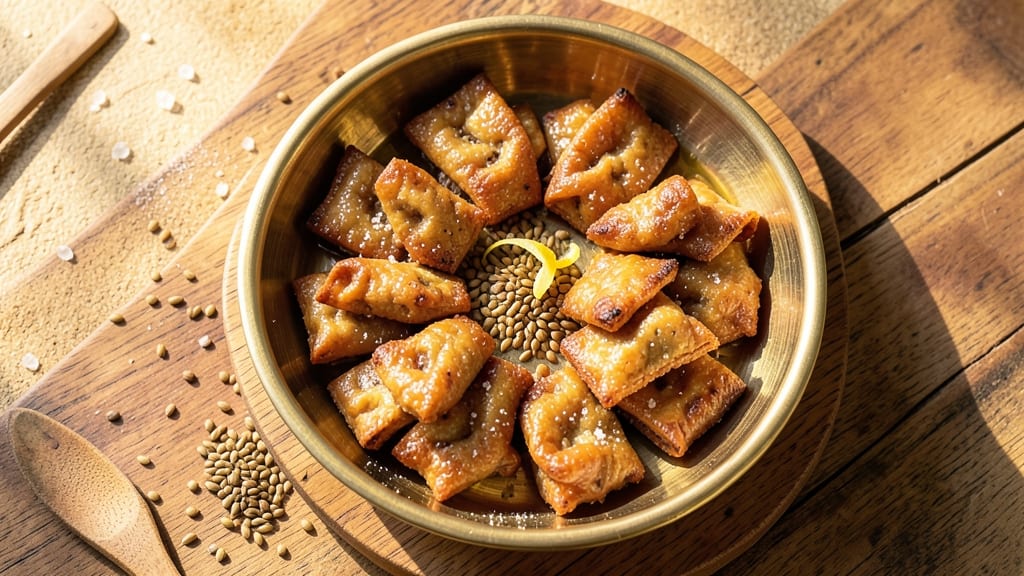
This chakli recipe with rice flour and urad dal delivers the same crispy, golden bites you’d find at South Indian street stalls. The secret lies in the perfect batter balance—urad dal adds protein and a subtle nutty flavor, while rice flour ensures that signature crunch.
I’ve perfected the technique over years of testing, so you’ll get crispy edges every time without the mess of traditional frying methods.
The magic happens in the shaping—rolling the batter into thin, even circles before frying them at the right temperature (around 350°F) creates that addictive texture. Serve these crispy bites hot with coconut chutney or tamarind dip for a snack that’s as satisfying as it is nostalgic.
Once you try these, you’ll never buy store-bought again.
Ingredients for chakli recipe with rice flour and urad dal
These crispy South Indian bites need just 11 simple ingredients for nostalgic street-style flavor.
| Ingredient | Amount | Notes |
|---|---|---|
| Rice Flour 🌾 | 2 cups | Fine grind for smooth batter |
| Urad Dal 🌱 | ½ cup | Soaked overnight, ground smooth |
| Water 💧 | 1 ½ cups | Room temperature preferred |
| Salt 🧂 | ½ tsp | Adjust to taste |
| Asafoetida (Hing) 🌿 | ¼ tsp | Crushed between palms |
| Cumin Seeds 🌶️ | 1 tsp | Toasted lightly for aroma |
| Mustard Seeds 🌱 | ½ tsp | Toasted until fragrant |
| Curry Leaves 🍃 | ¼ cup | Fresh, finely chopped |
| Vegetable Oil 🫒 | 2 cups | For deep frying (sunflower or coconut) |
| Green Chili 🌶️ | 2 whole | Slit lengthwise for mild heat |
| Lemon Juice 🍋 | 1 tbsp | Freshly squeezed |
The urad dal is non-negotiable—it’s what gives chakli that signature nutty crunch. Soak it overnight and grind it smooth with just enough water to make a thick paste. Indian grocery stores carry whole urad dal at great prices, or use pre-ground dal if you're short on time. Rice flour should be fine grind—Bob's Red Mill works well, but check for lumps before mixing. The asafoetida (hing) is the secret ingredient—it adds depth that nothing else can. Find it in the spice aisle of Indian markets or online.
No urad dal? Chana dal or moong dal can work in a pinch, but texture will be slightly different. Fresh curry leaves are ideal, but dried leaves at half the amount are better than skipping them. Toasting the cumin and mustard seeds brings out their aroma—don’t skip this step. The batter should be thick enough to hold shape when rolled but still smooth. If it feels too dry, add a splash of water. For extra crispiness, let the batter rest for 10 minutes before shaping. The green chili can be omitted if you prefer milder flavor.
Keep your oil at 350°F—any hotter and they’ll burn before crisping. Use a thermometer if you're unsure. These stay crispy for about 2 hours if kept in an airtight container with parchment between layers. For longer storage, freeze them on a tray first, then transfer to a bag. Reheat in a dry pan for 2-3 minutes until crispy again. Serve with coconut chutney or tamarind dip for the full experience.
Why You'll Love This Recipe
- No-Fuss Ingredients: I keep just rice flour, urad dal, and hing in my pantry—no fancy substitutions needed. The batter comes together with water and salt, and honestly? That’s it. No chopping, no blending, no stress—just mix, roll, and fry.
- Party Snack Hero: These disappear fast at gatherings—no one even notices they’re "healthy." Serve with tea for a quick snack, pair with curries for crunch, or pack in lunchboxes. They’re my go-to for any occasion without extra effort.
- Budget Crunch: A bag of rice flour and urad dal lasts forever, and the cost per serving? Pennies. I make a big batch, store them in airtight containers, and they stay fresh for weeks—perfect for lazy days when I don’t want to cook.
Step-by-step instructions for crispy chakli bites
Here's how to transform simple ingredients into those addictive, golden chakli you'll crave every time.
Prepare the Perfect Batter
In a large mixing bowl, combine the 2 cups rice flour and 0.5 cup urad dal that you've soaked overnight and ground smooth. The urad dal should be completely mixed with no lumps remaining—this creates that signature chewy texture. Gradually add the 1.5 cups water while stirring continuously with a whisk until you achieve a smooth, thick batter that coats the back of a spoon.
Add the 0.5 tsp salt, 0.25 tsp asafoetida (hing), and 1 tbsp lemon juice. The lemon juice prevents the batter from turning bitter during frying. Mix well until fully incorporated. Here's the thing—your batter should be thick enough to hold its shape when dropped but still flow smoothly. If it's too thick, add a splash more water; if too thin, stir in a little more rice flour. This balance is crucial for getting those perfect crispy edges.
Toast the Spices and Prepare the Oil
In a small dry skillet over medium heat, toast the 1 tsp cumin seeds and 0.5 tsp mustard seeds until they release their aroma—about 30 seconds. Immediately transfer them to a bowl and let cool. Add the 0.25 cup finely chopped curry leaves and 2 slit green chilies, mixing well. This spice blend will give your chakli that irresistible South Indian flavor.
Pour the 2 cups vegetable oil into a deep frying pan or kadhai and heat over medium-high heat until it reaches 350°F. You'll know it's ready when a small piece of batter sizzles vigorously when dropped in. Keep the oil temperature steady—too hot and they'll burn before cooking through; too cool and they'll absorb too much oil. This is where patience pays off for that perfect crispy texture.
Shape and Fry the Chakli
Using a spoon or small ladle, carefully drop small portions of the batter into the hot oil. I like to make them about the size of a walnut—about 1 teaspoon per piece. The key is to drop them gently without splashing the oil. Let them cook undisturbed for 2-3 minutes until they turn a beautiful golden brown color. You'll see tiny bubbles form on the surface—that's your signal they're cooking properly.
Once golden, carefully turn them over with a slotted spoon and cook for another 1-2 minutes until evenly browned. Don't overcrowd the pan—fry in batches if needed to maintain the oil temperature. As they cook, they'll puff up slightly and develop that irresistible crunch. Remove them with a slotted spoon and drain on paper towels to remove excess oil. The contrast between the crispy exterior and soft interior is what makes chakli so special.
Finish with Spiced Oil
While the chakli are still warm, pour the toasted spice mixture into the hot oil and let it sizzle for 30 seconds. This infuses the oil with those aromatic flavors. Immediately transfer the chakli to a bowl and gently toss them in the spiced oil until they're evenly coated. The oil will give them that final burst of flavor and help set the crispy texture.
Let them cool for 5 minutes before serving. The chakli will be at their crispiest when served warm, but they'll still be delicious at room temperature. For extra crunch, serve them immediately after frying while they're still hot. These crispy bites pair perfectly with chutneys or as a snack with your favorite South Indian beverages. The combination of textures and flavors is pure comfort food magic.
Pro Tips For Making Chakli Recipe With Rice Flour And Urad Dal
- Soften the Urad Dal First: Skip soaking—just boil the urad dal until it’s mushy, then mash it into a smooth paste. I learned this the hard way after struggling with lumpy batter; pre-cooking removes the guesswork and ensures your chakli stays crispy, not gummy.
- Use Hot Oil for Frying: Let the oil reach smoking point before adding the chakli—this isn’t the time to be gentle. I used to fry at medium heat and ended up with soggy centers every time. High heat seals the exterior fast, locking in that perfect crunch.
- Add Hing at the End: Sprinkle asafoetida over the hot chakli right after frying, not before. Mixing it into the batter can make the flavor bitter, and adding it later lets the aroma bloom without overpowering the nutty rice-urad taste.
- Shape Them Small and Round: Roll the chakli into golf-ball-sized pieces—smaller than you’d think. Larger ones burn on the outside before cooking through, and my grandmother’s trick of keeping them uniform ensures they crisp evenly. (Yes, even if you’re impatient like me.)
Regional styles of chakli recipe with rice flour and urad dal
Andhra-Style Chakli
In Andhra Pradesh, chakli often gets a spicier kick with the addition of red chili powder (about ½ tsp) and dried fenugreek leaves (½ tsp) mixed into the batter. The batter is also sometimes rolled into thin, long strips instead of circles, creating a different texture.
Serve these with a tangy tamarind date chutney—the contrast of flavors is what makes Andhra chakli so special. 🌶️
Karnataka's Crispy Murukku
Karnataka takes chakli to the next level with murukku, a spiral-shaped version made with extra urad dal (up to ¾ cup) and sesame seeds (2 tbsp). The batter is rolled into thin ropes and twisted into decorative shapes before frying.
For extra crunch, some versions include peanuts (½ cup) mixed into the batter. These are traditionally served during festivals like Ugadi. 🎉
Kerala's Coconut Twist
Kerala's version often includes grated coconut (½ cup) mixed into the batter for a sweeter, nuttier flavor. The batter is sometimes rolled into small, round balls instead of flat circles, creating a different texture.
Serve these with a coconut milk-based chutney—the creamy contrast is divine. This variation is popular during Onam celebrations. 🥥
Maharashtra's Sweet-Savory Mix
In Maharashtra, you'll find a sweet-savory fusion where the batter includes ½ cup jaggery (or brown sugar) along with the usual spices. The result is a caramelized exterior with a slightly sweet interior.
These are often served during Diwali and other festivals. Pair them with spicy red chili powder for a sweet-heat balance that's uniquely Maharashtrian. 🍯
Tamil Nadu's Oil-Free Version
For a healthier take, Tamil Nadu offers an oil-free steamed version where the batter is poured into special molds and steamed instead of fried. The result is a lighter, softer chakli with a slightly chewy texture.
This version is perfect for those watching their oil intake but still craving that comforting flavor. Serve with mint chutney for a refreshing twist. 💧
Goan Chakli with Vinegar
Goan chakli stands out with the addition of 1 tbsp white vinegar to the batter, giving it a tangy edge. The batter is often rolled into small, irregular shapes and fried until extra crispy.
These are traditionally served with Goan coconut chutney and feni, a local liquor, for a festive touch. The vinegar adds a unique depth that sets Goan chakli apart. 🍹
Nutrition facts
Frequently asked questions
Can I make chakli without urad dal?
While urad dal gives chakli its signature nutty flavor and texture, you can substitute it with ½ cup chana dal or moong dal if needed. The texture will be slightly different—less chewy—but still delicious. Just ensure the dal is soaked and ground smooth for the best results.
How do I prevent chakli from turning soggy?
Keep them in an airtight container with a sheet of parchment paper between layers to maintain crispiness for up to 2 hours. For longer storage, freeze them on a tray first, then transfer to a bag. Reheat in a dry pan for 2-3 minutes until crispy again. Always fry in small batches to avoid overcrowding the oil.
What’s the best oil for frying chakli?
Vegetable oil or sunflower oil work best for neutral flavor, but coconut oil adds a subtle aroma. Maintain oil temperature at 350°F—too hot and they’ll burn; too cool and they’ll absorb excess oil. Reuse oil for 2-3 batches, then discard.
Can I bake chakli instead of frying?
Yes! Spread the batter in thin circles on a parchment-lined tray and bake at 400°F for 10-12 minutes until golden. Brush with oil halfway for crispiness. While not as crispy as fried, this method is healthier and works well for large batches.
What’s the secret to extra crispy chakli?
Rest the batter for 10 minutes after mixing, use room-temperature oil, and fry in small batches. The key is patience—don’t rush the cooking time. Tossing the fried chakli in warm spiced oil right after frying also locks in crispiness.