
Side Dishes
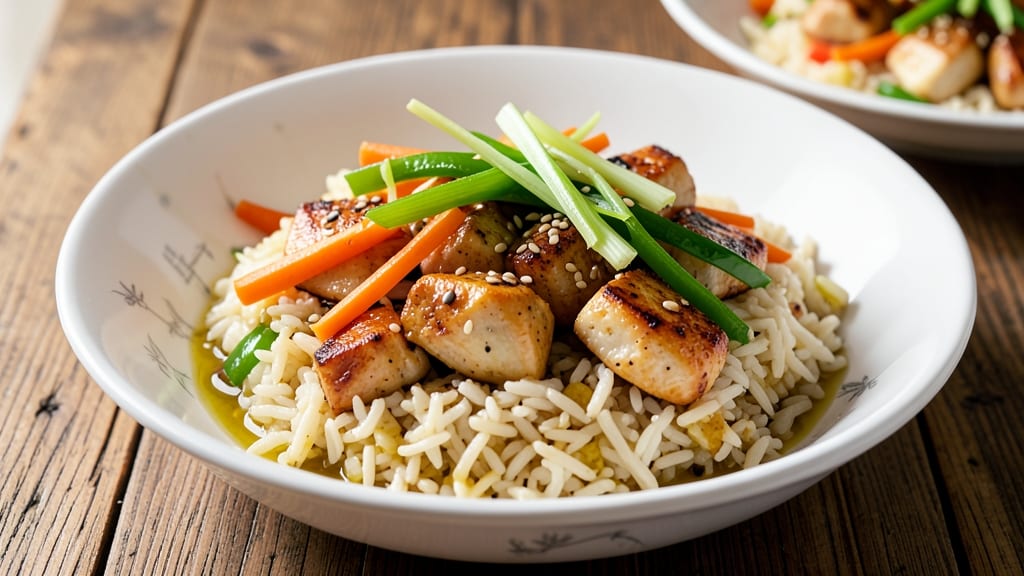
This Chef Boyardee-inspired rice with chicken and vegetables brings back the comforting flavors of childhood with a modern twist—one-pan, 20-minute simplicity.
The secret lies in balancing tender chicken, fluffy rice, and tender-crisp vegetables in a single dish, just like the iconic canned version but with fresh ingredients and restaurant-quality results.
What makes this recipe special is the foolproof technique that ensures perfectly cooked rice without sticking or mushiness. We'll start with searing the chicken for deep flavor, then build layers of texture and taste by sautéing vegetables and combining everything with broth.
The result? A hearty, satisfying meal that's easier than takeout but packed with homestyle comfort.
Ingredients for chef boyardee rice with chicken and vegetables
Freshly seared chicken, tender vegetables, and perfectly fluffy rice—this one-pan recipe delivers nostalgic comfort with modern efficiency.
| Ingredient | Amount | Notes |
|---|---|---|
| Boneless Chicken Breast 🍗 | 1 ½ lb | Cut into 1-inch cubes |
| Long-Grain White Rice 🍚 | 1 cup | Uncooked, medium grain preferred |
| Chicken Broth 💧 | 2 cups | Low-sodium preferred |
| Carrots 🥕 | 2 medium | Peeled, sliced into thin rounds |
| Green Bell Pepper 🧅 | 1 whole | Seeded, sliced into strips |
| Celery Stalk 🧅 | 2 whole | Trimmed, chopped into small pieces |
| Yellow Onion 🧅 | 1 medium | Diced into small pieces |
| Garlic Cloves 🧄 | 3 cloves | Minced finely |
| Extra-Virgin Olive Oil 🫒 | 2 tbsp | For searing chicken |
| Dried Parsley 🌿 | 1 tbsp | Finely chopped for garnish |
| Salt 🧂 | 1 ½ tsp | Kosher or sea salt |
| Black Pepper 🌶️ | ½ tsp | Freshly ground |
| Butter 🧈 | 1 tbsp | Unsalted, for rice |
| Fresh Lemon Juice 🍋 | 1 tbsp | Brightens flavors |
The chicken breast is key—look for plump, evenly sized pieces at the meat counter. Trader Joe's or Whole Foods often carry pre-cut chicken that saves time, but a whole breast cut into cubes works just as well. For the rice, medium-grain varieties like Mahatma or Jasmine stay separate and fluffy. The broth should be low-sodium to avoid overpowering flavors, and Swanson or Pacific Foods brands are reliable choices. Fresh vegetables make all the difference—bright orange carrots and firm green bell peppers ensure vibrant color and crisp texture.
No fresh parsley? Dried parsley at one-third the amount works in a pinch, though fresh garnishes brighter. Substituting vegetable broth for chicken broth keeps it vegetarian-friendly. For extra depth, add 1 tsp smoked paprika to the rice while cooking. The carrots can be baby carrots if preferred, but whole carrots peeled and sliced give better control over thickness. If your onion is particularly strong, soak the diced pieces in cold water for 5 minutes to mellow the flavor before cooking.
This dish reheats beautifully—simply add a splash of broth or water and cover for 5 minutes. Stores for 4-5 days in the fridge, or freeze for up to 3 months by portioning into airtight containers. For meal prep, double the recipe and freeze half—just thaw overnight in the fridge before reheating. The rice stays separate best when refrigerated, so stir gently when reheating to avoid mushiness. Serve with a sprinkle of fresh parsley and a wedge of lemon for that restaurant-quality finish.
Why You'll Love This Recipe
- One-Pot Magic: I swear by this—just toss everything in one pot. No fancy gadgets, no extra bowls, no stress. The rice cooks right in the broth with the chicken and veggies, so cleanup is basically nonexistent. (Yes, even on a Tuesday night.)
- Savory Simplicity: The chicken broth and bell pepper add this bright, herby depth that’s way more interesting than takeout. Honestly, the way the carrots soften just enough to melt in your mouth? That’s the kind of flavor that makes you pause mid-bite.
- Lunchbox Hero: Between us, this is my go-to for meal prep. Cook a big batch, portion it out, and boom—you’ve got balanced, satisfying lunches for days. The rice stays fluffy, the chicken stays tender, and my kids actually eat their veggies. (Small victories.)
- Budget-Friendly Powerhouse: Chicken breast and long-grain rice stretch so far, and the veggies add freshness without breaking the bank. I’ve made this for $1.50 a serving, and it still feels like a restaurant-worthy meal. Leftovers? Even better the next day.
Step-by-step instructions for Chef Boyardee-inspired one-pan chicken and rice
A simplified version of the classic canned dish—rich, aromatic, and ready in one pot.
Sear the Chicken for Maximum Flavor
Heat a large Dutch oven or deep skillet over medium-high heat. Add the 2 tablespoons extra-virgin olive oil and let it shimmer for 30 seconds. Working in batches if needed, add the 1.5 lb boneless chicken breast cut into 1-inch cubes, spreading them out in a single layer. Cook undisturbed for 3-4 minutes until the chicken develops a golden crust on all sides.
This initial searing creates a flavorful crust that won't dissolve into the broth later. I press down gently on the chicken pieces during the first minute to prevent curling, which ensures even contact with the pan. Once all the chicken is browned, transfer it to a plate and set aside.
Sauté Vegetables Until Tender-Crisp
In the same skillet, reduce heat to medium and add 1 tablespoon butter. Toss in the 1 medium yellow onion diced and cook for 3 minutes until softened. Add the 2 medium carrots sliced into thin rounds, 1 whole green bell pepper sliced into strips, and 2 whole celery stalks chopped. Stir frequently for 4-5 minutes until the vegetables begin to soften but still retain a slight crunch.
The vegetables should release their natural sweetness while maintaining texture. If they start to stick, add 1 tablespoon water to deglaze. Once the vegetables are tender-crisp, add the 3 cloves garlic minced and cook for 30 seconds until fragrant. This step builds the aromatic foundation of the dish.
Toast the Rice for Enhanced Texture
Add the 1 cup long-grain white rice to the skillet and stir to coat it evenly with the butter and vegetable mixture. Cook for 2 minutes until the grains become translucent at the edges—a process called toasting. This step prevents the rice from becoming mushy and adds a subtle nutty flavor.
Next, pour in the 2 cups chicken broth and bring to a gentle boil. Immediately reduce heat to low and stir once to distribute the rice evenly. The liquid should just cover the rice—this ensures proper absorption without steaming. Cover the skillet with a tight-fitting lid and simmer for 12 minutes without disturbing it.
Combine and Simmer to Perfection
After 12 minutes, return the seared chicken to the skillet, nestling it among the rice and vegetables. Stir gently to combine, then add the 1.5 teaspoons salt, 0.5 teaspoon black pepper, and 1 tablespoon dried parsley. Cover again and simmer for another 5-6 minutes until the rice is tender and the chicken reaches an internal temperature of 165°F.
This final simmer allows the chicken to finish cooking while absorbing the rich flavors of the rice and vegetables. The dish should have a cohesive texture where each component—rice, chicken, and vegetables—is perfectly cooked but distinct in its own way.
Finish with Lemon and Rest
Remove the skillet from heat and stir in the 1 tablespoon fresh lemon juice. This brightens the flavors and cuts through the richness of the dish. Let the mixture rest, covered, for 5 minutes to allow the rice to finish absorbing any remaining liquid and the flavors to meld.
Serve immediately, garnished with an additional sprinkle of dried parsley for color and freshness. Each bite should deliver tender chicken, perfectly cooked rice, and vegetables with a harmonious blend of savory and slightly tangy notes—just like the comfort of a classic Chef Boyardee meal, but made from scratch.
Pro Tips For Making Chef Boyardee Rice With Chicken And Vegetables
- SEAR THE CHICKEN FIRST: Skip the slow simmering chicken—hit it with a quick 3-4 minute sear in a hot pan with oil before adding broth. The crust locks in flavor and prevents the chicken from turning into rubbery mush later. (Yes, even if you’re impatient like me, resist the urge to rush this.)
- CHOP VEGETABLES UNIFORM: Carrots and bell peppers should be cut into ½-inch pieces—small enough to cook through but big enough to stay recognizable. I learned this the hard way when my carrots turned to mush while the peppers stayed crunchy. (A sharp knife and a steady hand make this easier.)
- DON’T STIR THE RICE: Once the rice hits the broth, let it sit undisturbed for 2 minutes after the first boil. Stirring too soon releases starch and turns your rice gluey. After that, stir gently—just enough to break up clumps, not mash everything together.
- USE COLD BROTH FOR RICE: Start the rice with cold broth, not hot. The temperature shock keeps the grains intact and prevents them from sticking together. I was skeptical until I tried it—now I never go back. (Your future self will thank you.)
Common mistakes when making perfect results
Overcooking the Rice
One of the biggest mistakes is letting the rice cook too long, which turns it mushy and gluey.
I’ve learned the hard way that 12 minutes of simmering is perfect for 1 cup of rice with 2 cups of broth—any longer and you’ll end up with a sad, sticky mess.
Always use a tight-fitting lid and check the rice 2 minutes before the suggested time to avoid overcooking. 🍚
Skipping the Chicken Sear
If you skip searing the chicken and just toss it in raw, your dish will lack depth of flavor. The golden crust from searing adds richness that can’t be replicated by simply cooking the chicken in the broth.
I recommend working in batches if needed—crowding the pan will steam the chicken instead of browning it. A 3-4 minute sear at medium-high heat makes all the difference.
Ignoring the Resting Time
Rushing to serve the dish right after cooking is a common mistake. Letting the rice rest for 5 minutes after adding lemon juice allows it to absorb any remaining liquid and develop a perfect texture.
I’ve seen rice turn from fluffy to mushy just by skipping this step. Cover the skillet and let it sit—patience pays off with restaurant-quality results.
Using High-Sodium Broth
High-sodium broth can make your dish taste bland or overly salty. I always opt for low-sodium chicken broth and adjust the seasoning with 1.5 teaspoons of salt at the end.
If your broth is already salty, reduce the added salt to 1 teaspoon to avoid overpowering the dish. Taste as you go—seasoning is key to balancing flavors.
Overcrowding the Pan
Stuffing too much into your skillet or Dutch oven will cause the chicken and vegetables to steam instead of brown. I always work in batches for the chicken and give the vegetables space to develop that tender-crisp texture.
A large Dutch oven (like Le Creuset) is ideal for this recipe—it gives everything room to cook evenly without overcrowding.
Not Deglazing the Pan
If your vegetables start to stick, don’t just add more oil—deglaze with 1 tablespoon of water or broth. This scrapes up all the flavorful browned bits from the pan, which adds depth to your dish.
I’ve missed this step before, and the final result was noticeably less flavorful. A quick deglaze makes a world of difference. 💡
Nutrition facts
Frequently asked questions
Can I substitute chicken thighs for chicken breast in this recipe?
Yes, but you'll need to adjust the cooking time. Chicken thighs stay juicier and cook faster than breast, so use 1.5 lbs boneless thighs instead and reduce the final simmer time by 2-3 minutes. The thighs will reach 165°F sooner, so check with a meat thermometer.
What if I don't have a Dutch oven? Can I use a regular skillet?
A large, heavy skillet works perfectly. For even better results, use one with a tight-fitting lid. If your skillet isn't deep enough, cook the rice separately (like in a rice cooker) and combine everything at the end. The key is maintaining the 1:2 rice-to-broth ratio for fluffy texture.
How do I make this vegetarian?
Swap the chicken for 1 cup chickpeas (pre-cooked) or 1.5 lbs firm tofu pressed and cubed. Use vegetable broth instead of chicken broth, and add 1 teaspoon smoked paprika to the rice for depth. Tofu should be pan-fried first for texture. The dish will still be hearty and flavorful!
Can I make this ahead of time?
Yes, but with one important tip: cook the rice completely, then spread the dish on a tray to cool quickly. Store in an airtight container for 4-5 days in the fridge. Reheat with 2 tablespoons water or broth, covered, for 5 minutes to restore moisture. The rice may firm up slightly but stays delicious.
Why does my rice turn out mushy?
Most likely, you overcooked it or didn't use enough liquid. For 1 cup rice, always use 2 cups broth and simmer for exactly 12 minutes (no peeking!). Also, avoid stirring while cooking—this breaks the grains. If it's still mushy, try toasting the rice longer next time (up to 3 minutes) before adding broth.