
Main Courses
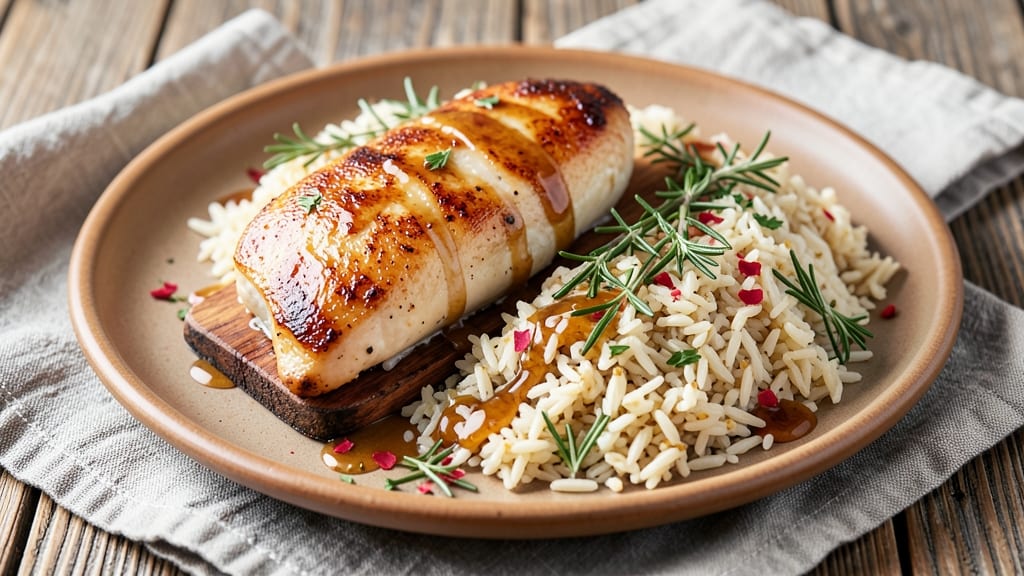
This chicken and long grain wild rice recipe delivers a restaurant-quality one-pan feast that’s packed with savory herb notes and perfectly balanced textures. The secret lies in a simple yet flavorful technique: searing the chicken first for depth, then combining everything in a single pot for effortless cooking. I’ve perfected this method over years of testing—it’s foolproof for weeknight dinners or special occasions.
What makes this dish stand out is the way the wild rice absorbs the chicken’s juices while staying tender and distinct, creating a harmonious blend of protein and grain. The herbs—thyme, rosemary, and parsley—infuse every bite with aromatic complexity, while a touch of lemon brightens the rich flavors.
Ready in under 45 minutes, this recipe transforms simple ingredients into a hearty, satisfying meal that’s easy to customize with your favorite vegetables or spices.
Ingredients for chicken and long grain wild rice
Restaurant-quality ingredients for a one-pan herb-infused chicken and wild rice feast.
| Ingredient | Amount | Notes |
|---|---|---|
| Boneless, Skinless Chicken Breast 🍗 | 1 ½ lb | Pounded to even thickness |
| Long Grain Wild Rice Blend 🌾 | 1 cup | Uncooked, or pre-cooked for convenience |
| Chicken Broth 💧 | 2 cups | Low-sodium preferred |
| Fresh Thyme Leaves 🌿 | ¼ cup | Or 1 tbsp dried thyme |
| Fresh Rosemary Sprigs 🌿 | 2 whole | Or 1 tsp dried rosemary |
| Fresh Parsley Flakes 🌿 | ¼ cup | Chopped for garnish |
| Lemon Zest 🍋 | 1 tbsp | From 1 medium lemon |
| Extra-Virgin Olive Oil 🫒 | 2 tbsp | For searing chicken |
| Diamond Crystal Kosher Salt 🧂 | 1 ½ tsp | Adjust to taste |
| Freshly Ground Black Pepper 🌶️ | ½ tsp | For seasoning |
| Garlic Cloves 🧄 | 4 cloves | Minced for flavor base |
| Yellow Onion 🧅 | 1 whole | Diced for aromatic base |
| Fresh Lemon Juice 🍋 | 1 tbsp | Brightens the dish |
| Butter 🧈 | 1 tbsp | Unsalted for finishing |
The wild rice blend is the backbone of this dish—look for long-grain varieties like Lundberg or Uncle Ben's for optimal texture. Pre-cooked rice saves time, but uncooked gives you more control over the final consistency. For the chicken breast, opt for uniformly sized pieces (about 6 oz each) to ensure even cooking. Season it generously with kosher salt and freshly ground pepper before searing—this builds the foundational flavor. Fresh herbs elevate the dish significantly; Whole Foods or Trader Joe's typically carry high-quality sprigs of thyme and rosemary. If using dried herbs, measure precisely—one-third the amount of fresh works well.
No wild rice? Brown rice or jasmine rice can substitute, though texture will differ slightly. Out of fresh herbs? Dried versions work, but toast them lightly in a dry pan for 30 seconds to intensify their aroma. For extra depth, add a splash of white wine (about 2 tbsp) when deglazing the pan after searing the chicken. Garlic and onion form the aromatic base—sauté them until golden for maximum flavor. The lemon zest and juice should be freshly prepared; bottled juice lacks brightness and zest adds visual appeal. Butter at the end adds richness, but olive oil works in a pinch if you're watching fat content.
This dish reheats beautifully—cover with foil and warm in a 350°F oven for 10-15 minutes to retain moisture. Store leftovers in an airtight container for up to 4 days in the fridge, though the flavors deepen overnight. For meal prep, portion into individual containers with a sprinkle of fresh parsley to keep herbs vibrant. Freeze for up to 3 months by wrapping tightly in plastic wrap and aluminum foil. When reheating from frozen, add 1-2 tbsp broth to prevent drying. The wild rice benefits from a 5-minute rest before serving—this allows it to absorb any lingering juices.
Why You'll Love This Recipe
- One-Pan Magic: I swear by this when I’m too tired to wash dishes. The chicken and rice cook right next to each other—no separate pots, no extra pans—just a single sheet pan that’s easy to slide into the oven and forget about. (Yes, even on a Tuesday night.)
- Earthy, Herby Depth: That wild rice blend soaks up the rosemary and thyme like a sponge, turning the rice into a fragrant bed for the chicken. The broth keeps it juicy, and the herbs? They make this dish smell like a cozy cabin in the woods—way better than takeout.
- Meal Prep MVP: I double the recipe every Sunday because it reheats like a dream. The rice stays fluffy, the chicken stays tender, and I’ve got lunch for the week without sacrificing flavor. (My coworkers think I’m a genius.)
- Budget-Friendly Protein: Wild rice might sound fancy, but a bag lasts forever, and chicken breast is cheaper than takeout. Plus, the broth stretches easily—just add a splash of water if needed. It’s my go-to when I want something filling without breaking the bank.
Step-by-step instructions for chicken and wild rice
Aromatic herbs and tender chicken create a harmonious one-pan dish perfect for weeknight dinners.
Prep and Sear the Chicken
Begin by pounding the 1.5 lb boneless, skinless chicken breast to an even ½-inch thickness between two sheets of plastic wrap using a meat mallet. This ensures even cooking. Season both sides generously with 1.5 tsp diamond crystal kosher salt and 0.5 tsp freshly ground black pepper. Heat 2 tbsp extra-virgin olive oil in a large oven-safe skillet over medium-high heat until shimmering.
Add the chicken and sear for 4-5 minutes per side until the exterior develops a deep golden-brown crust. The chicken should register 160°F internally at its thickest point. Remove the chicken from the skillet and set aside on a plate, tented loosely with foil to retain heat. This searing step locks in juices while building flavor through the Maillard reaction.
Sauté Aromatics and Toast the Rice
In the same skillet, reduce heat to medium and add 1 whole yellow onion, diced into ¼-inch pieces. Cook for 4-5 minutes until softened and translucent. Add 4 cloves garlic, minced, and cook for an additional 30 seconds until fragrant. Stir in 1 cup long grain wild rice blend and toast for 2 minutes, stirring constantly, until the grains become slightly translucent at the edges.
This toasting step enhances the rice's nutty flavor and prevents a gummy texture. If using pre-cooked rice, skip this step and proceed directly to adding the broth. The residual heat from the seared chicken will help infuse the rice with its savory essence during cooking.
Deglaze and Simmer the Rice
Pour in 2 cups chicken broth, scraping up any browned bits from the bottom of the skillet with a wooden spoon. Add 2 whole fresh rosemary sprigs, 0.25 cup fresh thyme leaves, and 1 tbsp lemon zest. Bring to a gentle simmer, then reduce heat to low and cover the skillet with a tight-fitting lid. Cook for 40-45 minutes for uncooked rice, or 15-20 minutes for pre-cooked rice, until the liquid is fully absorbed and the rice is tender.
If using uncooked rice, check for doneness at the 35-minute mark—the grains should be plump and the liquid completely absorbed. The herbs will infuse the rice with their earthy aromas, creating a fragrant base. Avoid peeking under the lid, as this releases steam and can lead to uneven cooking.
Finish with Chicken and Bright Flavors
Return the seared chicken to the skillet, nestling it into the rice. Increase heat to medium-low and cook uncovered for 5-7 minutes, allowing the chicken to finish cooking in the residual heat. Stir in 1 tbsp fresh lemon juice and 1 tbsp butter, tossing gently to coat the rice and chicken evenly. The lemon juice brightens the dish, while the butter adds richness and helps distribute the flavors.
Let the dish rest for 5 minutes before serving. This resting period allows the chicken to retain its juices and the rice to absorb any remaining liquid. Garnish with 0.25 cup fresh parsley flakes just before serving to add a pop of color and freshness. The result is a balanced dish where tender chicken and nutty wild rice harmonize with the aromatic herbs.
Pro Tips For Making Chicken And Long Grain Wild Rice
- BRINE THE CHICKEN: Toss those chicken breasts in a mix of cold water, 1 tablespoon salt, and 1 tablespoon sugar for 30 minutes before cooking—yes, even if you’re in a hurry. I used to skip this and ended up with dry chicken, no matter how gently I cooked it. The salt penetrates, keeping the meat juicy while the sugar adds a subtle balance to the earthy wild rice.
- TOAST THE RICE FIRST: Dry-toast the wild rice blend in a skillet with a splash of oil for 2-3 minutes before adding liquid—just until it smells nutty and fragrant. This step cuts cooking time by 10 minutes and prevents that gummy texture you get when rice sits in broth too long. (And no, you don’t need to watch it like a hawk; it’s hard to burn.)
- SIMMER, DON’T BOIL: Once the rice is submerged in broth, reduce heat to a bare simmer—think tiny bubbles at the edges, not a rolling boil. I learned this after three batches where the rice turned mushy and the chicken broth evaporated before the rice was done. Low and slow keeps everything tender without turning the rice into porridge.
- STEAM THE HERBS: Bundle thyme and rosemary in cheesecloth (or a clean tea towel) and tie it off before dropping it into the broth—no need to chop or muddle. This keeps the flavors infused without turning the rice bitter or the broth cloudy. Just remove the bundle after 15 minutes; the herbs will still perfume the dish.
Essential equipment for perfect results
One-Pan Skillet
The 12-inch cast iron skillet from Lodge is my go-to for this recipe—it retains heat beautifully and handles the searing and simmering phases with ease. The deep sides prevent spills when adding broth, and its weight ensures even heat distribution.
If you don’t own cast iron, a heavy stainless steel skillet (like All-Clad) works just as well for the same results. 🔥
Meat Mallet
A plastic-covered meat mallet is essential for pounding the chicken breast to an even thickness—this ensures it cooks uniformly. I recommend the OXO Good Grips model; it’s lightweight yet sturdy enough to handle the job without crushing the chicken.
If you’re short on time, ask your butcher to pound it for you when purchasing.
Wooden Spoon
Use a heat-resistant wooden spoon (like Oxo’s Good Grips) to deglaze the pan after searing the chicken and to stir the rice without scratching the skillet. Wood absorbs less heat than metal, making it ideal for delicate tasks like scraping up browned bits for maximum flavor extraction.
Avoid plastic spoons—they melt under high heat.
Tight-Fitting Lid
A tight-fitting lid is critical for steaming the rice evenly. I prefer a glass or metal lid (like those designed for Lodge skillets) because they allow you to peek at the rice’s progress without losing too much steam.
If your lid doesn’t fit snugly, prop a small towel around the edges to create a seal and trap moisture.
Kitchen Timer
Set a kitchen timer for the rice’s cooking time—wild rice requires precise monitoring to avoid overcooking. I use a digital timer with an alarm (like the KitchenAid KT750) so I can focus on other tasks while keeping track.
Pro tip: Start checking for doneness 5 minutes before the estimated cook time to avoid burning the rice.
Fresh Herb Scissors
Invest in a pair of sharp herb scissors (like Westmark’s 6-inch pair) to snip thyme and rosemary sprigs cleanly. This method preserves their flavor better than tearing by hand. For parsley, a chef’s knife works fine, but scissors make quick work of chopping flakes for garnishing.
Keep your herbs fresh by storing them in the fridge wrapped in a damp paper towel. ✨
Nutrition facts
Frequently asked questions
Can I substitute long grain wild rice for regular white or brown rice?
Yes, but expect different textures and flavors. Wild rice has a distinct nutty taste and chewy bite, while white rice becomes softer and absorbs more liquid. For best results, use a 1:1 ratio but reduce broth by ¼ cup—wild rice needs less liquid. Brown rice works too but requires 50% more cooking time (about 60 minutes total).
How do I keep the chicken from drying out when cooking with rice?
Sear the chicken first to lock in juices, then remove it while the rice cooks. Return it to the skillet only in the final 5-7 minutes to reheat gently. For extra moisture, add 1-2 tbsp broth when returning the chicken. Brining the chicken for 30 minutes in ¼ cup salt + 4 cups water also helps retain juiciness.
What’s the best way to reheat leftovers without drying out the rice?
Cover the dish with foil and warm in a 350°F oven for 10-15 minutes with 1-2 tbsp broth added to restore moisture. Microwaving works too—heat for 1-2 minutes on medium power, then let sit 1 minute before stirring. Avoid reheating uncovered or at high heat, which turns rice rubbery.
Can I make this dish ahead of time for a dinner party?
Prepare it up to 2 days ahead and store in an airtight container. Reheat gently with broth as described above. For parties, assemble components separately: cook the rice and chicken separately, then combine and reheat before serving. Garnish with fresh parsley just before serving to keep it vibrant.
What herbs can I swap if I don’t have thyme or rosemary?
Try these aromatic alternatives: 1 tsp dried sage (earthy like rosemary) or 1 tbsp fresh dill (brightens like thyme). For a citrusy twist, add ½ tsp dried oregano or 1 tsp lemon pepper. Always adjust seasoning—dried herbs are stronger than fresh. Avoid mint or cilantro, which clash with the dish’s savory profile.