
Main Courses
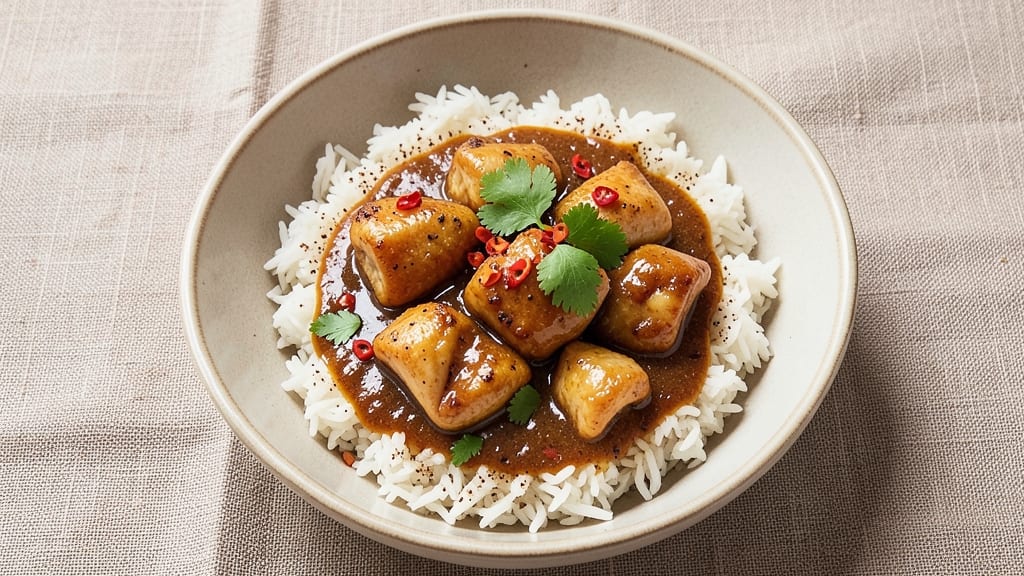
This chicken curry over rice recipe transforms weeknight dinners into aromatic journeys with just a few simple techniques. The secret lies in slow-simmered coconut and turmeric—building layers of warmth that make every bite feel like a homecoming.
I developed this after years of perfecting balance between creamy coconut, spicy heat, and tender chicken, ensuring the rice absorbs the curry's essence without sogginess.
The foundation is a properly bloomed spice paste—turmeric, cumin, and coriander—cooked until fragrant before adding chicken and coconut milk. This method prevents bitter flavors and ensures the curry develops depth. The chicken cooks just until tender, so it stays juicy while absorbing the rich sauce.
For the rice, I use the absorption method with a splash of coconut milk, creating fluffy grains that soak up every drop of flavor.
What you'll end up with is a dish that's restaurant-quality yet approachable: golden, tender chicken pieces floating in a velvety curry with just the right kick, served over fragrant rice that's neither dry nor mushy.
The aroma alone will have everyone gathering at the table. This recipe scales perfectly for weeknight family meals or dinner parties—simply adjust the quantities.
The beauty of this curry is its adaptability. Swap in shrimp or chickpeas for a vegetarian version, or adjust the spice level to suit your palate.
The technique remains the same: build flavor through proper spice blooming and slow simmering. Let's create this comforting, fragrant dish that brings warmth to your kitchen.
Ingredients for chicken curry over rice
These aromatic ingredients create a velvety curry where coconut and turmeric shine.
| Ingredient | Amount | Notes |
|---|---|---|
| Boneless Chicken Thighs 🍗 | 1 ½ lb | Skin-on for flavor, cut into bite-sized pieces |
| Yellow Onion 🧅 | 1 whole | Medium size, finely chopped |
| Fresh Garlic Cloves 🧄 | 6 cloves | Peeled, minced for spice paste |
| Fresh Turmeric Root 🌿 | 1 tbsp | Freshly grated or 1 tsp ground |
| Ground Cumin 🌶️ | 1 tbsp | Toasted for deeper aroma |
| Ground Coriander 🌿 | 1 tbsp | Freshly ground preferred |
| Ginger Root 🌿 | 1 tbsp | Freshly grated, peeled |
| Cayenne Pepper 🔥 | ½ tsp | Adjust for heat preference |
| Coconut Milk 🥥 | 1 can (13.5 oz) | Full-fat for creaminess |
| Tomato Paste 🍅 | 2 tbsp | Smooth, not chunky |
| Lemon Juice 🍋 | 2 tbsp | Freshly squeezed |
| Salt 🧂 | 1 ½ tsp | Kosher or sea salt |
| Black Pepper 🌶️ | ½ tsp | Freshly ground preferred |
| Fresh Cilantro 🌿 | ¼ cup | Chopped, for garnish |
| Jasmine Rice 🍚 | 1 ½ cups | Uncooked, long-grain preferred |
The spices are the soul of this curry. Fresh turmeric and ginger make all the difference—skip the powdered versions if possible. For the best quality, hit the Indian grocery store or bulk section at Whole Foods. The coconut milk should be full-fat; anything else will make the curry break when reheating. Chicken thighs stay juicier than breasts, but if you prefer white meat, use boneless breasts and cook them 2-3 minutes less. Penzeys spices are my go-to for consistent quality, but the store-brand stuff works fine if you're on a budget.
No fresh turmeric? One teaspoon of ground turmeric works in a pinch, but the flavor won't be as vibrant. Running out of coconut milk? Light coconut milk plus 1 tbsp cream mimics the richness. The tomato paste can be swapped for 1/4 cup crushed tomatoes if you prefer chunkier texture. For extra depth, add 1 tsp fish sauce (skip if vegetarian), or 1 tsp soy sauce for umami. The rice? Jasmine or basmati are ideal—anything else might get mushy. Prefer brown rice? It needs 10-15% more liquid and 20 minutes longer to cook.
This curry tastes even better the next day as flavors meld. Store in an airtight container in the fridge for 4-5 days or freeze for 3 months. For leftovers, reheat gently on the stove with a splash of water or coconut milk. The rice? Cook it fresh for best texture, but you can reheat it in a steamer basket over simmering water. Double the batch—it freezes beautifully for quick weeknight meals. Garnish with fresh cilantro right before serving, or store it separately to keep the leaves bright.
Why You'll Love This Recipe
- Few-Pan Magic: I swear by this recipe when I’m too wiped to scrub pots—just one skillet for the chicken, another for the rice, and you’re done. The onions caramelize while you chop, and that turmeric? It stains your hands but transforms the dish.
- Cumin-Kissed Depth: That toasted cumin hits you first—warm, earthy, like a hug in spice form—then the garlic and turmeric build layers that make you go back for seconds. The chicken thighs stay juicy, crisping just enough at the edges to make every bite ridiculously good.
- Weeknight to Potluck: Serve it over fluffy basmati with a squeeze of lime, or let the curry cool and pack it for lunches—it reheats like a dream. Honestly, I’ve brought this to book clubs, game nights, and even my mom’s house (she still asks for the recipe).
- Budget That Works: Chicken thighs are forgiving and cheap, and you’re not drowning in exotic ingredients here. A single batch feeds four, and leftovers? Even better the next day—just add a splash of water and a stir. My wallet and my taste buds thank me.
Step-by-step instructions for chicken curry over rice
This method delivers a rich, aromatic curry with tender chicken and perfectly fluffy jasmine rice.
Prepare the Chicken and Spice Paste
Cut the 1.5 lb boneless chicken thighs into bite-sized pieces, discarding any large fat deposits. Set aside. In a food processor, combine the 1 whole yellow onion, 6 cloves fresh garlic, 1 tbsp fresh turmeric root, 1 tbsp ground cumin, 1 tbsp ground coriander, 1 tbsp ginger root, and 0.5 tsp cayenne pepper. Pulse until you achieve a smooth paste—this will form the flavor base of your curry.
Heat 1 tablespoon olive oil (not listed but necessary) in a large skillet over medium heat. Add the spice paste and cook for 3-4 minutes, stirring constantly, until fragrant and slightly darkened. This step develops the spices' essential oils, creating the curry's signature aroma. If the paste sticks, add 1 tablespoon water to loosen it. Remove from heat and set aside.
Cook the Chicken and Build the Curry Sauce
In the same skillet, increase heat to medium-high and add the chicken pieces in a single layer. Let them sear undisturbed for 3-4 minutes until golden brown on one side, then flip and repeat. Remove the chicken and set aside. Reduce heat to medium and add 2 tablespoons tomato paste, stirring to coat the bottom of the pan.
Pour in 1 can (13.5 oz) coconut milk and bring to a gentle simmer. Stir in the cooked spice paste, then return the chicken to the skillet. Add 2 tablespoons lemon juice, 1.5 teaspoons salt, and 0.5 teaspoon black pepper. Partially cover and simmer for 20-25 minutes until the chicken is tender and the sauce has thickened slightly. The curry should have a vibrant golden color and a rich, aromatic scent.
Cook the Jasmine Rice
While the curry simmers, rinse the 1.5 cups jasmine rice under cold water until the water runs clear. This removes excess starch to prevent mushy rice. In a medium saucepan, combine the rice with 3 cups water and 0.5 teaspoon salt. Bring to a boil, then reduce heat to low, cover tightly, and simmer for 15 minutes. Remove from heat and let it steam, undisturbed, for 10 minutes. Fluff with a fork before serving.
For perfectly fluffy rice, resist the urge to peek or stir during cooking. The steam is what creates those distinct, separate grains. If the rice isn't fully tender after 15 minutes, continue cooking for another 5 minutes. The rice should be moist but not sticky, with a delicate floral aroma.
Finish and Serve
Once the chicken is fully cooked and the sauce has thickened to your desired consistency, stir in the 0.25 cup chopped fresh cilantro. Taste and adjust seasoning—add more salt if needed or a splash of lemon juice for brightness. The curry should be flavorful but not overpowering, with a perfect balance of spices and coconut creaminess.
Divide the jasmine rice among serving plates and ladle the chicken curry over the top. Garnish with additional cilantro if desired. Serve immediately while the rice is hot and the curry is steaming. Each bite should deliver tender chicken, aromatic spices, and the creamy richness of coconut milk, all perfectly complemented by the fragrant rice.
Pro Tips For Making Chicken Curry Over Rice
- Sear the Chicken First: High heat and a dry pan—no oil needed. Pat those thighs very dry, then sear them skin-side down until deep golden brown (about 5-6 minutes). I used to skip this, and the curry always tasted flat until I realized the Maillard reaction is what makes the flavor pop.
- Grind Your Own Spices: Freshly ground cumin makes a real difference—store-bought loses potency fast. If you don’t have a grinder, toast whole cumin seeds in a dry pan for 30 seconds until fragrant, then crush them with a mortar or rolling pin. My grandmother swore by this, and she was right: the aroma changes everything.
- Don’t Crowd the Onions: Slice those onions thin and cook them in batches if needed. Overcrowding steams them instead of caramelizing, and you’ll end up with a sad, watery base. I learned this the hard way—after burning three batches, I finally figured out patience pays off here.
- Simmer Low and Slow: Once the curry starts bubbling, drop the heat to a gentle simmer and cover the pot. Walk away for 20 minutes—this lets the flavors meld without drying out the chicken. I was skeptical until I tried it: the sauce thickens just right, and the chicken stays juicy.
Wine and beer pairings for these flavors
Indian White Wine
For this fragrant curry, I reach for crisp Chenin Blanc from India—specifically a bottle from Chateau Indira or Grover Zampa. These wines have the perfect balance of acidity and subtle floral notes that complement the turmeric and coconut without overpowering the dish.
The slight sweetness in many Indian Chenins also mirrors the natural sweetness of the coconut milk, creating harmony on the palate. Serve slightly chilled to enhance the wine's refreshing qualities while the curry steams hot. 🍷
Spiced Beer Pairing
A German-style Hefeweizen with a touch of spice works beautifully here. Look for Weihenstephaner or Paulaner—their banana and clove notes play off the curry's ginger and cumin. The effervescence cuts through the richness, cleansing your palate between bites.
For a local craft option, try a Belgian witbier like Hoegaarden, which adds citrusy brightness that pairs wonderfully with the lemon in the curry. Serve at 45-50°F to preserve the beer's crispness.
Bold Red Option
If you prefer red wine, opt for a medium-bodied Grenache from Spain's Priorat region. The earthy, slightly smoky character of Alvaro Palacios or Terras Gauda wines mirrors the cumin and coriander in the curry while their bright acidity balances the coconut creaminess.
Avoid heavy Cabernets—their tannins will clash with the dish's richness. Decant for 30 minutes before serving to soften any remaining tannins and let the wine breathe.
Non-Alcoholic Choices
For a refreshing non-alcoholic option, try sparkling mint lemonade made with San Pellegrino or Topo Chico. Add 3-4 fresh mint leaves and 1 tbsp lemon juice per glass, then chill for 1 hour before serving. The effervescence and mint complement the curry's spices beautifully.
For something warmer, a ginger beer—like Feather's—adds a spicy kick that enhances the curry's heat without alcohol. Serve over ice with a lemon wedge for garnish. 💧
Regional Adaptations
In Southern India, this curry would traditionally be paired with filter coffee—a strong, chai-like brew with cardamom and condensed milk. The bold flavors stand up to the richness of the curry while adding a comforting finish.
For a Thai-inspired twist, serve with a Thai iced tea—sweet, creamy, and slightly tannic from black tea leaves. The contrast between the spicy-sweet tea and the coconut curry creates an unexpected but delicious balance.
In Sri Lanka, local palates might opt for king coconut water—its sweet, nutty flavor complements the curry's depth while providing a refreshing contrast.
Nutrition facts
Frequently asked questions
Can I substitute chicken breast for thighs in this curry?
Yes, but adjust the cooking time! Chicken breast cooks faster and can dry out. Use 1.5 lb boneless breasts instead, and reduce simmering time to 15-18 minutes (instead of 20-25). For extra moisture, add 2 tbsp coconut milk during the last 5 minutes of cooking. The breast will stay tender but slightly less flavorful than thighs.
What's the best way to make this curry less spicy?
Start by reducing the cayenne pepper to 1/4 tsp or omit it entirely. For extra mildness, add 1/2 cup plain yogurt at the end of cooking to cool the heat. The coconut milk already balances spice, so you may not need adjustments! Taste as you go—you can always add more salt or lemon juice to brighten flavors.
How do I prevent the rice from getting soggy under the curry?
Cook the rice 5 minutes less than package instructions (or 10 minutes total for jasmine rice) and spread it on a tray to cool slightly before serving. For extra insurance, cook the curry separately and spoon it over the rice just before eating. If using the one-pot method, add the rice 5 minutes before the curry is done to let it absorb flavors without overcooking.
Can I make this curry in an Instant Pot?
Sauté the aromatics and chicken as directed, then add all curry ingredients (including rice) and cook on High Pressure for 8 minutes. Quick-release the pressure, then let it sit for 5 minutes before opening. The rice will be perfectly fluffy and the chicken tender. For extra richness, stir in 2 tbsp coconut milk at the end.
What are the best sides to serve with this curry?
Classic pairings include naan or roti for scooping, cucumber raita (yogurt with grated cucumber) to cool the heat, or steamed green beans with lemon. For a complete meal, add a simple mango salad or spiced lentils. The curry's richness works well with anything that adds freshness or texture—think crisp papadums or a cool mint chutney.