
Sauces & Condiments
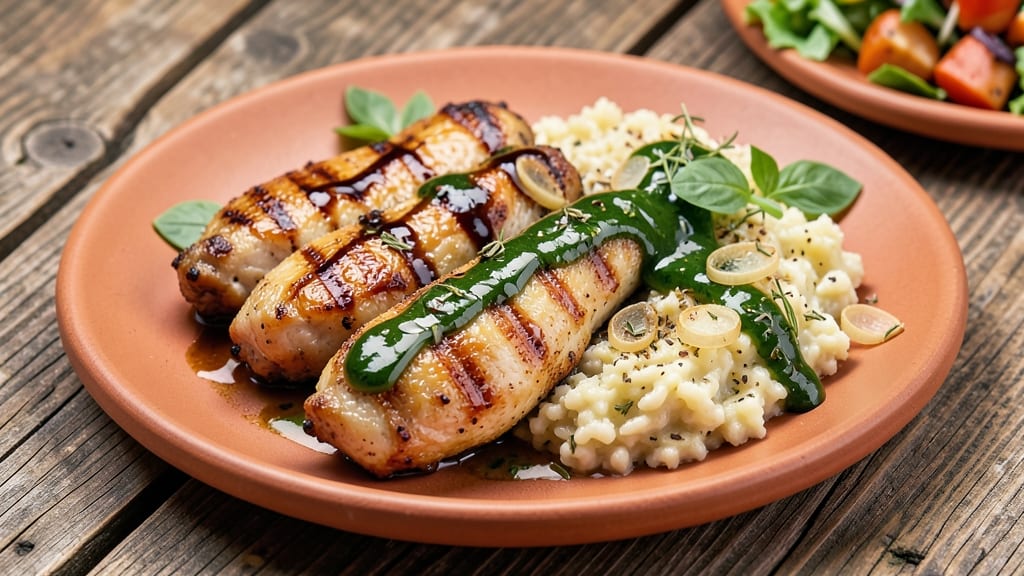
This Chicken Rice Italian dressing recipe transforms simple ingredients into a velvety, herb-infused sauce that elevates pasta, salads, and even chicken rice dishes. 🌟 The secret lies in balancing olive oil, aged balsamic, and fresh herbs to create a dressing that's rich yet bright—perfect for adding depth to any meal without overpowering the main ingredients.
What sets this dressing apart is its versatility—it works equally well as a drizzle for warm chicken rice, a finishing touch for grilled vegetables, or a tangy companion to fresh salads.
The recipe relies on a foolproof technique: emulsifying the oil and vinegar base while infusing it with garlic, basil, and oregano for that authentic Italian flavor profile.
By the time you whisk together the final ingredients, you'll have a dressing that's creamy yet light, with just the right balance of acidity and richness. The herbs stay vibrant, not bitter, and the texture remains silky smooth—ideal for storing in the fridge for up to a week.
This isn't just a dressing; it's a flavor booster that turns ordinary dishes into something extraordinary.
For best results, let the dressing sit for 10-15 minutes before using—this allows the flavors to meld completely. Pair it with your favorite chicken rice recipe, and you'll taste the difference in every bite.
The simplicity of the ingredients belies the complexity of the flavor, making this a go-to sauce for any meal.
Ingredients for chicken rice italian dressing
Ten essential ingredients blend into a velvety Italian dressing perfect for chicken rice and beyond.
| Ingredient | Amount | Notes |
|---|---|---|
| Extra-Virgin Olive Oil 🫒 | ¾ cup | High-quality, fruity, cold-pressed |
| Aged Balsamic Vinegar 🍷 | ⅓ cup | 12+ years aged for depth |
| Fresh Basil Leaves 🌿 | ½ cup | Packed, stems removed |
| Fresh Oregano Leaves 🍃 | ¼ cup | Italian oregano preferred |
| Garlic Cloves 🧄 | 4 cloves | Peeled, lightly crushed |
| Shallots 🧅 | 2 whole | Minced, or sub with onion |
| Dijon Mustard 🌶️ | 1 tbsp | For emulsification |
| Fresh Lemon Juice 🍋 | 1 tbsp | Brightens the dressing |
| Kosher Salt 🧂 | 1 tsp | Diamond Crystal preferred |
| Freshly Ground Black Pepper 🌶️ | ½ tsp | Cracked peppercorns preferred |
The olive oil and aged balsamic form the dressing's heart—look for extra-virgin olive oil with a peppery finish and balsamic that's at least 12 years aged for that rich, caramelized depth. Whole Foods or local olive oil shops often carry the best quality. Fresh herbs are non-negotiable here: basil and oregano should be vibrant green, not wilted. If you can't find Italian oregano, regular dried oregano works at half the amount. The garlic and shallots add aromatic complexity—roast them lightly before mincing for a sweeter flavor profile that won't overpower the delicate dressing.
No aged balsamic? Substitute with 2 tbsp regular balsamic plus 1 tsp maple syrup to mimic the depth. Swap shallots for 1 tbsp minced red onion if needed. For a mustard-free version, increase olive oil by 1 tbsp and whisk vigorously. The dressing's emulsification relies on the Dijon—if you're avoiding mustard, use 1 tsp ground flaxseed mixed with 1 tbsp water as a binder instead. For extra richness, add 1 tbsp of vegetable broth to the base before emulsifying, especially if using this for chicken rice where extra umami helps.
This dressing stays fresh for up to 1 week in an airtight container in the fridge, though the flavors deepen after 24 hours. To preserve the herbs' vibrancy, cover the surface with a thin layer of olive oil before sealing. For best results, shake or whisk before each use—the ingredients naturally separate. Portion into small jars for individual servings, or freeze in ice cube trays for single-use portions. The dressing enhances chicken rice dishes beautifully when drizzled just before serving, allowing the warm rice to soak up the flavors.
Why You'll Love This Recipe
- No-Fuss Pantry Magic: I’ll be real—this dressing comes together with stuff I already have. Olive oil, balsamic, garlic, and herbs? That’s it. No fancy shopping, no last-minute store runs. The aged balsamic alone adds depth without extra effort, and the garlic? Just a quick minced—no peeling tricks required.
- Herb-Packed Punch: Between us, the basil and oregano in this dressing are ridiculously good. They brighten up the richness of the olive oil and balsamic, giving it that fresh, sun-drenched Italian vibe. Honestly, I’ve used it on grilled chicken, rice bowls, and even as a drizzle for roasted veggies—every time, it’s the star.
- Weeknight Workhorse: This isn’t just for fancy dinners. I make a big batch on Sundays and toss it into lunches all week—over rice, with salad, or even as a marinade for chicken. It’s my go-to for when I’m too tired to think but still want flavor. (Yes, even on a Tuesday night.)
- Budget-Friendly Luxury: Extra-virgin olive oil and aged balsamic might sound fancy, but they stretch far when you’re drizzling, not pouring. A little goes a long way, and the herbs? A single bunch of basil and oregano lasts me ages. It’s the kind of recipe that feels indulgent but won’t break the bank—or your meal prep routine.
Step-by-step instructions for herb-infused Italian dressing
This method delivers a velvety, aromatic dressing perfect for chicken rice dishes or fresh salads.
🍳 Step 1: Sauté Aromatics Until Fragrant
Heat the 0.75 cup extra-virgin olive oil in a medium saucepan over medium-low heat. Add the 2 minced shallots and cook for 3-4 minutes until they become translucent and just begin to soften. This gentle cooking prevents bitterness while building flavor.
Add the 4 lightly crushed garlic cloves and cook for another 30 seconds until you can smell their sweet aroma wafting through the kitchen. Watch carefully—garlic burns quickly. Remove from heat immediately after it's fragrant to preserve its delicate flavor. Let the mixture cool slightly before proceeding.
👨🍳 Step 2: Blend Herbs and Mustard for Texture
In a food processor, combine the 0.5 cup fresh basil leaves and 0.25 cup fresh oregano leaves with the 1 tablespoon Dijon mustard. Pulse until the herbs are finely chopped but still retain some texture—this creates a beautiful herby dimension in the final dressing. The mustard acts as an emulsifier, helping the oil and vinegar bind together.
Transfer the herb mixture to a mixing bowl. Add the 1 tablespoon fresh lemon juice, 1 teaspoon kosher salt, and 0.5 teaspoon freshly ground black pepper. Stir gently to combine—this brightens the flavors and balances the richness of the olive oil.
🥘 Step 3: Emulsify with Balsamic Vinegar
Slowly drizzle in the 0.33 cup aged balsamic vinegar while whisking continuously. Start with a few drops at a time to test the emulsion—you want the dressing to come together smoothly without separating. The vinegar adds acidity that cuts through the richness while deepening the dressing's complexity.
Gradually add the cooled shallot-garlic oil mixture in a thin stream, whisking vigorously after each addition. This step is critical—proper emulsification creates that signature Italian dressing consistency. If the dressing looks too thick, add 1 teaspoon water at a time until it reaches a pourable yet clingy texture.
⏰ Step 4: Rest and Adjust for Perfect Consistency
Let the dressing sit at room temperature for 10-15 minutes. This resting period allows all the flavors to meld together harmoniously. Taste and adjust seasoning—you may need a pinch more salt or a splash more lemon juice to balance the flavors to your preference.
For chicken rice dishes, this dressing adds a luxurious herby richness that complements the savory flavors perfectly. Store any leftovers in an airtight container in the refrigerator for up to 5 days, giving it time to develop even deeper flavors. The dressing will thicken slightly when chilled—simply whisk in a splash of warm water to restore its original consistency before using.
Pro Tips For Making Chicken Rice Italian Dressing
- TOAST THE GARLIC LOW: After burning three batches of garlic in olive oil, I finally learned to keep the heat low and slow—just until the cloves turn golden and smell like heaven. High heat turns them bitter, and this dressing needs that sweet, nutty depth.
- CHOP BASIL COARSELY: Tiny basil bits disappear into the dressing, so leave them in 1-inch chunks. They’ll stay vibrant longer and release flavor as you toss, not just at the start. (Yes, even if you’re impatient like me.)
- REDUCE THE BALSAMIC: Simmer the aged balsamic vinegar for 3–4 minutes first—it thickens into a glossy syrup that clings to the rice and chicken. Skipping this step means a watery, sad dressing. (Your future self will notice.)
- FINISH WITH COLD OIL: Stir in the extra-virgin olive oil after the dressing cools slightly. Warm oil dulls the herbs’ brightness, and this keeps their punch sharp. Sounds weird, but it works—trust the process.
Dietary considerations for chicken rice italian dressing
Gluten-Free Adaptation
This dressing is naturally gluten-free, but always double-check your ingredients—especially the aged balsamic vinegar. Some brands use barley malt vinegar as a base. I recommend Balsamic Vinegar of Modena or Colavita for certified gluten-free options.
The Dijon mustard is also a potential concern, so opt for Annie's Organic Dijon or Maille—both are gluten-free. 🌱
Dairy-Free Considerations
The original recipe contains no dairy, making it perfect for lactose-intolerant diets. However, if you're using this dressing on chicken rice with dairy-based sides (like ricotta or parmesan), serve them separately.
For extra richness without dairy, stir in 1 tablespoon nutritional yeast when serving—it adds a cheesy depth that pairs beautifully with the herby notes. 🧀
Low-Fat Modifications
To reduce fat content, decrease the olive oil to 0.5 cup and replace the difference with 2 tablespoons water. For extra flavor without extra calories, add 1 teaspoon lemon zest or 1 tablespoon capers—both add umami without fat.
The dressing will still emulsify properly, though it may separate slightly more quickly. Store it in a tightly sealed container and shake before each use. 🥗
Allergen-Friendly Swaps
For nut allergies, this recipe is already safe, but if you're avoiding mustard, replace the 1 tablespoon Dijon with 1 teaspoon ground flaxseed mixed with 1 tablespoon water. This acts as a natural emulsifier while keeping the dressing creamy.
For garlic allergies, substitute with 1 teaspoon asafoetida powder (hing)—it mimics garlic's savory depth without the actual allergen. Always test small batches first. 🚫
Vegetarian and Vegan Options
This dressing is inherently vegetarian, but for a vegan version, ensure your balsamic vinegar is vegan-certified (some use animal-derived clarifiers). The olive oil should also be vegan—California Olive Ranch or Bertolli are reliable choices.
For extra richness, add 1 tablespoon tahini to the base before emulsifying. It blends seamlessly and adds a nutty depth that vegans love. 🌱
Keto-Friendly Adjustments
This dressing fits perfectly into a keto diet—it's low-carb, high-fat, and packed with flavor. To optimize it further, reduce the aged balsamic to 0.25 cup and add 1 tablespoon apple cider vinegar for acidity without extra carbs.
The herbs and garlic remain unchanged, ensuring the dressing stays rich and aromatic. Pair it with keto-friendly chicken rice made with cauliflower rice for a complete low-carb meal. 🥑
Nutrition facts
Frequently asked questions
Can I make this Italian dressing without fresh herbs?
For a quick version, use 1 tablespoon dried basil and 1 teaspoon dried oregano instead of fresh. The flavor will be slightly less vibrant, but still delicious. If you have time, try drying your own herbs by spreading them on a baking sheet at 200°F for 10 minutes—this preserves more flavor than store-bought dried options.
How do I fix separated dressing?
Simply whisk vigorously or use an immersion blender to recombine the ingredients. If it still separates, add 1 teaspoon Dijon mustard or 1 tablespoon water and whisk again. For a more permanent fix, store it in a tightly sealed jar and shake well before each use. The dressing should last 5 days in the fridge if stored properly.
What's the best way to use this dressing with chicken rice?
Drizzle it generously over warm chicken rice just before serving for maximum flavor absorption. For extra richness, toss the rice with 1 tablespoon olive oil first, then add the dressing. You can also use it as a marinade for chicken before cooking—simmer the chicken in 1 cup of the dressing for 15 minutes before grilling or baking.
Can I make this dressing ahead of time?
Yes! This dressing actually tastes better after 24 hours as the flavors meld together. Store it in an airtight container in the fridge, and give it a good shake before using. For long-term storage, freeze it in 1-tablespoon portions in ice cube trays—just thaw and whisk before using.
What's the secret to getting the perfect emulsification?
The key is patience and slow combination. Add the vinegar and oil in very thin streams while whisking constantly. If the dressing breaks, start over with a fresh batch—rushing this step often leads to separation. For extra insurance, add the Dijon mustard first to help bind the ingredients together.